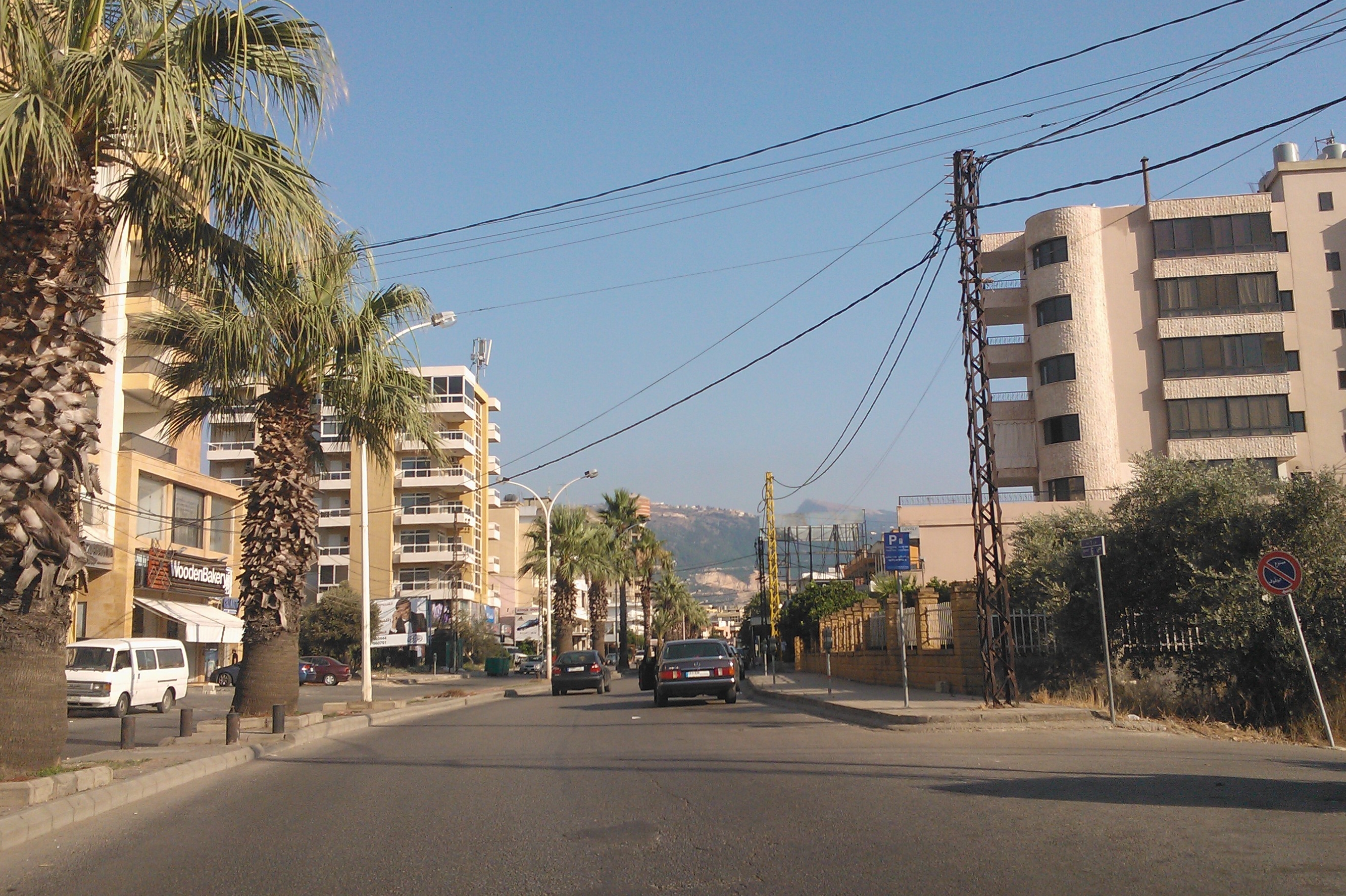
A paycheck here comes through family, not a job board. The economy runs on olive groves, apple orchards, and the seasonal rhythm of families shifting between Zgharta and the mountain town of Ehden. Food processing and small textile workshops keep some money moving, but if you weren't born into the local networks, you won't land work. Remote gigs are possible if your patience is ironclad. The 20 Mbps internet chokes on video calls and makes any file transfer feel like a 90s dial-up flashback. No connections, no Arabic, no chance.
You will need a car. Public transport is a rumor here, and every errand, clinic visit, or government office trip demands you behind the wheel. Landlords and bureaucrats operate in Arabic, period. Younger folks might toss you a few English phrases, but the paperwork, the clinics, the utility offices will not. Housing comes with a seasonal twist: many apartments sit vacant while families flee to Ehden for months, so finding a full-year rental takes local intel and serious persistence. Power cuts are a given, so factor a generator subscription into your life from day one. The clinic up the road handles minor issues, and Tripoli's hospitals are 15 minutes away for anything serious. That works. The paper-clogged, maddeningly slow Lebanese bureaucracy does not.
Older retirees who want a slow, Mediterranean rhythm and are willing to become someone's cousin, neighbor, or dinner guest will find their footing here. Returning diaspora slip back into the social script just fine. For everyone else, this town will squeeze you out. Digital nomads will curse the internet daily. Career-driven expats will suffocate from the total lack of professional oxygen. If you need anonymity, reliable infrastructure, or a city that works without a personal introduction, skip Zgharta. Go to Beirut, or skip Lebanon entirely.