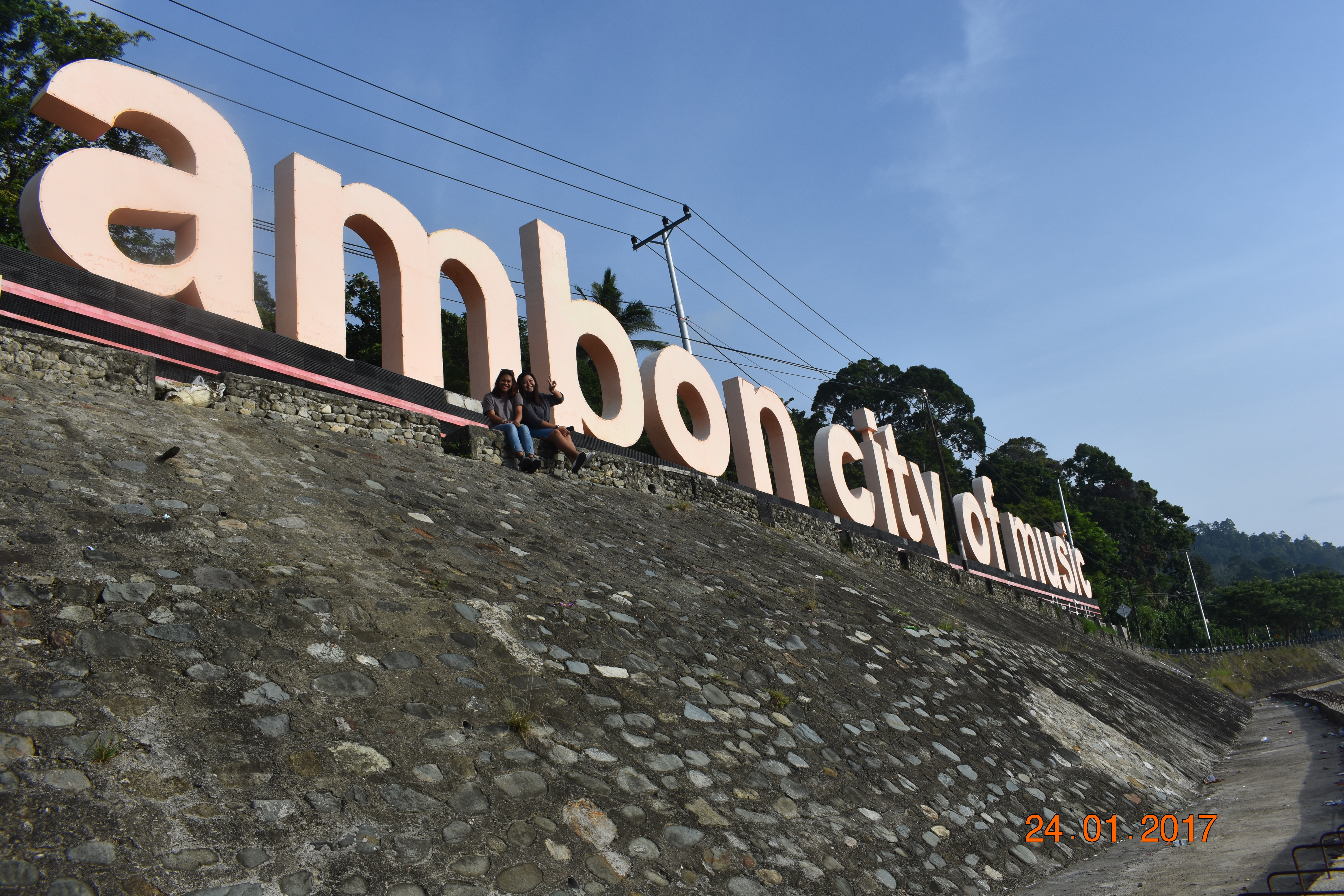
Ambon sits on the southern coast of Ambon Island in the Maluku archipelago, roughly 2,300 miles east of Jakarta, and its airport, AMQ, lies just 10 kilometers from the city center. The climate is tropical and consistently warm year-round, with high humidity and two distinct monsoon seasons: a wet season from November to April and a dry season from May to October, both bringing heavy rainfall and occasional typhoons. Most expats who settle here choose the neighborhood of Ambon Kota, which offers the closest access to the harbor, markets, and the small but active expat community. The city itself, home to about 372,000 people, sits at just 10 meters above sea level, giving it a low-lying, coastal feel that shapes daily life.
Estimate the cost of moving to Ambon, Indonesia
Get a free moving cost estimate for moving to Ambon, Indonesia. Takes 10 seconds.
How much are you shipping?
When are you moving?
Powered by Sirelo. Free quotes from international movers.
🏚️ Cost of Living
💰 Budgets and Costs
A category breakdown is not available for Ambon yet. We publish a breakdown only when every category can be priced from local data, rather than showing figures we cannot stand behind.
Ambon presents moderate safety concerns for expats. While violent crime against foreigners is uncommon, petty theft, pickpocketing, and scams targeting expats occur regularly in markets and crowded areas. The city experiences occasional communal tensions and has a history of religious conflict, though current stability is generally maintained. Avoid displaying valuables, use registered taxis, and stay informed about local developments. The healthcare system is limited, making medical evacuation insurance essential. Overall, Ambon is manageable for cautious expats but requires more vigilance than major Indonesian cities like Jakarta or Bali.
Ambon has a safety index of 45/100. Petty theft and lost belongings are the most common problems for newcomers. Compare travel insurance before you go.
Ambon has a tropical climate with consistently warm temperatures year-round, high humidity, and two distinct monsoon seasons (wet November-April, dry May-October) that bring heavy rainfall and occasional typhoons.
💻 Digital Nomad
Avg Internet Speed
10 Mbps
Internet (monthly)
$28/mo
Coworking Availability
None
Coworking Spaces Nearby
0
Digital Nomad Score
42/100
Community Notes
Ambon provides a local Indonesian vibe with minimal support for digital nomads.
A popular local coworking space in Ambon City Center, known for its creative atmosphere and community events. It's a good option for digital nomads looking to connect with local entrepreneurs and creatives.
This cafe offers a dedicated coworking area. It's a relaxed environment with good coffee, suitable for those who prefer a casual workspace in the Mardika area.
See how Ambon's digital nomad life compares with Padang
🧳 Expat Life
English Proficiency
Limited
Expat Community
Small
Top Neighborhoods
Ambon Kota
Banks Nearby
23
ATMs Nearby
13
Expat Life Notes
Remote island hub in Maluku. Expats are almost entirely in diving or marine research.
Pros
✓ World-class diving
✓ Friendly people
Cons
✗ Remote
✗ Basic infrastructure
✗ Language barrier
🏘️ Neighborhoods in Ambon
Areas of Ambon that expats often consider.
Conditions can change from one block to the next, and these descriptions are general guides, not safety assessments. Before choosing where to stay or live, check current travel advisories, talk to people who live there, and visit in person if you can.
Air Salobar
Residential, quiet, family-oriented
A primarily residential area, Air Salobar is known for its relatively peaceful atmosphere. It's popular with local families and offers a more authentic Indonesian living experience. Public transport is available, but a scooter or car is recommended for getting around.
Honipopu
Central, bustling, commercial hub
Located close to the city center, Honipopu is a vibrant area with shops, restaurants, and markets. It's a convenient location for accessing amenities, but can be noisy and crowded. Some English is spoken in tourist-oriented businesses.
Urimessing
Historic, cultural, government district
Urimessing is the administrative heart of Ambon, home to government buildings and historical sites. It offers a glimpse into the city's past and present. While not specifically geared towards expats, it's a central location with decent transport links.
Lateri
Coastal, relaxed, scenic views
Situated along the coast, Lateri offers beautiful sea views and a more laid-back atmosphere. It's further from the city center, so transport is essential. This area is less developed for tourism, offering a more local experience.
Galala
Local market, busy, affordable
Galala is known for its bustling local market and affordable living options. It's a great place to experience authentic Ambonese culture, but may be overwhelming for some due to the crowds and noise. Learning some basic Indonesian is highly recommended.
Poka
University area, student vibe
Home to Pattimura University, Poka has a younger, more energetic feel. Expect cheaper eats and a lively atmosphere. While not specifically expat-focused, the presence of students may mean slightly more English speakers.
Page 1 of 2
Could living/working in Ambon cut years off your work life?
With a 1-bedroom in the center at $350/mo, your FIRE number here might be much lower than you think.
Ambon has a population of approximately 372,249 people.
A single person can expect to spend around $875 per month in Ambon, including rent. A 1-bedroom apartment in the city center costs approximately $350/month.
The nearest airport to Ambon is AMQ, approximately 9.9km away.
Ambon is considered moderate in terms of safety, with a safety index of 45.0. As with any city abroad, expats should research specific neighborhoods before committing to a location.
Ambon has an average internet speed of 10 Mbps. It is not yet considered a well-established digital nomad destination.
Ambon is significantly more expensive than most Indonesian cities due to its remote location. Imported goods cost 20-30% more than in Java, groceries are pricier, and dining out averages $3-5 per meal compared to $1-2 in smaller Indonesian cities.
Internet infrastructure has improved but remains inconsistent. Fiber connections are available in the city center with speeds up to 50 Mbps, but expect frequent outages during monsoon season. Mobile coverage is good with Telkomsel and XL, though data costs are higher than mainland Indonesia.
Monsoon season (November-April) brings heavy flooding that regularly closes roads and disrupts flights. Ferry schedules to other islands become unreliable, and power outages are common. Many businesses reduce hours during peak rainy periods, so plan accordingly for travel and work schedules.
You can find basic apartments (1-2 bedrooms) in areas like Urimessing starting around $200-$350 USD per month. Expect to pay more for modern amenities or locations closer to the city center, potentially up to $500-$700.
Outside of tourist-oriented businesses and some younger people, English proficiency is limited. Learning basic Bahasa Indonesia will significantly improve your daily life and interactions with locals.
For extended stays, you'll likely need to explore options like a retirement visa (if eligible), a work visa (if you have a job offer), or a social-cultural visa sponsored by a local. Research the latest requirements with the Indonesian embassy.
Healthcare in Ambon is adequate for routine care, but serious medical issues may require evacuation to larger cities like Surabaya or even Singapore. Private hospitals offer better facilities, but it's crucial to have comprehensive travel/expat health insurance.
Ambon offers delicious seafood and Indonesian cuisine. Warungs (small local eateries) are very affordable, with meals costing $2-$5 USD. Restaurants catering to tourists will be pricier, around $10-$20 USD per person.
Power outages can occur, especially during the rainy season. Consider investing in a backup power source or choosing accommodation with a generator if consistent electricity is crucial for your remote work.
Coworking spaces are limited in Ambon. Some cafes offer decent Wi-Fi, but it's best to check speeds and reliability beforehand. Consider using a local SIM card for backup internet access.
Opening a bank account can be challenging and requires specific documentation, including a visa and KITAS (limited stay permit). Consult with the bank directly about their requirements and be prepared for some bureaucracy.
Angkots (minibuses) are the most common and affordable way to get around, but they can be crowded. Taxis and ride-hailing apps like Gojek are also available and offer more convenience.
With careful budgeting, a couple could potentially live comfortably on $1500-$2000 USD per month, covering rent, food, and basic expenses. This allows for a modest lifestyle; factor in more for travel and luxuries.
As a US citizen, you're still required to file US taxes even while living abroad. The Foreign Earned Income Exclusion (FEIE) can help reduce your tax burden. Consult with a tax professional specializing in expat taxes.
The expat community in Ambon is relatively small compared to Bali or Jakarta. Online groups and social media can help you connect with other expats and find support.
For expats, areas like Passo and Lateri offer a mix of local life and access to amenities. The city center is convenient but can be noisier. Consider your budget and lifestyle preferences when choosing a neighborhood.
Cost-of-living and visa updates for Ambon and the rest of Indonesia. Free with RA Postcards.
By submitting your email address, you will receive a free subscription to RA Postcards and special offers from Rewire Abroad and our affiliates. You can unsubscribe at any time, and we encourage you to read more about our Privacy Policy.