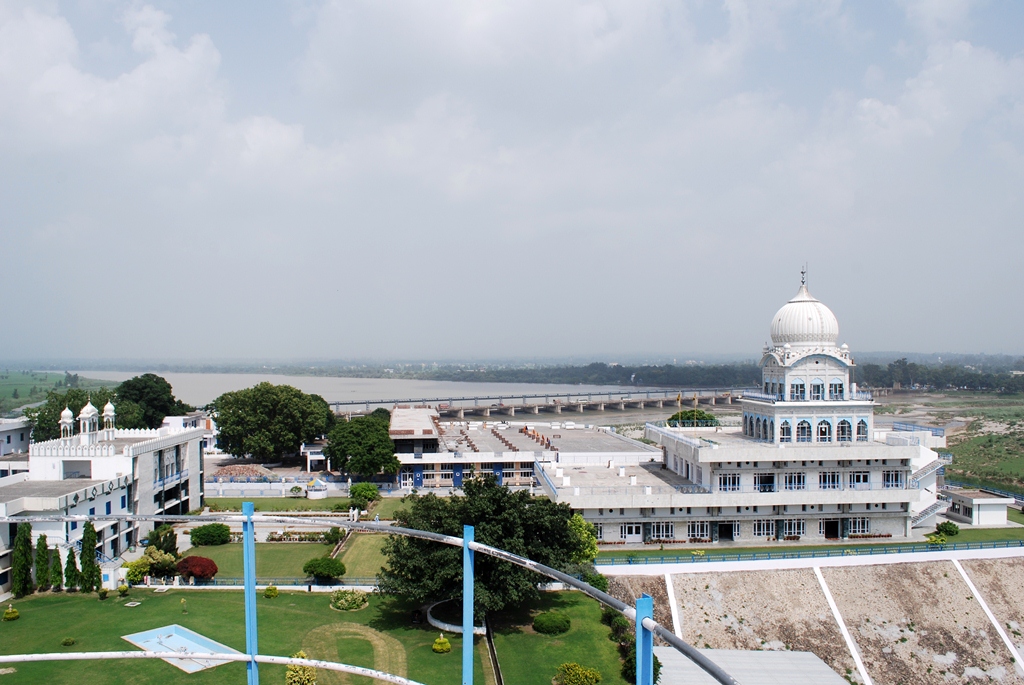
Rupnagar sits in the Indian state of Punjab at 270 m above sea level, in the Asia/Kolkata timezone, with a population of about 61 thousand. Summers from April to June are hot and dry, pushing toward 38°C, while winters from December to February stay mild at around 12°C. The monsoon arrives from July to September with moderate rainfall. Air quality is often poor because of regional pollution, and the air quality index of 185 reflects that. Expats who settle here tend to choose Rupnagar Town, the one neighborhood that draws them.
Housing is the headline. A 1-bedroom in the city center rents for $160/mo, and a 3-bedroom in the city center goes for $320/mo. Utilities run $38/mo, internet $5/mo, and a mobile phone plan $3/mo. A gym membership costs $9/mo. Eating out is cheap: an inexpensive restaurant meal is $3 per person, a mid-range three-course meal for two is $9, and a cappuccino is $1. A single person spends about $280/mo excluding rent, and a family of four about $850/mo excluding rent. The cost of living index is 23/100 against New York City at 100.
Safety is moderate, with a safety index of 60/100 and a crime index of 40/100, where a lower crime figure is better. Healthcare quality is fair. Average internet speed is 26 Mbps, enough for everyday use but not for heavy data work. English proficiency is limited, and the expat community is very few in number, so daily life leans on local language and local networks.
Visas follow the usual national channels, and the nearest airport is IXC, 38 km away. The city scores 81/100 overall for expats, 83/100 on the FIRE measure, 48/100 for retirees, and 55/100 for digital nomads. It suits budget-focused savers, early retirees chasing low rent and low daily costs, and remote workers who can tolerate poor air, limited English, and a tiny expat circle. It does not suit those who need a large international community or fast connectivity.