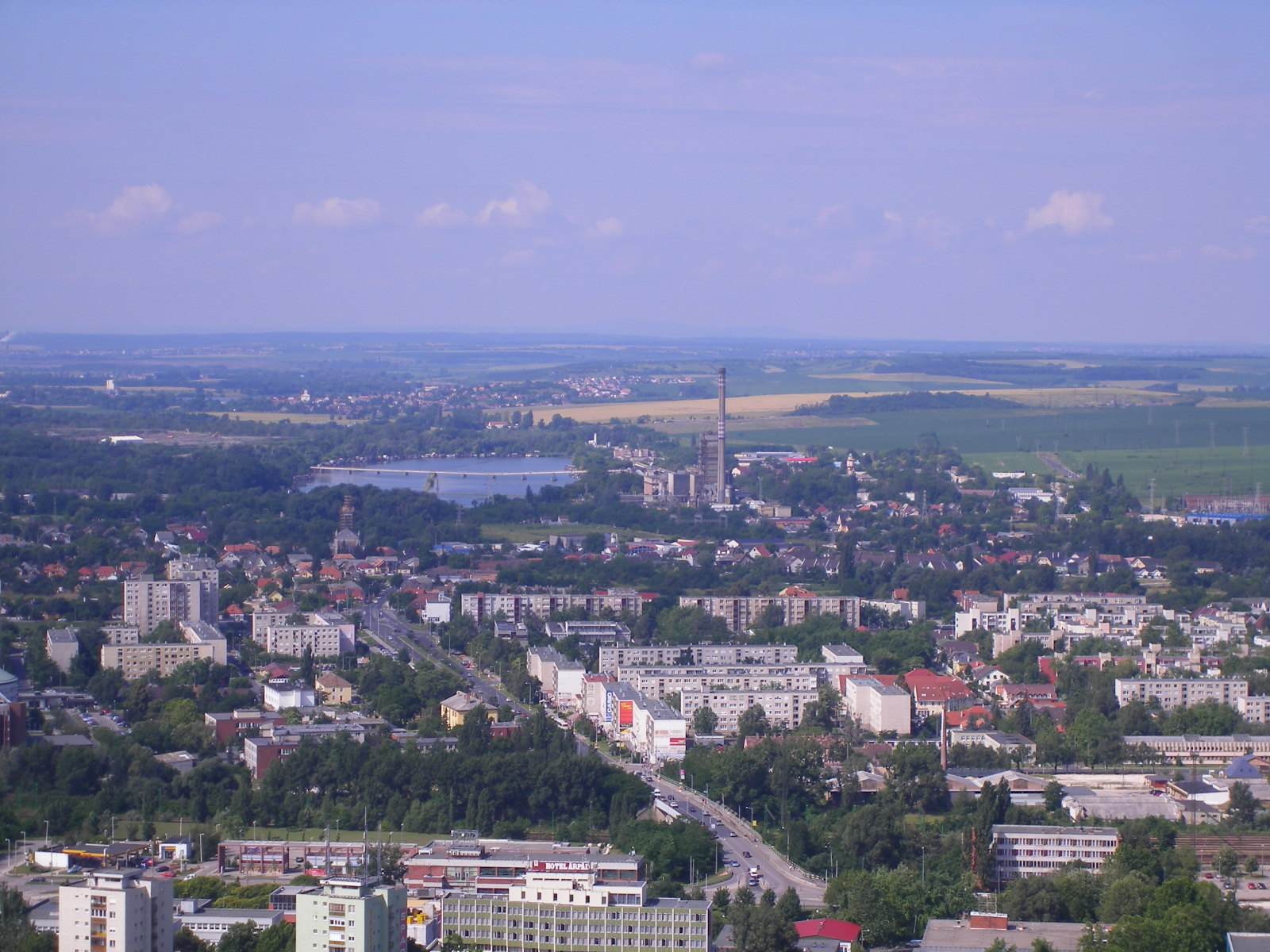
Tatabanya, Hungary
Data updated Sep 29, 2026
📊 Scores
Best fit: FIRE / Geoarbitrage (score: 79)
The economy here runs on logistics and light manufacturing rather than the coal mines that built the city. Tatabánya sits on the M1 corridor between Vienna and Budapest, making it a distribution hub for companies serving both markets. Most expats work remotely or commute to Budapest (55 km, 45 minutes by train); local job opportunities exist in warehousing, automotive suppliers, and small manufacturing, but wages are 20–30% below Budapest levels. The post-1989 transition gutted heavy industry, leaving a pragmatic, unglamorous economy.
A one-bedroom apartment in the center runs $450/month; outside it drops to $300. Public transport is reliable—T-Busz local buses and regional KNYKK services connect to Budapest regularly. Healthcare access is decent; the main hospital handles routine care, but serious cases go to Budapest. Hungarian bureaucracy is standard EU friction: residency permits require proof of income and accommodation, typically processed in 4–6 weeks. English proficiency is low outside younger professionals; German helps more. The city feels functional, not charming.
Winters are cold and gray; summers mild. Food is hearty Hungarian fare—paprika, pork, cheap wine—with limited international options. The expat community is tiny, mostly remote workers and a few corporate transfers. Weekends mean hiking nearby Vértes hills, day trips to Esztergom or Budapest, or local football matches. Tatabánya suits people who want cheap, quiet proximity to Budapest without pretense, not those seeking vibrant expat social scenes.
🏚️ Cost of Living
💰 Budgets and Costs
Grocery Basket
Eating Out
Utilities & Lifestyle
Housing
A 1BR in the center runs about $492.57/mo. If your income is in another currency, bank FX fees add up. A multi-currency account can cut that cost.
See low-fee transfersWe may earn a commission at no cost to you.
💰 Real Spend Reports
🛡️ Safety & Crime
(Higher is safer)
(Lower is safer)
Tatabanya is a genuinely safe industrial city with low violent crime and a stable local environment. Petty theft and pickpocketing occur occasionally in crowded areas, but serious crime targeting expats is rare. The main practical concerns are typical Eastern European issues: avoid displaying expensive items, use registered taxis, and stay alert in poorly-lit areas after dark. The city's working-class character means fewer tourist scams than Budapest. For an American seeking a quiet, affordable, and secure base, Tatabanya delivers—though it lacks cosmopolitan amenities and nightlife.
🏥 Healthcare
🌤️ Climate
Best Months
Climate Notes
Tatabánya has a temperate continental climate with warm summers (June-August around 21°C) and cold winters (December-February around 1°C), featuring moderate precipitation year-round and occasional snow in winter.
💻 Digital Nomad
Community Notes
| Name | Price/mo | Notes |
|---|---|---|
| Regus Tatabánya | $150 | Regus offers a reliable, professional environment with various workspace options. Located in a central business area of Tatabánya, it provides standard amenities like high-speed internet and meeting rooms, making it suitable for expats seeking a familiar and functional workspace. |
Planning to live in Tatabanya long-term? Hungary White Card (Digital Nomad Visa) lets remote workers live legally with a minimum income of $3,426/month.
View full requirements →Working remotely from Tatabanya? Nomad health insurance covers you across borders, month to month.
See nomad insuranceWe may earn a commission at no cost to you.
🧳 Expat Life
Expat Life Notes
Industrial and trade hub. Foreigners are almost strictly related to the automotive sector.
Pros
- ✓ Strong industrial economy
- ✓ Close to Budapest
- ✓ Low costs
Cons
- ✗ Industrial feel
- ✗ Language barrier
- ✗ Boring sociais life
🛂 Visa Options for Hungary
Many long-stay visas require proof of health insurance. Compare international health plans before you apply.
Compare health insuranceWe may earn a commission at no cost to you.
Earning over $1,592/mo? You may qualify for a Hungary visa.
Answer 10 questions and get a personalized match in under 2 minutes.
Could living/working in Tatabanya cut years off your work life?
With a 1-bedroom in the center at $296/mo, your FIRE number here might be much lower than you think.
Estimate the cost of moving to Tatabanya, Hungary
Get a free moving cost estimate for moving to Tatabanya, Hungary. Takes 10 seconds.
How much are you shipping?
When are you moving?
Powered by Sirelo. Free quotes from verified international movers.
Share This Guide
Tatabanya won't stay this cheap forever.
Cost-of-living and visa updates for Tatabanya and the rest of Hungary. Free with RA Postcards.
By submitting your email address, you will receive a free subscription to RA Postcards and special offers from Rewire Abroad and our affiliates. You can unsubscribe at any time, and we encourage you to read more about our Privacy Policy.