Hungary Golden Visa
Hungary · Europe
Data updated Sep 3, 2026
Min Monthly Income
$1,592
Difficulty
Moderate
Duration
120 months
Path to Citizenship
10 years
Overview
Hungary’s Golden Visa, formally the Guest Investor Residence Permit, is built around a single core requirement: a USD 250,000 investment into an approved real estate fund. There is a minimum monthly income requirement of USD 1,592 (as of 2026), so a retiree or investor living off dividends, bond coupons, or rental income can qualify as long as they can document the lawful source of the USD 250,000. Unlike Panama’s Pensionado or Portugal’s D7, this is not an income-based route; the investment itself is the gatekeeper.
The residence permit is granted for 120 months (10 years) and is renewable, with the program explicitly allowing renewal as long as you maintain the qualifying investment. Physical presence requirements are unusually light: 0 days per year are required to keep the status, which matters for anyone splitting time between, say, Hungary, Thailand, and the US. The 0‑day requirement means long absences are not structurally penalized the way they are under Spain’s Non‑Lucrative Visa or Italy’s Elective Residence.
In terms of long‑term settlement, this track does lead to permanent residence and potentially an EU passport. After 5 years you can move into Hungarian long‑term residence status, and after 10 years of lawful residence (as of 2026) you enter the eligibility window for citizenship, subject to language and integration requirements. The 10‑year card duration gives you enough runway to clear both the 5‑year permanent residence milestone and the 10‑year citizenship timeline without reapplying under a new category.
Friction is concentrated in the investment and due‑diligence layers more than in paperwork volume. No apostille, no FBI background check, no medical exam, and no interview are required as of 2026, which aligns with a low Bureaucracy Score of 1.3 / 5. The main annoyance is selecting a qualifying fund, documenting the lawful origin of the USD 250,000, and navigating local AML/KYC with Hungarian banks and fund managers; planning needs to assume some variability.
Local work is not permitted under this status, and there is . Dependents are allowed, so families need to model only the base USD 250,000 and then check incremental legal and government fees separately.
This structure makes most sense if you can tie up USD 250,000 for at least 5–10 years and want a 0‑day presence requirement with a credible 10‑year path (as of 2026) to EU citizenship. It is a poor fit if your investable capital is under USD 250,000 and your plan relies primarily on qualifying through Social Security, a modest pension, or sub‑USD 2,500 monthly income rather than an asset‑based commitment.
Eligibility Requirements
Citizens of EU member states do not need the Hungary Golden Visa because they already have free movement and residence rights under EU law in Hungary. The door is open instead to “third‑country nationals” - anyone who is not a citizen of an EU country - which includes Americans, Canadians, Australians, New Zealanders, Britons, and most Asian, African, and Latin American nationals.
EEA countries (Norway, Iceland, Liechtenstein) and Switzerland often cause confusion. For Hungary’s Guest Investor Residence Permit, the restriction is framed around EU and EEA nationality, so Norwegians, Icelanders, and Liechtensteiners fall on the same privileged side as Germans or Italians and do not use this program. Switzerland is not in the EU/EEA but has special bilateral free‑movement arrangements with the EU; Swiss citizens are also not the target for this visa and generally rely on those agreements rather than a Golden Visa route. By contrast, the UK’s post‑Brexit status is clear: British citizens are non‑EU/EEA and therefore can apply as third‑country nationals if they meet the USD 250,000 investment requirement.
Anyone with dual citizenship where one passport is from an EU (or EEA/Swiss in practice) country should use that EU‑side passport to exercise free movement rights instead of pursuing the Hungary Golden Visa. Entering Hungary as, say, an Italian‑US dual national on the Italian passport bypasses the investment requirement entirely and simplifies both residence registration and long‑term status; the Golden Visa is designed precisely for those who lack that EU‑level privilege.
Min Income
$1,592
Min Investment
$250,000
Min Age
18 yrs
Duration
120 months
Physical Presence
None required
Requirements Checklist
• Identity: valid passport (at least 12 months validity, with blank pages); copies of passports for all family members; completed and signed visa/residence permit application form; recent passport-size photographs.
• Financial: bank statements showing sufficient balance for investment and living/travel expenses; proof of funds from a bank confirming permanent availability of investment amount; documentary evidence of lawful origin of funds (e.g., sale contracts, savings records, income statements); proof of legitimate source of income.
• Background: clean criminal record certificate from country of citizenship and/or residence; declaration on voluntary departure in case of refusal.
• Health: health insurance or travel insurance valid in Hungary providing full medical cover; declaration of serious illnesses or health conditions if applicable.
• Accommodation: residential lease contract in Hungary; property ownership document in Hungary; other proof of accommodation address in Hungary.
• Investment: written confirmation of intention to fulfil the investment condition; proof or confirmation of making the qualifying investment or contribution.
• Family: marriage certificate for spouse; birth certificates for children; proof of dependency for adult children if required; birth certificates of the main applicant or spouse for dependent parents.
• Personal: curriculum vitae (CV) for main applicant and each family member over 18.
• Representation: power of attorney for legal representative, if applicable.
• Translation: certified translations of foreign-language documents into Hungarian; apostille or legalisation for civil status and official documents, if required by place of issue.
Tax Information
Local tax regime and what it means for you
Hungary taxes residents on worldwide income and non‑residents on Hungarian‑source income; there is no named territorial, remittance‑based, or non‑dom regime linked specifically to the Golden Visa. For someone on the Hungary Golden Visa who does not become a Hungarian tax resident, Hungarian tax generally applies only to Hungarian‑source items such as salary from a Hungarian employer, rental income from Hungarian property, or distributions from a Hungarian fund. Remote salary from a US or Canadian company, ETF dividends paid into a US brokerage account, or pension distributions from abroad are normally outside Hungarian tax if you remain non‑resident.
Once you cross into Hungarian tax residency, worldwide income comes into scope: remote salary, pension income, and dividends or interest from foreign brokerages are then subject to Hungarian personal income tax at standard rates. Capital gains on foreign investments, such as selling index funds or ETFs in a foreign brokerage, are taxed locally for tax residents; Hungary has historically applied a flat rate to investment income, but the precise rate applicable to foreign‑brokerage ETF gains is 15% (28% with szocho), so you must confirm with up‑to‑date local guidance.
Tax residency in Hungary is usually triggered by spending 183 days or more in the country in a calendar year or by establishing a primary home or centre of vital interests there. The Golden Visa itself does not automatically make you a tax resident, and the 0 days/year presence requirement lets you avoid residency if you consciously limit time in Hungary. However, if your plan is to actually live in Hungary long‑term to qualify for permanent residence after 5 years and citizenship after 8 years, you will almost certainly become tax resident during that period.
Local filing obligations arise once you are tax resident or have Hungarian‑source income. You then need to obtain a Hungarian tax ID, register with the tax authority, and file annual income tax returns by the standard national deadline; exact forms and due dates can be obtained obtain them from the Hungarian tax authority or a local advisor.
Tax treaty status with the US was terminated as of January 2024, so you cannot assume relief on double taxation of dividends, interest, or pensions. Hungary and the US historically have had income tax treaties covering items like business profits, dividends, and certain pensions, but because the treaty was terminated as of January 2024, any planning around Social Security, IRA/401(k) distributions, or US dividends needs to treat double‑tax relief as uncertain until confirmed from primary treaty texts or a qualified advisor.
For US Citizens and Green Card Holders
A Hungary Golden Visa does not change your obligation to file US taxes on worldwide income. You will still file Form 1040 each year and potentially use three main tools: the Foreign Earned Income Exclusion (FEIE), the Foreign Tax Credit (FTC), and foreign account reporting.
FEIE via Form 2555 can exclude up to USD 132,900 (2026 figure) of earned income — salary, remote work, or consulting — but not dividends, capital gains, rental income, pension payments, or Social Security. Given that this visa allows 0 days/year in Hungary, many FIRE holders may not meet the Physical Presence Test’s 330 days abroad if they split time heavily in the US; those who actually relocate and spend most of the year outside the US can qualify under either the Physical Presence Test or, once established, the Bona Fide Residence Test. For a retiree whose income is primarily from brokerage accounts and pensions, FEIE usually adds little, as those streams are not “earned income.”
The Foreign Tax Credit on Form 1116 becomes relevant once you are a Hungarian tax resident paying Hungarian tax on your worldwide income. If Hungarian effective rates on your remote salary, dividends, or capital gains exceed or approach US rates, the FTC can offset US tax on those same streams. If you intentionally avoid Hungarian tax residency and keep Hungarian‑source income low or zero, your Hungarian tax bill may be minimal, leaving little or no foreign tax to credit; in that case, FTC provides no meaningful shelter and your US tax exposure remains largely unchanged.
FBAR (FinCEN Form 114) is required if the aggregate value of your non‑US financial accounts — Hungarian bank accounts, brokerage accounts, and possibly accounts with Hungarian fund managers — exceeds USD 10,000 at any point in the year. This is separate from FATCA Form 8938, which can also apply. Non‑willful FBAR penalties start at USD 16,700 as of 2026 per violation, so even a basic Hungarian checking account plus a fund custody account can trigger reporting. The visa facts do not mandate a local bank account, but in practice fund investments and day‑to‑day living often lead to one.
To manage this cleanly, you need two specialists: a US CPA experienced in expat taxation (FEIE vs. FTC, treaty positions, FBAR/FATCA) and a Hungarian tax advisor for residency status, registration, and local filing. The USD 1,500–3,000 you spend in year one on that combined advice is normally offset by avoided penalties, correct use of FEIE/FTC, and structuring your Hungary presence so you only become tax resident if and when it supports your long‑term plan.
Living in Hungary
COL Index vs NYC
46.9
Monthly Cost (excl. rent)
$753
1BR Rent (City Center)
$575
Safety Index
66.3
Healthcare Index
54.3
Quality of Life Index
144.6
Time Zone
UTC+01:00
Capital
Budapest
Population
9.7M
Official Languages
Hungarian
Avg Internet Speed
237 Mbps
Public Transit Quality
Excellent
With a budget covering rent and living costs, you'd need roughly $1,328/mo for a comfortable single-person lifestyle in Hungary.See how far your money goes →
🏙️ Best Cities in Hungary for Golden Visa Holders
 ✦ 76
✦ 76 ✦ 76
✦ 76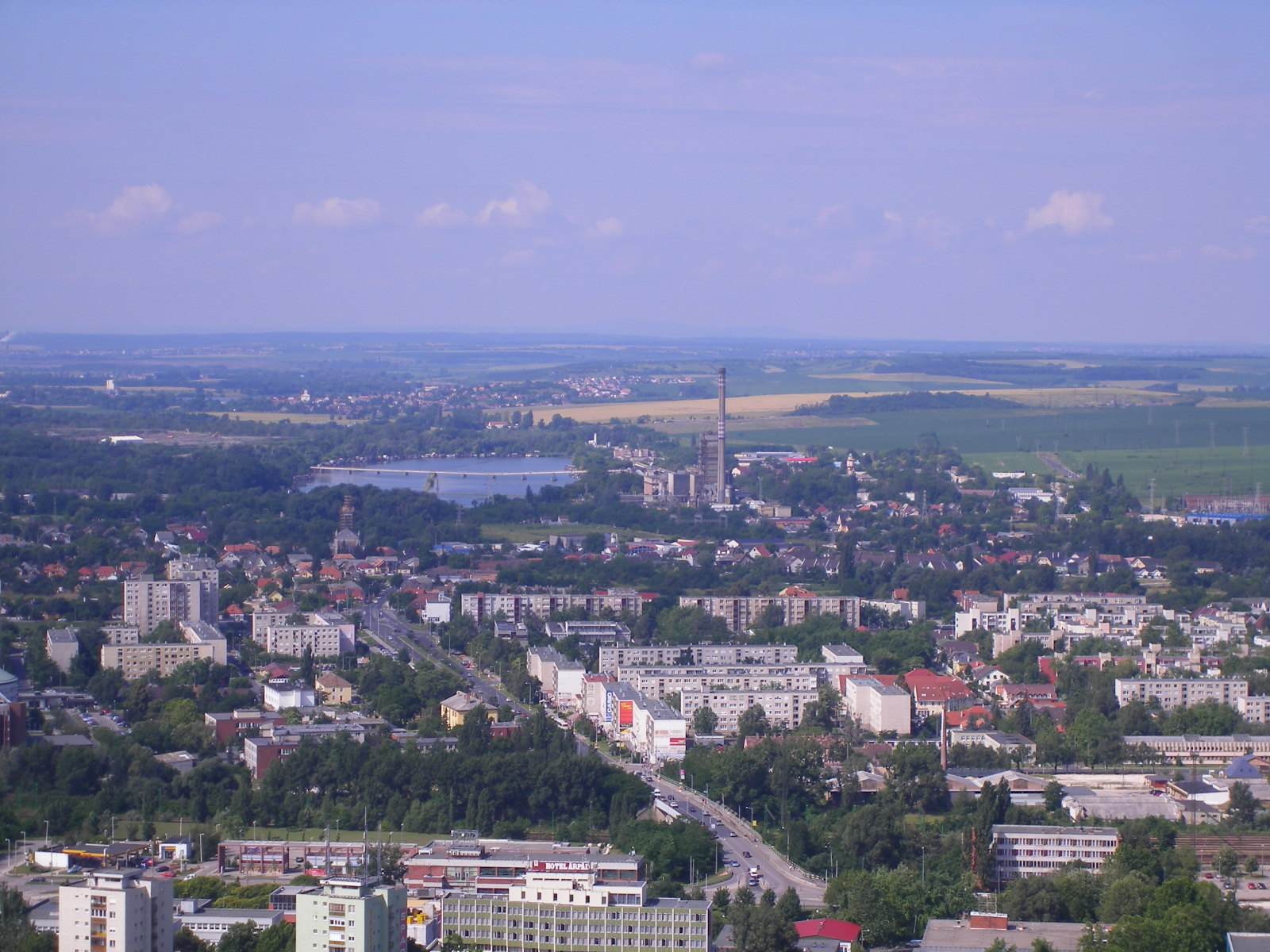 ✦ 75
✦ 75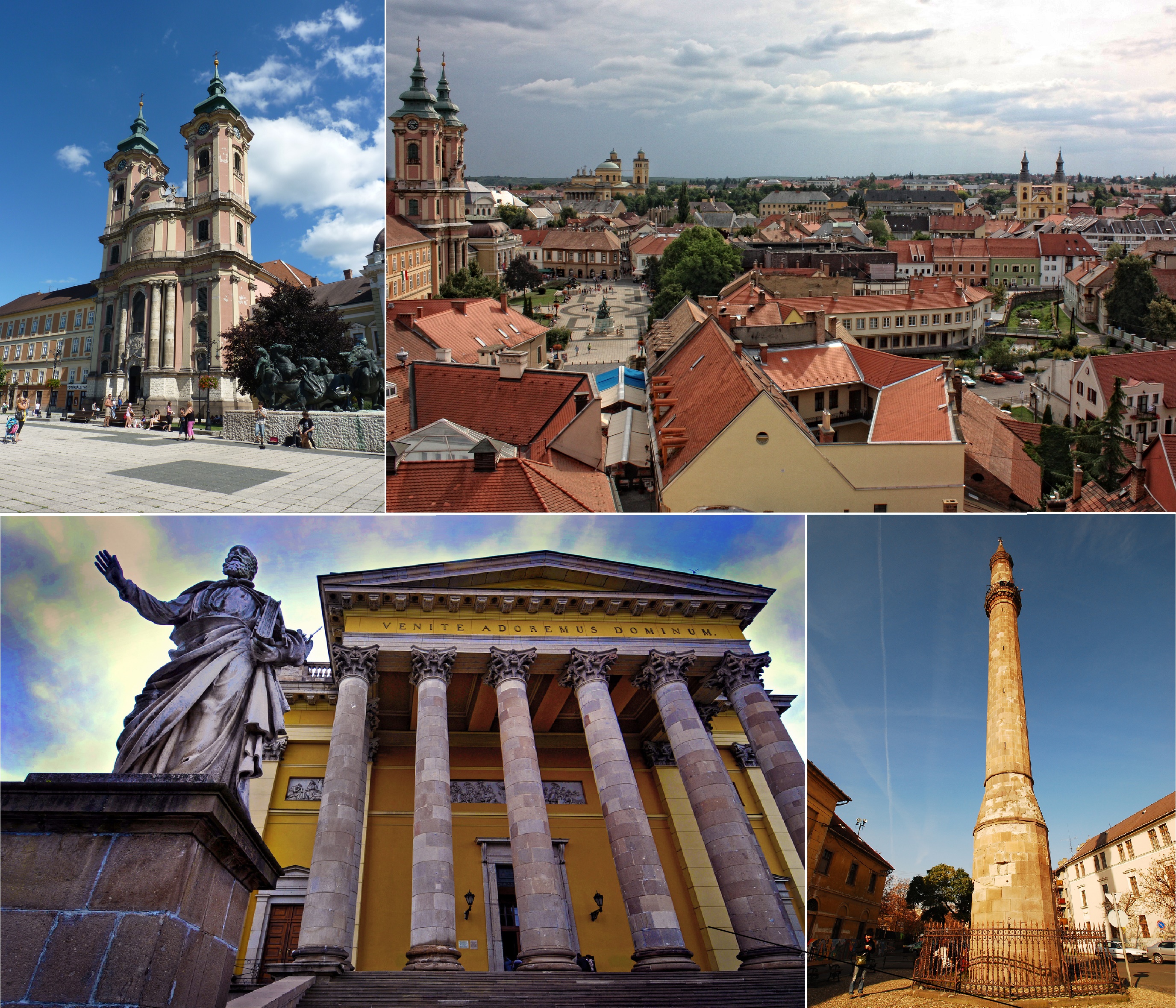 ✦ 77
✦ 77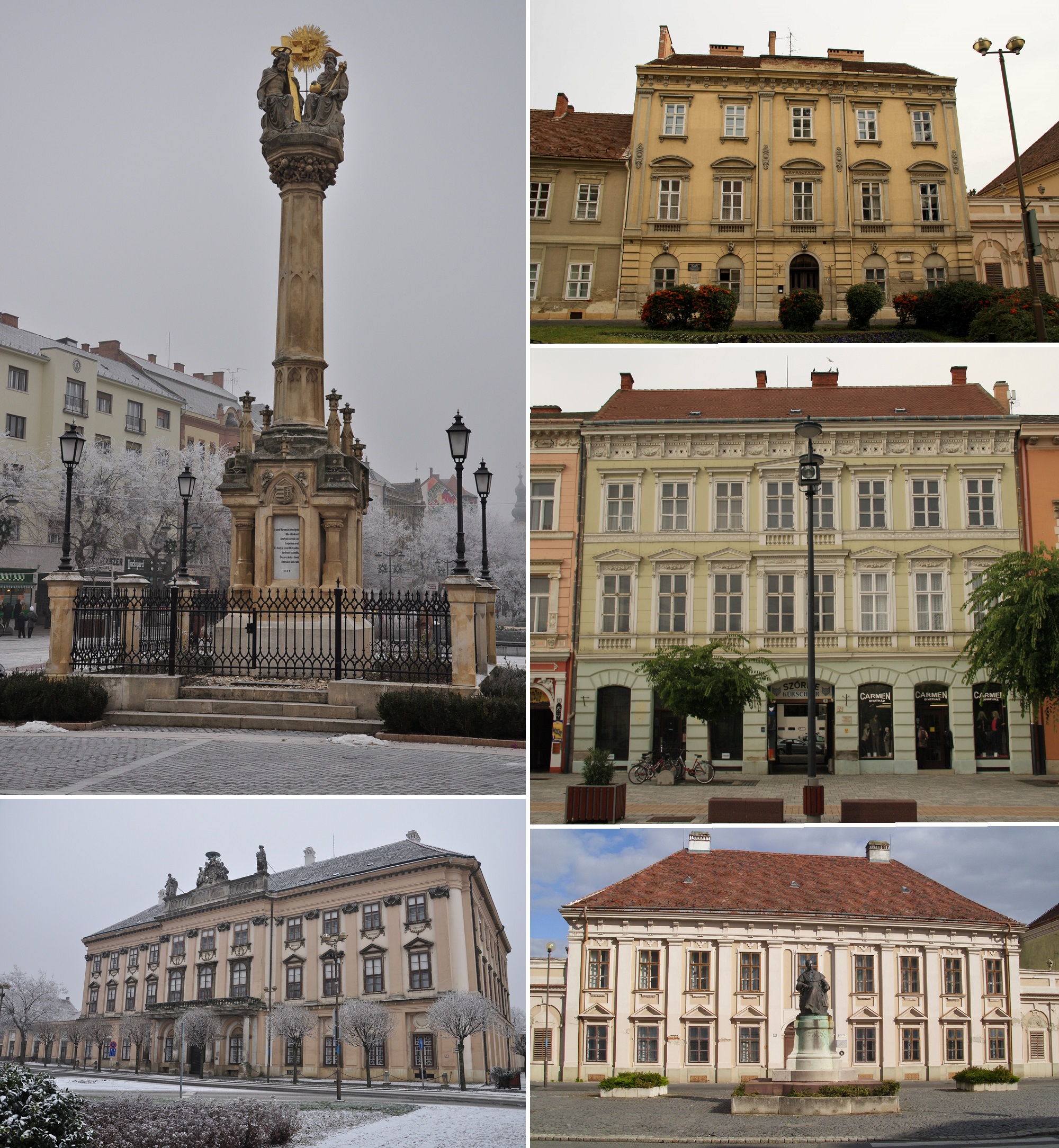 ✦ 86
✦ 86The income requirement is a formality: the real story is the source of funds
The $1,592 monthly income threshold is not what keeps anyone awake at night. A remote worker earning $5,000 a month or a retiree with a pension and rental income clears it without effort. The document that gets scrutinized is the $250,000 investment. The Hungarian immigration office wants to see the full lifecycle of that money. Bank statements need to show the balance building over time, not a sudden lump sum with no explanation. If the funds came from a property sale, you'll need the sale contract, the notarized deed, and the wire transfer confirmation. If they accumulated through salary, expect to submit pay stubs and tax returns that span the accumulation period. A gift from a relative requires a gift deed and the relative's own source-of-funds documentation. The most common rejection point is incomplete documentation of the chain of custody. An application that shows a brokerage account with a million dollars but no paper trail for how the account was funded will stall. The investment confirmation itself is a separate step. You'll need a written confirmation of your intention to make the qualifying investment, and then proof that you actually made it. The sequence matters: the intention needs to be stated before the visa is issued, and the proof of making the investment is submitted when you apply for the residence permit inside Hungary. The investment amount is not a small sum. The paperwork that proves it's clean is the real weight of the application.
The accommodation requirement is more than a lease
A residential address in Hungary is mandatory for the residence permit application. The rules accept a lease contract, a property ownership document, or other proof of accommodation address. For most applicants, that means a lease. The kind of lease matters. A short-term rental agreement from an Airbnb host won't satisfy the immigration office. You need a proper rental contract, ideally registered with the local authorities, that shows a genuine residential address. Securing that from abroad is the problem. You'll need to find a landlord willing to rent to someone who doesn't have a Hungarian tax number or bank account yet. Many landlords won't. The workaround is to engage a local agent or a lawyer who can handle the paperwork and vouch for you. The address you provide will be checked. The immigration office may send a notice to that address, and if it bounces, your application stalls. If you own property in Hungary, that's the simplest path. You just submit the title deed. But ownership ties you to Hungarian property tax and ongoing maintenance, which is a much larger commitment than a rental. The lease is the practical solution, and it needs to be sorted before you submit the residence permit application in-country. That means you'll be signing a contract and paying a deposit for a place you won't see until you arrive. Plan for that.
What happens after you land
You enter Hungary on the Guest Investor Visa. That visa is typically issued for a short stay, enough time to complete the in-country steps. Once you're in Hungary, you go to the regional Immigration and Asylum Office to submit the residence permit application. You'll bring every document you've prepared: the translated birth and marriage certificates, the bank statements, the investment confirmation, the health insurance certificate, the accommodation proof, and the completed application forms. The office will review the package, and you may be asked for additional documents or clarifications. There is no interview, but the process is not instant. You'll need to plan to stay in Hungary for several weeks, possibly longer, while the permit is processed. The waiting period is a practical limbo. You can't work locally, and you're not yet a resident. Once approved, you receive a residence permit card that is valid for 10 years. That card is what you'll use to re-enter Hungary and travel within the Schengen area. The permit itself doesn't allow you to take local employment. The lifestyle that works with this visa is the one you already have: remote work or passive income from outside Hungary. The in-country phase is the gatekeeper moment. If your documents are in order and your accommodation is solid, it's a straightforward submission. If something is missing, you'll be scrambling to fix it while on a tight timeline.
The PR path is straightforward, but citizenship is a long game
After 5 years of holding the residence permit, you can apply for permanent residence. The physical presence requirement is zero. You don't need to have spent a single night in Hungary to qualify for PR. That's rare. Most residency-by-investment programs in the EU require some minimum stay each year to maintain the permit or to qualify for permanent status. The Hungarian program doesn't. That means the 10-year residence permit is the active tool for the first five years. You keep the investment in place, you renew the permit if needed, and you apply for PR when the five years are up. The permanent residence card is indefinite, and it gives you the same rights as any other resident, except for voting. Citizenship is a different timeline. The path to a Hungarian passport requires 10 years of residence, and that almost certainly means you'll need to actually live in the country, learn the language, and meet integration requirements. The verified rules don't detail the citizenship conditions beyond the 10-year mark, but the practical reality is that naturalization demands a real connection to the country. For the remote worker or retiree who never plans to relocate, the permanent residence is the usable prize. The Hungarian passport is a long-term possibility, not a short-term expectation. The zero physical presence rule for PR is the feature that makes this program stand out. It lets you keep your life in the US while building a European residency that requires no uprooting.
The judgment call: Hungary versus the alternatives
The Hungary Golden Visa competes against other EU residency-by-investment programs, and against digital nomad visas that offer no path to permanent status. The investment threshold at $250,000 is lower than many Mediterranean golden visa programs that require property purchases of half a million euros or more. The 10-year permit is significantly longer than the two- or five-year permits issued by other countries. And the zero physical presence requirement is the real differentiator. Most golden visa programs demand at least a few days of stay each year. The Hungarian one doesn't. That changes the calculus. You're not buying a lifestyle change. You're buying a backup plan that sits in your passport without demanding your time. If you compare this to a digital nomad visa, those give you a year or two in a country, with no path to permanent residency and often a requirement to be physically present. The nomad visa is a temporary solution. The Hungary Golden Visa is a long-term residency. The trade-off is the capital lockup. You're tying up a quarter-million dollars in a Hungarian investment for at least five years. The returns on that investment are secondary to the residency benefit. If you're comfortable with that, the program offers a decade of EU residency with no strings attached. For the remote worker or retiree who wants a European foothold without relocating, the alternatives either cost more, demand more time, or offer far less permanence.
Work Permissions
Application Steps
- 1
📋 Research qualifying funds
1-2 weeks
- 2
📄 Gather personal documents
2-4 weeks
- 3
📋 Make the investment
1-2 weeks
- 4
📬 Submit visa application
- 5
🏛️ Enter Hungary
Same day
- 6
📬 Apply for residence permit
- 7
🏛️ Maintain investment and renew
Frequently Asked Questions
Click any question to expand the answer.
Ready to Apply?
Work with trusted visa specialists who handle the paperwork so you can focus on your move.
Get help with this visa →* We may earn a commission if you apply through our link
At a Glance
Last verified: July 15, 2026