Duration
6 months
Overview
Getting the income documentation story straight before applying
Most people arrive at the Taiwan Entrepreneur Visa thinking of it as a remote-work visa with a business label stapled on, and that mismatch is where a lot of applications go sideways. The reviewers at the National Development Council, and the overseas Taiwan offices that pass applications along, are not looking at your income the way a digital nomad visa officer would. They are not asking "can this person support themselves." They are asking "is this a business, or is this a job that happens to be done from a laptop." Those are different questions and they want different evidence.
If you're a freelancer with three or four recurring US clients, the instinct is to submit invoices and bank statements as proof of income, the same package you'd use for a straightforward remote-income visa elsewhere. That's necessary but not sufficient here. The stronger applications frame the existing client income as the funding source for a Taiwan-based venture: a studio, a consultancy with a local registered presence, a product you intend to build out from Taipei or Kaohsiung rather than just relocate to. The business plan has to read like a plan, with a rationale for why it needs to exist in Taiwan specifically and how it grows past you personally. A plan that's really just "I will keep doing my current work, now from Taiwan" tends to get flagged for revision or rejected outright, because it doesn't actually describe a business.
The sequencing mistake shows up when people write the business plan first and gather documentation to fit it, rather than starting from what they can actually prove. Reviewers cross-reference your financial documentation against your stated plan, and gaps between the two, a plan that claims six-figure projected revenue against three months of client payments in the low thousands, invite scrutiny that a more conservative, well-supported plan wouldn't. Build the plan around what your bank statements and contracts can actually back up, not around what sounds impressive on paper.
Eligibility Requirements
Duration
6 months
Business Income
Business Owner · Self-Employed
Requirements Checklist
Tax Information
How Taiwan Taxes What You Actually Earn
Taiwan does not tax residents on everything they touch worldwide. It taxes Taiwan-source income under the ordinary progressive brackets, and it reaches into foreign-source income only through the alternative minimum tax, which activates once foreign-source income exceeds NT$1,000,000 (about USD 32,300 as of 2026) and the total AMT base tops NT$6,700,000 (about USD 216,100), at a 20% rate on the amount caught. Salary or freelance revenue earned for work actually performed in Taiwan sits in the regular system: 5% up to NT$610,000 (about USD 19,700), climbing through 12%, 20%, 30%, and topping out at 40% above NT$5,190,000 (about USD 167,400). Most entrepreneurs on this visa start well inside the bottom bracket, which is a quieter first year than the headline 40% rate suggests.
The foreign side of the ledger looks different. Dividends and capital gains from a US brokerage account, rental income from a house back home, these are foreign-source and generally stay outside Taiwan's tax net entirely unless the AMT threshold gets crossed. Taiwan-source gains from listed securities are a separate story: individuals owe no income tax on them at all since the 2016 reform, though every sale still carries a 0.3% securities transaction tax on gross proceeds regardless of profit or loss. Sell Taiwanese real property, though, and the house and land transactions tax takes a real bite, 45% if held under two years, 35% between two and five, 20% between five and ten, 15% past ten years for residents.
Where the IRS Still Has a Claim
Taiwan gives residents a choice on domestic dividend income rather than a flat expat regime: fold dividends into consolidated income and claim an 8.5% imputation credit capped at NT$80,000 (about USD 2,600), or elect a flat 28% separate tax on the dividend income instead. Higher earners with meaningful Taiwan dividend flow tend toward the 28% election since the top consolidated rate reaches 40%; smaller holders usually do better staying inside consolidated income. There is no separate preferential tax status carved out for entrepreneurs or foreign residents on this visa. Everyone lands in the same system described above, and no registration window applies to any of it.
The IRS does not care that Taiwan left your US-source investment income alone. Citizens and green card holders file on worldwide income no matter where they live, and the Foreign Earned Income Exclusion only shelters earned income, remote salary or freelance revenue, up to USD 132,900 for the 2026 tax year. It does nothing for dividends, capital gains, rental income, pensions, or Social Security, all of which stay fully taxable on the US return regardless of what Taiwan does with them.
The Foreign Tax Credit is the usual backstop for double taxation, but it does little work here. Taiwan's territorial treatment means most of what a US remote worker earns from US clients, or holds in a US brokerage account, never gets taxed by Taiwan in the first place, so there is often no Taiwan tax to credit against the US bill. High earners with substantial Taiwan-source salary above the FEIE ceiling get more mileage from it; everyone else is leaning on the exclusion alone. There is no formal US-Taiwan tax treaty, only informal administrative arrangements that reduce friction without changing filing obligations. That absence matters most in retirement: 401(k) and IRA distributions, along with Social Security, count as foreign-source income once you're a Taiwan resident, with no treaty protection and no totalization agreement to fall back on, though in practice the AMT threshold keeps most modest Social Security amounts out of Taiwan's reach.
Open a Taiwan bank or brokerage account, which most entrepreneurs on this visa eventually do even though the visa itself does not require one, and FinCEN 114 becomes mandatory the moment combined foreign account balances exceed USD 10,000 at any point in the year. Miss it and the non-willful penalty runs a statutory USD 10,000 per violation, adjusted for inflation to roughly USD 16,700 for 2026. Forming or holding a stake in a Taiwan company, which many entrepreneur visa holders do by design, can also trigger Form 5471 reporting if ownership thresholds are met, a filing people routinely forget until the second year.
The decisions that go wrong unattended are specific ones. Whether to elect Bona Fide Residence or the 330-day Physical Presence Test for the FEIE changes what counts as a qualifying year and matters most in year one when the calendar doesn't line up cleanly with either. The dividend election, 28% flat versus consolidated with the capped imputation credit, is a real number that should be run both ways before filing, not guessed at. And anyone who opened Taiwan accounts to run the business needs the FBAR question answered before the deadline, not after. A first-year advisory engagement runs somewhere between USD 1,500 and 3,000, and it is cheaper than fixing a missed 5471 or an unfiled FBAR after the fact.
Living in Taiwan
COL Index vs NYC
44.4
Monthly Cost (excl. rent)
$783
1BR Rent (City Center)
$505
Safety Index
82.9
Healthcare Index
86.5
Quality of Life Index
160.7
Time Zone
UTC+08:00
Capital
Taipei
Population
23.5M
Official Languages
Chinese
Avg Internet Speed
260 Mbps
Public Transit Quality
Excellent
With a budget covering rent and living costs, you'd need roughly $1,288/mo for a comfortable single-person lifestyle in Taiwan.See how far your money goes →
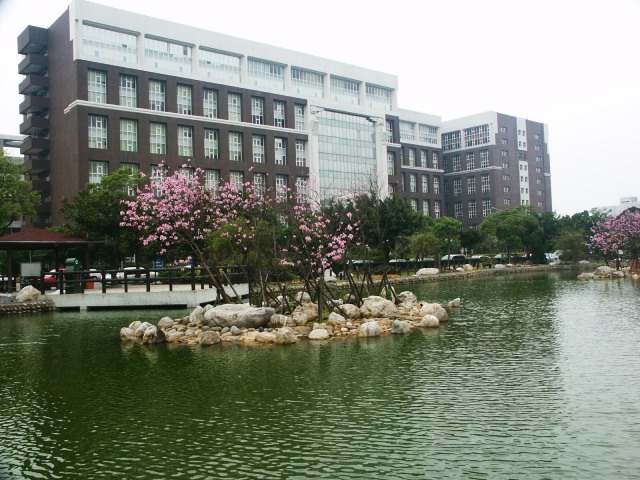
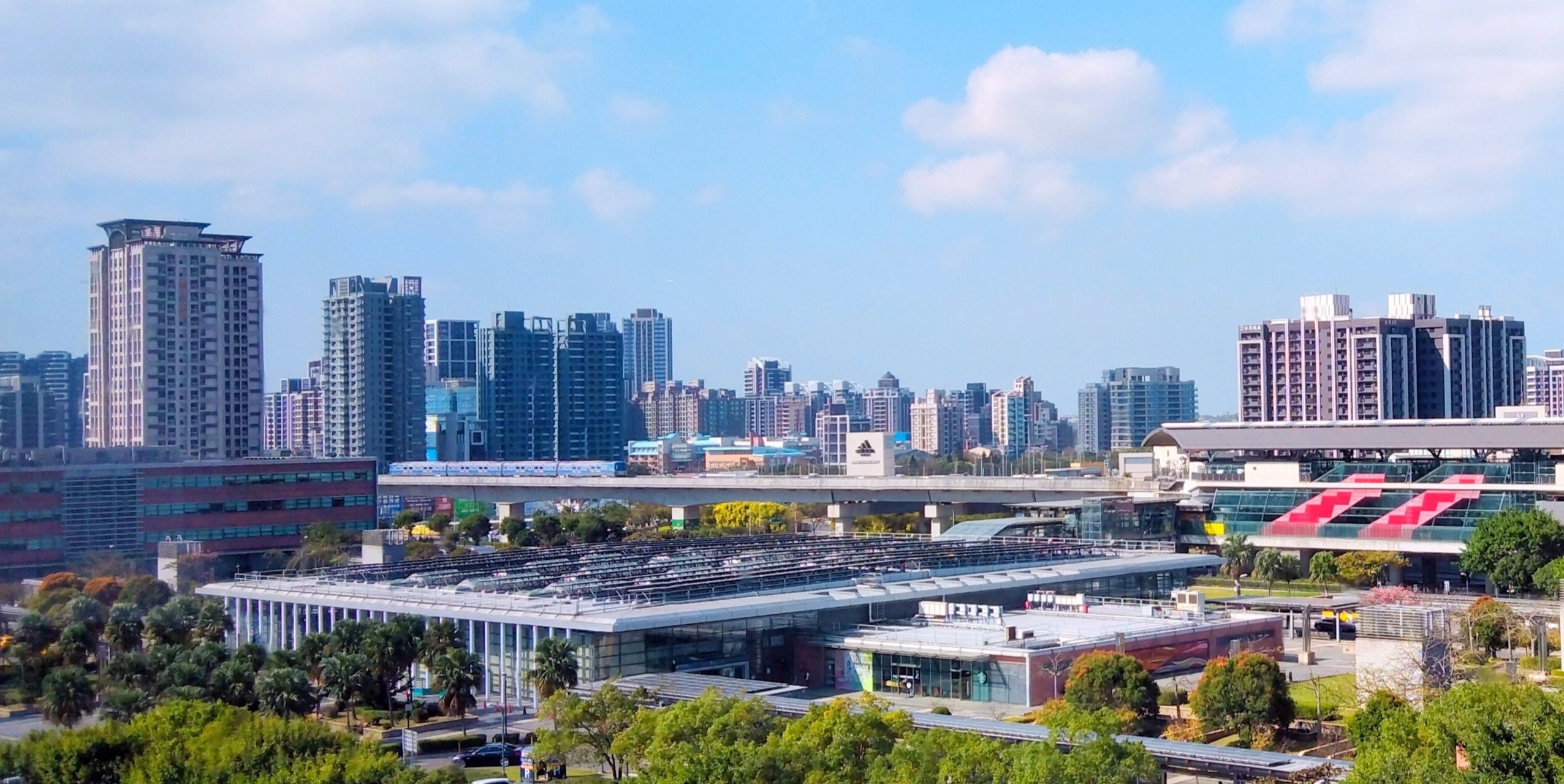
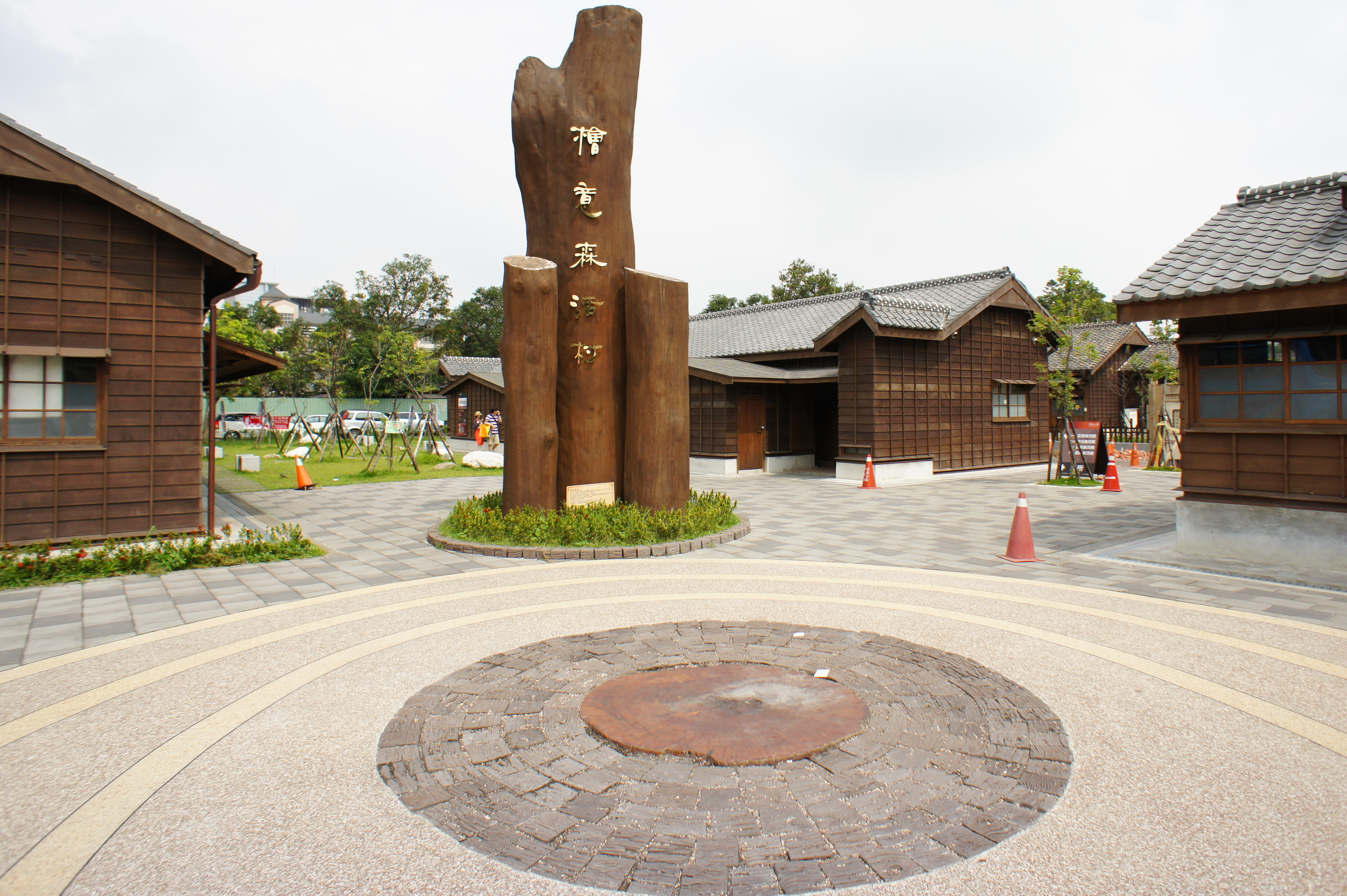
🏙️ Best Cities in Taiwan for Freelancers



The housing and address requirement, and where it breaks down
Taiwan doesn't ask for proof of accommodation as a line item in the visa application the way some countries do, but it becomes the first real obstacle the moment you land. Your entry visa gets you into the country. Converting that into an actual Alien Resident Certificate requires registering an address at the local household registration office in your district, and that registration needs a lease or a rental agreement the landlord is willing to put their name behind.
This is where a lot of applicants who did everything right on the visa side get stuck for weeks. Short-term platform rentals, the kind aimed at tourists, rarely come with a landlord who's registered the unit for long-term foreign tenancy, and some landlords are simply unwilling to have a foreign national's residency tied to their address, for reasons that have more to do with informal tax arrangements on their side than anything about you. The practical move is to treat the first two to four weeks in Taiwan as a bridge period in short-term housing while you secure a proper lease specifically vetted for ARC registration, rather than assuming any signed rental agreement will work. Ask directly, before signing, whether the landlord has registered other foreign tenants for household registration purposes. If they hesitate, that's the answer.
People who skip this step and sign a full-year lease sight unseen sometimes find out at the household registration office that the building or the landlord can't support the registration, and now they're breaking a lease within the first month to fix a problem that a single question up front would have avoided.
The gap between visa approval and holding a real permit
Getting the visa approved, whether from a Taiwan office abroad or through an in-country change of status, is the beginning of the paperwork, not the end of it. What you're holding at that point functions as entry authorization. It is not yet the resident status that lets you build a life in Taiwan on any kind of stable footing.
The actual permit, the one that matters for renting long-term, for enrolling in the National Health Insurance system, for everything that follows, comes from the ARC application you file locally after arrival, address registration in hand. The initial permit runs six months, which is short enough that it should shape your planning from day one rather than being an afterthought. Six months is enough time to get the business operating and generating the kind of activity a renewal reviewer wants to see, but it's not enough time to coast. Applicants who treat the first period as settling-in time, with the actual business work starting in month three or four, often find themselves scrambling to document real activity by the time renewal comes around.
Health insurance enrollment through the National Health Insurance system is required, and it becomes available after a residency threshold, so there's a window early on where private coverage matters more than people expect, since NHI doesn't kick in the day you land. No medical exam is required as part of the process, which removes one common bottleneck other countries impose, but it also means health insurance planning is entirely on you to sequence correctly rather than something a clinic visit forces you to handle.
What the road to permanent residency actually asks of you
On paper, five years of holding entrepreneur status leads to permanent residency. In practice, the five years has to be five years of continuous, defensible residency, which is a higher bar than it sounds. Each renewal of your permit is a checkpoint where you have to show the business is still real and still active, not just that it existed convincingly enough to get approved once. A venture that quietly went dormant in year two, even if you kept renewing the permit through paperwork alone, creates a documentation gap that surfaces at the permanent residency stage, when reviewers look back across the full period rather than just the most recent renewal.
Continuous residency also means being truly present, not just holding valid status on paper while spending most of the year elsewhere. Extended absences, even when technically permitted, work against the narrative that this is where your business and your life are actually based. If the plan is to spend significant time back in the US or traveling for client work, that needs to be reconciled with the residency pattern permanent residency review expects to see, and it's worth thinking through before year one rather than discovering the tension in year four.
The five-year clock is also unforgiving of interruptions. Restarting the entrepreneur visa process after a lapse doesn't preserve time already accrued, so the renewal discipline in years one through four matters more than most applicants initially treat it.
Taiwan against the easier alternative, and why the trade might still be worth it
The obvious competitor for someone in this income range is a country offering a straightforward income-based long-stay visa with none of the business-plan overhead, something built explicitly around remote income rather than entrepreneurship. Those routes are faster to approve, ask for far less narrative construction, and don't require you to convince anyone that your consulting work is actually a scalable venture.
What they don't offer, typically, is a path anywhere. Most pure remote-income visas cap out at renewable temporary stays with no route to residency or citizenship, which is fine if the plan is a few years abroad and then somewhere else. It's a real constraint if the plan is to actually build a life in one place long-term.
The Entrepreneur Visa asks for more upfront: a plan that has to hold together, renewal-by-renewal accountability, and a bar for continuous presence that a pure income visa doesn't impose. What it offers in exchange is a genuine five-year track to permanent residency, plus the ability to work locally rather than being confined to income earned entirely outside the country, which matters if any part of the plan involves eventually building something with local clients or local revenue. For someone who wants Taiwan specifically, not just "somewhere in Asia with decent internet," the extra documentation burden up front is the cost of a status that doesn't have a ceiling. For someone who hasn't committed to Taiwan as a place rather than an idea, the simpler visa elsewhere is probably the more honest choice, and pretending otherwise just to get through the entrepreneur visa review tends to produce a thin business plan that struggles at renewal time anyway.
Work Permissions
Application Steps
- 1
Research
Verify all requirements for this visa type and country
- 2
Gather documents
Obtain all required documents (passport, financial statements, health insurance, etc.)
- 3
Complete application
Fill out the official application form
- 4
Submit application
Submit all documents to the appropriate consulate or online portal
- 5
Pay fees
Complete payment of application and visa fees
- 6
Attend interview
If required, attend any scheduled interviews
- 7
Wait for decision
Processing times vary from weeks to months
- 8
Travel and activate
Once approved, travel to the country and complete any activation requirements
Frequently Asked Questions
Click any question to expand the answer.
Ready to Apply?
Work with trusted visa specialists who handle the paperwork so you can focus on your move.
Get help with this visa →* We may earn a commission if you apply through our link
At a Glance
Last verified: October 9, 2026