Taiwan Alien Permanent Resident Certificate (APRC)
Taiwan · Asia
Data updated Sep 14, 2026
Processing Time
2 wks–13 wks
Difficulty
Moderate
Duration
6 months
Overview
Qualification for the APRC hinges not on a single financial threshold but on time - specifically, on whether your life has actually been in Taiwan long enough, continuously enough, to satisfy the National Immigration Agency that you belong here. The standard path requires two years of legal residence with at least 183 days physically present in Taiwan each calendar year. The 2026 reforms shortened that to three years for foreign professionals and Gold Card holders, and introduced an average-based presence calculation rather than a strict per-year requirement, which helps people whose schedules aren't perfectly symmetrical. But the core commitment is the same: you are not applying for a visa that lets you spend time in Taiwan. You are applying for the right to stay permanently, and the application is the final step in a multi-year process you have to live through first.
The person who sails through this is someone who has been on a Gold Card or employment ARC for several years, has been paying Taiwan income tax on a salary that clears the income threshold comfortably, and has never had a year where their days in Taiwan were borderline. The person who struggles is the one who spent 18 months on a Gold Card, then traveled heavily for work, then moved back and is now trying to count days across multiple visa categories to get to three years. The person in the wrong category entirely is the freelancer who has been living in Taiwan on tourist visa extensions or 90-day stays, treating Taiwan as a base rather than a legal residence - that time doesn't count, and there's no retroactive fix.
What most applicants don't deal with until they're already deep into the process is the home-country police clearance requirement. The NIA has tightened enforcement on this since 2025, and many people who never left Taiwan for more than three months are now being asked for authenticated criminal record documentation from their country of origin. Getting that document authenticated through TECO and translated takes time - often six to ten weeks depending on the country - and you typically can't submit your application without it. Sort this out before you think you're ready to apply.
What the APRC actually unlocks is freedom from the employment tether. Once you hold it, you still need separate work authorization to work legally in Taiwan. You can change jobs, go freelance, take on clients, or do nothing for a while without your right to be in the country depending on a company's willingness to maintain your paperwork. For people who have spent years on work-based ARCs, that shift is more significant than it sounds on paper.
Eligibility Requirements
Min Age
20 yrs
Duration
6 months
Physical Presence
183 days/yr
Requirements Checklist
Valid passport with at least 6 months validity
Proof of sufficient income (bank statements, employment contract)
Health insurance covering the entire stay
Clean criminal background check
Completed application form with all required documents
Proof of accommodation in the country
Tax Information
Taiwan Taxes You on What You Earn Here - Not Everything You Earn
Taiwan's income tax system is territorial in practice for most foreign residents. As an APRC holder who spends 183 or more days in Taiwan in a calendar year, you're a tax resident - and that means Taiwan taxes your Taiwan-sourced income at progressive rates. What falls in scope: salary for work performed in Taiwan (including remote work done from a Taipei apartment for a US employer), freelance income earned here, Taiwan rental income, and Taiwan-source dividends and interest. What generally stays out of scope: US dividends, capital gains on your US brokerage accounts, and rental income from property back home. That's the territorial piece, and for most US remote workers it's actually a reasonable deal.
The brackets as of 2026 run from 5% on taxable income up to roughly NT$610,000 (about US$18,000) through 12%, 20%, and 30%, hitting 40% above NT$5,190,000 (roughly US$150,000). If your remote salary sits in the middle range - say US$60,000 to $80,000 - you're looking at the 20% bracket on the bulk of it. The NT$ thresholds should be confirmed with Taiwan's Ministry of Finance at filing time, as they can shift.
One thing that trips people up: the 183-day rule runs by calendar year, not from your arrival date. APRC status itself doesn't create tax residency - actually living here does. And the treatment of remote work income performed in Taiwan for a foreign employer, while generally taxable here, has enough nuance that it's worth getting a local professional to confirm your specific situation before you file.
Non-residents - those under 183 days - face a flat 18% or 20% on Taiwan-sourced income, which is worth knowing if your first year straddles the threshold.
Taiwan's Special Professional Regime - Changed and Narrowed
Taiwan used to offer a meaningful tax incentive for foreign professionals: a 50% exemption on salary above a threshold for the first three to five years. It was a genuine benefit, and it attracted attention. But amendments between 2021 and 2023 significantly narrowed who qualifies, and by 2026 the regime is no longer a broad perk available to general APRC holders.
What remains is targeted at high-level foreign special professionals - people who meet strict category approvals and high annual salary thresholds. If you're a software engineer or designer working remotely for a US company, the odds are low that you qualify without specific review. This visa's regime status is marked as changed, which is accurate - the old version of this benefit that circulated in expat forums and older blog posts no longer reflects current rules.
If you think you might qualify as a foreign special professional, the application for these incentives generally needs to happen soon after you become eligible - missing that window can mean losing the benefit permanently. Verify current eligibility criteria directly with Taiwan's Ministry of Finance or the National Development Council before assuming anything, because the thresholds and duration have been adjusted more than once.
The US Layer - FEIE, FTC, and FBAR
The IRS doesn't adjust its expectations because you moved to Taipei. US citizens and green card holders file US federal returns regardless of where they live, and an APRC changes none of that.
The Foreign Earned Income Exclusion covers earned income - remote salary, freelance income for services you perform abroad - up to $132,900 for 2026. That's the ceiling on what FEIE can shelter. It does not cover dividends, interest, capital gains, rental income, or pensions. It also doesn't eliminate self-employment tax or Medicare and Social Security obligations on freelance income, and it doesn't remove your FBAR or Form 8938 reporting requirements. What APRC does do is make it easier to demonstrate Bona Fide Residence for the test of the same name, since your life is visibly centered in Taiwan - permanent residency is a meaningful fact in that analysis.
The Foreign Tax Credit is often the better tool for APRC holders, particularly once income climbs into Taiwan's 20% or 30% brackets. Because Taiwan taxes Taiwan-source employment income at rates that can approach or exceed US effective rates at higher income levels, FTC can offset much or all of the US tax liability on that same income. It's also the right choice when you want to keep foreign earned income in the US tax base to preserve IRA or 401(k) contribution eligibility - FEIE excludes income from US tax, but that also means it doesn't count as compensation for retirement contribution purposes.
There is no comprehensive US-Taiwan income tax treaty. The limited agreement that exists covers aviation and shipping income and is irrelevant to individuals. That means no reduced withholding rates on dividends, no treaty tie-breaker rules for residency disputes, and no treaty-based relief for things like pensions or certain investment income. You're working entirely within US domestic law - FEIE and FTC - without the treaty scaffolding that countries like Germany or Japan provide.
On FBAR: most Taiwan visas and the APRC itself often lead residents to open a local bank account. The moment combined balances across your foreign accounts exceed $10,000 at any point during the year, FinCEN 114 is mandatory. Non-willful failure to file carries a penalty of approximately $16,700 per violation as of 2026. This is not an obscure technicality - it's a routine filing obligation that applies to virtually every long-term resident with a local bank account.
Getting Year One Right
The decisions that go wrong in year one tend to be the ones that are hardest to undo. Missing the registration window for foreign special professional incentives, if you actually qualify, is often permanent - there's no retroactive application once the window closes. Choosing between the Bona Fide Residence Test and the Physical Presence Test for FEIE matters more than most people realize in the first year, because the wrong election can create gaps in coverage or complicate future years. And FBAR non-filing for the bank account the visa process itself pushed you to open is the kind of mistake that surfaces years later during an audit or when you try to renew a security clearance.
Combined first-year advisory costs - a US expat CPA who understands Taiwan's system alongside a local Taiwan tax advisor - typically run $1,500 to $3,000. What that buys is correct elections made at the right time, treaty positioning assessed (even if there's no treaty, the absence of one has its own implications), and a clean paper trail from the start. Taiwan's territorial approach to foreign-source income is favorable for most US remote workers, but that advantage only materializes if the US side is handled correctly in parallel.
Living in Taiwan
COL Index vs NYC
44.4
Monthly Cost (excl. rent)
$783
1BR Rent (City Center)
$505
Safety Index
82.9
Healthcare Index
86.5
Quality of Life Index
160.7
Time Zone
UTC+08:00
Capital
Taipei
Population
23.5M
Official Languages
Chinese
Avg Internet Speed
260 Mbps
Public Transit Quality
Excellent
With a budget covering rent and living costs, you'd need roughly $1,288/mo for a comfortable single-person lifestyle in Taiwan.See how far your money goes →
🏙️ Best Cities in Taiwan for Expats
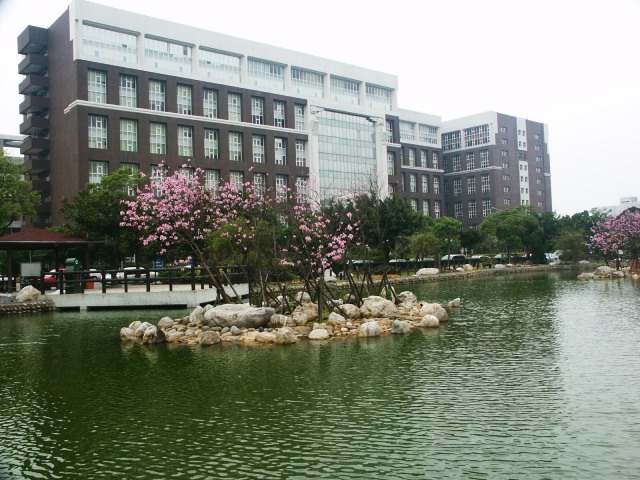 ✦ 94
✦ 94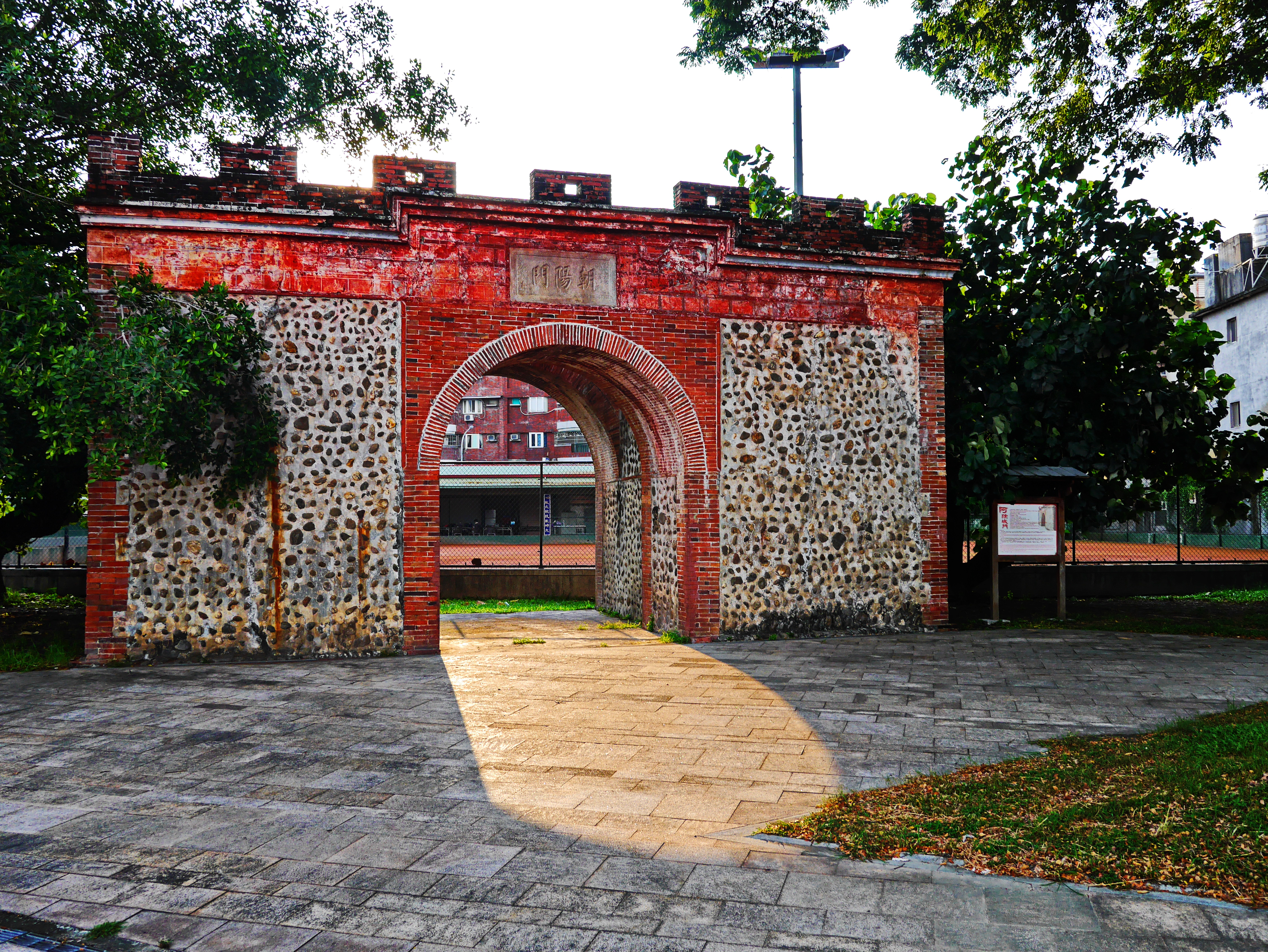 73
73 ✦ 77
✦ 77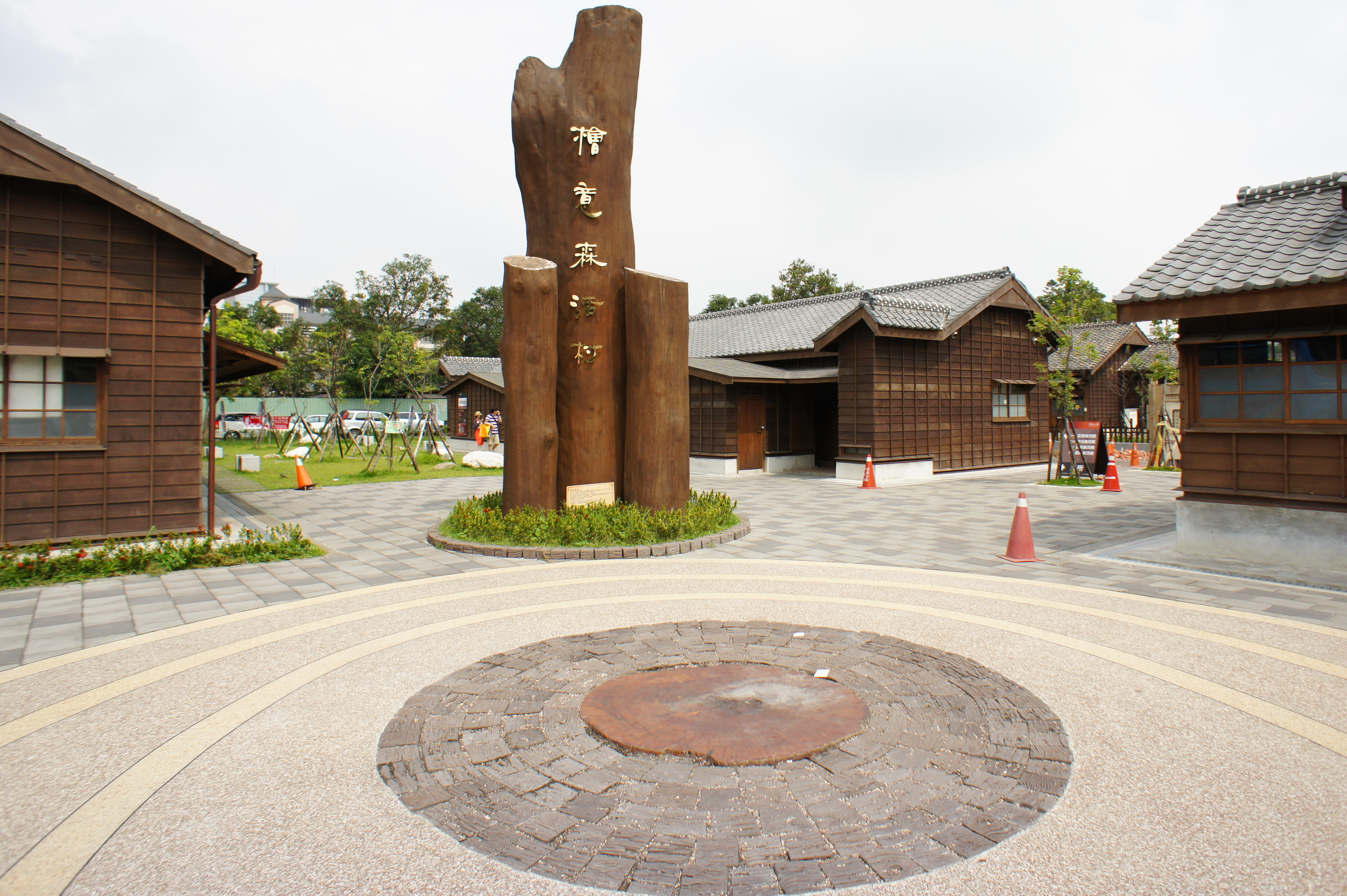 ✦ 76
✦ 76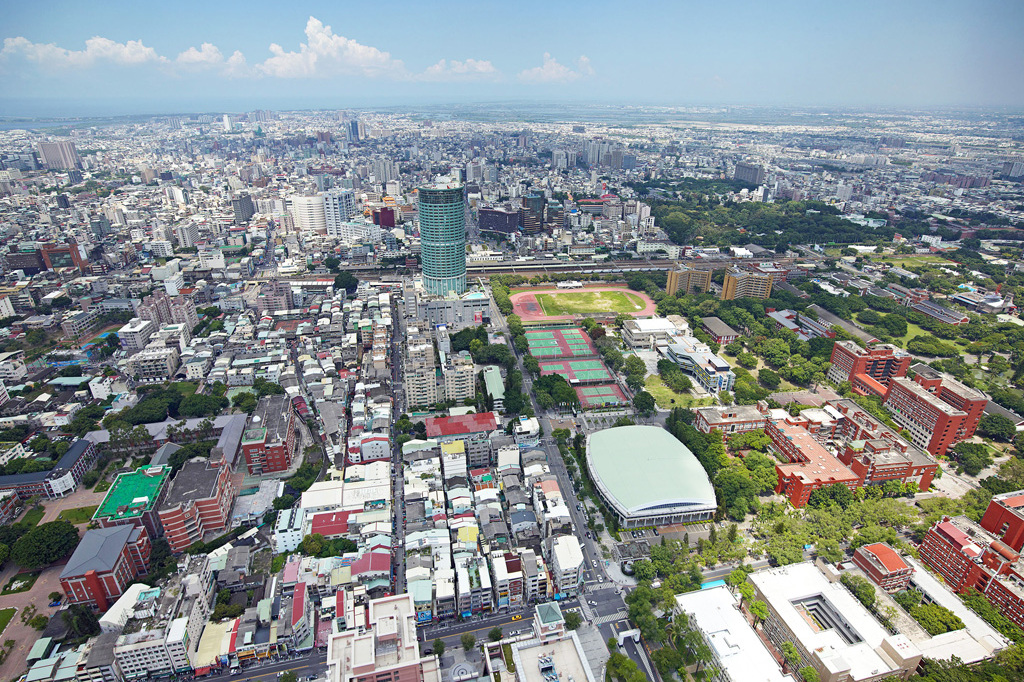 ✦ 80
✦ 80 ✦ 77
✦ 77Getting Your Income Documentation Story Straight
The income threshold for APRC - roughly NT$54,940 per month, or about US$1,800 - is low enough that most working foreign residents in Taiwan will clear it without much effort. The harder part is proving it in the way the NIA expects to see it.
Taiwan's tax system produces specific documents that the NIA recognizes: your annual tax return, withholding certificates from employers, or an income certificate issued by the local tax office. If you've been employed by a Taiwan company and paying taxes through payroll withholding, this is straightforward. If you're a US remote worker paid by a foreign employer, it's more complicated. Taiwan does generally treat income from work performed in Taiwan as Taiwan-sourced - even if your employer is based in the US and pays you in dollars - but how that income appears in the Taiwan tax record depends entirely on whether you've been filing and paying Taiwan income tax all along.
People who have been on Gold Cards and working for foreign companies sometimes assume their US tax filings are sufficient documentation of income. They're not, for NIA purposes. What you need is evidence that Taiwan's tax authorities have a record of your income for the relevant year. If you haven't been filing Taiwan returns, or if your filings don't reflect your actual income, you have a documentation problem that can't be solved quickly. A Taiwan tax accountant who works with foreign professionals is worth talking to at least a year before you plan to apply, not the month before.
The asset alternative - NT$5,000,000 in Taiwan assets, roughly US$160,000 - is an option if income documentation is messy, but it requires those assets to be Taiwan-based, which rules out most foreign brokerage accounts and US retirement funds.
The Housing Requirement and Where People Get It Wrong
Proof of residence in Taiwan is required as part of the APRC application, and this is one of those requirements that sounds simple until you're trying to assemble the documents. The NIA wants to see that you actually live somewhere in Taiwan - not that you have a mailing address or a friend's apartment you occasionally stay in.
The cleanest documentation is a formal lease agreement in your name, combined with utility bills showing that address. If you've been renting informally - which is common in Taiwan, where many landlords prefer not to register leases - you may not have the paper trail the NIA expects. Some applicants have lived in Taiwan for years without a registered lease because their landlord never wanted one formalized, and then find themselves scrambling to backfill documentation they should have been collecting the whole time.
If you're in this situation, the practical answer is to get your current living arrangement properly documented before you apply: a written lease, registered if possible, and at least a few months of utility bills or bank statements showing that address. The NIA also accepts household registration documentation in some cases, though that's more relevant for people with Taiwanese family connections.
What you cannot do is use a short-term rental or serviced apartment as your proof of residence at the time of application if you've been living there for three weeks. The NIA is looking for evidence of stable, ongoing residence in Taiwan - which should be true if you've been here long enough to qualify, but the documentation needs to match the reality.
What Actually Happens After You Land - or After You Apply
There's a gap that catches people off guard, and it's not about the application itself. It's about the period between submitting your APRC application and actually receiving the card - which the NIA processes in roughly two weeks to three months, as of 2026, sometimes longer depending on your case and which service center you're using.
During that window, your existing ARC or Gold Card is still your legal residence document. If your ARC expires while your APRC application is pending, you need to make sure the NIA has noted the pending application and that your status remains valid. This is not automatic, and it's something to ask about explicitly when you submit. People have had situations where their ARC lapsed during processing and they had to sort out their legal status while simultaneously waiting for the APRC review to finish.
The other thing that happens after approval - and that people sometimes don't think about until they're holding the APRC card - is the open work permit. APRC status gives you the right to work for any employer or be self-employed, but for some categories you need to separately apply for the APRC-related open work permit from the Ministry of Labor. It's not a difficult application, but it's a separate step, and if you're planning to start a new job or client relationship immediately after getting your APRC, you need to factor in that additional processing time.
The Long-Term Path: PR to Citizenship in Practice
The APRC is permanent residence, and it's worth being clear about what that does and doesn't mean in terms of the longer arc. It does not lead automatically to citizenship, and for most people, it shouldn't be assumed to be a stepping stone to an ROC passport.
Taiwan naturalization requires renunciation of your original nationality for most applicants. That's not a bureaucratic technicality - it means giving up your US passport, which has real consequences for travel, banking, tax obligations, and everything else that comes with being a US citizen. Some people make that choice deliberately and with full understanding of what it involves. Many more discover this requirement mid-process and realize they were never actually pursuing citizenship, just stable long-term residence.
If citizenship isn't the goal, the APRC is sufficient for most of what people want: the right to live in Taiwan indefinitely, work for whoever they want, access the national health insurance system, and plan their life without visa renewal cycles. The five-year (or now three-year, for qualifying professionals) absence rule is the main thing to manage - if you leave Taiwan for more than five consecutive years without getting NIA permission to maintain your status, the APRC can be revoked. For people who intend to actually live in Taiwan, this is rarely a practical concern.
The language and civics requirements for naturalization are real hurdles too, and basic Chinese proficiency is a genuine bar for many people who have lived in Taiwan for years in English-speaking professional environments. That's worth knowing if citizenship is somewhere in your thinking, even vaguely.
The Gold Card Comparison
The Gold Card is the obvious alternative to consider, and the honest framing is that for most people it's not an alternative to the APRC - it's the path to it. The Gold Card gives you one to three years of combined work permit and residence, open labor market access, and a shorter route to APRC eligibility (three years rather than five). If you qualify for the Gold Card and you're planning to be in Taiwan long-term, it's almost always the right starting point.
Where the comparison gets interesting is for people who are already on an employment ARC and trying to decide whether to switch to a Gold Card before applying for APRC. The answer depends on how your years of residence stack up. If you're three years into a five-year ARC path, switching to a Gold Card doesn't restart your clock - you're not losing credit for prior legal residence. But the Gold Card's qualifying criteria (salary thresholds, professional achievements, or recognition in specific fields) may or may not match your actual situation, and applying for a Gold Card you don't cleanly qualify for just to access the shorter APRC timeline is a strategy that doesn't always work out cleanly.
The Portugal D7 or digital nomad visa comes up in conversations about long-term residence in a developed country with a stable quality of life and eventual permanent residence rights. Portugal offers an EU citizenship path, which is a meaningfully different outcome - but the tax picture is more complex, the income requirements are higher in practice than they appear on paper, and Taiwan's cost of living, healthcare quality, and general livability for working professionals are competitive in ways that don't show up in visa comparison articles. These are different bets on different futures, and the right one depends on where you actually want to live.
Work Permissions
Application Steps
- 1
📋 Confirm eligibility pathway
1 week
- 2
📋 Obtain and maintain Taiwan ARC
3-5 years
- 3
📄 Prepare APRC application documents
2-3 weeks
- 4
📬 Submit at National Immigration Agency
1 day
- 5
⏳ Collect APRC card
2-4 weeks
Frequently Asked Questions
Click any question to expand the answer.
Ready to Apply?
Work with trusted visa specialists who handle the paperwork so you can focus on your move.
Get help with this visa →* We may earn a commission if you apply through our link
At a Glance
Last verified: July 15, 2026