Application Fee
$222
Processing Time
3-9 wks
Difficulty
Moderate
Duration
36 months
Path to Citizenship
6 years
Overview
Serbia has no freelance or digital nomad visa. Remote workers and freelancers register as an entrepreneur (preduzetnik) with the Business Registers Agency and apply for a single permit for temporary residence and work through the Foreign Nationals’ Portal. Applications for this permit are filed online only. The permit runs for up to three years and can be extended for the same period.
The permit rests on a registered business, not on a salary figure. The official document list for self-employment asks for the registration excerpt naming you as founder or owner, proof of the qualifications the activity requires, a tenancy agreement or landlord’s statement, a photo, and a passport valid for at least three months beyond the permit period you request.
The cost of staying registered is the main drawback. An entrepreneur pays 10% income tax plus social contributions of 35.05%, and a US citizen who is self-employed abroad generally owes US self-employment tax as well. In return, three years of continuous temporary residence open the door to a permanent residence application.
Eligibility Requirements
Citizens of visa-free countries, including the United States, can enter for up to 90 days and file the residence application from abroad or after arrival. Nationals who need a Visa D must file during its validity and on the same ground the visa was issued for.
Application Fee
$222
Renewal Cost
$222/yr
Duration
36 months
Max Absence
180 days
Language
No language test is applied to the residence application.
Self-Employed · Business Owner
Requirements Checklist
0 of 7 documents in hand
0%These take the longest, so start them first.
Request these while the slow items are in progress.
You only need these on the day you submit.
Extra requirements for this visa
- Apostille required on official documents
How and where to apply
Online on the Foreign Nationals’ Portal, where single permit filings are electronic only, followed by a biometric appointment at the competent police premises.
Tax Information
How Serbia taxes an entrepreneur
Entrepreneurs pay income tax at 10%. The base is either taxable profit or flat-rate income, depending on the taxpayer’s election and on whether the conditions are met. Contributions come on top: 24% for pension and disability insurance, 10.3% for health insurance and 0.75% for unemployment insurance.
Many freelancers with foreign clients choose the flat-rate regime (paušal). The Tax Administration sets a fixed monthly amount based on the activity code and the municipality, and that amount bundles income tax with contributions. The regime applies only while annual turnover stays under 6,000,000 RSD. Above that, the entrepreneur moves to bookkeeping and taxation of actual profit, and VAT registration applies once turnover passes 8,000,000 RSD within 12 months.
Tax residency and other income
Serbian tax residents are taxed on worldwide income. A person is resident with a permanent residence or centre of vital interests in Serbia, or with 183 days of presence within 12 months. Capital gains are taxed at 15%, with an exemption for assets held more than ten consecutive years. Dividends are also taxed at 15%.
What the IRS still requires
The United States and Serbia have no income tax treaty in force, so treaty relief and a savings clause are not in play. Relief comes from domestic tools only.
The Foreign Earned Income Exclusion removes up to $132,900 of earned income from US income tax for 2026. It covers earnings from your own work and nothing else: dividends, gains, rent and pensions stay taxable. Self-employed filers claim housing costs as a deduction rather than an exclusion. For 2026 the base housing amount is $21,264 and the standard cap is $39,870.
The Foreign Tax Credit offsets Serbian income tax on foreign-source income, but it cannot be applied to income already excluded under the exclusion. Serbian tax at 10% sits below most US marginal rates, so income above the exclusion usually leaves a balance due in the United States.
US self-employment tax of 15.3% is not reduced by the exclusion. The United States has social security totalization agreements with about 30 countries and Serbia is not among them, so Serbian contributions of 35.05% and US self-employment tax can both apply to the same earnings.
An FBAR on FinCEN Form 114 is due once combined foreign account balances exceed $10,000 at any point in the year. A non-willful miss carries a penalty of up to $16,536 per report for 2026. Serbia signed a Model 1 intergovernmental agreement under FATCA on 10 April 2019, so Serbian financial institutions report accounts held by US persons to the Serbian authorities, which pass them to the IRS.
Living in Serbia
COL Index vs NYC
42.6
Monthly Cost (excl. rent)
$712
1BR Rent (City Center)
$514
Safety Index
62.8
Healthcare Index
52.1
Quality of Life Index
124.8
Time Zone
UTC+01:00
Capital
Belgrade
Population
6.9M
Official Languages
Serbian
Avg Internet Speed
110 Mbps
Public Transit Quality
Good
With a budget covering rent and living costs, you'd need roughly $1,226/mo for a comfortable single-person lifestyle in Serbia.See how far your money goes →
🏙️ Best Cities in Serbia for Freelancers
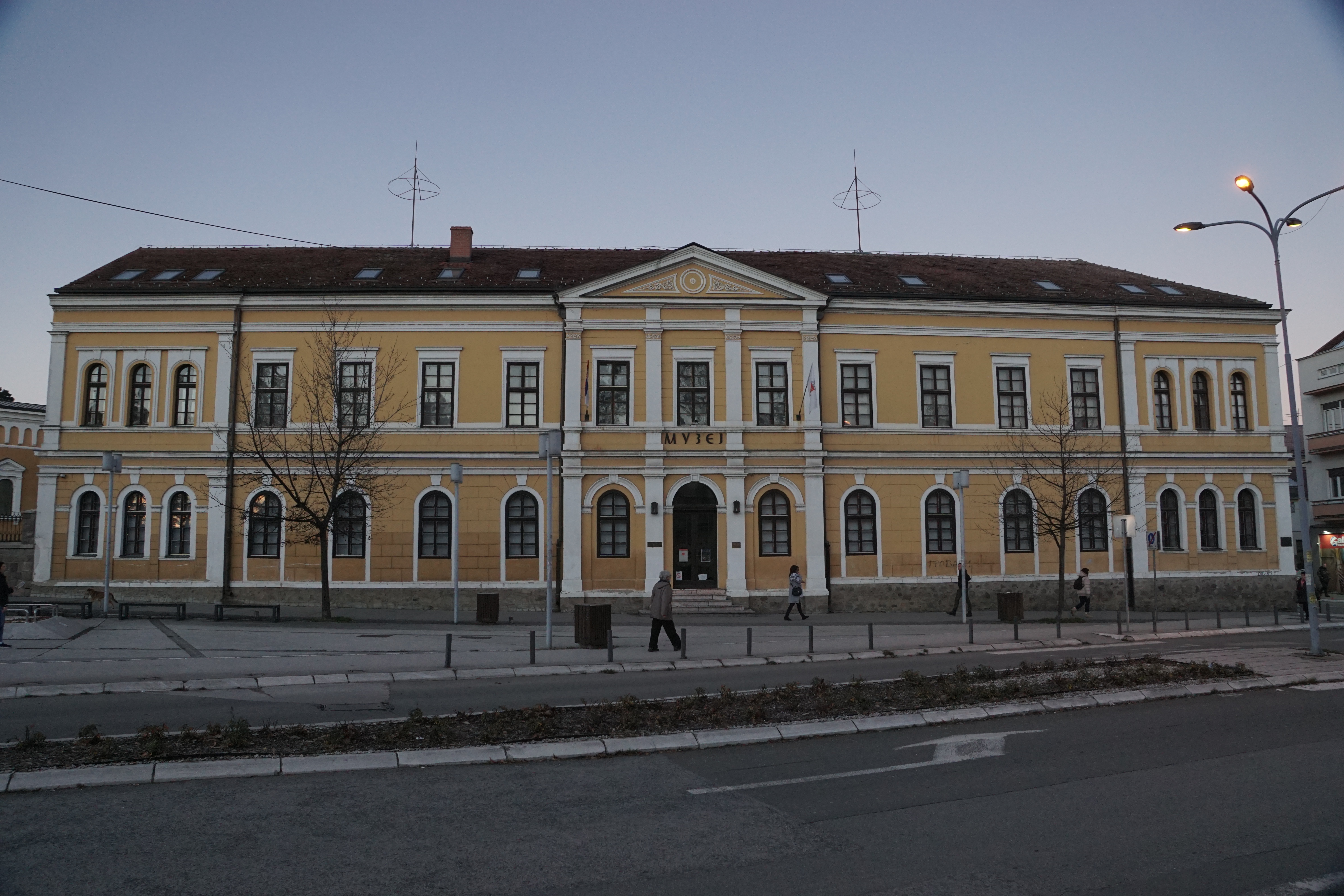 65
65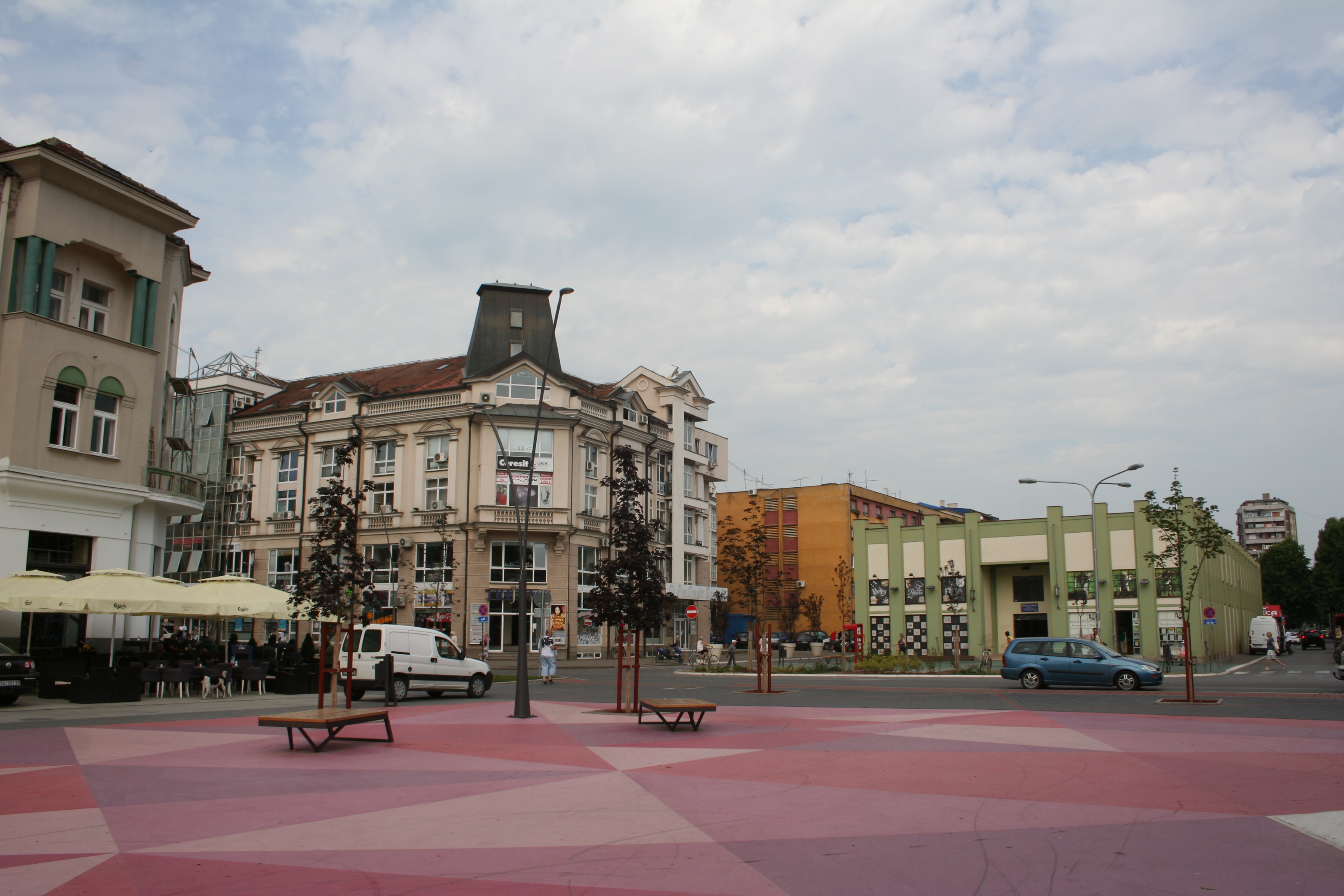 69
69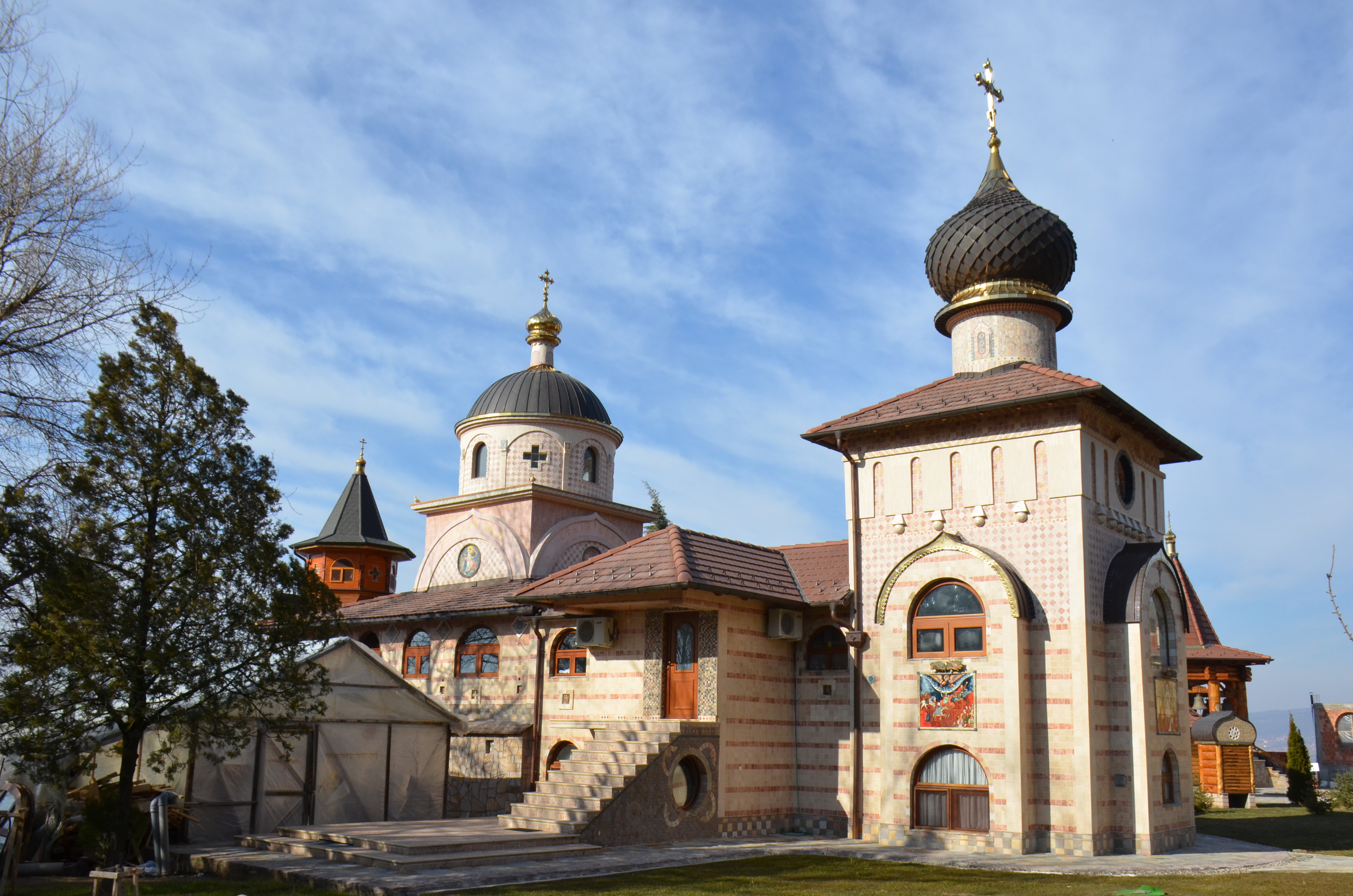 67
67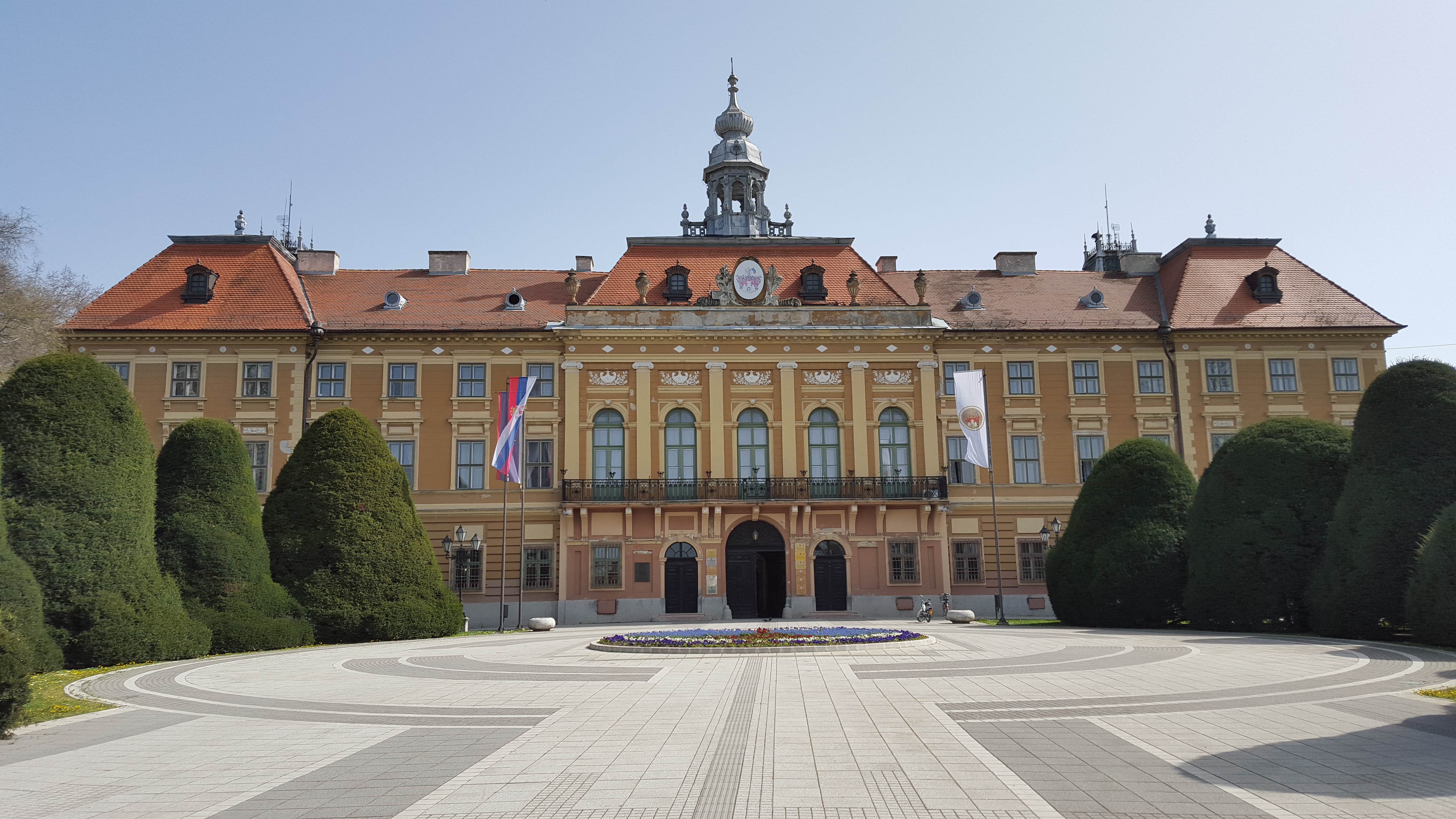 65
65 66
66 67
67Registering the business first
The residence application needs the Business Registers Agency (APR) excerpt that names you as founder or owner of the entrepreneur registration. The authority also asks for a document showing you hold the qualifications required for the registered activity, so a degree, certificate or proof of experience should be ready before registration. Foreign documents need an apostille or diplomatic legalisation and a translation by a court-certified interpreter in Serbia.
Housing and the registered address
Every application includes a tenancy agreement or a statement from the landlord agreeing to your registered address. For filings made from abroad, a signed statement of the intended residential address is accepted without separate certification. After arrival, foreign nationals register their address within 24 hours, and the White Card issued at that point forms part of the file.
Filing, payment and decision
The Foreign Nationals’ Portal is the only filing channel for a single permit. Fees are paid on the portal by card or with a payment order the portal generates, and the application counts as submitted only after payment. When the file qualifies, the portal sends a date and time through eDelivery for biometric data collection at the police premises. The biometric card follows, usually 7 to 10 days after approval.
The statutory review period is up to 15 working days. Cases usually close in 30 to 60 days, and incomplete or wrongly legalised documents extend that.
Extensions
An extension is filed no earlier than three months before the permit expires and no later than its expiry date. A timely filing allows you to stay in Serbia until the procedure ends. The stay must match the purpose for which residence was approved, so the registration needs to stay active and in use. A stay with very little time in Serbia can lead to a refusal.
Permanent residence and citizenship
Permanent residence can be requested after three years of continuous residence on temporary residence or a single permit. The request goes in no earlier than 60 days before the third year is complete and no later than the day the permit expires. Absences of more than six months at once or ten months in total break continuity.
Citizenship by admission requires approved permanent residence first, so the realistic horizon is about six years from the first permit. The official citizenship page asks applicants who hold another citizenship for a release from it, or proof that one will follow on admission. That matters for US citizens who want to keep their passport.
How this route differs from a digital nomad visa
Serbia has no digital nomad visa. Announcements have come and gone without a law, and remote workers use this self-employment ground or company ownership instead. The trade is direct: a registered business brings Serbian tax filings and contributions every year, and in return the time counts toward permanent residence.
Work Permissions
Application Steps
- 1
📋 Register as an entrepreneur with APR
1 to 5 business days
- 2
📄 Prepare apostilled and translated documents
- 3
📋 Arrange the tenancy agreement or landlord statement
- 4
📬 File the single permit application online
- 5
📅 Attend the biometric appointment
- 6
⏳ Wait for the decision
30 to 60 days
- 7
🏛️ Register the address on arrival
24 hours
- 8
🏛️ Collect the biometric card
7 to 10 days after approval
- 9
🏛️ File the extension before expiry
Up to 3 months before expiry
Compare this visa
Curated comparisons that include this route.
Frequently Asked Questions
Click any question to expand the answer.
Ready to Apply?
Work with trusted visa specialists who handle the paperwork so you can focus on your move.
Get help with this visa →* We may earn a commission if you apply through our link
At a Glance
Last verified: October 17, 2026