Philippines Digital Nomad Visa
Philippines · Asia
Data updated Sep 6, 2026
Duration
12 months
Overview
The Philippines Digital Nomad Visa sells itself as a tropical living upgrade - affordable cities, English everywhere, seven thousand islands - and most of that is accurate. What the marketing underplays is the reciprocity requirement: you can only apply if the Philippines maintains a digital nomad visa arrangement with your home country. For most Americans, this won't be a problem, but it's worth confirming before you build a timeline around it, because the implementing regulations were still being finalized as the programme rolled out in mid-2025 and the approved nationality list wasn't fully published at launch. The commitment itself is real but modest: $24,000 per year in provable foreign-sourced income, health insurance, a clean criminal record, and documented proof that your clients or employer are outside the Philippines.
The person who sails through this is a solo freelancer or 1099 contractor with a clean income paper trail - consistent client invoices, a US business bank account, maybe a simple contract on file - who can spend $850-$1,500 a month and wants to seriously reduce their cost of living without landing in a chaotic immigration situation. The person who struggles is anyone whose income is irregular, paid in cash, or routed through platforms that don't generate clean statements. The person in the wrong category entirely is anyone thinking of this as a stepping stone to permanent residency. There is no PR path attached to this visa, and the programme was designed explicitly to keep it that way.
The tax piece catches people off guard and it's worth understanding before you apply. The Philippines taxes on a source basis: if your income comes from outside the Philippines - a US employer, foreign clients, your American brokerage - it's not subject to Philippine income tax, even if you're living there and even if you've been there long enough to trigger resident alien status under their rules. That's a genuinely favorable position. What doesn't change is your US filing obligation. The IRS taxes you on worldwide income regardless of where you moved, and the Philippines' hands-off treatment of your foreign earnings doesn't affect that.
What this visa actually gives you is legal status to spend up to two years in one of the cheapest English-speaking countries in Asia, with multiple-entry privileges, without having to fake tourist status or do visa runs every 30 days. For someone earning in dollars and spending in pesos, the cost-of-living gap is real enough that the monthly savings can exceed what many people pay in rent back home.
Eligibility Requirements
Min Age
18 yrs
Duration
12 months
Remote Work / Freelance
1099 Contractor · Self-Employed · Business Owner
Max 0% from local sources
Requirements Checklist
Valid passport with at least 6 months validity
Proof of sufficient income (bank statements, employment contract)
Health insurance covering the entire stay
Clean criminal background check
Completed application form with all required documents
Proof of accommodation in the country
Tax Information
How the Philippines Taxes You
The Philippines uses a territorial-style approach for Digital Nomad Visa holders: income sourced from outside the country is not subject to Philippine income tax, even if you're physically living there and even if you've crossed the 180-day threshold that technically makes you a "resident alien" under their rules. Because the visa explicitly prohibits working for Philippine employers or clients, your remote salary and freelance income from US or other foreign sources stays outside Philippine tax scope. Income tax brackets exist for resident aliens on Philippine-sourced income, but for DNV holders earning exclusively from abroad, those brackets don't apply. The key condition is documentation - the Bureau of Internal Revenue can ask you to demonstrate that your income is genuinely foreign-sourced, so keeping contracts, invoices, and foreign payment records organized isn't optional.
No Special Regime, But the Default Treatment Is Already Favorable
There is no NHR-style flat-rate program or designated expat tax regime for Digital Nomad Visa holders in the Philippines. The favorable tax position isn't a special program you need to enroll in - it's the default treatment that flows from the visa's income source restrictions. There are no dividend or capital gains rates specific to the DNV that have been published; if you hold Philippine investments or receive income from Philippine sources, standard rates would apply. Most DNV holders don't, so this is a moot point for the typical US remote worker. The Philippine side of the tax equation is, in practical terms, simpler than almost any other country in the region.
The US Layer
The IRS does not care that the Philippines isn't taxing your income. US citizens and green card holders file US returns on worldwide income regardless of residency. For your remote salary or freelance earnings, the Foreign Earned Income Exclusion lets you exclude up to $126,500 for 2024 - verify the current year limit before filing - if you meet the Bona Fide Residence or Physical Presence Test. FEIE covers earned income only. It does not cover dividends, capital gains, rental income from property back home, pension distributions, or Social Security. Because the Philippines isn't taxing your foreign income, there's no Philippine tax paid to use as a Foreign Tax Credit offset against your US liability on that income - you're working with FEIE alone on the earned income side. Once you open a Philippine bank account - and you'll likely need one for day-to-day life - FinCEN 114 (FBAR) is mandatory if your combined foreign account balances exceed $10,000 at any point during the year. Non-willful penalty for missing it is $10,000 per violation per year. The Philippines and the United States do not have a comprehensive income tax treaty in force; any treaty positioning questions for your specific situation need to go to a cross-border CPA.
Getting the First Year Right
The decisions that go wrong most often for DNV holders in the Philippines aren't Philippine tax decisions - they're US ones. Choosing the wrong FEIE election method is the most common. Bona Fide Residence requires a full calendar year of foreign residency before you can claim it, which means if you moved mid-year, you may need to use the Physical Presence Test for year one and elect BFR in subsequent years. Those elections interact with each other and with your FBAR filing in ways that a general CPA who doesn't handle expat returns often misses. The other frequent problem is not filing FBAR for the bank account the visa practically requires you to open. Combined first-year advisory costs for a qualified US expat CPA and a Philippine tax advisor who handles foreign nationals typically run $1,500-$3,000. Given that the Philippine tax side is relatively clean for most DNV holders, most of that cost is buying you correct US elections, clean FBAR compliance, and a documented baseline that stays clean for however long you're there.
Living in Philippines
COL Index vs NYC
28.8
Monthly Cost (excl. rent)
$521
1BR Rent (City Center)
$333
Safety Index
56.9
Healthcare Index
67.3
Quality of Life Index
96.9
Time Zone
UTC+08:00
Capital
Manila
Population
109.6M
Official Languages
English, Filipino
Avg Internet Speed
187 Mbps
Public Transit Quality
Fair
With a budget covering rent and living costs, you'd need roughly $854/mo for a comfortable single-person lifestyle in Philippines.See how far your money goes →
🏙️ Best Cities in Philippines for Digital Nomads
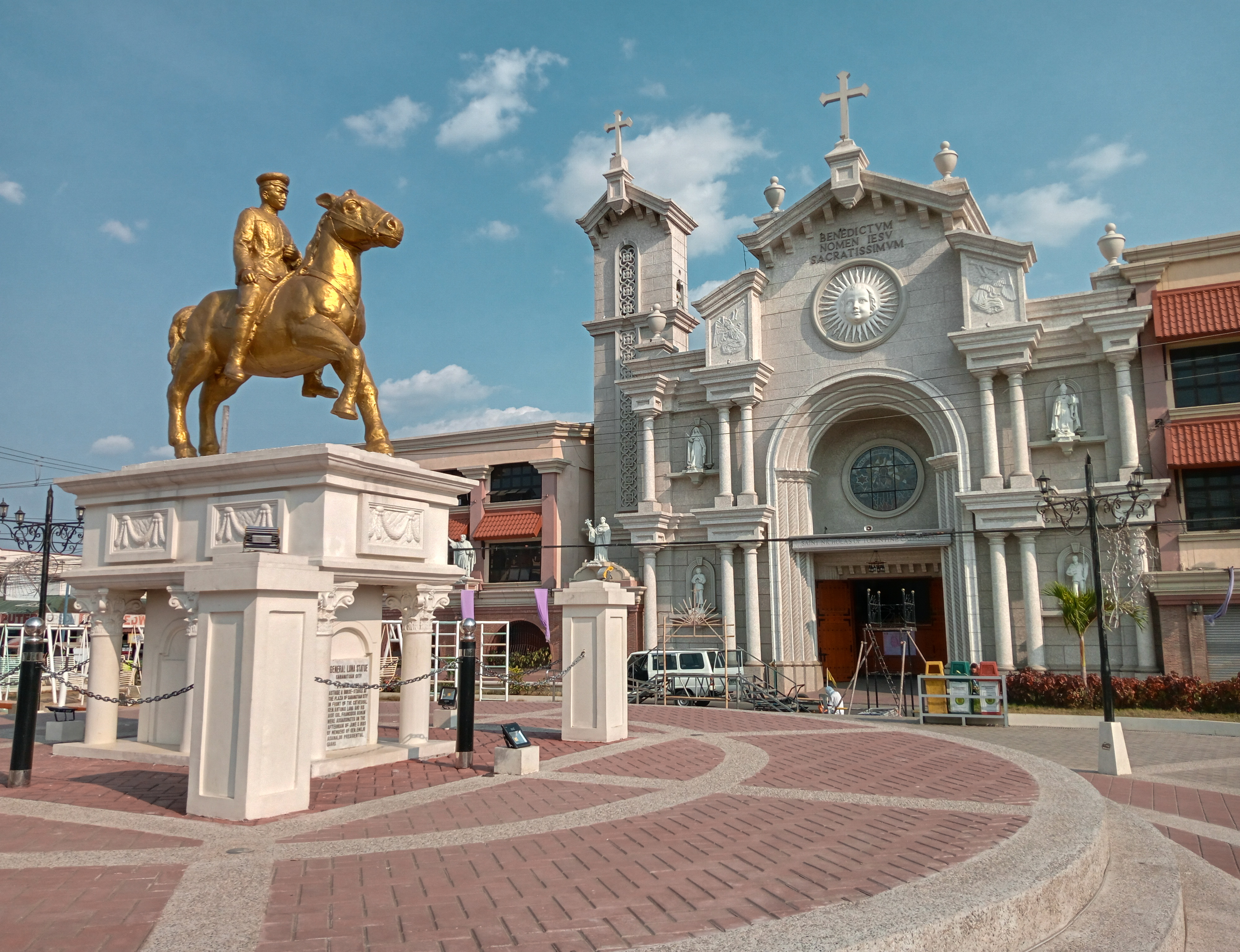 69
69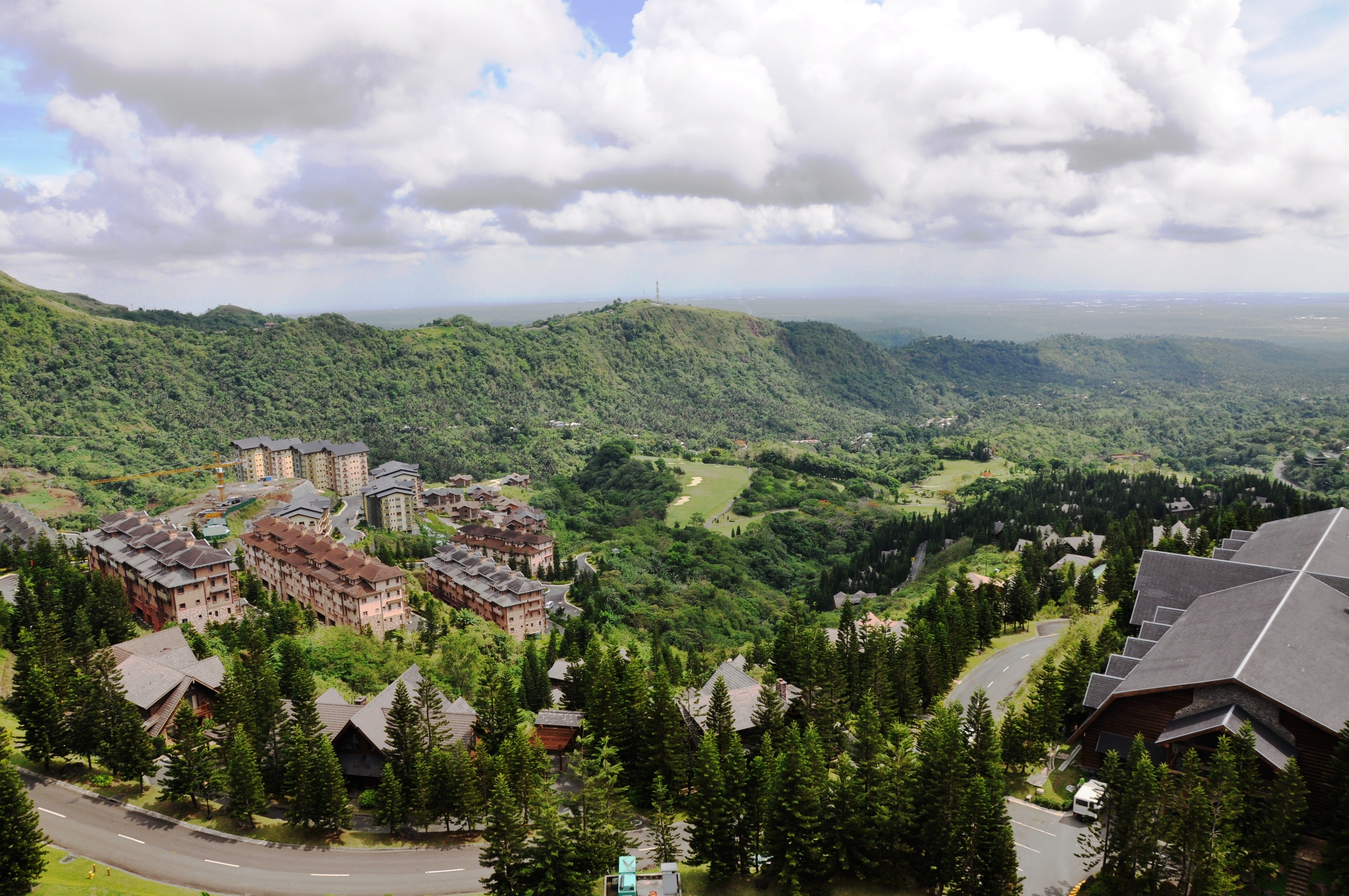 70
70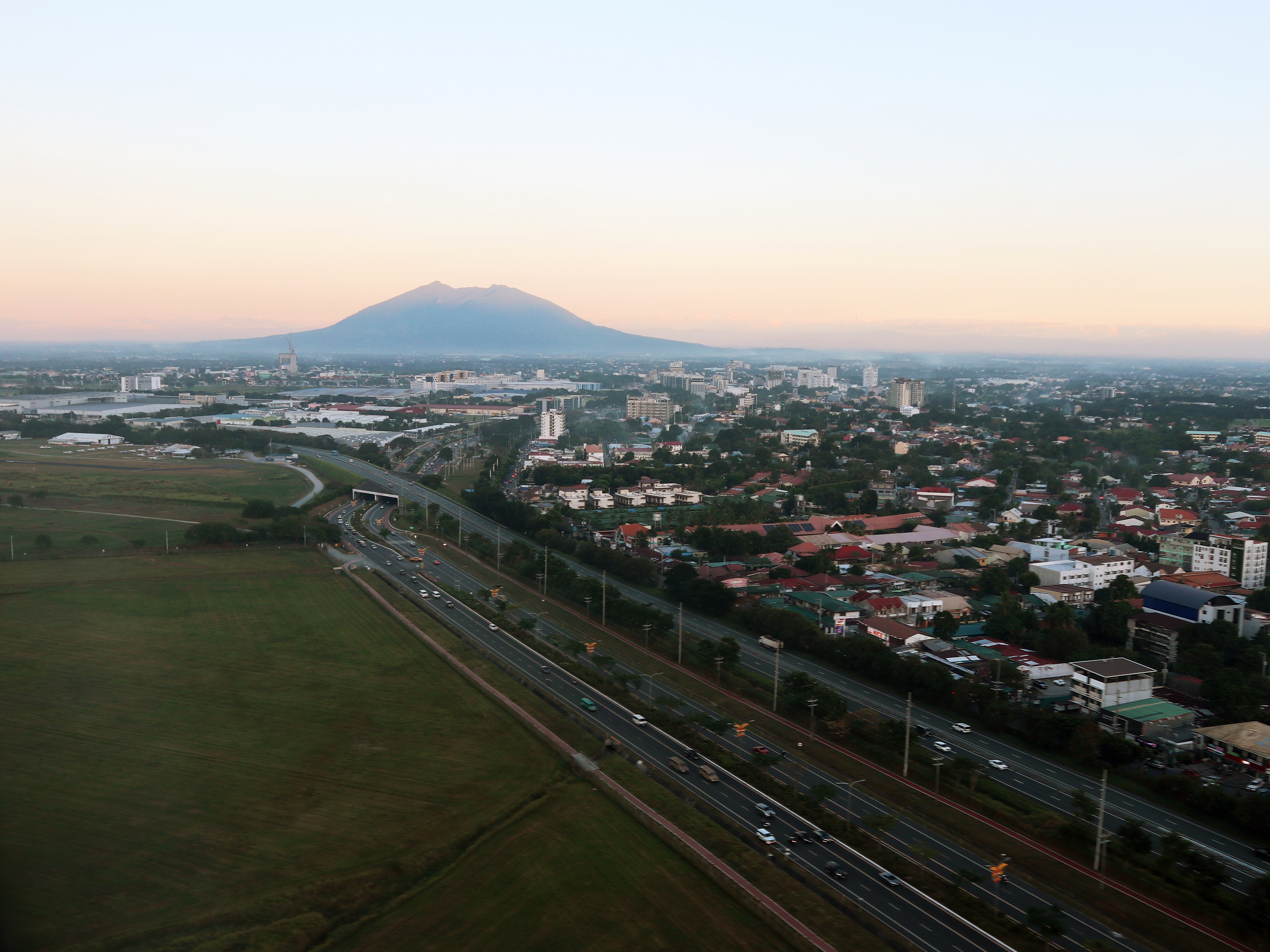 71
71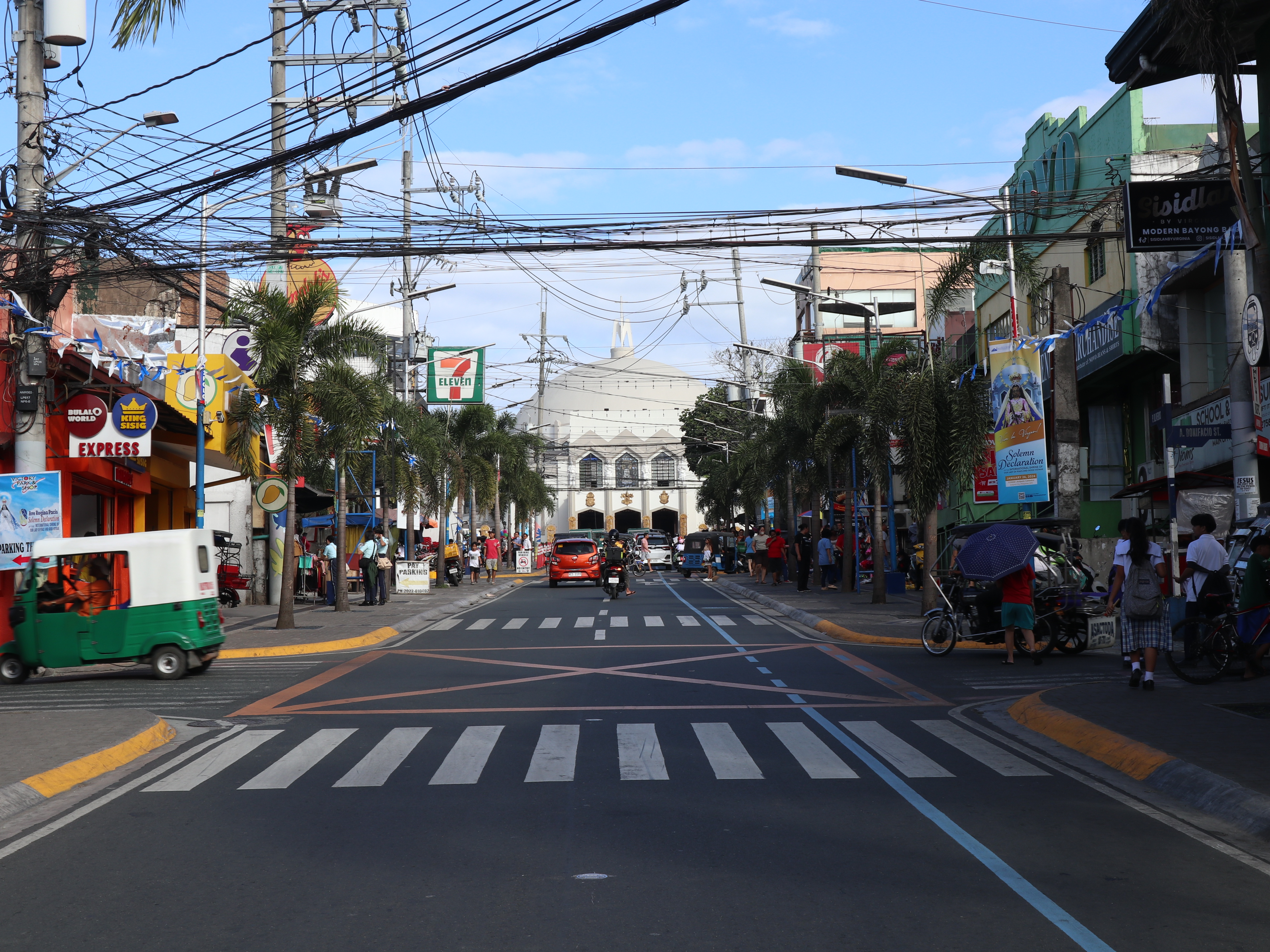 71
71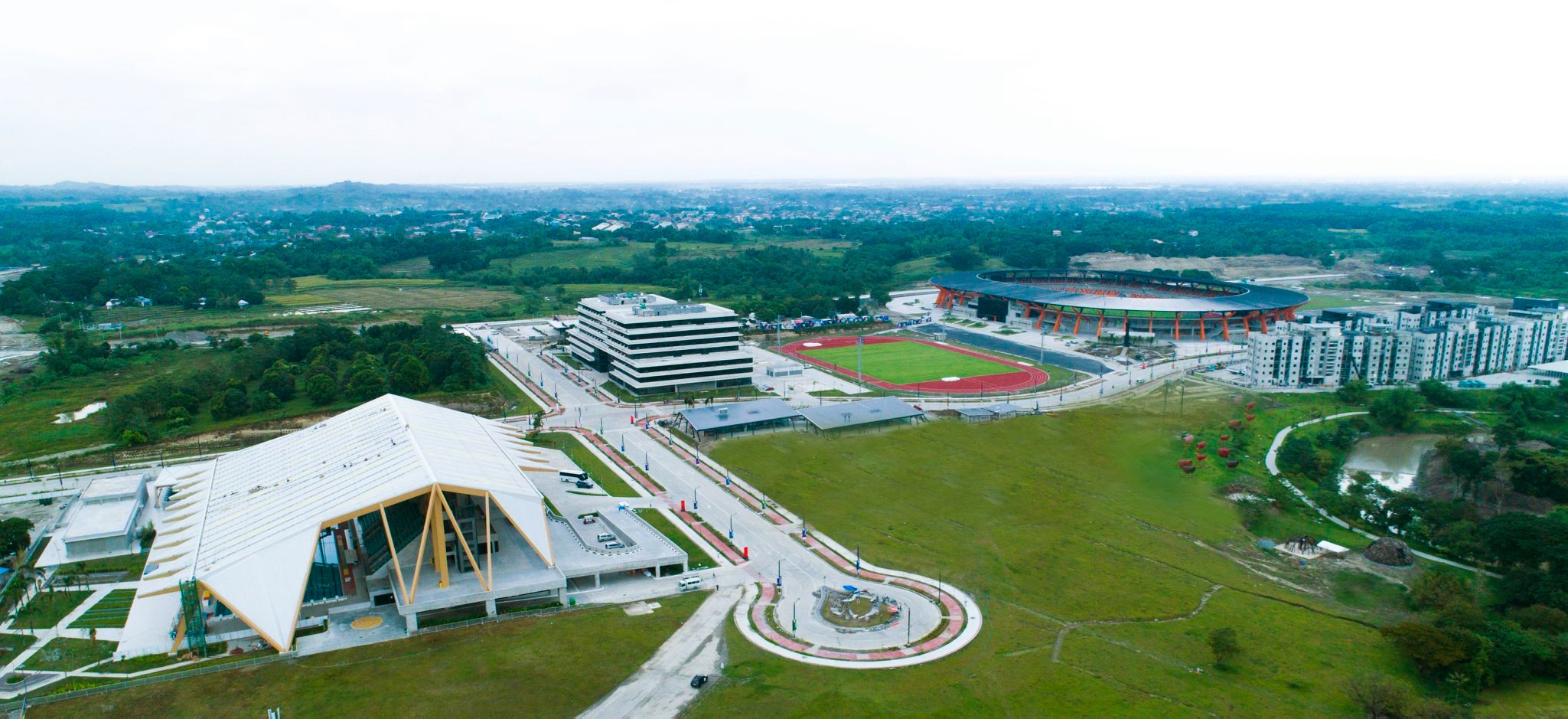 73
73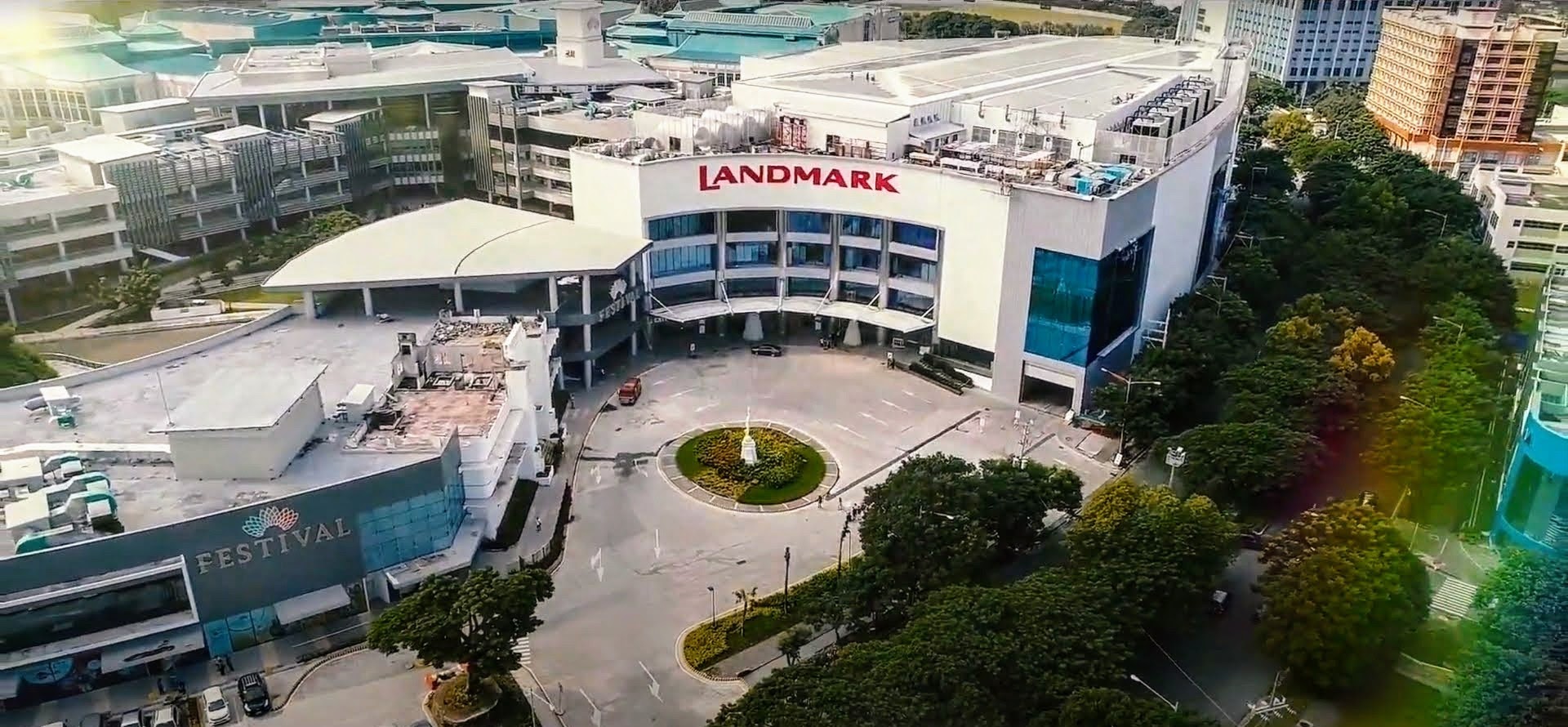 ✦ 79
✦ 79Getting Your Income Documentation in Order
The $24,000 annual income threshold sounds low, and for most people reading this it is. But what catches applicants isn't the number - it's how they prove it. The visa requires documentation showing that your income comes from outside the Philippines, which means you need something more than a bank statement showing deposits. You need evidence of the source: a contract with a US company, invoices sent to foreign clients, a letter from an employer confirming your remote arrangement and their location. If you're a W-2 employee, this is simple. If you're a freelancer paid through Stripe or PayPal with no formal contracts, you may need to put some paperwork together before you're application-ready.
The income documentation also needs to be current. Bank statements showing the past three to six months are typical for visa applications of this type, which means if you had a slow quarter, you're documenting a slow quarter. If your income is lumpy - a few big months, then quieter stretches - it's worth thinking about timing your application to land during or just after a strong earning period. The visa isn't an audit, but reviewers are looking for evidence that you can actually support yourself.
One thing nobody explains clearly: the visa prohibits local income at 0%, meaning not a peso from Philippine sources can count toward your qualifying income. If you have any side projects with Filipino clients, those need to be paused or restructured before you apply, because disclosing them would disqualify you and not disclosing them is a worse problem.
Housing and What Actually Counts as Proof
You'll need to show proof of accommodation as part of the application, and most people interpret this as needing a signed lease in hand before they've even been approved. That creates a practical problem - leases in the Philippines, especially in Manila or Cebu, are often signed in person, in Tagalog, with a local guarantor expected. Trying to arrange one from overseas, before you know whether you're approved, is how people end up overpaying for serviced apartments they don't love.
The workable approach most applicants use is a confirmed booking at a longer-stay serviced apartment or guesthouse for the first 30-60 days, combined with a letter or reservation confirmation. Once you're on the ground, finding a proper apartment is significantly easier. Bonifacio Global City and Makati in Manila, and IT Park in Cebu, are the areas where landlords are accustomed to dealing with foreign renters on short timelines.
After Approval, Before Everything Works
The gap between getting visa approval and having a functioning life in the Philippines is real and slightly annoying. The visa itself doesn't come with a local bank account, a SIM card on a real plan, or any of the other things that make daily life work. Opening a Philippine bank account as a foreign national is possible but requires your visa documentation plus often an initial visit to a branch in person - some banks require two visits. Until that's sorted, you're relying on ATM withdrawals with foreign card fees or international transfers, which adds friction to everything.
The Bureau of Immigration requires you to report regularly as a resident alien once you've been in the country past a certain threshold, and missing those check-ins creates administrative problems that are annoying but fixable. Getting an ACR I-Card (Alien Certificate of Registration) is part of the long-stay process and requires a separate BI appointment. Most people find this out after arriving.
The Path Forward - or the Absence of One
The visa tops out at two years. There is no mechanism within the Digital Nomad Visa programme itself to extend into permanent residency, and the Philippine government designed it that way deliberately. If you want to stay longer than two years, you're looking at a different visa category - the Special Resident Retiree's Visa (SRRV) if you meet the age and deposit requirements, or exploring other immigrant visa routes that come with much higher investment thresholds.
This isn't necessarily a problem. Two years is a long time to test whether the Philippines actually fits your life, and plenty of people use it as exactly that: a defined experiment. But if you're coming in hoping to build a life with a path to permanent status, you're going to hit a ceiling that the application process doesn't advertise clearly.
Philippines vs. Thailand for the Same Person
The obvious comparison is Thailand's Long-Term Resident Visa, which targets a similar profile - foreign remote workers with income over roughly $80,000 a year - and offers a 10-year renewable stay with a faster path through Bangkok's generally more developed expat ecosystem. The income bar is significantly higher than the Philippines DNV, which means the Philippines wins on accessibility, but loses on the length and certainty of the stay.
For someone earning $4,000-$6,000 a month, the Philippines DNV is often the more realistic entry point. The cost of living advantage is sharper too: equivalent comfort in Manila's nicer neighborhoods runs meaningfully cheaper than Bangkok's equivalent. The tradeoffs are infrastructure variability outside the major cities, typhoon season logistics, and the two-year ceiling. Thailand's LTR visa requires more documentation up front and more capital to qualify, but what it gives you in return is a longer runway without having to reconsider your status.
Work Permissions
Application Steps
- 1
📋 Check current programme status
1 week
- 2
📄 Prepare remote income documentation
1-2 weeks
- 3
📬 Apply online or at Bureau of Immigration
1-2 weeks
- 4
🏛️ Receive visa and register ACR I-Card
1-2 weeks
This visa requires proof of health insurance. Compare international plans before you apply.
Compare health insuranceWe may earn a commission at no cost to you.
Ready to Apply?
Work with trusted visa specialists who handle the paperwork so you can focus on your move.
Get help with this visa →* We may earn a commission if you apply through our link
At a Glance
Last verified: May 21, 2026