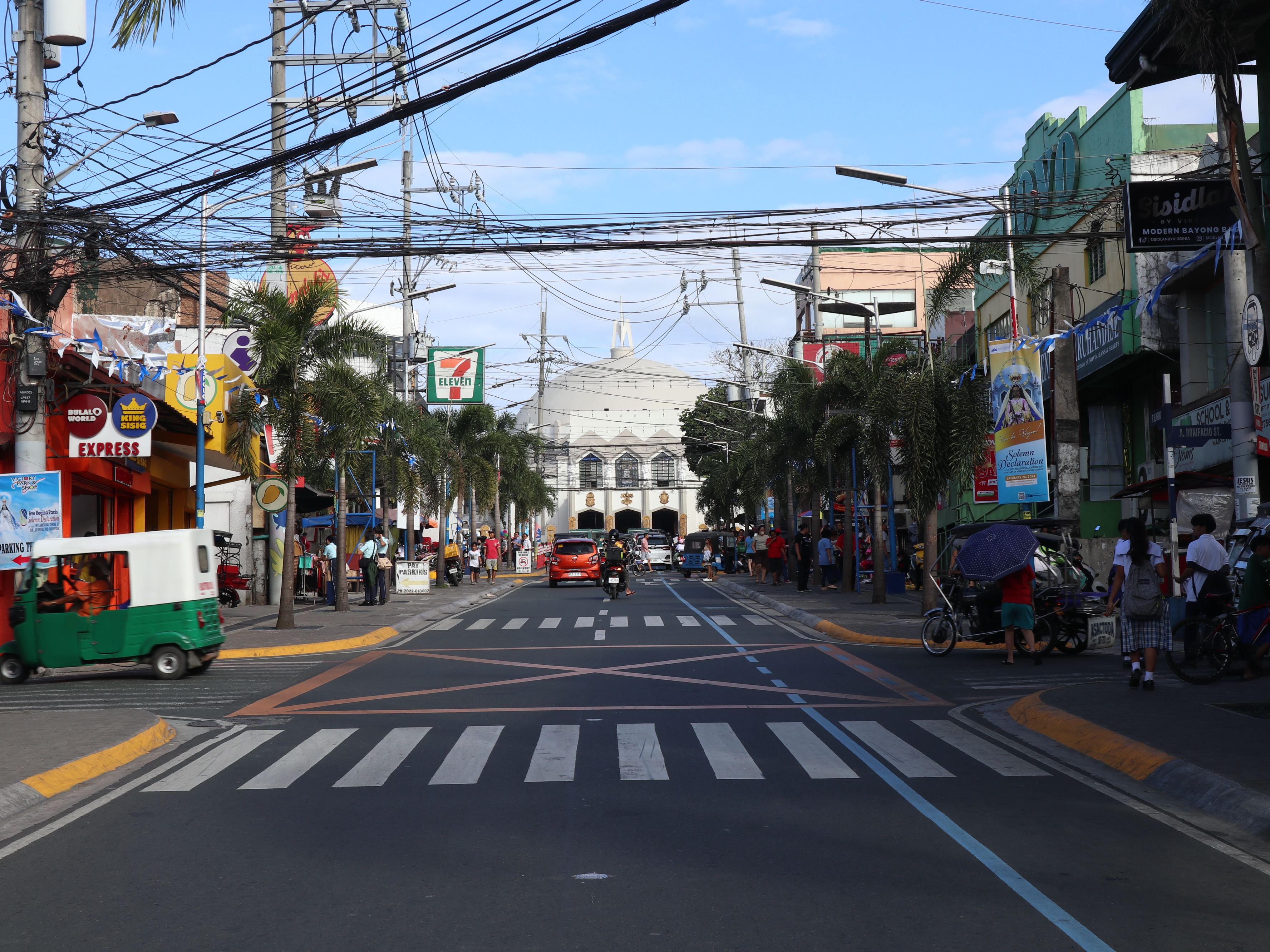
Antipolo sits 156 meters above sea level in the Philippines, just 23 kilometers from Manila's Ninoy Aquino International Airport (MNL). Its tropical monsoon climate is slightly cooler than the capital's, a relief that draws both locals and newcomers. The expat community here is small, and most choose the Town Center Area for its convenience and access to daily life.
Living costs in Antipolo are low by international standards. A single adult on the budget tier spends $333 per month including rent, while the comfortable tier runs $619 per month. Rents are particularly affordable: a one-bedroom in the city center costs $159 per month, dropping to $79 outside it. A three-bedroom in the center is $318 per month, and outside the center it is $238 per month. Utilities run $123 monthly, internet is $23, and a mobile phone plan is $16. An inexpensive restaurant meal costs $6 per person, a three-course meal for two at a mid-range restaurant is $19, and a cappuccino is $2. The average monthly net salary locally is $429, and the cost of living index is 40 out of 100 (New York City = 100).
Safety is a reasonable consideration: the safety index is 60 out of 100, and the crime index is 40 out of 100 (lower is safer). Healthcare quality is rated as good, and English is common in tourist areas, making daily interactions manageable for most English-speaking expats.
For longer stays, the Philippines offers the SRRV Retirement Visa, which requires a minimum monthly income of $1,500, and the SEZ Remote Work Visa (PEZA Zone) for digital nomads. Antipolo suits retirees on a budget, digital nomads seeking low costs and decent internet (average 80 Mbps), and anyone aiming for FIRE (FIRE score: 79/100) who can manage the local wage realities.
Estimate the cost of moving to Antipolo, Philippines
Get a free moving cost estimate for moving to Antipolo, Philippines. Takes 10 seconds.
How much are you shipping?
When are you moving?
Powered by Sirelo. Free quotes from international movers.
🏚️ Cost of Living
💰 Budgets and Costs
$327/mo, one person, rent included
Selected: budget lifestyle
Antipolo at the budget tier comes to about $327 a month for one adult, with $79.00 of that going to rent. Beyond rent the estimate covers $70.00 on groceries, $19.00 on dining out, $26.00 on entertainment and lifestyle and $133 on utilities and connectivity.
Rent
$79.00/mo
1BR outside the centre
Groceries
$70.00/mo
75% of mid-range grocery spend
Dining out
$19.00/mo
4 inexpensive meals
Entertainment & lifestyle
$26.00/mo
1 cinema trip, 8 cappuccinos
Utilities & connectivity
$133/mo
utilities, mobile, internet
Budgets (excl. rent)
Single person$248/mo
Excludes rent. The total above is all-in, rent included.
$440/mo, one person, rent included
Selected: mid-range lifestyle
Antipolo at the mid-range tier comes to about $440 a month for one adult, with $79.00 of that going to rent. Beyond rent the estimate covers $93.00 on groceries, $47.00 on dining out, $88.00 on entertainment and lifestyle and $133 on utilities and connectivity.
Rent
$79.00/mo
1BR outside the centre
Groceries
$93.00/mo
Staples basket scaled to a full month
Dining out
$47.00/mo
10 inexpensive meals
Entertainment & lifestyle
$88.00/mo
gym, 2 cinema trips, 12 cappuccinos
Utilities & connectivity
$133/mo
utilities, mobile, internet
Budgets (excl. rent)
Single person$361/mo
Excludes rent. The total above is all-in, rent included.
$640/mo, one person, rent included
Selected: comfortable lifestyle
Antipolo at the comfortable tier comes to about $640 a month for one adult, with $159 of that going to rent. Beyond rent the estimate covers $131 on groceries, $98.00 on dining out, $119 on entertainment and lifestyle and $133 on utilities and connectivity.
Rent
$159/mo
1BR in the centre
Groceries
$131/mo
140% of mid-range grocery spend
Dining out
$98.00/mo
6 inexpensive meals + 6 mid-range meals
Entertainment & lifestyle
$119/mo
gym, 4 cinema trips, 20 cappuccinos
Utilities & connectivity
$133/mo
utilities, mobile, internet
Budgets (excl. rent)
Single person$481/mo
Excludes rent. The total above is all-in, rent included.
Estimates for one adult, built from this city's average prices and the usage shown for each tier. Your spending will differ with how often you eat out and where you live.
A 1BR in the center runs about $158.85/mo. If your income is in another currency, bank FX fees add up. A multi-currency account can cut that cost.
Antipolo feels moderately safe for expats in daylight, with decent walkability in commercial and residential areas. However, nighttime solo travel isn't recommended—use taxis or ride-sharing apps after dark. The city has a suburban feel with growing infrastructure, but safety varies significantly by neighborhood. Expats generally report feeling secure in established expat zones and near the city center, though petty crime remains a constant concern.
Petty theft, pickpocketing, and bag snatching are the primary risks, especially in crowded markets and public transport. Avoid displaying expensive jewelry, cameras, or large cash amounts. Scams targeting foreigners include overcharging, fake tour operators, and online romance schemes. Solo female travelers should exercise caution in isolated areas and avoid walking alone late at night. Violent crime against expats is rare but does occur; stay aware of your surroundings and trust your instincts.
The Philippines has moderate corruption and police reliability varies—some officers are professional, others may seek bribes. Political stability is generally stable in Antipolo compared to southern regions, though occasional protests occur. The city is reasonably safe for American expats willing to adopt local awareness practices: avoid flashy displays of wealth, use registered transportation, and stay informed through expat networks. It's a viable option for remote workers or retirees seeking affordable living with manageable safety precautions.
Antipolo has a safety index of 43/100. Petty theft and lost belongings are the most common problems for newcomers. Compare travel insurance before you go.
A popular independent coworking space in Antipolo, WorkPlays offers a relaxed and productive atmosphere. It's known for its strong internet, comfortable seating, and community events, making it ideal for digital nomads looking to connect with other professionals.
While not directly in Antipolo, Acceler8 has locations in nearby Metro Manila (Ortigas Center), providing a reliable option with modern facilities. It's a good choice for those who need a more corporate environment and are willing to commute slightly.
Similar to Acceler8, The Office Hub has branches in Metro Manila (e.g., Mandaluyong) accessible from Antipolo. They offer a range of coworking options, from hot desks to private offices, with reliable internet and professional services.
See how Antipolo's digital nomad life compares with Mambajao
🧳 Expat Life
English Proficiency
Common in Tourist Areas
Expat Community
Small
Top Neighborhoods
Town Center Area
Banks Nearby
1261
ATMs Nearby
354
Expat Life Notes
A mountain city east of Manila; attracts few but loyal expats looking for cooler air and a more traditional Filipino setting.
Pros
✓ Cooler mountain climate
✓ Native English widespread
✓ Beautiful views of Manila
Cons
✗ Hilly terrain/Poor walking
✗ Significant traffic congestion
✗ Limited international services
🏘️ Neighborhoods in Antipolo
Areas of Antipolo that expats often consider.
Conditions can change from one block to the next, and these descriptions are general guides, not safety assessments. Before choosing where to stay or live, check current travel advisories, talk to people who live there, and visit in person if you can.
Grand Heights
Upscale residential, panoramic views
Grand Heights is known for its larger homes and stunning views of Metro Manila. It's popular with wealthier families and some expats seeking a quieter, more luxurious lifestyle. While not particularly walkable, it offers a peaceful retreat with easy access to Antipolo's amenities by car or taxi.
Mayamot
Bustling commercial, local flavor
Mayamot is a vibrant and densely populated area with a strong local feel. It's a major transportation hub and commercial center, offering a wide range of affordable goods and services. While not particularly expat-focused, it provides an authentic Filipino experience and is well-connected to other parts of Antipolo and Metro Manila.
Cupang
Residential, suburban, family-friendly
Cupang is a primarily residential area with a mix of housing options, from apartments to houses. It's a good option for families and those seeking a quieter environment than the city center. While some areas are walkable, relying on transportation is generally necessary. It's becoming increasingly popular with expats due to its affordability and proximity to international schools.
San Roque
Historic, cultural, religious center
San Roque is the heart of old Antipolo, home to the Antipolo Cathedral and a vibrant local market. It's a bustling area, especially during religious festivals and holidays. While not specifically geared towards expats, it offers a rich cultural experience and is relatively walkable, though traffic can be heavy.
Sta. Cruz
Mixed residential, commercial, accessible
Sta. Cruz offers a mix of residential and commercial establishments, making it a convenient place to live. It's well-connected to other parts of Antipolo and Metro Manila via public transportation. While not as upscale as Grand Heights, it provides a good balance of affordability and accessibility, attracting a diverse population including some expats.
Beverly Hills Subdivision
Quiet, secure, residential enclave
Beverly Hills Subdivision is a gated community offering a secure and peaceful living environment. It's popular with families and retirees seeking a more exclusive lifestyle. While amenities are limited within the subdivision itself, it's a short drive to shopping centers and restaurants. Expect higher rental costs compared to other areas.
Page 1 of 2
Could living/working in Antipolo cut years off your work life?
With a 1-bedroom in the center at $159/mo, your FIRE number here might be much lower than you think.
At the mid-range tier, one adult needs about $440 a month in Antipolo, rent included, with $79.00 of that going to rent. That leaves roughly $361 for everything except housing.
In Antipolo, a one-bedroom runs $159 in the center and $79.43 outside it and three bedrooms come to $318 in the center and $238 outside it, per month.
Average monthly net salary in Antipolo is $429. That is 97% of the $440 mid-range monthly budget.
Antipolo scores 43 on the safety index (higher is safer) and a crime index of 57 (lower is safer).
Average internet speed in Antipolo is 80 Mbps. A home connection costs about $23/mo.
In Antipolo, summer averages 31°C, winter averages 21°C and annual rainfall is 2213 mm.
Realistically 60–90 minutes each way on a typical day, and longer during rush hour. You'll take a jeepney or tricycle to LRT Line 2's Santolan station, then the train into the city. The road portion is the bottleneck — traffic on Marcos Highway can be brutal in the morning.
It can work if you're disciplined about your setup. Fiber internet is available in most subdivisions. Coworking spaces are sparse compared to Manila or Cebu, so you'll likely work from home or a cafe. The tradeoff is lower rent and cooler weather versus limited networking, few international restaurants, and a small expat scene.
Rental costs vary greatly. You can find basic apartments for around ₱8,000-₱15,000 per month. Expect to pay ₱20,000+ for a modern condo in a gated community with amenities like a pool and gym, especially in areas like Grand Heights or near Robinsons Place Antipolo.
As a US citizen, you can initially enter the Philippines visa-free for 30 days. For longer stays, explore options like the Special Resident Retiree's Visa (SRRV) if you're over 50 and have a pension or savings, or look into employment-based visas if you plan to work for a local company. Consult with a Philippine immigration lawyer for the most up-to-date requirements.
Antipolo has several hospitals, including Antipolo Doctors Hospital and The Medical City Antipolo. While not all doctors are fluent, many have a good command of English, especially those trained in larger cities. Private healthcare is generally better than public, so consider getting health insurance.
Antipolo is generally safe, but like any city, petty crime exists. Be cautious in crowded public markets and jeepney terminals, especially at night. Ask locals for advice on specific areas to avoid, as conditions can change.
English is widely spoken in the Philippines, and Antipolo is no exception. You'll find that most people, especially in businesses and tourist areas, can communicate effectively in English. Learning some basic Tagalog phrases will still be appreciated and enhance your experience.
Major Philippine banks like BDO and Metrobank have branches in Antipolo. Opening an account is relatively straightforward with the right documents. For international transfers, services like Wise (formerly TransferWise) and Remitly are often more cost-effective than traditional bank transfers. ATM fees can vary, so check with your bank.
Internet speeds in Antipolo can be variable. Fiber optic connections are available in some areas, offering speeds suitable for video conferencing and other remote work tasks. Check with your internet provider about coverage in your specific neighborhood. Mobile data can be a backup option.
Antipolo's expat community is smaller than in Manila or other major tourist destinations. However, you can connect with expats through online forums and social media groups focused on the Philippines. Manila's larger expat scene is also easily accessible.
Antipolo has a tropical climate with distinct wet and dry seasons. Expect hot and humid weather year-round, with the rainy season typically running from June to November. Typhoons are possible, so be prepared for occasional heavy rains and strong winds.
Public transportation in Antipolo relies heavily on jeepneys, tricycles, and buses. While affordable, it can be crowded and confusing for newcomers. Ride-hailing apps like Grab are also available. Consider learning the local routes or renting a scooter for more flexibility.
Eating out in Antipolo is very affordable. You can find delicious local meals at carinderias (small eateries) for under ₱150. Mid-range restaurants will cost around ₱300-₱600 per person, while upscale dining can be ₱1000 or more.
Yes, retiring early in Antipolo on $2,000 USD per month is very feasible, especially if you embrace a local lifestyle. You can comfortably cover rent, food, transportation, and healthcare. It's wise to have a buffer for unexpected expenses and to research healthcare options thoroughly.
As a US citizen, you're still required to file US taxes even when living abroad. The Foreign Earned Income Exclusion (FEIE) can help you exclude a certain amount of your foreign-earned income from US taxes. You may also need to report foreign bank accounts (FBAR). Consult with a tax professional specializing in expat taxes.
The quality of life in Antipolo is generally good, especially if you appreciate a slower pace and friendly locals. While there can be cultural differences to adjust to, the widespread use of English makes daily life relatively easy. Embrace the local culture and be patient with occasional inconveniences.
Cost-of-living and visa updates for Antipolo and the rest of Philippines. Free with RA Postcards.
By submitting your email address, you will receive a free subscription to RA Postcards and special offers from Rewire Abroad and our affiliates. You can unsubscribe at any time, and we encourage you to read more about our Privacy Policy.