Paraguay Pensionado Visa
Paraguay · Latin America
Data updated Sep 18, 2026
Min Monthly Income
$1,500
Application Fee
$370
Processing Time
9 wks–26 wks
Difficulty
Easy
Duration
6 months
Path to Citizenship
3 years
Overview
Qualification for Paraguay's Pensionado residency hinges on a single financial metric - roughly $1,500 per month in passive income as of 2026 - but the commitment you're actually making is more specific than that number suggests. This is not a visa for remote workers who want a base while they build something. It is a residency route designed for people who already have recurring income they didn't have to show up anywhere to earn: pensions, annuities, retirement distributions. If your income comes from clients, contracts, or a W-2, you are technically in the wrong category, and the application process will make that clear before the consulate does.
The profile that moves through this cleanly is a retiree or semi-retired person with documented pension or Social Security income above the threshold, clean records, and the patience to manage a paper-heavy process in a country where official timelines are optimistic. Freelancers with irregular income or anyone whose "passive income" requires creative categorization will have a harder time. The profile that is in the wrong category entirely is someone who wants to work locally, either for a Paraguayan employer or by building a business with Paraguayan clients - this visa does not accommodate that, and the territorial tax system will eventually surface the problem.
The thing most people don't fully work out before they apply is what Paraguay's territorial tax system actually means for them. Foreign-source income - a US pension, dividends from a US brokerage, a salary from a foreign employer - generally falls outside Paraguay's tax base. But income tied to work physically performed in Paraguay, Paraguayan clients, or local property is in scope. For a retiree living on Social Security and investment income, the exposure is minimal. For a remote worker who happens to also have Paraguayan clients or rental income, the picture gets more complicated faster than most people expect. And the US has no comprehensive tax treaty with Paraguay, so you are managing both systems independently.
What Paraguay offers that most retirement residency routes don't is a combination of low cost of living, a modest income threshold, and a presence requirement that is among the least demanding in the region - one visit every three years to maintain permanent residency. For someone who wants a real residency anchor in South America without being locked into a specific country for most of the year, that combination is hard to find elsewhere.
Eligibility Requirements
Min Income
$1,500
Min Savings
$200,000
Application Fee
$370
Duration
6 months
Physical Presence
180 days/yr
Max Absence
1095 days
Pension / Social Security · Passive / Investment Income
Requirements Checklist
Valid passport with at least 6 months validity
Proof of sufficient income (bank statements, employment contract)
Health insurance covering the entire stay
Clean criminal background check
Completed application form with all required documents
Proof of accommodation in the country
Apostille required on official documents
FBI background check required (allow 3–4 months)
Tax Information
Paraguay Taxes Only What Happens Here
Paraguay runs a territorial tax system, which for most US remote workers is about as favorable a local tax position as you can find. Only income sourced inside Paraguay falls within scope - your US employer's paycheck, foreign dividends, gains from a US brokerage account, rental income from a property back home - none of that creates a Paraguayan tax obligation. The country simply doesn't claim it.
Tax residency triggers at 180 days in a calendar year, or by establishing your center of vital interests in Paraguay - meaning your family, your home, your economic life are clearly anchored there. Once you cross that threshold, you're a Paraguayan tax resident, but the territorial basis still applies. Residency changes your administrative status, not the fundamental scope of what's taxable.
What does fall in scope: income from work physically performed in Paraguay for Paraguayan clients, local rental income, and business activity conducted inside the country. If you're a freelancer whose work is entirely for foreign clients and performed under a foreign contract, the sourcing question generally favors you - but "generally" is doing real work in that sentence, and the specifics of how and where your services are delivered matter. Paraguay's personal income tax on in-scope income runs at 8% to 10% depending on income level, as of 2026,, with separate social contribution rules for payroll situations. Dividend and capital gains rates from local sources run 8% for residents and 15% for non-residents on dividends, and 8% to 10% on capital gains under IRP, as of 2026.
No Special Expat Regime
Paraguay doesn't have a formal expat tax program - no remittance-basis election, no lump-sum non-dom arrangement, no parallel track for foreign residents. The territorial system itself is the advantage. There's no registration window to hit, no application to file for preferential status. What you see is what you get, and for most remote workers earning entirely from foreign sources, what you get is effectively zero local tax exposure on that income.
The US Layer - FEIE, FTC, and FBAR
The IRS has no interest in where you relocated. US citizens and green card holders file US returns regardless of where they live, regardless of whether Paraguay taxes their income at all.
The Foreign Earned Income Exclusion can shelter qualifying foreign-earned income - remote salary, freelance payments - up to $132,900 for 2026. That's the ceiling for earned income only. Dividends, capital gains, rental income from US property, pension distributions, Social Security - none of it qualifies. The FEIE requires either the Physical Presence Test or the Bona Fide Residence Test, and the election method you choose in year one has consequences that extend forward, so the choice isn't arbitrary.
The Foreign Tax Credit is the other tool, and in Paraguay's case it has a specific limitation worth understanding: because foreign-source income generally falls outside Paraguay's territorial tax base, you may not be generating Paraguayan tax on the same income the US wants to tax. That means fewer credits available to offset US liability. The FTC works best when both countries are taxing the same income - and Paraguay's territorial system often means that situation doesn't arise for remote workers. For income that is locally sourced and does generate Paraguayan tax, FTC can apply and offset US liability on that income.
The US and Paraguay do not have a comprehensive income tax treaty in force. Standard analysis applies, with no treaty provisions to modify it.
On FBAR: most visa pathways into Paraguay often lead people to open a local bank account, and once combined foreign account balances exceed $10,000 at any point during the year, FinCEN 114 is mandatory. The non-willful penalty for failing to file is $10,000 per violation, adjusted to approximately $16,700 per violation as of 2026. The account the visa process requires you to open is the account that creates the filing obligation.
Getting Year One Right
The mistakes that cost people real money in year one are usually not complicated in hindsight. Choosing the wrong FEIE election method - Physical Presence versus Bona Fide Residence - can affect multiple future years, not just the first. Failing to file FBAR for a local account that the visa itself required you to open is a penalty that arrives later and feels completely avoidable in retrospect. And while Paraguay doesn't have a special regime registration window to miss, the sourcing analysis for freelance income - whether your work is considered Paraguayan-source or foreign-source - is worth getting documented early rather than reconstructed during an audit.
A US expat CPA who handles territorial-system countries, combined with a Paraguayan tax advisor for local sourcing questions, typically runs $1,500-$3,000 for year one. What that buys is correct FEIE or FTC elections from the start, a clean FBAR filing, and a sourcing analysis on your specific income that doesn't rely on the general rule holding in your specific situation.
Paraguay's territorial system is one of the more straightforward local tax positions available to US remote workers. Year one handled correctly means the years that follow don't require rebuilding anything.
Living in Paraguay
COL Index vs NYC
33.1
Monthly Cost (excl. rent)
$546
1BR Rent (City Center)
$453
Safety Index
48.2
Healthcare Index
73.8
Quality of Life Index
105.3
Time Zone
UTC-04:00
Capital
Asunción
Population
7.1M
Official Languages
Guaraní, Spanish
Avg Internet Speed
178 Mbps
Public Transit Quality
Fair
With a budget covering rent and living costs, you'd need roughly $999/mo for a comfortable single-person lifestyle in Paraguay.See how far your money goes →
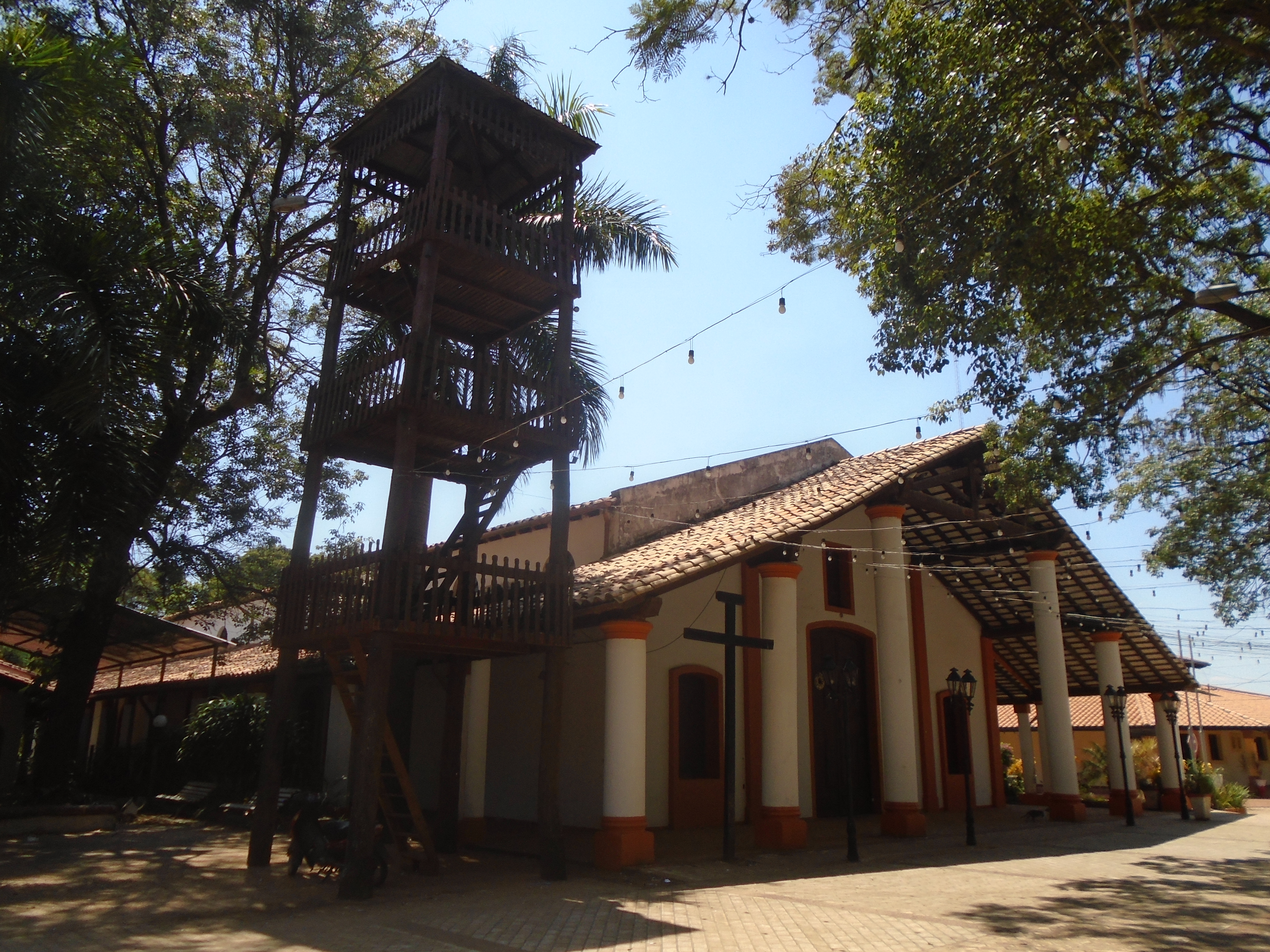
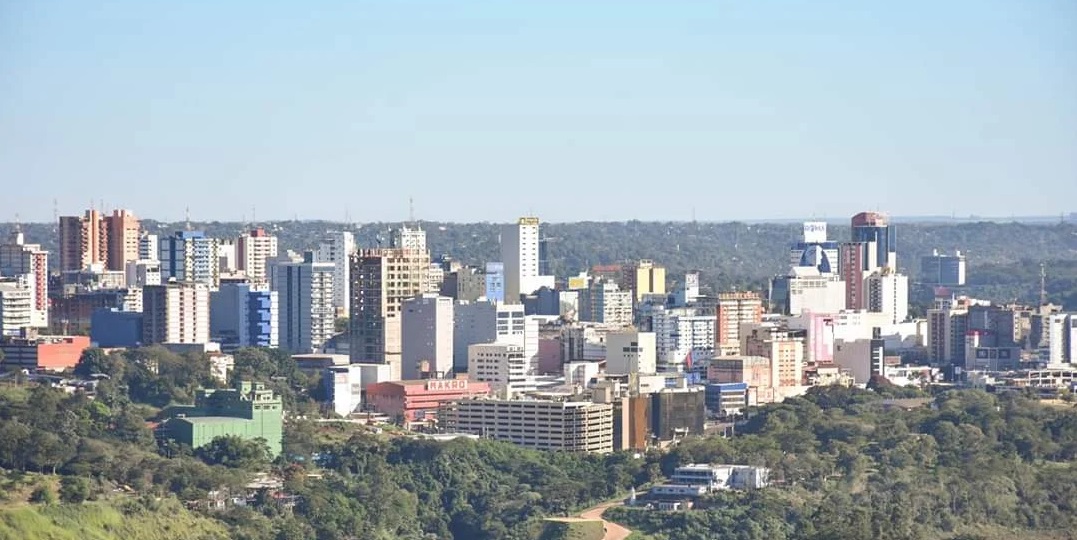
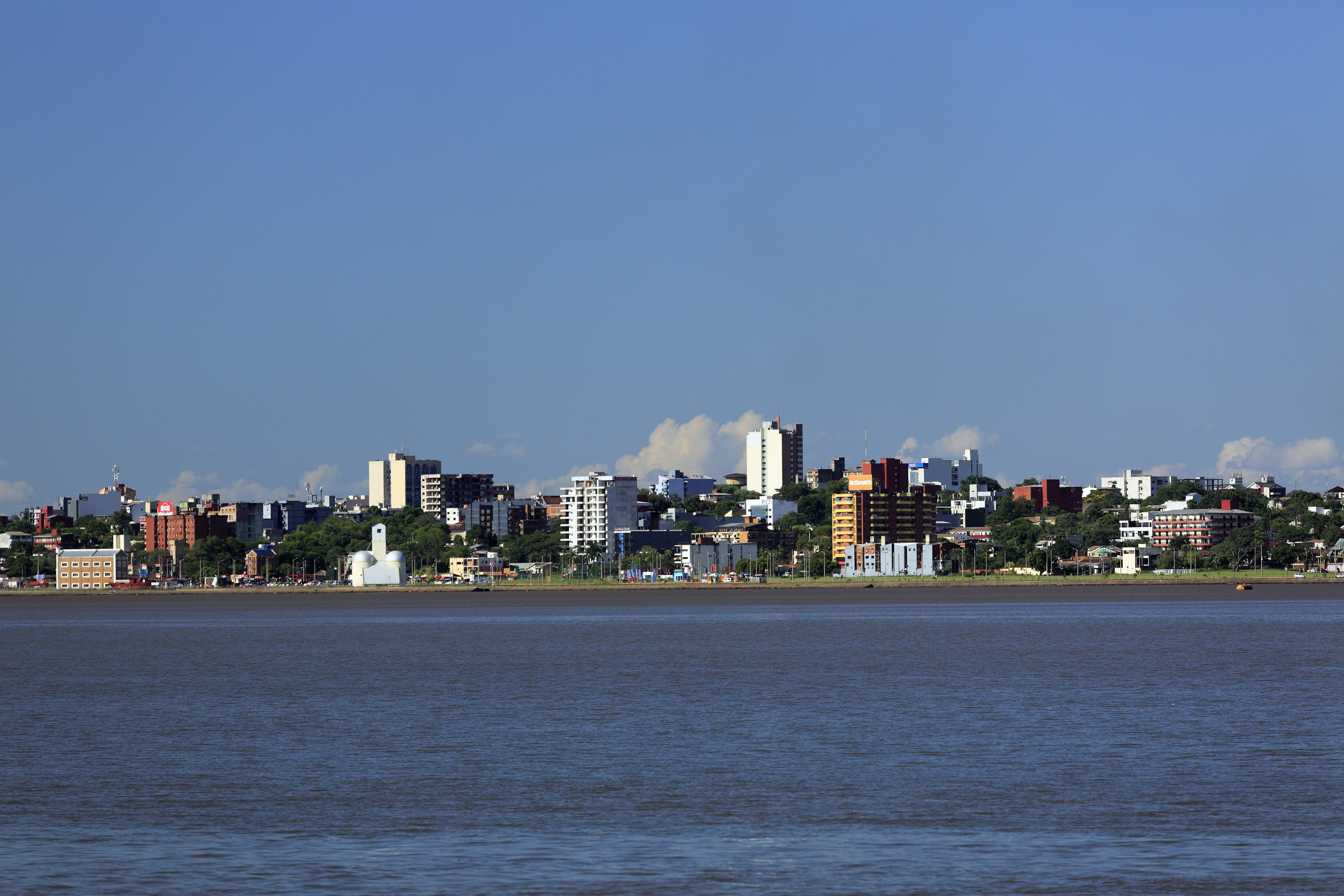
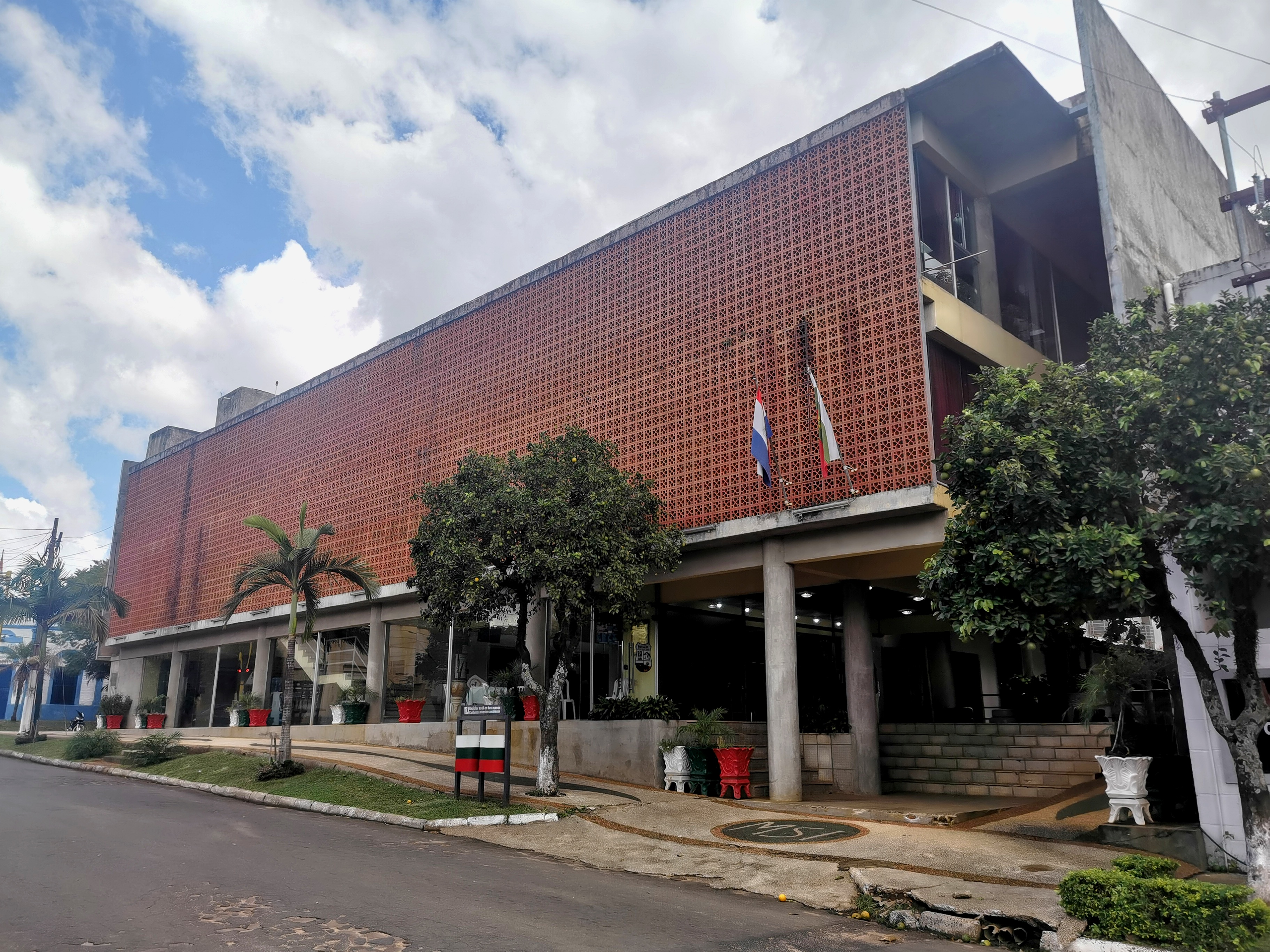
🏙️ Best Cities in Paraguay for Retirees


Getting Your Income Documentation Story Straight
The income threshold for this visa is relatively straightforward on paper - around $1,500 per month in passive income as of 2026 - but the documentation behind it is where applications get complicated. Paraguayan immigration wants to see that this income is stable, recurring, and not dependent on your continued employment somewhere. A pension statement or Social Security award letter is clean. A brokerage account that throws off dividends is workable. A mix of freelance invoices and occasional investment withdrawals is not going to tell the story you need it to tell.
The practical issue is that most Americans in the $4,000-$10,000/month range have income that is technically passive but documented in ways that don't translate cleanly to a foreign consulate. Rental income from US property is passive in the IRS sense but requires lease agreements, bank statements showing consistent deposits, and sometimes property records to establish that the income is real and ongoing. Dividend income needs to show a pattern, not a one-time distribution. If your income comes from multiple sources, the documentation package grows quickly, and each piece needs apostilles, translations, and often notarization before it's usable.
What trips people up most is assuming that showing the dollar amount is enough. Immigration officials are reading a story about your financial life, and that story needs to be coherent. If your bank statements show irregular deposits and your income letter shows a different number than what's hitting your account, someone is going to ask questions. Getting a local immigration attorney to review your documentation before you file is not optional - it is the difference between a clean submission and a request for additional documents that adds weeks to an already slow process.
The Housing Requirement and What People Get Wrong
Paraguay does not require you to own property to obtain Pensionado residency, but you do need a local address for the application and registration process. This is where people who arrive without a plan run into friction. Showing up with a hotel booking is not the same as having an address for official correspondence, and the distinction matters when you are filing documents with immigration authorities.
The practical approach is to rent something short-term before you arrive, or to arrange accommodation through someone you trust in Asunción, which is where most applicants process their residency. The rental market in Paraguay is not difficult - costs are low relative to most of the region - but you need a physical address that can receive mail and that you can put on official forms without it creating problems later. Some applicants use the address of their immigration attorney's office during the process, which is common and generally acceptable, but you should confirm this arrangement explicitly before relying on it.
What people get wrong is treating the housing piece as an afterthought they'll sort out when they land. The address question comes up early in the process, and if your answer is uncertain, it creates uncertainty in your application. Sort this out before you book your flight.
What Actually Happens After You Land
Visa approval - or more precisely, the approval of your residency application - does not mean you walk out of the immigration office with a card in your hand. There is a gap between submitting your application and having a document that functions as proof of legal residency, and that gap is real. Processing is commonly cited as ranging from about nine weeks to six months as of 2026, but that range is optimistic in some cases, and the timeline depends heavily on document completeness and the current workload at the immigration authority.
During this period, you are in Paraguay on the basis of your legal entry and your pending application. You are not in legal limbo exactly, but you are also not fully documented, which matters if you need to open a bank account, sign a lease, or do anything that requires showing residency status. Some of these things are possible with a receipt of application; others require the actual cedula (national ID or residency card). Knowing which is which before you arrive saves a lot of frustration.
The registration steps after initial approval also involve local administrative filings that are not always described clearly in English-language sources. Your immigration attorney should walk you through these, but the short version is that approval of the application is not the end of the process - it is the beginning of a second phase that includes biometrics, card issuance, and sometimes additional local registration depending on your municipality. Budget time for this, not just money.
The Long-Term Path to Citizenship - On Paper and in Practice
Paraguay's path to citizenship is often cited as one of the faster ones in the region - commonly around three years of permanent residence - and that framing is accurate but incomplete. The three-year clock starts from when you have permanent residency, not from when you applied or arrived. And the naturalization process itself involves demonstrating ties to the country, basic Spanish proficiency, and familiarity with Paraguayan civic facts, none of which are onerous individually but all of which require actual preparation.
The more significant practical issue is that citizenship approval is not automatic at the three-year mark. It requires an application, a review process, and bureaucratic timelines that can extend the real-world wait considerably beyond what the statutory minimum suggests. People who have gone through it describe a process that rewards patience and consistent document compliance - if your residency file is clean and your presence record is clear, the path is smoother. If you have gaps, inconsistencies, or missed administrative steps along the way, those surface during naturalization review.
The presence requirement for maintaining residency - at least one entry to Paraguay every three years - is very low, but it is not zero, and it is a hard rule. Missing it means your residency can be cancelled, which resets the citizenship clock entirely. If you are planning to use Paraguay as a residency anchor while spending most of your time elsewhere, that strategy works, but it requires actually tracking when you last entered the country.
Paraguay vs. Uruguay - A Real Comparison
Uruguay comes up constantly as the alternative for anyone considering South American retirement residency, and the comparison is worth taking seriously rather than dismissing. Uruguay's residency options are more expensive to qualify for, the cost of living in Montevideo is significantly higher than Asunción, and the income documentation requirements are stricter in practice. For someone at the lower end of the passive income range, Paraguay is simply more accessible.
What Uruguay offers in return is more institutional predictability. The process is better documented in English, the bureaucracy is more consistent, and the country's general stability and quality of life metrics are among the highest in the region. If you are weighing these two options, the honest question is not which country has the better visa - it is which country you actually want to live in, or at least visit every few years to maintain your residency.
Paraguay's appeal is real but specific. Asunción is not Montevideo. The infrastructure is less developed, the English-language expat community is smaller, and the day-to-day experience of living there requires more adaptation than some people anticipate. For the retiree who wants low costs, minimal tax exposure on foreign-source income, and a permanent residency that doesn't demand much of their time, Paraguay delivers. For someone who wants the South American lifestyle with more comfort and less friction, Uruguay is probably worth the higher cost.
Work Permissions
Application Steps
- 1
📋 Confirm pension income source
1 week
- 2
📄 Prepare and apostille documents
3-4 weeks
- 3
📬 Submit at Paraguayan immigration (DGME)
1-2 days
- 4
⏳ Receive provisional cedula and await permanent residency
2-4 months
This visa requires proof of health insurance. Compare international plans before you apply.
Compare health insuranceWe may earn a commission at no cost to you.
Frequently Asked Questions
Click any question to expand the answer.
Ready to Apply?
Work with trusted visa specialists who handle the paperwork so you can focus on your move.
Get help with this visa →* We may earn a commission if you apply through our link
At a Glance
Last verified: July 15, 2026