Application Fee
$1,160
Processing Time
2-39 wks
Difficulty
Moderate
Duration
120 months
Overview
Getting the investment story straight before you apply
Paraguay now has two layers of investor residency. The original SUACE productive route (US$70,000, an approved business plan, and at least five formal jobs) still exists. Since April 2026 the Investor Pass has sat alongside it, adding tourism (US$150,000), financial instruments (US$200,000, held two years), and commercial or income-producing real estate (US$200,000, not a personal residence). All of these lead directly to permanent residency, with no temporary stage first. Which track you pick decides your paperwork, so settle that before anything else.
Most of the trouble happens on paper, and it starts with the source of your funds. Applicants sign a sworn declaration that the money is lawful and traceable, and the supporting financial documents must be issued within 180 days before filing. That cuts both ways. Statements that are too old get rejected, but statements that show a lump sum appearing weeks before filing invite questions. The safe approach is to order fresh statements that cover a long lookback, so a reviewer can follow where the money came from without asking. Because there is no income test on this route, the capital has to tell the whole story on its own.
Next comes document legalization. Foreign documents need an apostille (or consular legalization), and anything not in Spanish needs a certified translation. Portuguese-language documents are exempt from translation. For US-issued documents the apostille chain runs through state and then federal offices, and one bounced document can add weeks. Budget about a month for apostille and translation. Because of the 180-day freshness rule, don’t apostille so early that your statements expire before you file.
Finally, plan the process. You file through SUACE in Asunción, and the Ministry of Industry and Commerce issues the Foreign Investor Certificate within five business days of a complete file. You then finish the residency process with the National Directorate of Migration. Plan at least one in-person trip, and start the document chain before the investment vehicle is finalized, since the two timelines don’t need to run in sequence.
Eligibility Requirements
Min Savings
$5,000
Min Investment
$70,000
Application Fee
$1,160
Duration
120 months
Business Owner
Requirements Checklist
Tax Information
How Paraguay’s territorial tax system treats your money
Paraguay taxes on a territorial basis, so the government only reaches income sourced inside its borders. Spend more than 120 days in a calendar year and you become a tax resident, at which point Paraguay-source income falls under the personal income tax (IRP). The brackets are 8% up to PYG 50,000,000 (roughly $6,850 as of 2026), 9% up to PYG 150,000,000 (about $20,550), and 10% above that. The number that matters more than the rate is the word “source.”
Your US salary or freelance invoices, paid by clients outside Paraguay, are foreign-source and sit outside this system. So do dividends from a US brokerage, gains on shares held in a US account, rental income from property back home, and pensions or Social Security. Where the system does apply is local: gains on Paraguayan assets, income from Paraguayan rental property, and dividends paid by a Paraguayan company. Dividend withholding is 8% for residents and 15% for non-residents.
The Investor Pass adds a wrinkle. It imposes no minimum stay, so many holders will spend fewer than 120 days a year in Paraguay and never become tax residents. Officials say the Pass cuts the dividend rate for investor residents to 8% from 15%. How that applies to someone who stays under 120 days is not clear from public sources, so get a Paraguayan tax adviser to confirm before you rely on it. If your investment is an operating business (SUACE or tourism), its profits are Paraguay-source income no matter how few days you spend there.
What the IRS still wants from you
None of this changes what you owe the United States. As a US person you are taxed on worldwide income wherever you live. The Foreign Earned Income Exclusion shelters up to $132,900 of earned income for 2026, but only wages and self-employment pay, not dividends, gains, rental income, pensions, or Social Security. Those are the categories most investors on this route depend on. The Foreign Tax Credit often has little to offset, because Paraguay usually doesn’t tax your foreign income to begin with. There is no US–Paraguay income tax treaty, so US domestic rules govern.
Reporting is where this route catches people:
- FBAR (FinCEN 114): required once your combined foreign accounts exceed $10,000 at any point in the year. The non-willful penalty is inflation-adjusted each year.
- Form 8938 (FATCA): a separate filing with its own thresholds that can apply on top of the FBAR.
- Form 5471 and related rules: if your investment is a Paraguayan company (as on the SUACE route), owning it can trigger foreign-corporation filings and anti-deferral rules.
- PFIC rules: if you hold foreign funds as your financial-instruments investment, they can be taxed punitively unless handled properly.
The decisions that cost money in year one are narrow. If you have earned income, choosing between the Bona Fide Residence Test and the Physical Presence Test (330 days) matters, and neither runs on the same clock as Paraguay’s 120-day tax test. With the Pass’s minimal stay requirement, claiming genuine foreign residence can be hard to support if you spend little time there. Get someone tracking FBAR and 8938 from day one, and have a US adviser review how your Paraguayan entity or fund is classified before you invest.
Living in Paraguay
COL Index vs NYC
33.1
Monthly Cost (excl. rent)
$546
1BR Rent (City Center)
$453
Safety Index
48.2
Healthcare Index
73.8
Quality of Life Index
105.3
Time Zone
UTC-04:00
Capital
Asunción
Population
7.1M
Official Languages
Guaraní, Spanish
Avg Internet Speed
178 Mbps
Public Transit Quality
Fair
With a budget covering rent and living costs, you'd need roughly $999/mo for a comfortable single-person lifestyle in Paraguay.See how far your money goes →
🏙️ Best Cities in Paraguay for Investors & FIRE Seekers
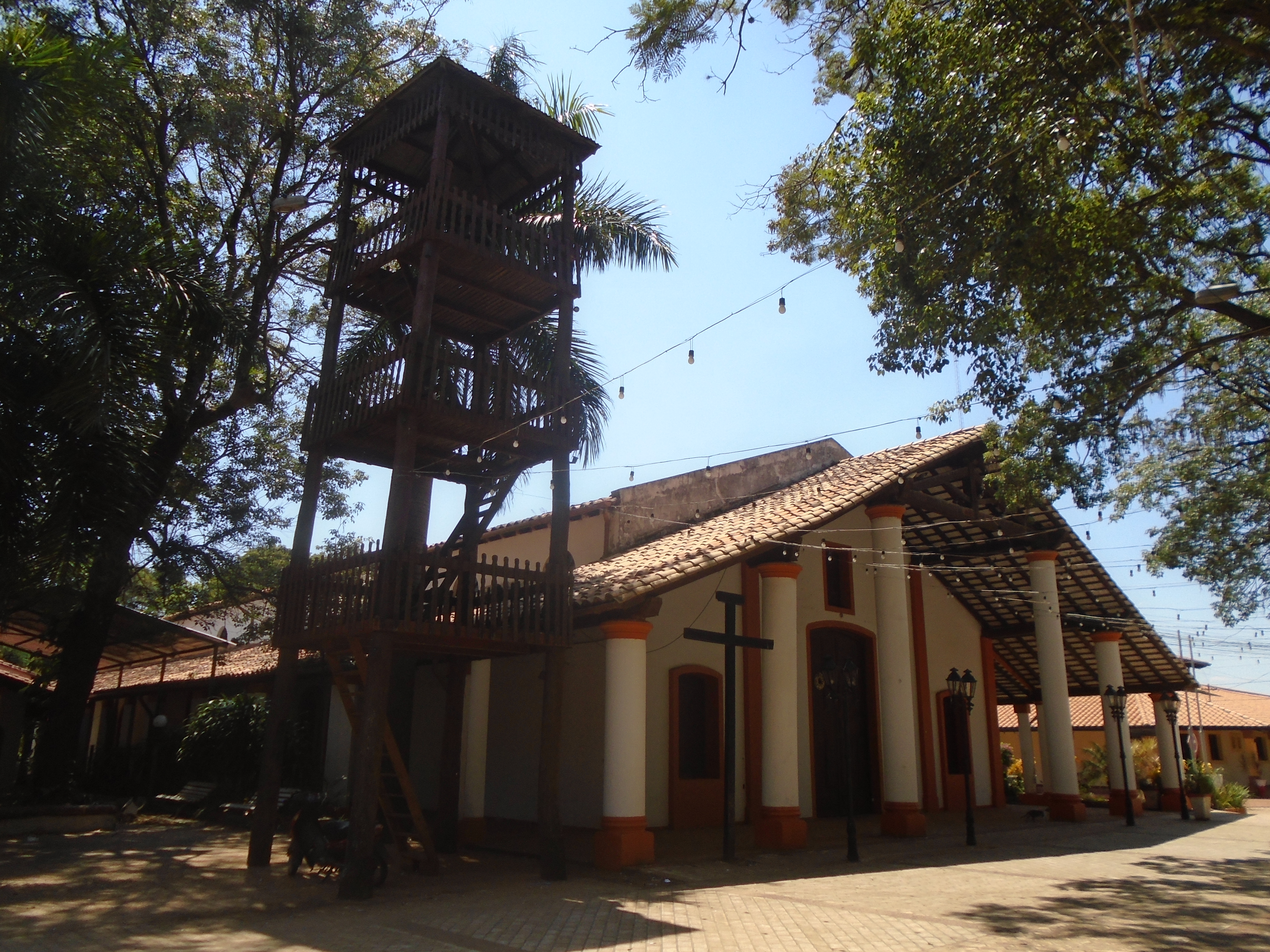


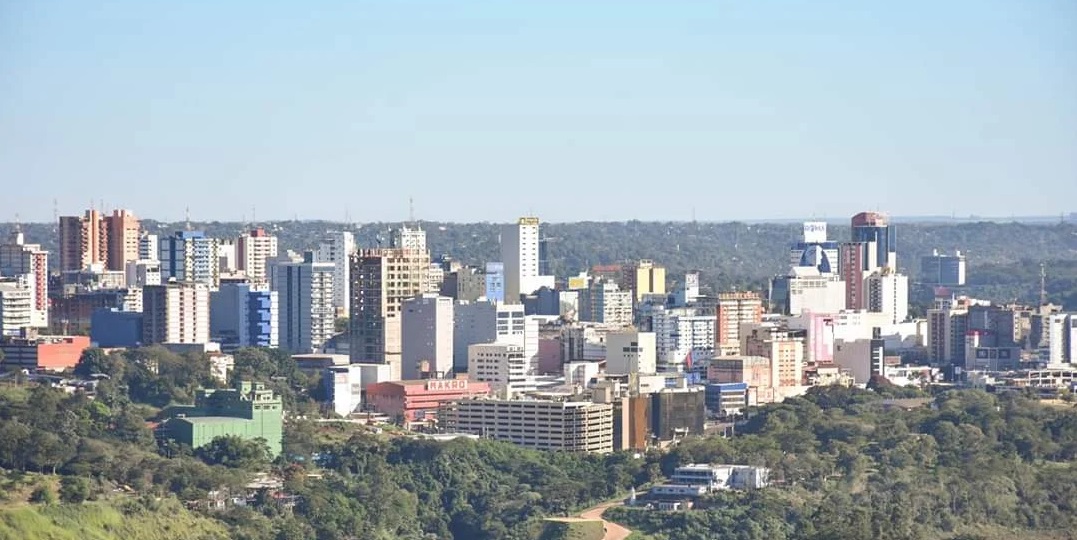
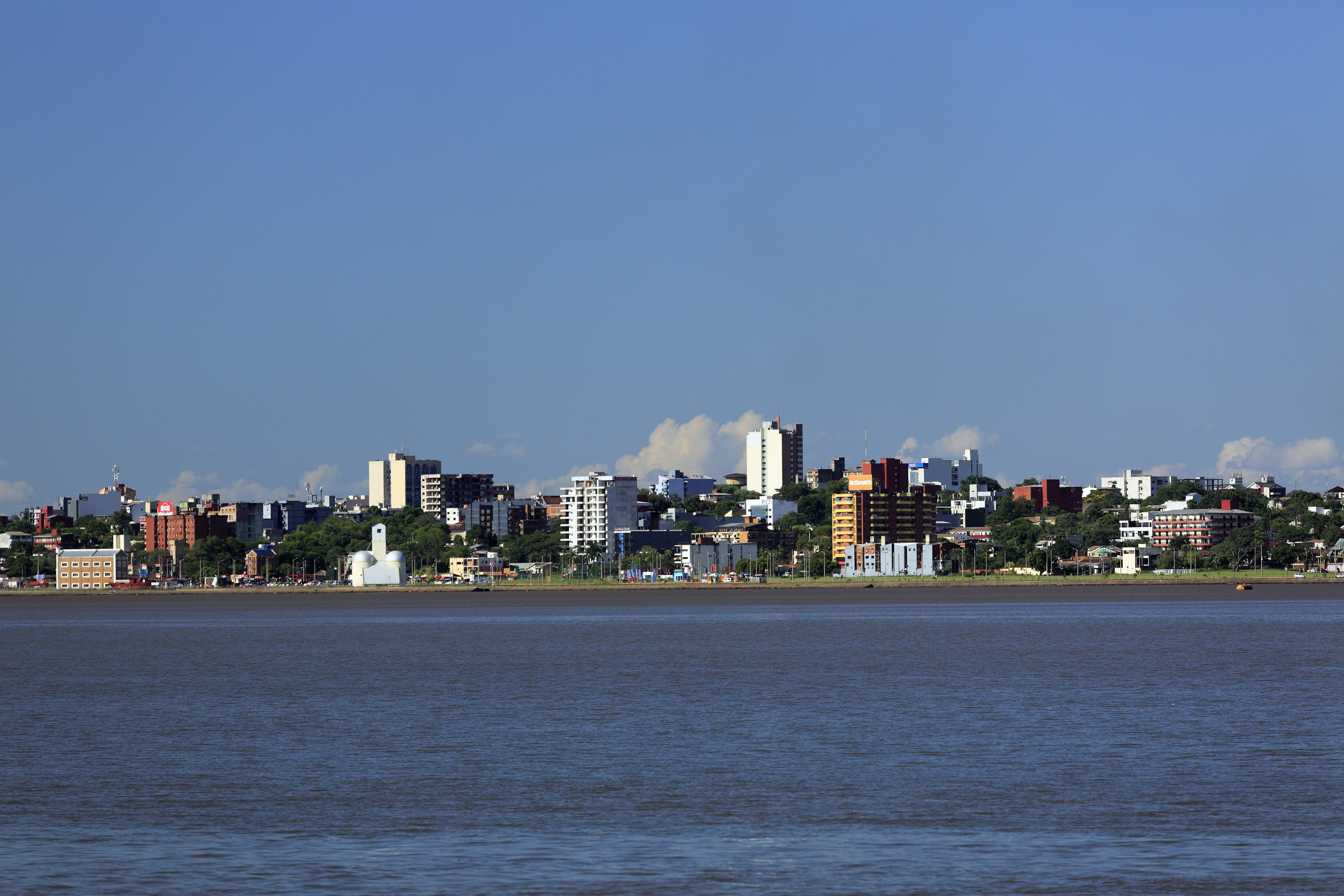
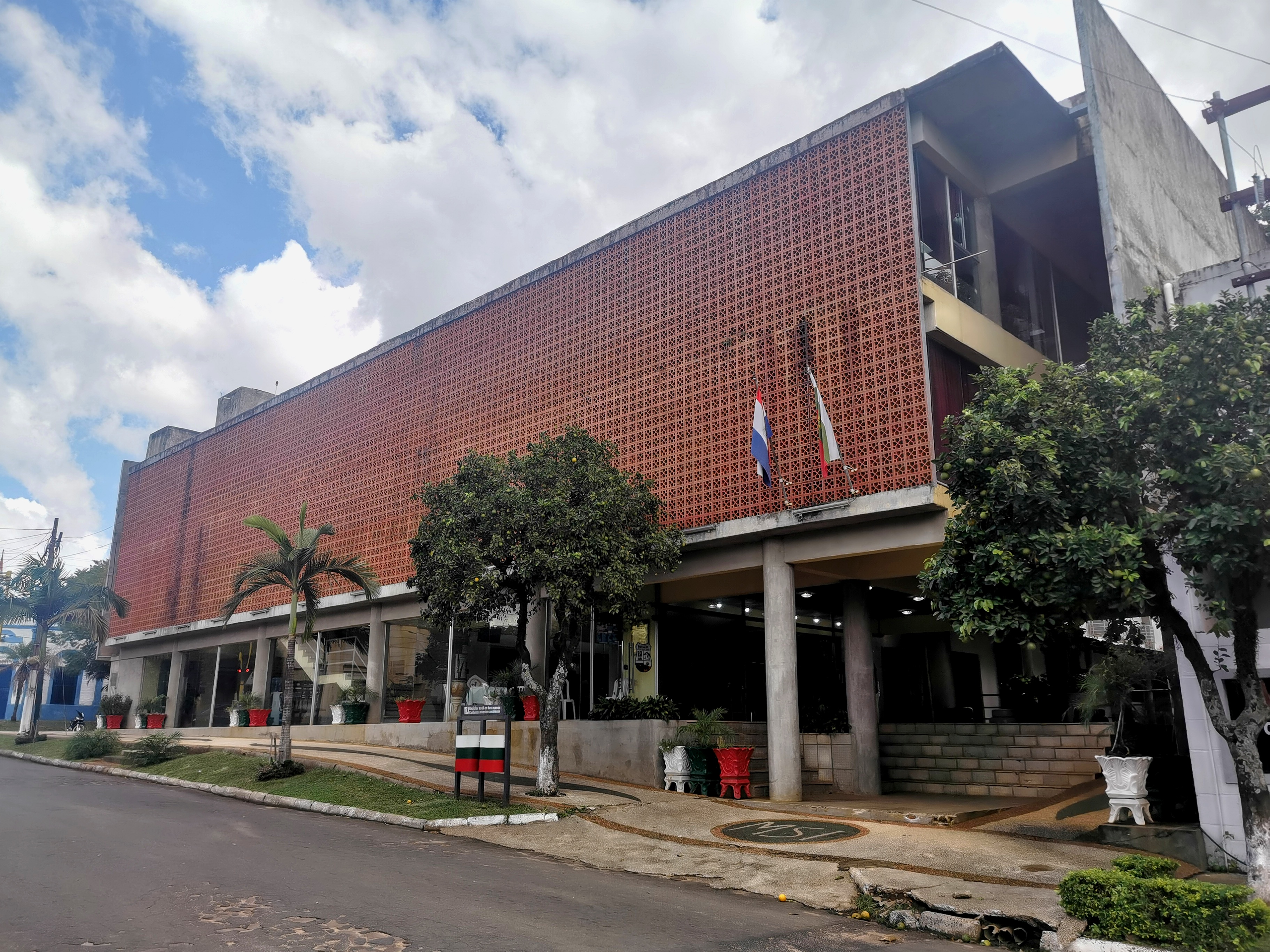
Where the investment actually goes
Paraguay now offers four investor tracks. The original productive route (US$70,000, an approved business plan, and at least five formal jobs) is the cheapest, but it means running a real business. The Investor Pass adds tourism (US$150,000), financial instruments (US$200,000, held for two years), and commercial or income-producing real estate (US$200,000, not a personal residence). Your choice of track decides your paperwork, your ongoing obligations, and what the money does for you afterward.
The tempting mistake is to treat this as a formality and pick whatever is fastest to document. A vehicle chosen for speed, without regard for liquidity or tax treatment, becomes a problem when you want to unwind or convert it. The investment is an immigration requirement, but it is also an asset that has to earn its place in your portfolio. Real estate deserves particular care. Paraguay is steering the Pass toward off-plan and pre-construction projects, where staged payments are normal, so the developer’s track record and the structure of the payment schedule matter as much as the price.
The second mistake is relying only on whoever is handling your visa. A facilitator paid to get an application filed has less reason to find you the best ten-year investment than the fastest one to document. Get independent advice on the investment, separate from the immigration paperwork.
After approval, before you hold the card
The process has two stages. The Ministry of Industry and Commerce issues the Foreign Investor Certificate, reportedly within five business days of a complete file. You then complete residency with the National Directorate of Migration. Plan on at least one in-person trip, since the application is filed in person through SUACE in Asunción and biometrics and registration happen locally. Providers describe a minimum stay of roughly a week for this.
Budget extra time for the steps after approval: the residency card, a Paraguayan ID (cédula) through the National Police, and a tax ID (RUC). Plan your move around the day the card is in your hand, because banking, long-term housing, and everything else depends on it. Confirm current health insurance and criminal-record requirements with SUACE or your lawyer before filing, since sources differ.
From residency to citizenship
The Investor Pass grants permanent residency directly, and some providers say permanent residents can apply for citizenship after three years. Treat that as a starting point, not a guarantee. Naturalization has its own residence and documentation rules, separate from the residency permit, so confirm with a Paraguayan lawyer how presence is counted before you build a plan around the timeline.
Day counts matter for tax too. Paraguay taxes only Paraguay-source income, but how many days you spend there decides whether you count as a tax resident. Sources cite different thresholds, so check the current rule before planning your travel.
Paraguay against the alternatives
The real comparison is between tracks, and between countries. SUACE at US$70,000 is cheaper but means operating a business with local staff. The Pass costs more and asks less of you day to day. Compared with other regional programs, Paraguay’s investor route is notably light on presence. Sources say the Pass imposes no minimum stay, which suits people who want a Plan B they can hold at a distance. Anyone who wants to live there should still run the numbers on tax residency and any naturalization requirements.
Work Permissions
Application Steps
- 1
Research
Verify all requirements for this visa type and country
- 2
Gather documents
Obtain all required documents (passport, financial statements, health insurance, etc.)
- 3
Complete application
Fill out the official application form
- 4
Submit application
Submit all documents to the appropriate consulate or online portal
- 5
Pay fees
Complete payment of application and visa fees
- 6
Attend interview
If required, attend any scheduled interviews
- 7
Wait for decision
Processing times vary from weeks to months
- 8
Travel and activate
Once approved, travel to the country and complete any activation requirements
Frequently Asked Questions
Click any question to expand the answer.
Ready to Apply?
Work with trusted visa specialists who handle the paperwork so you can focus on your move.
Get help with this visa →* We may earn a commission if you apply through our link
At a Glance
Last verified: October 9, 2026