Application Fee
$500
Processing Time
26-104 wks
Difficulty
Easy
Duration
6 months
Overview
Getting the income story straight before you apply
The mistake most applicants make with Paraguay's remote work residency isn't underdocumenting income, it's overdocumenting the wrong kind. This visa wants proof that your income originates outside Paraguay and keeps arriving that way for the life of the permit. If you freelance for five clients and one of them happens to be based in Asunción, that relationship needs a second look before you build your file around it, because the local-income cap sits at 8% as of 2026, and consulates read bank statements literally. A single large local deposit in an otherwise clean twelve-month statement history can read as a violation even when it's a one-off referral fee.
The other place this goes wrong is sequencing. People gather six months of bank statements, then realize the format their bank exports doesn't match what the apostille process expects, and start over. Apostille takes weeks, not days, once you account for shipping documents back and forth if you're doing this from the US rather than in person at a foreign ministry. Get the apostille chain moving on your core documents, income letters, and background check before you finalize anything else, because that's the step with the least flexibility once you're inside the 17-week-plus processing window. An FBI background check alone can take longer than people expect if they haven't submitted fingerprints early, and it has to be current when it lands in the file, not current when you started the process.
Savings documentation is more forgiving than income documentation, structurally. The $5,000 (roughly USD, since the requirement is denominated in dollars) minimum functions as a stability signal more than a subsistence calculation, so a static amount sitting untouched in an account for a few months reads better than the same balance that arrived the week before you applied. Freelancers with irregular monthly income should lean on savings and a longer income history rather than trying to smooth out a lumpy invoicing pattern into something that looks like a salary. Officers reviewing these files have seen the smoothed-out version before, and it tends to invite more questions than a truly irregular one with a clear explanation attached.
Eligibility Requirements
Min Savings
$5,000
Application Fee
$500
Duration
6 months
Remote Work / Freelance · Business Income
1099 Contractor · Self-Employed · Business Owner
Max 8% from local sources
Requirements Checklist
Tax Information
Paraguay's Territorial System and What It Leaves Alone
Paraguay taxes on a territorial basis, and that single fact reshapes almost everything else in this section. Only income sourced inside Paraguay falls under the Impuesto a la Renta Personal (IRP), which runs at 8% on the lower bracket, up to PYG 50,000,000 (roughly $6,850 as of 2026), 9% up to PYG 150,000,000 (about $20,500), and 10% above that. Salary paid by a US employer, freelance invoices billed to US clients, dividends from a US brokerage, capital gains on stock sales, rental income from a property back home: none of it touches Paraguayan tax exposure, because none of it originates inside Paraguay. That is the entire appeal of this visa from a tax standpoint, and it is not a loophole, it is how the law is written.
Where Paraguay does reach in is income actually earned inside the country. Take on a Paraguayan client, rent out property located in Paraguay, or draw a local salary, and IRP applies at those same 8% to 10% rates. Dividends distributed from Paraguayan companies carry an 8% withholding for resident individuals, 15% for non-residents under the IRNR regime. Capital gains on Paraguayan-source asset sales get folded into IRP rather than taxed separately, at the same 8% to 10% bands. None of this is aggressive by international standards, and for most remote workers whose income stays firmly US-sourced, the local tax bill approaches zero.
There is no separate preferential tax regime layered on top of this for digital nomads or new residents. The territorial system itself functions as the benefit, and it applies uniformly whether someone arrived last month or has lived in Asunción for a decade. Residents pay the standard IRP schedule on Paraguay-source income and nothing on income sourced abroad, full stop, with no registration window to catch and no election to file within a set number of days of arrival.
Where the IRS Still Gets Its Cut
None of the above changes anything about US filing obligations. Citizens and green card holders owe the IRS on worldwide income regardless of where they live, and Paraguay's territorial system does not create an exemption on the US side, it just means there is often little or no Paraguayan tax to credit against it. The Foreign Earned Income Exclusion lets a qualifying resident exclude up to $132,900 of earned income for the 2026 tax year, covering remote salary and freelance revenue, but it does nothing for dividends, capital gains, rental income, pensions, or Social Security. Those categories stay fully taxable by the US whether or not Paraguay ever sees a cent of them.
The Foreign Tax Credit exists as a backstop for double taxation, but it carries limited weight here. With headline Paraguayan rates sitting at 8% to 10% and most US remote income falling outside Paraguay's taxing reach entirely, there is frequently little local tax paid to credit against the US bill. Paraguay has no income tax treaty with the United States, so there is no savings clause to parse and no treaty-based repositioning of specific income types. Dividends, brokerage gains, and pension distributions land on the US return exactly as they would if the taxpayer had never left the country.
This visa does not require opening a Paraguayan bank account, but plenty of residents open one anyway for daily life, and that decision carries its own reporting weight. Once combined balances across foreign accounts exceed $10,000 at any point during the year, FinCEN Form 114 becomes mandatory, and skipping it is not a minor paperwork lapse. The non-willful penalty runs at a statutory $10,000 per violation, adjusted for inflation to roughly $16,700 for 2026, and it applies per account, per year, regardless of whether any tax was actually owed.
The decision most people get wrong in year one is the FEIE qualifying test. Physical Presence requires 330 qualifying days abroad within a twelve-month window and works cleanly for anyone tracking travel carefully; Bona Fide Residence asks for demonstrated intent to stay indefinitely, which Paraguay's straightforward permanent residency path actually makes easier to establish than in most countries. Picking the wrong one, or picking neither and defaulting to full US taxation on earned income that could have been excluded, is an expensive mistake to discover after the fact.
The second mistake is assuming the absence of a US-Paraguay treaty does not matter because the local tax rate is low. It matters most for dividends, capital gains, and pension income, the exact categories the FEIE cannot touch and where no treaty exists to reposition anything back toward the US side. A first-year professional review, typically in the $1,500 to $3,000 range, tends to catch the FBAR account question and the FEIE election before either becomes a filed return that has to be amended.
Living in Paraguay
COL Index vs NYC
33.1
Monthly Cost (excl. rent)
$546
1BR Rent (City Center)
$453
Safety Index
48.2
Healthcare Index
73.8
Quality of Life Index
105.3
Time Zone
UTC-04:00
Capital
Asunción
Population
7.1M
Official Languages
Guaraní, Spanish
Avg Internet Speed
178 Mbps
Public Transit Quality
Fair
With a budget covering rent and living costs, you'd need roughly $999/mo for a comfortable single-person lifestyle in Paraguay.See how far your money goes →
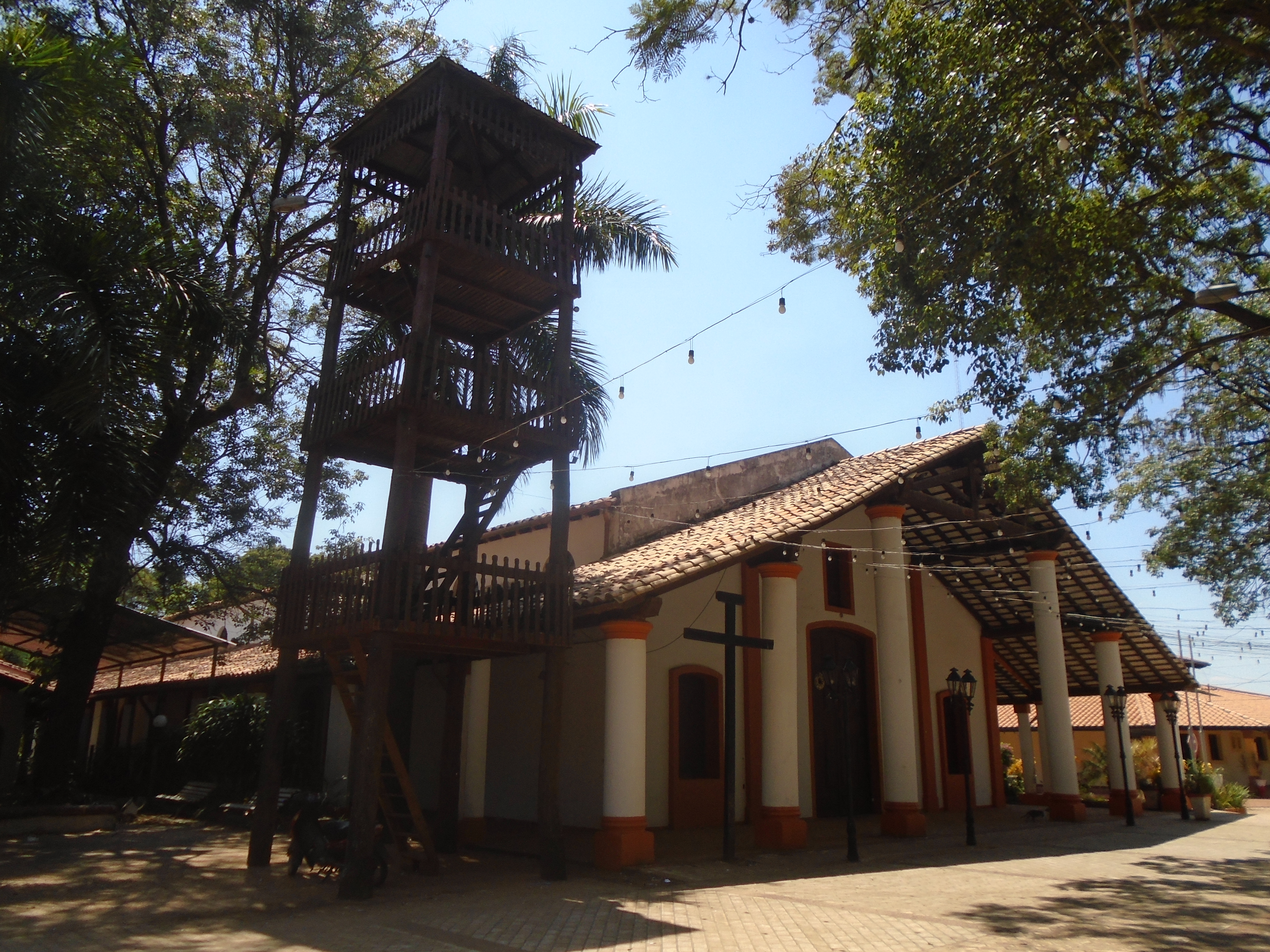
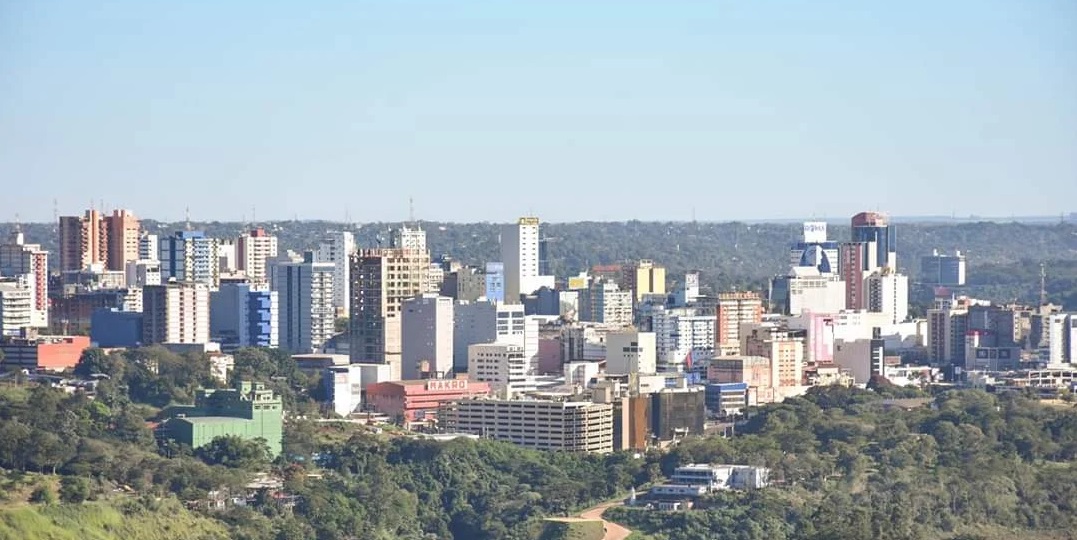
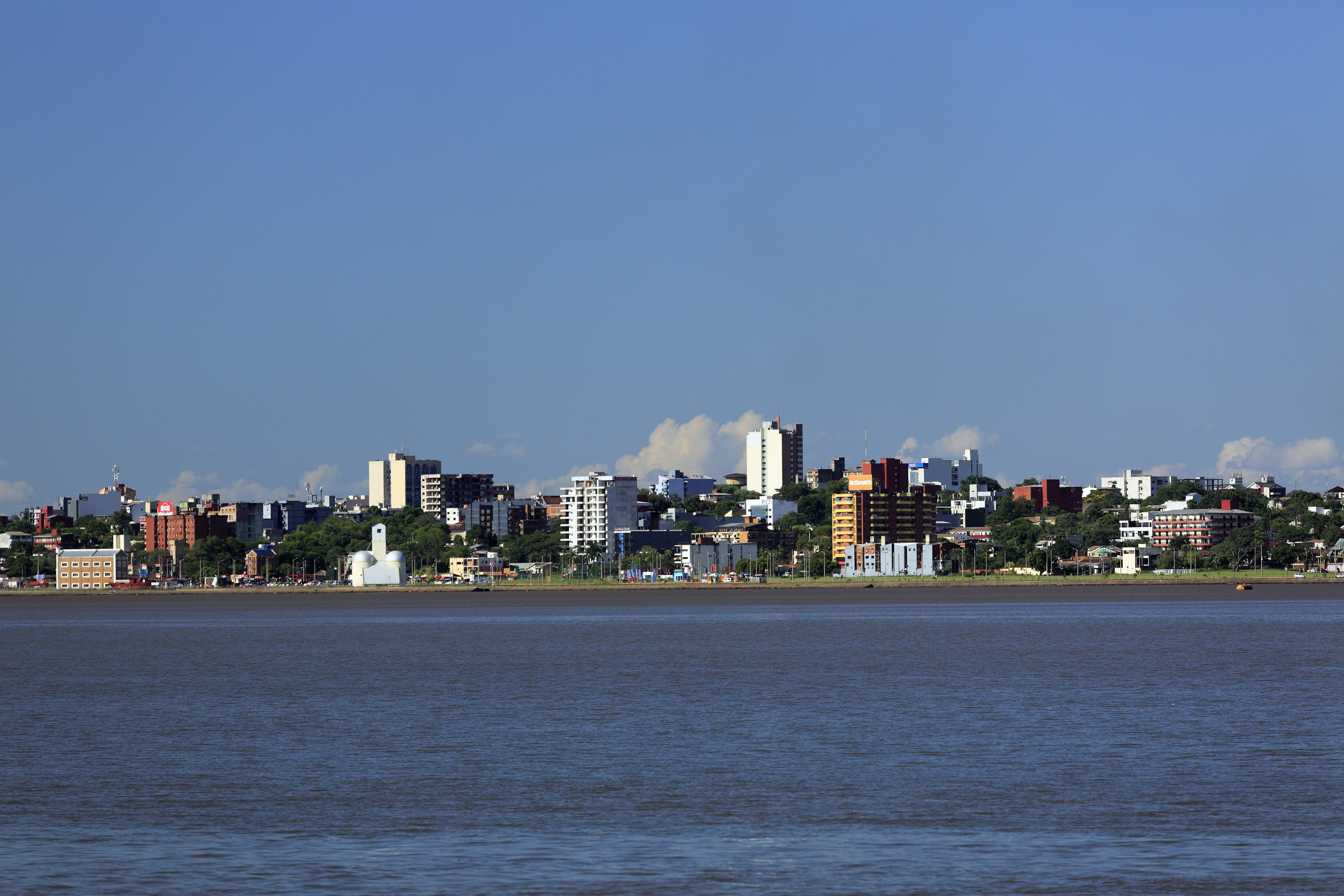
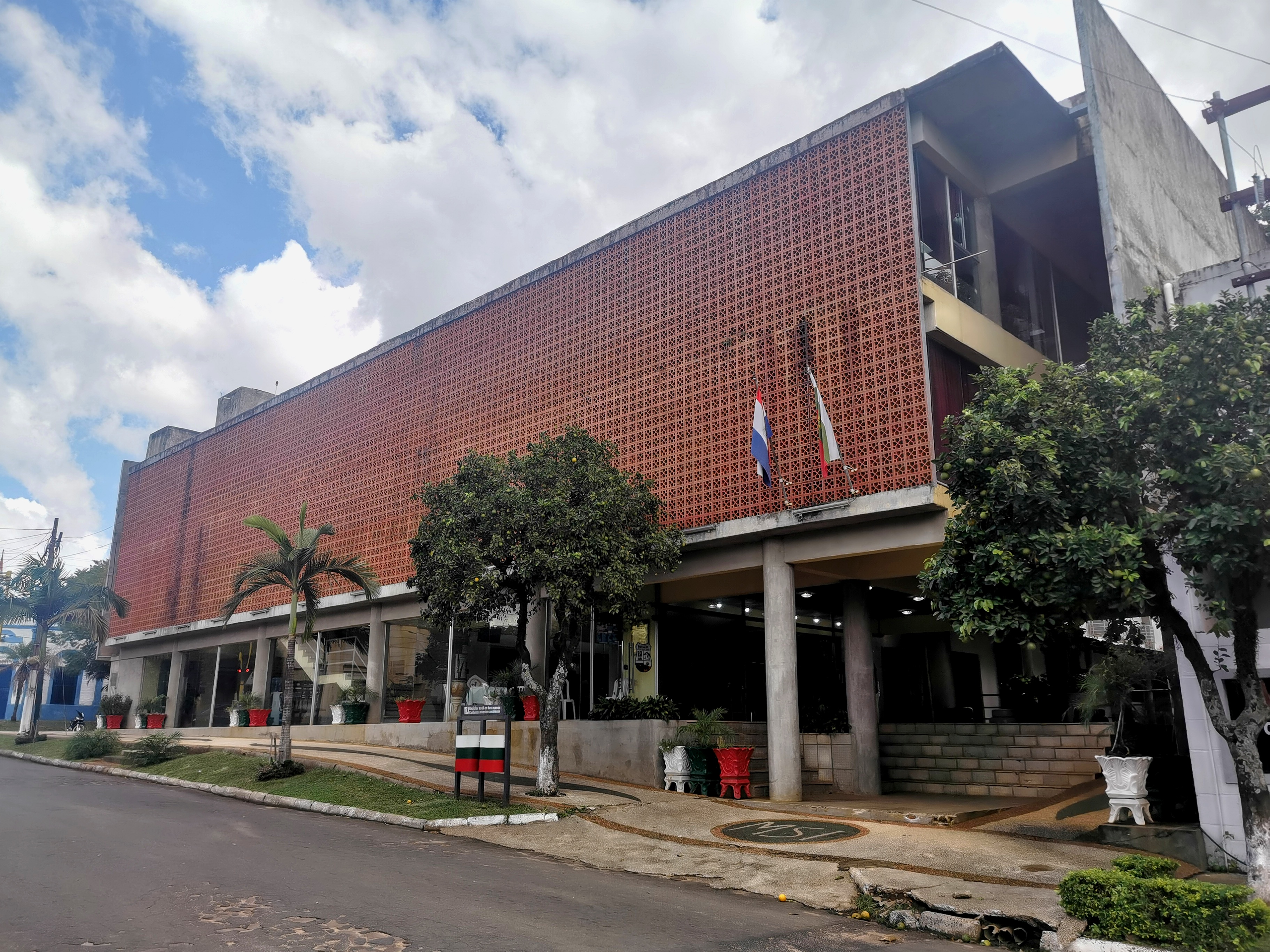
🏙️ Best Cities in Paraguay for Digital Nomads


The housing requirement nobody reads carefully enough
Paraguay doesn't demand a purchased property or a long lease before you arrive, which is part of why this visa gets recommended casually. But "no property requirement" doesn't mean no address requirement, and the address question shows up more than once: at the point of application, and again once you're on the ground establishing yourself for renewal or for the residency step that follows. People book a week in a hotel, apply from that address, and then have to redo paperwork later because nothing about that arrangement supports the longer-term registration steps that come after approval.
The better sequencing is to treat your first few weeks in Paraguay as a scouting trip with a lease attached, not a vacation with a laptop. A short-term furnished rental with a real contract, even a basic one, gives you something to point to when local registration comes up, and it avoids the scramble of trying to produce a lease from abroad after the fact. Landlords accustomed to renting to foreigners on this visa tend to know what paperwork they need to provide; landlords who don't may hand you something that satisfies neither of you when a form asks for specifics.
There's also a quieter cost to guessing wrong on location before you've spent real time in the country. Asunción and the interior cities differ enormously on rent, on how far your income stretches, and on how much English gets you day to day. Committing to a year's lease in a neighborhood you picked from a listing site, before you've walked it, is the kind of decision that's cheap to delay and expensive to reverse.
What happens between approval and holding a real permit
Visa approval is not the finish line here, it's the start of a domestic process that runs on its own clock. The initial permit issued runs six months, which surprises people who assumed a "digital nomad visa" meant a year or more from the outset. That six-month window is meant to get you into the country and through the local steps that convert approval into an actual resident card, not to represent how long you're expected to stay before renewing.
Plan around that six-month clock deliberately. Arriving with the visa approved but no calendar plan for what happens in months four through six is how people end up scrambling near the deadline, especially once they discover that in-country steps take longer in practice than the approval process suggested. Health insurance has to be in place and valid for this period since it's a requirement of the residency itself, not just a formality for the initial application, and letting a policy lapse mid-window is a self-inflicted problem that's entirely avoidable with a calendar reminder set on day one.
None of this involves an interview or a medical exam, which removes two of the more unpredictable steps in other countries' processes. What it doesn't remove is the paperwork momentum required to keep converting a temporary status into something durable. The renewal that follows the initial six months is where a lot of the real administrative weight sits, and it's worth treating that renewal as seriously as the original application rather than assuming approval once means approval is settled.
Permanent residency and citizenship, on paper and in practice
On paper, the path is short: two years to permanent residency, three to citizenship. That's fast by regional standards, and it's a real part of why this visa gets attention from people planning an actual relocation rather than a working holiday. But the clock that matters is continuous, documented residency, not just time elapsed since your first entry stamp. Extended absences, gaps in your renewal paperwork, or periods where your income documentation lapses can all interrupt what looks, from the outside, like a straightforward countdown.
The other detail worth sitting with is what doesn't count toward this path. Social security contributions from your home country don't carry over into this residency's requirements, and pension income isn't recognized as qualifying income under this specific visa category, which matters if you're thinking of this as a bridge into a later retirement move rather than a remote-work move on its own terms. Anyone treating the two-year and three-year marks as automatic should build in a buffer, because administrative timelines and personal timelines rarely move at exactly the same speed, and the difference between "eligible" and "actually holding the document" can stretch out for reasons that have nothing to do with your file being wrong.
Dependents can be added to this residency, which changes the math for anyone moving as a family rather than solo, but it also means more names, more apostilled documents, and more chances for a single piece of paper to hold up the rest of the household's timeline.
Paraguay versus the easier-sounding alternative
The country most people compare this to is Costa Rica, mostly because it's the name that comes up first in any search for digital nomad visas from the US. The honest version of that comparison isn't which country is "better," it's which trade-off you're actually willing to live with. Paraguay's territorial tax regime as of 2026 means foreign-sourced income generally sits outside the local tax net, which is a meaningfully different starting position than countries that tax worldwide income with a temporary exemption bolted on. If your income is entirely foreign-sourced and likely to stay that way, that structural difference compounds every year you renew.
What Paraguay asks in return is patience with a slower, more paper-heavy bureaucracy and a lower profile as a digital nomad destination, which means fewer existing communities, less English in daily life outside the capital, and a support system you'll largely have to build yourself. The $800 application fee and the apostille requirements aren't unusual by regional standards, but the almost eighteen-week minimum processing time, with no firm ceiling on the upper end, means this isn't a visa for someone trying to relocate in six weeks. If your timeline is tight, that alone might settle the decision before tax rates even enter the conversation.
The nationality rule is unusually open here, without the carve-outs some countries apply to specific passports, which simplifies one part of the decision that gets complicated elsewhere. What it doesn't simplify is the on-the-ground reality of building a life somewhere with a smaller expat footprint. That's a lifestyle choice more than a paperwork one, and it's the part of this decision that spreadsheets don't settle.
Work Permissions
Application Steps
- 1
Research
Verify all requirements for this visa type and country
- 2
Gather documents
Obtain all required documents (passport, financial statements, health insurance, etc.)
- 3
Complete application
Fill out the official application form
- 4
Submit application
Submit all documents to the appropriate consulate or online portal
- 5
Pay fees
Complete payment of application and visa fees
- 6
Attend interview
If required, attend any scheduled interviews
- 7
Wait for decision
Processing times vary from weeks to months
- 8
Travel and activate
Once approved, travel to the country and complete any activation requirements
Planning a long stay? Compare international health plans for Paraguay.
Compare health insuranceWe may earn a commission at no cost to you.
Compare this visa
Curated comparisons that include this route.
Frequently Asked Questions
Click any question to expand the answer.
Ready to Apply?
Work with trusted visa specialists who handle the paperwork so you can focus on your move.
Get help with this visa →* We may earn a commission if you apply through our link
At a Glance
Last verified: October 9, 2026