Panama Rentista Visa
Panama · Latin America
Data updated Sep 9, 2026
Difficulty
Moderate
Overview
Qualification for the Panama Rentista visa hinges on a single, large financial commitment: placing hundreds of thousands of dollars into a Panamanian bank as a fixed-term deposit and leaving it there for years. The deposit generates interest, the bank certifies that income, and that certification becomes the basis of your residency. There is no salary requirement, no business you need to run, no pension you need to prove. But the capital requirement is real and substantial - current practitioners describe figures in the $300,000 to $800,000 range, set case-by-case between you, your lawyer, and the bank rather than by any published government threshold. That ambiguity is part of what makes this visa different from almost everything else in the region, and part of what makes it harder to plan around.
The person who sails through this process is a high-net-worth individual who has already decided to hold significant liquid capital in a conservative, interest-bearing instrument anyway - someone for whom parking $500,000 in a Panamanian bank for three to five years represents a portfolio allocation decision, not a sacrifice. The person who struggles is the remote worker or freelancer who earns well but hasn't accumulated that kind of liquid capital, or who needs their savings working harder than Panamanian deposit rates will work it. The person in the wrong category entirely is anyone whose income comes from a job or clients rather than from capital - Panama has better options for you, and most immigration attorneys will tell you so within the first conversation.
What most applicants don't fully reckon with before they start is that this visa's requirements are not standardized. There is no form on a government website that tells you exactly how much to deposit or for how long. The bank sets the terms, the lawyer interprets current practice, and the National Immigration Service reviews the file. That means your application is, to an unusual degree, a negotiation - and the outcome depends significantly on who you hire and which bank you work with. If you're used to visa processes where the rules are fixed and the checklist is public, this one will feel unsettling until you've found practitioners who know the current landscape.
What this visa unlocks, for the right capital position, is Panamanian residency without any requirement to earn locally, work locally, or prove a pension. You can live in one of the most logistically convenient countries in Latin America - dollarized, well-connected, with a functioning banking system - while your income continues to come entirely from outside the country, untaxed by Panama under its territorial regime. That combination of legal residency, tax simplicity, and lifestyle quality is rare, and for someone whose financial situation fits the model, it's hard to replicate elsewhere in the region at any price.
Eligibility Requirements
Max 0% from local sources
Requirements Checklist
Valid passport with at least 6 months validity
Proof of sufficient income (bank statements, employment contract)
Health insurance covering the entire stay
Clean criminal background check
Completed application form with all required documents
Proof of accommodation in the country
Tax Information
Panama Taxes You on What You Earn There - Nothing More
Panama runs a strict territorial tax system, which means the country only taxes income that originates within its borders. For a US remote worker collecting a salary from an American employer or billing foreign clients, that income is simply not in scope - it doesn't matter how many days you spend in Panama or whether you've set up a permanent home there. Foreign dividends, gains from your US brokerage account, rental income from a property back in the States - none of it is taxable in Panama.
Tax residency triggers at 183 days in a calendar year, or earlier if Panama becomes your clear center of life (permanent home, family, primary economic activity). Once you cross that threshold, you're a Panamanian tax resident, but the territorial basis still applies. The only income that gets pulled into Panama's system is income genuinely connected to Panamanian economic activity: local business profits, income from Panamanian clients for work performed in Panama, rental income from local property, and gains from selling Panamanian real estate or securities.
For income that does fall in scope, Panama's progressive rates are straightforward. Zero percent on annual income up to roughly $11,000, 15% on income between about $11,001 and $50,000, and 25% on anything above that. Thresholds are denominated in balboas, which trade 1:1 with the dollar, so there's no currency conversion to think about. For most Rentista visa holders whose income flows entirely from abroad, these brackets are largely academic.
No General Expat Tax Regime
Panama doesn't have an NHR-style program or anything resembling a blanket expat tax shelter tied to visa status. The sector-based incentives that do exist - the SEM regime, EMMA, City of Knowledge, certain Free Trade Zone arrangements - apply to qualifying companies and specific categories of workers within those structures. They're not accessible simply by holding a Rentista visa, and they're not designed for remote workers earning foreign income.
The territorial system itself is the benefit. If your income is foreign-source, Panama has no claim on it regardless of what visa you hold. There's no registration window to hit, no application to file for preferential treatment, no election to make on the Panamanian side.
Dividend and capital gains rates do apply if you invest locally. Dividends from Panamanian companies are subject to a 10% withholding tax (5% for companies whose income is predominantly foreign-source or from locally listed securities). Capital gains on Panamanian securities and real estate are taxed at a flat 10%, typically collected via withholding at closing on real estate transactions.
The US Layer - FEIE, FTC, and FBAR
The IRS does not stop taxing you because you moved to a territorial-system country. US citizens and green card holders file US returns on worldwide income regardless of where they live, and Panama's hands-off approach to your foreign earnings doesn't change what the US expects to see on your 1040.
The Foreign Earned Income Exclusion covers earned income only - salary, freelance, self-employment - up to $132,900 for 2026. It does not cover dividends, interest, capital gains, pension distributions, or rental income. Self-employment income excluded under FEIE still triggers US self-employment tax, which catches a lot of freelancers off guard. To claim FEIE in Panama, you'll qualify under either the Physical Presence Test (330 full days outside the US in any 12-month period) or the Bona Fide Residence Test if you can demonstrate genuine long-term residency. Maintaining a strong US abode, spending extended time stateside, or having weak ties to Panama can all jeopardize eligibility.
The Foreign Tax Credit becomes more relevant if you develop Panama-source income - local rental property, a Panamanian business, local investments. Because Panama taxes that income and the US taxes it too (as part of your worldwide income), FTC lets you credit the Panamanian taxes paid against your US liability on the same income. One practical note: choosing FTC over FEIE preserves access to certain deductions and retirement contribution strategies that FEIE elections can complicate, so the choice between them isn't always obvious.
The US and Panama do not have a comprehensive income tax treaty - only a Tax Information Exchange Agreement and certain sectoral arrangements. That means no reduced withholding rates on dividends or interest, and no treaty tie-breaker mechanism for dual residency situations. You're working entirely within general US foreign tax credit rules.
On FBAR: the Rentista visa requires you to demonstrate passive income, and in practice that means opening a Panamanian bank account. Once combined foreign account balances exceed $10,000 at any point during the year, FinCEN 114 is mandatory. The non-willful penalty for failing to file is $16,700 per violation, adjusted annually for inflation as of 2026. The account the visa process essentially requires you to open is the same one that creates the filing obligation.
Getting Year One Right
The mistakes that cost people real money in year one aren't usually complicated. They're predictable: choosing the wrong FEIE test method and failing it partway through the year, not filing FBAR for an account opened during the visa application process, or assuming that because Panama doesn't tax your income, the US side is simple.
There's no preferential regime registration window to miss in Panama the way there is in Portugal or Italy, which removes one common first-year trap. But the FEIE election method matters - Bona Fide Residence and Physical Presence have different evidentiary requirements, and the wrong choice can mean losing the exclusion retroactively if your circumstances don't hold up to scrutiny.
Budget $1,500 to $3,000 for combined advisory costs in year one (as of 2026): a US expat CPA who files returns for Americans abroad, and ideally a Panamanian tax advisor if you have any local income or investments. What that buys is correct elections from the start, proper FTC positioning if you need it, and FBAR filed for every account that qualifies. The absence of a US-Panama income tax treaty means there's less treaty planning to do, but it also means less protection if something goes wrong.
Year one sets the elections and filing positions that carry forward for however long you stay. Getting them right the first time is considerably cheaper than correcting them later.
Living in Panama
COL Index vs NYC
43.9
Monthly Cost (excl. rent)
$781
1BR Rent (City Center)
$1,023
Safety Index
57.3
Healthcare Index
60.7
Quality of Life Index
124.4
Time Zone
UTC-05:00
Capital
Panama City
Population
4.3M
Official Languages
Spanish
Avg Internet Speed
197 Mbps
Public Transit Quality
Good
With a budget covering rent and living costs, you'd need roughly $1,804/mo for a comfortable single-person lifestyle in Panama.See how far your money goes →
🏙️ Best Cities in Panama for Passive Income Residents
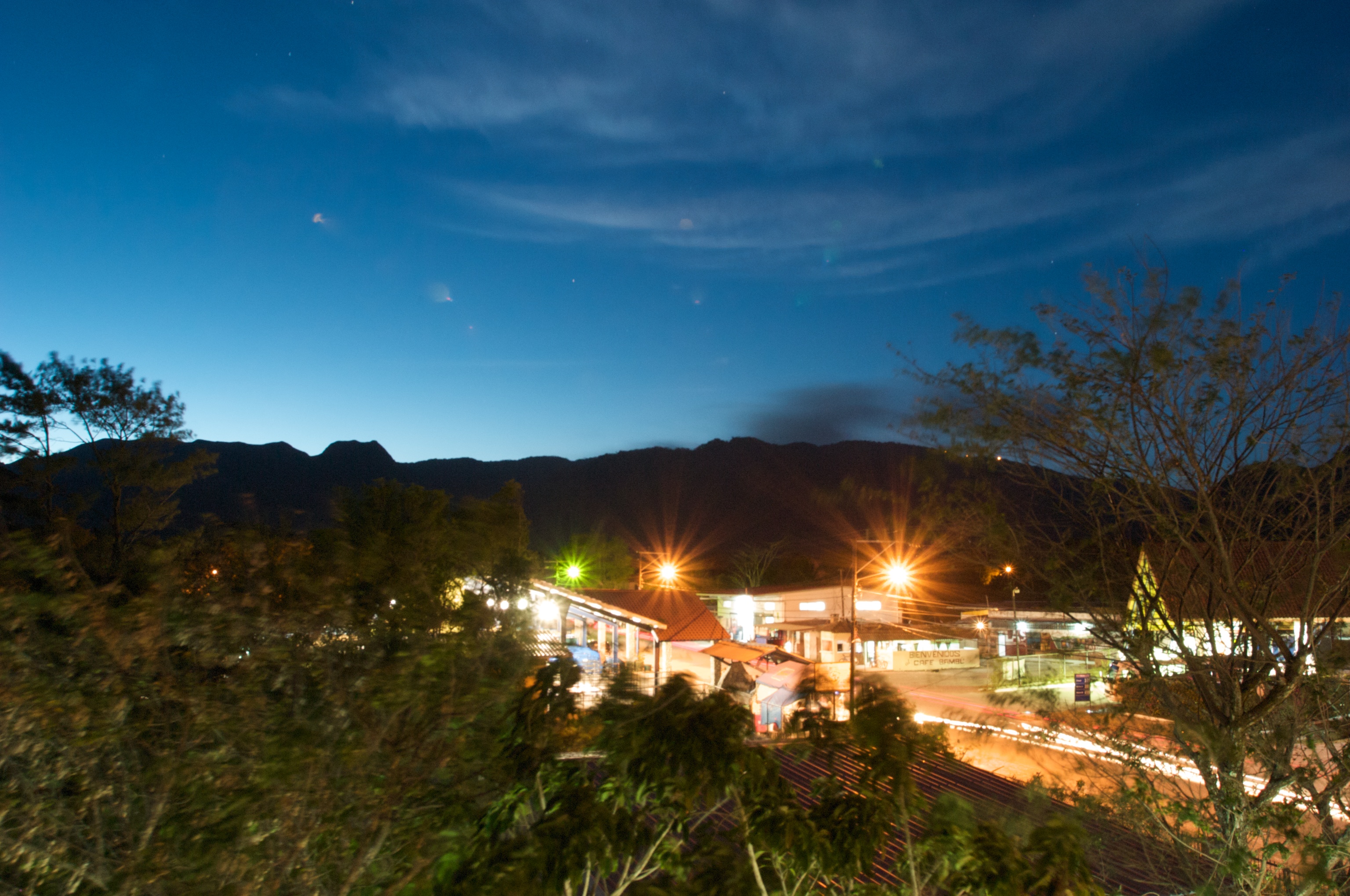 54
54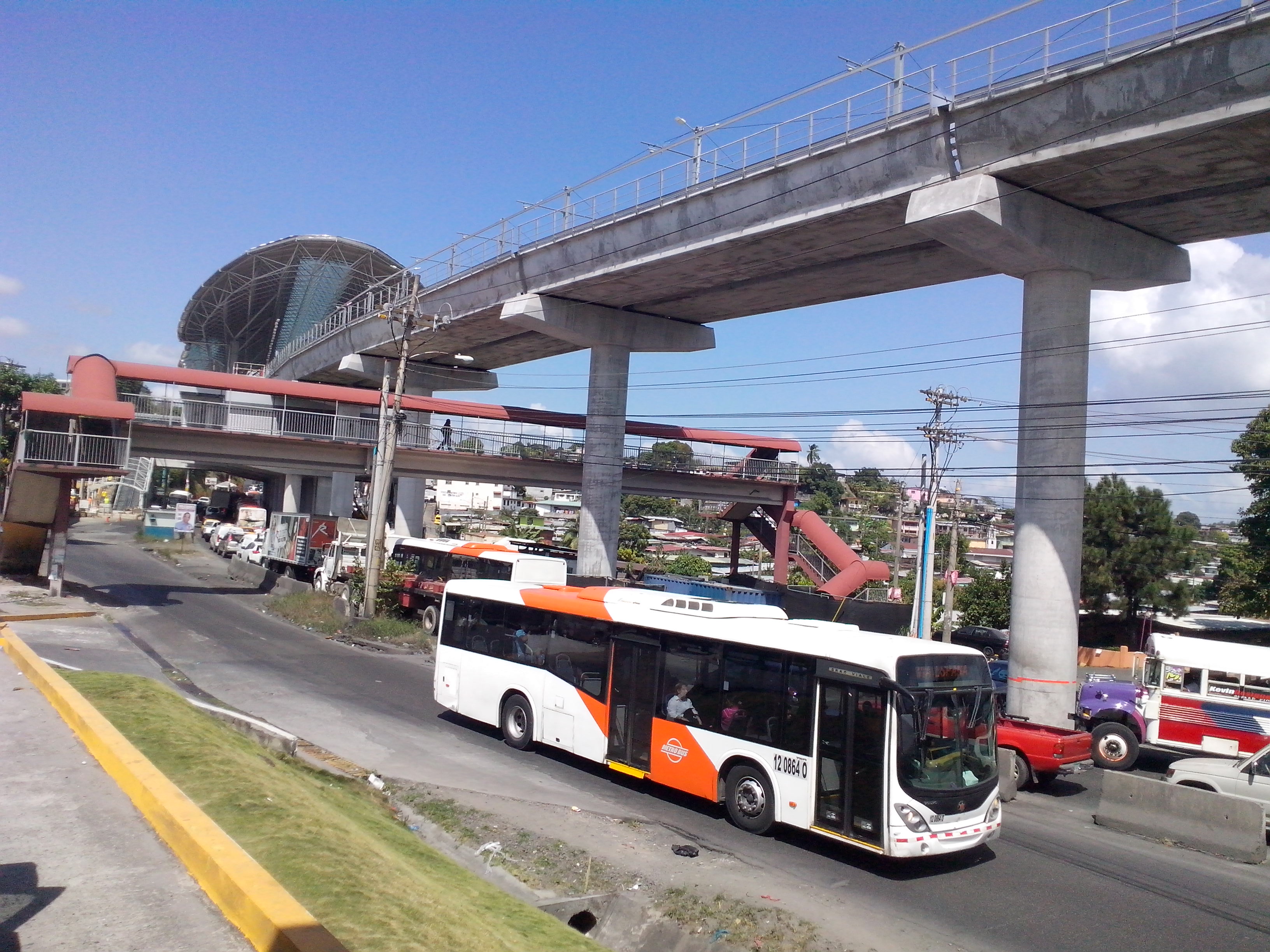 51
51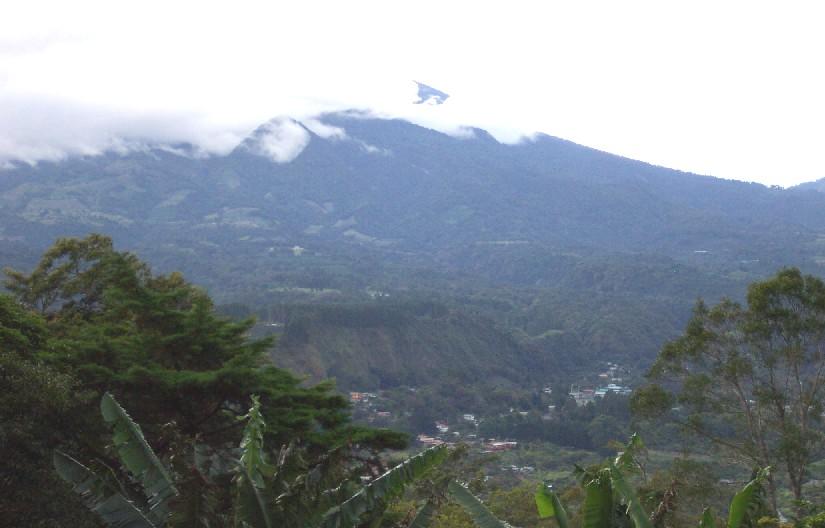 59
59Getting the Income Documentation Story Straight
The document that carries your entire application is the bank certification - a formal letter from your Panamanian bank confirming the deposit amount, the term, and the projected monthly interest income it generates. Everything else in the file is supporting context. Getting that certification right, in the format the National Immigration Service expects, is where applications either hold together or quietly fall apart.
Before you can get that certification, you have to open the account, which means clearing Panama's bank due diligence process first. Panamanian banks are serious about anti-money-laundering compliance, and the scrutiny on large deposits from foreign nationals is significant. You will need to document the legal origin of the funds - not just state it, but trace it. That typically means tax returns, investment account statements showing the history of the funds, and sometimes documentation of the underlying asset sale or inheritance that generated the capital. If your money has moved through multiple accounts or entities over the years, untangling that paper trail before you sit down with a Panamanian banker is work you should start early.
The other thing worth understanding is that the bank and the immigration attorney are separate relationships with separate interests. The bank wants to be comfortable with your funds. The attorney wants to build a file the immigration service will approve. Those goals usually align, but occasionally a bank will certify a deposit in a format or with language that doesn't translate cleanly into what immigration expects. Having an attorney who has worked with your specific bank before, or who can review the certification before it goes into the file, closes that gap.
The Housing Requirement and Where People Get It Wrong
Unlike some residency programs, the Rentista visa doesn't require you to own property in Panama or sign a long-term lease before you apply. Your residency is anchored to the bank deposit, not to an address. But you do need a local address on file with the immigration service, and the practical reality is that you'll be spending time in Panama during and after the application process - enough time that having a stable, comfortable place to stay matters more than people initially expect.
Where applicants tend to miscalculate is in treating the housing question as an afterthought. Panama City has a reasonably deep rental market, and short-term furnished apartments are easy to find in neighborhoods like Punta Pacifica, El Cangrejo, or Casco Viejo. The problem is that the application process can take several months, and if you're traveling back and forth between Panama and the US during that period, the cost and logistics of maintaining temporary accommodation adds up. Some applicants underestimate how many trips are involved - at minimum, you need to be present to open the bank account, and you'll likely want to be present when the file is submitted and when you receive your provisional residence card.
A few applicants have tried to manage the process entirely remotely, with a lawyer holding power of attorney. That's technically possible for some steps, but the bank account opening almost always requires your physical presence, and the immigration service can require in-person appearances at points that are hard to predict in advance.
What Actually Happens After You Land
Visa approval and having a functioning resident identity in Panama are not the same thing, and the gap between them is longer than most people expect. When your application is approved, you receive a provisional or temporary residence card - a physical document that confirms your status while the full process completes. That card is real and useful, but it's not the end of the road.
During the processing period, which can stretch across several months, you're in a kind of administrative middle state. You can open local bank accounts and sign leases using your provisional documentation, but some institutions - particularly certain banks and government offices - want to see the final cedula, Panama's national identity document for residents, before they'll treat you as fully established. Getting the cedula comes after the temporary residence is formally issued, and the timeline from application filing to cedula in hand has historically been long enough that people are surprised by it.
The practical advice from people who've been through it is to not plan your life around having the cedula by a specific date. Build buffer into any timeline that depends on it - lease start dates, decisions about closing US accounts, anything that requires proving local residency status. Panama's immigration bureaucracy is functional but not fast, and the Rentista category, being less common than the Pensionado or Friendly Nations routes, doesn't always move through the system on a predictable schedule.
The Long-Term Path to Permanent Residence
The Rentista visa grants temporary residence tied to the term of the bank deposit. When the deposit term ends, you renew by demonstrating the deposit still exists and still meets the conditions - or you transition to a different residency category. What the visa does not do, on its own, is guarantee a clear path to permanent residence.
In practice, most immigration attorneys who work with Rentista applicants in 2025 and 2026 are steering clients toward newer programs for the permanent residence step, rather than relying on the Rentista renewal chain to eventually get them there. The logic is straightforward: programs like the revamped Friendly Nations Visa or certain investment routes offer more predictable permanent residence timelines with better-documented requirements. The Rentista category remains in Panamanian law, but it's treated as a legacy instrument, and the path from Rentista temporary residence to permanent status is case-specific in a way that makes long-term planning difficult.
Citizenship is a separate horizon entirely. Naturalization in Panama generally requires five years of legal residence - three if you're a national of certain countries or married to a Panamanian - plus demonstrated Spanish language ability, civic knowledge, a clean criminal record, and a formal judicial process that is discretionary and can take years to complete even after you meet the requirements on paper. If Panamanian citizenship is part of your long-term thinking, the Rentista visa can contribute to that residency clock, but it shouldn't be your primary vehicle for getting there.
The Pensionado Comparison - and When to Choose Which
The Panama Pensionado visa is the obvious alternative that comes up in almost every conversation about the Rentista, and the comparison is worth thinking through carefully rather than dismissing quickly. The Pensionado requires roughly $1,000 per month in guaranteed lifetime pension income and grants immediate permanent residence - not temporary, permanent - along with a well-known package of local discounts on everything from restaurant bills to airline tickets. If you have a qualifying pension, it is almost certainly the better path.
The Rentista exists for people who have capital but not a pension - or whose pension falls short of the threshold. That's a real category of person: someone who retired early, sold a business, or accumulated significant investment assets but doesn't draw a traditional pension. For that person, the Rentista is not a consolation prize exactly, but it is a more complicated instrument. You're tying up a large sum at Panamanian bank rates, accepting a less predictable path to permanent residence, and working within a category that even Panamanian immigration practitioners describe as niche.
Costa Rica's Rentista program is sometimes floated as an alternative for the capital-rich-but-no-pension profile, and it does require lower deposit amounts. But it comes with stricter physical presence requirements, higher ongoing costs particularly around mandatory health insurance, and a temporary residence structure that doesn't obviously improve on what Panama offers. Panama's dollarized economy, its banking system, and its geographic position as a transit hub for the Americas are genuine advantages that the Costa Rica comparison tends to underweight. If you're choosing between the two countries rather than the two visa categories, that's a different calculation - but on the visa structure alone, Panama's Rentista, despite its complexity, tends to offer more flexibility once you're in.
Work Permissions
Application Steps
- 1
📋 Confirm income source eligibility
1-2 weeks
- 2
📄 Gather and notarize required documents
3-4 weeks
- 3
🏛️ Enter Panama and retain immigration attorney
1-2 days
- 4
📬 Submit application and get provisional ID
1-2 days
- 5
⏳ Await approval and collect permanent residency card
3-6 months
This visa requires proof of health insurance. Compare international plans before you apply.
Compare health insuranceWe may earn a commission at no cost to you.
Frequently Asked Questions
Click any question to expand the answer.
Ready to Apply?
Work with trusted visa specialists who handle the paperwork so you can focus on your move.
Get help with this visa →* We may earn a commission if you apply through our link
At a Glance
Last verified: May 23, 2026