Difficulty
Difficult
Overview
Getting the income documentation story straight
The word "self-employment" does a lot of work in this permit's name, and it means immigration officers reading your file want to see a business, not a bank balance. A freelancer showing three months of PayPal deposits from two clients looks different, on paper, from someone who can produce signed engagement letters, an invoicing history that goes back a year, and something resembling a client roster that isn't about to evaporate. Namibia isn't asking you to incorporate a company before you land, but the file works better when it reads like one.
This matters more here than on nomad visas that only ask for proof of remote income, because this permit explicitly allows local work. That's unusual, and it's a real advantage if part of your plan involves picking up Namibian clients or consulting locally once you're established. But it also means the reviewing officer is trying to picture what your actual working life looks like month to month, not just whether money lands in an account. Vague income narratives get more questions asked of them than specific ones do.
One thing to sequence correctly: pension income doesn't count toward this permit's income case. If you're semi-retired and planning to freelance a little while living mostly off a pension, that pension isn't going to carry the application. The self-employment income itself has to be the substantive story, with the pension treated as background, if it's mentioned at all. People who try to lean on retirement income here because it feels more stable than freelance income are solving the wrong problem, since the permit isn't built to recognize it.
Get your invoicing and contracts in order before you start the application timeline, not during it. Officers can tell when documentation was assembled retroactively to fit a form, and a income history that was clearly built for the application reads differently than one that existed before you decided to move.
Eligibility Requirements
Business Income
Business Owner · Self-Employed
Requirements Checklist
Tax Information
How Namibia Taxes What You Earn Here
Namibia runs a source-based system: tax follows the income to where it was earned, not the person to where they happen to live. For a US remote worker or freelancer operating under this permit, that means salary or freelance revenue earned while physically performing work in Namibia lands squarely in Namibia's tax net, taxed on a progressive scale that runs from 0% on the first N$100,000 (about $5,400 as of 2026) up through 18%, 25%, 28%, 30%, and 32% bands, topping out at 37% above N$1,550,000 (roughly $83,800). Foreign dividends, gains on a US brokerage account, and rental income from a property still sitting back home generally fall outside this system because they arise abroad, not because you've left the US. There's no day-count residency trigger doing the sorting here; source is what matters, and that puts the burden on tracking where the income was actually generated.
Namibia also has no standalone capital gains tax. An individual selling shares or property in an isolated transaction simply isn't taxed on the gain, though anything that looks like trading activity, rather than a one-off disposal, gets folded into ordinary income and taxed at the same rates up to 37%. Dividends paid by a Namibian resident company to a Namibian resident individual are, as of 2026, exempt from personal income tax entirely; non-residents face withholding instead, at 10% where a treaty rate or a 25%-plus corporate shareholding applies, and 20% otherwise.
There's no preferential regime layered onto any of this for foreign remote workers or retirees settling in under a self-employment permit. Everyone lands in the same progressive bracket structure described above from the day Namibian-source income starts flowing, with no separate election window and no reduced-rate track to miss. Standard rules apply, and that's the whole of it.
The IRS Still Wants Its Cut
None of the above changes what the US expects from a citizen or green card holder, which is a return every year regardless of where the paycheck originates. The Foreign Earned Income Exclusion lets you shelter up to $132,900 of 2026 earned income, salary or freelance revenue, provided you clear either the physical presence test or the bona fide residence test, both of which apply normally here. It does nothing for dividends, capital gains, rental income, pensions, or Social Security; those stay fully taxable on the US return no matter how the exclusion is applied. The Foreign Tax Credit picks up where FEIE stops: since Namibia's top marginal rate of 37% exceeds the top US federal rate, tax actually paid to NamRA on Namibian-source earnings can offset US liability dollar for dollar on that same income. The catch is that source-based system again, since income earned outside Namibia generates no Namibian tax to credit, leaving lower earners and those with mostly foreign-source income fewer credits to work with. There is no US-Namibia tax treaty, so none of this gets softened by treaty positioning; the filing obligation stands on its own.
This permit doesn't require you to open a Namibian bank account, but most people running a self-employment business here end up with one anyway, whether at First National Bank Namibia, Standard Bank, or elsewhere, simply to invoice and get paid. The moment combined foreign account balances, Namibian or otherwise, exceed $10,000 at any point in the year, FinCEN Form 114 becomes mandatory, filed electronically alongside the regular April 15 deadline with an automatic extension to October 15. Skip it and the non-willful penalty runs close to $10,000 per violation under statute, adjusted for inflation to roughly $16,700 for 2026, and that adjustment moves every year regardless of what you knew going in.
The decisions that go wrong in year one tend to be procedural rather than dramatic. Picking the wrong FEIE test, physical presence versus bona fide residence, when your travel pattern under a self-employment permit doesn't cleanly fit either one is the most common. Not tracking which invoices count as Namibian-source income is the second, since that number drives both your NamRA filing and what you can credit back on the US side. The third is assuming the FBAR requirement doesn't apply because the visa didn't force a bank account open; once money starts moving through one, that assumption stops holding. A first-year engagement with a preparer who works both sides, typically in the $1,500 to $3,000 range, settles the test election and the credit calculation before the first return is due, which costs less than amending both countries' filings after the fact.
Living in Namibia
COL Index vs NYC
31.5
Monthly Cost (excl. rent)
$645
1BR Rent (City Center)
$533
Safety Index
44.3
Healthcare Index
43.7
Quality of Life Index
104.1
Time Zone
UTC+01:00
Capital
Windhoek
Population
2.5M
Official Languages
Afrikaans, German, English, Herero, Khoekhoe, Kwangali, Lozi, Ndonga, Tswana
Avg Internet Speed
29 Mbps
Public Transit Quality
Fair
With a budget covering rent and living costs, you'd need roughly $1,178/mo for a comfortable single-person lifestyle in Namibia.See how far your money goes →
🏙️ Best Cities in Namibia for Freelancers
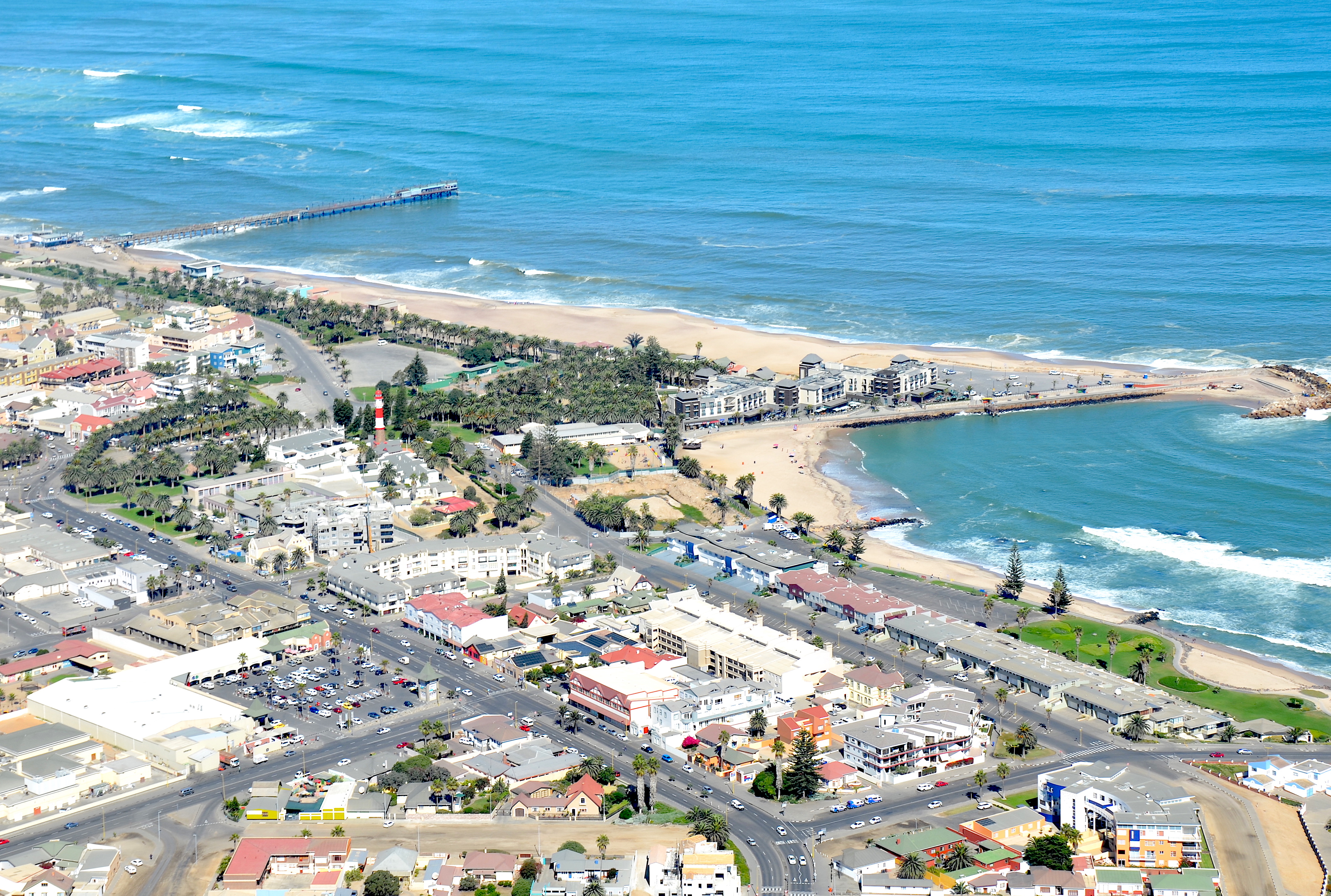 ✦ 78
✦ 78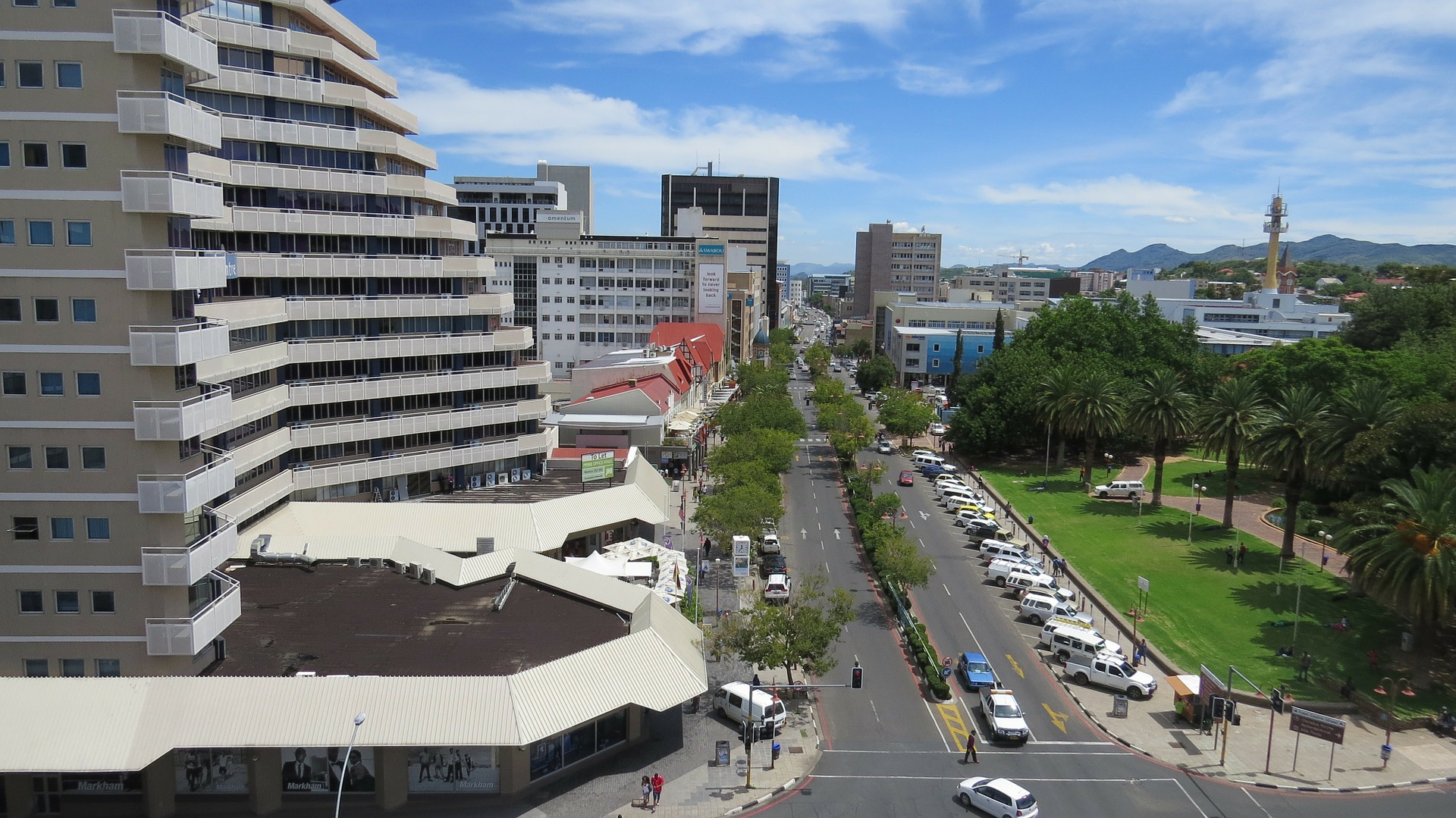 58
58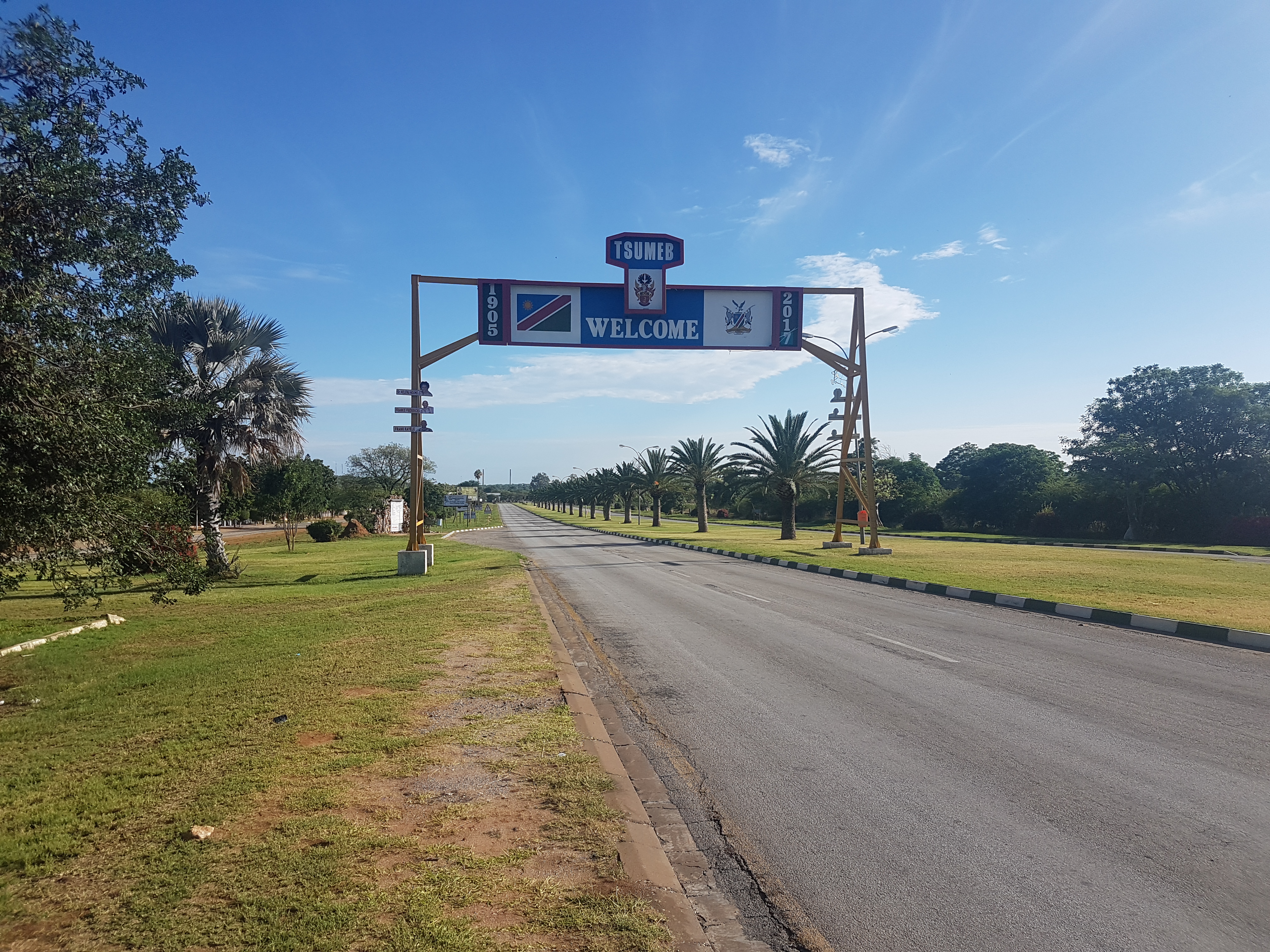 51
51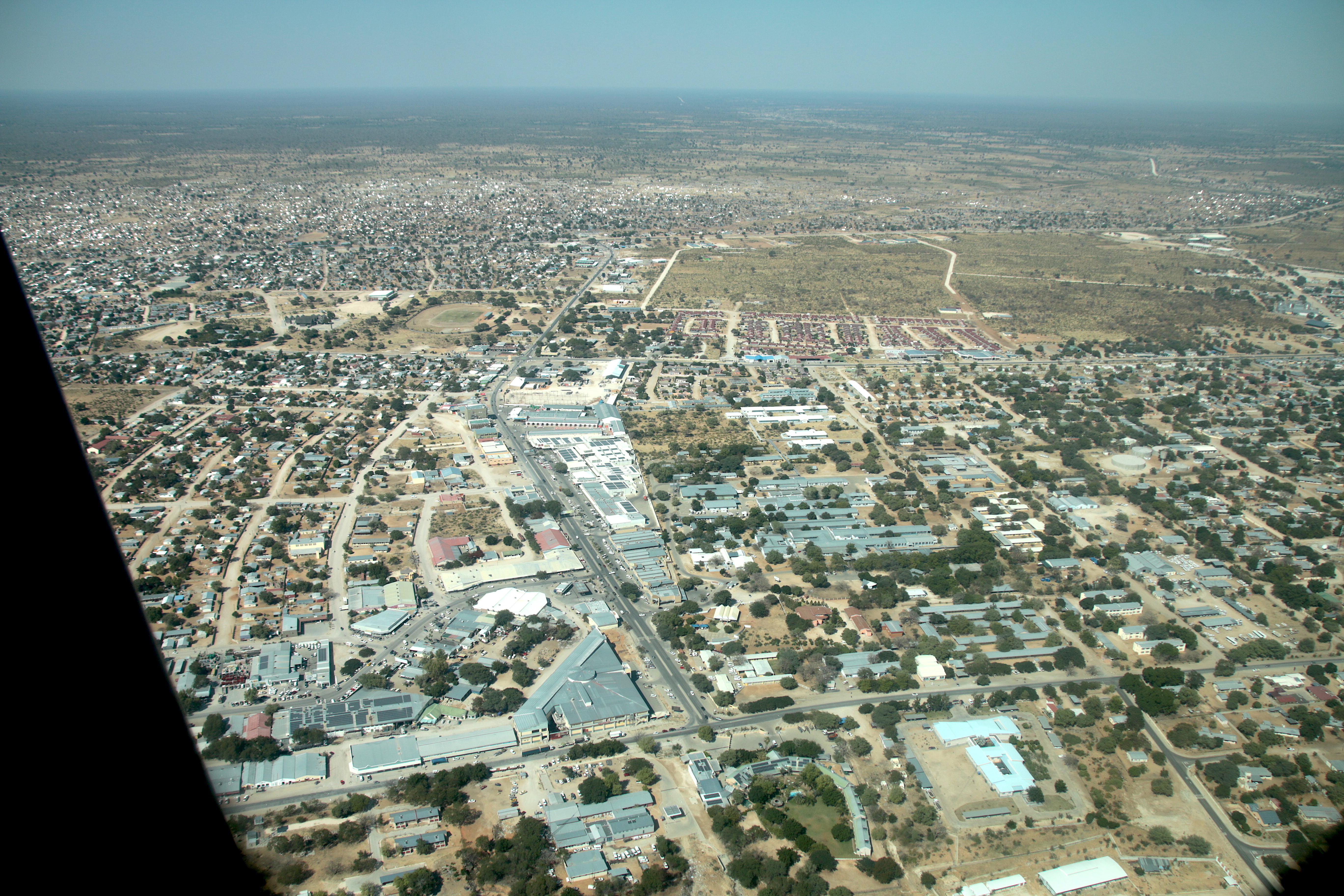 51
51 52
52The housing question nobody explains well
There's a real chicken-and-egg problem to most self-employment permits, and Namibia's isn't an exception even though it doesn't publish the same rigid proof-of-accommodation checklist some countries do. Landlords are often reluctant to sign a lease with someone whose right to stay is still pending, and immigration reviewers can be reluctant to approve a case with no fixed address attached. People solve this different ways: a short-term rental or serviced apartment lease that covers the application window, followed by a proper long-term lease once the permit is actually in hand. Trying to lock in a permanent address before you have any legal status to back it up usually just wastes a deposit if the timeline slips.
Because there's no local bank account requirement tied to this permit, some applicants assume housing logistics will be simpler than they are. In practice, landlords still often want proof of consistent income or a reference, and without a local account that proof has to come from foreign statements, which some landlords aren't used to reading. Bring more documentation than you think you'll need for the first lease; it's the one interaction in this whole process where the counterparty isn't a government office and doesn't have to follow any published standard.
Health insurance is mandatory for the permit itself, and it's worth sorting before you're mid-lease-negotiation rather than after, since some landlords and even some insurers ask for proof of address to issue a policy, and some immigration reviewers ask for proof of insurance before confirming address. Whichever you can get first without the other, get it, and don't assume the sequence will sort itself out.
The gap between approval and actually holding the permit
An approval letter is not the same thing as a stamped, physical permit, and the space between the two is where most of the low-grade panic in this process happens. Because there's no interview and no medical exam attached to this route, the process feels lighter than a lot of comparable countries, but that lightness can be misleading if you assume "approved" means "done." Book onward international travel, sign long-term contracts, or make firm commitments to landlords only once the permit itself is physically issued, not once you've received word that it's coming.
Renewability is one of the better features of this permit, but it's a renewal cycle, not an extension of the same file. Each cycle asks you to demonstrate current self-employment income again, which means the paperwork discipline from your first application doesn't retire once you're in the country, it just goes dormant until the next filing window. People who treat the first approval as the finish line tend to find the renewal harder than it needed to be, because the invoicing and contract habits that made the first case strong quietly lapsed once they were living there.
There's no apostille requirement and no certificate of coverage to chase down, which removes two of the more tedious document-authentication steps that trip people up elsewhere. That's a genuine simplification, but it also means there are fewer external checkpoints forcing you to keep your paperwork current between cycles. The discipline has to be self-imposed.
What the long-term picture actually looks like
This permit does not lead to permanent residency. That's not a technicality buried in fine print, it's the shape of the whole arrangement: you renew, indefinitely, as long as your self-employment case still holds up, and there's no point on this specific track where the requirement to keep proving your income and insurance simply ends. For someone planning a defined multi-year stretch, that's not a problem, it's just the deal. For someone imagining Namibia as a place they'll eventually hold a passport or settle permanently, this particular permit isn't the vehicle for that, and no amount of successful renewals changes that.
What that means practically: don't structure long-horizon decisions, property purchases, children's school enrollment, business investment, around an assumption of eventual settled status that this permit doesn't offer. Plan instead around the renewal cycle itself, treating each period as its own commitment rather than a rung on a ladder. Dependents are allowed on this permit, which matters for families weighing it, but the same ceiling applies to them, since there's no separate track opening up for a spouse or child that the primary applicant doesn't also have.
None of this makes the permit a bad choice. It makes it a specific tool: good for people who want low-friction entry into working and living in Namibia for a defined or open-ended but non-permanent stretch, and a poor fit for people whose real goal is citizenship or unlimited residency rights somewhere.
Namibia versus the obvious alternative
The comparison most people considering this permit are actually running, whether they say it out loud or not, is against a country where a similar freelance or remote-income visa exists but eventually opens onto permanent residency. If citizenship or settled status is the actual goal five or ten years out, that other country wins the decision by default, no matter how much lighter Namibia's paperwork looks today.
Where Namibia wins is procedural friction and openness. No interview, no medical exam, no apostille chain, no local bank account requirement, and no nationality restriction narrowing who can apply. That combination is rare, and for someone who wants to test out living and working from a new base without committing to a years-long bureaucratic chain, it's a meaningfully lower-cost way to do it. The trade is that you're renting the arrangement, not building toward owning it.
The honest way to make this decision isn't to rank the two countries against each other on a feature list. It's to ask which risk you'd rather carry: the risk of investing years into a country's residency ladder that might change its rules before you reach the top rung, or the risk of building a comfortable, renewable life somewhere that was never going to hand you permanent status in the first place. Neither risk is smaller. They're just different bets, and this permit is a clean version of the second one.
Work Permissions
Application Steps
- 1
Research
Verify all requirements for this visa type and country
- 2
Gather documents
Obtain all required documents (passport, financial statements, health insurance, etc.)
- 3
Complete application
Fill out the official application form
- 4
Submit application
Submit all documents to the appropriate consulate or online portal
- 5
Pay fees
Complete payment of application and visa fees
- 6
Attend interview
If required, attend any scheduled interviews
- 7
Wait for decision
Processing times vary from weeks to months
- 8
Travel and activate
Once approved, travel to the country and complete any activation requirements
Compare this visa
Curated comparisons that include this route.
Frequently Asked Questions
Click any question to expand the answer.
Ready to Apply?
Work with trusted visa specialists who handle the paperwork so you can focus on your move.
Get help with this visa →* We may earn a commission if you apply through our link
At a Glance
Last verified: June 8, 2026