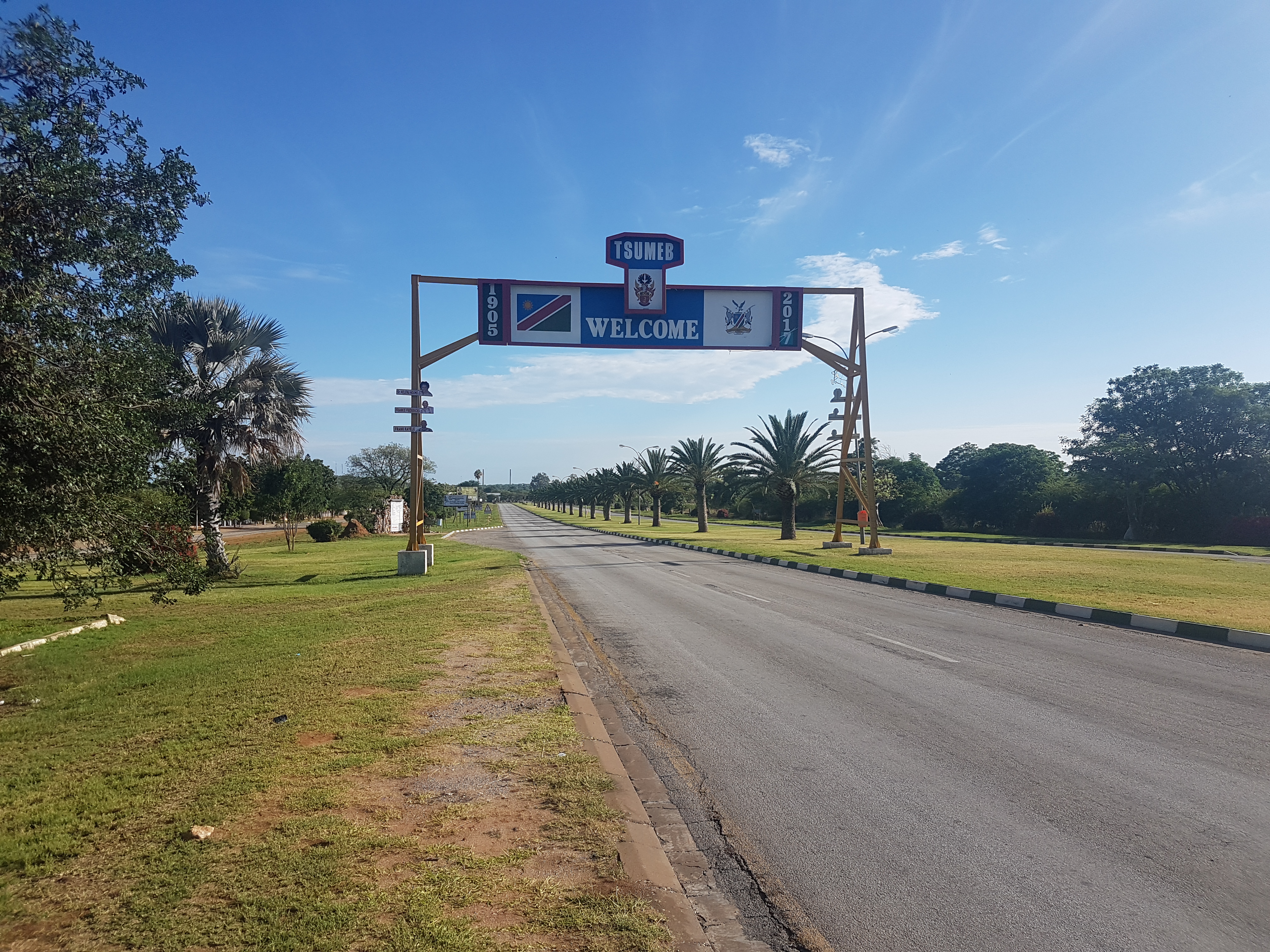
Tsumeb, Namibia
Data updated Sep 29, 2026
📊 Scores
Best fit: FIRE / Geoarbitrage (score: 77)
Mining built Tsumeb and still pays most salaries here. The Tsumeb mine—operational since 1905—produces copper, lead, silver, and gold from one of Earth's most mineral-rich deposits (170+ species cataloged, 20 found nowhere else). Beyond extraction, tourism services and regional commerce matter, but they're secondary. If you're not working in mining, geology, or tourism logistics, job prospects are thin. The town functions as northern Namibia's commercial hub, but employment options for remote workers or service-sector expats are limited.
Rent runs $237/month for a one-bedroom in town—genuinely cheap—but that reflects limited demand and services. Fuel and imported goods cost more than Windhoek due to distance from ports. Healthcare is basic; serious issues require travel to Windhoek (4 hours). Afrikaans and Oshiwambo dominate; English works in tourism and mining sectors but not reliably elsewhere. Bureaucracy is standard Namibian: straightforward but slow. Internet is available but inconsistent. Public transport exists but is unreliable; a vehicle is practical.
Summers are hot and dry; winters mild. Food is meat-heavy and imported-goods-dependent, so cooking at home beats restaurants. Etosha National Park sits 70km away—genuine draw for wildlife enthusiasts. The expat community is small and mining-focused; don't expect vibrant social scenes. Weekends mean game drives, mineral collecting, or drives to Windhoek. Tsumeb suits remote workers seeking extreme affordability, geology enthusiasts, or mining professionals—not people seeking urban amenities or diverse social life.
🏚️ Cost of Living
💰 Budgets and Costs
Grocery Basket
Eating Out
Utilities & Lifestyle
Housing
A 1BR in the center runs about $236.76/mo. If your income is in another currency, bank FX fees add up. A multi-currency account can cut that cost.
See low-fee transfersWe may earn a commission at no cost to you.
💰 Real Spend Reports
🛡️ Safety & Crime
(Higher is safer)
(Lower is safer)
Tsumeb is a moderately safe small mining town with a Safety Index of 55, suggesting manageable but not negligible risks. Property crime and petty theft are the primary concerns; secure your home and avoid displaying valuables. Violent crime exists but is less common than in larger Namibian cities. The town's remote location and tight-knit expat community provide some natural security. Avoid walking alone after dark and exercise standard precautions in central areas. For a 30-65 year-old considering relocation, Tsumeb is reasonably viable if you're security-conscious and accept the trade-offs of a small, isolated town.
Tsumeb has a safety index of 55/100. Petty theft and lost belongings are the most common problems for newcomers. Compare travel insurance before you go.
Compare travel insuranceWe may earn a commission at no cost to you.
🏥 Healthcare
🌤️ Climate
Best Months
Climate Notes
Tsumeb has a semi-arid subtropical climate with hot, wet summers (November–March) and mild, dry winters (May–September), making it ideal for those seeking warm weather with a distinct dry season.
💻 Digital Nomad
Community Notes
| Name | Price/mo | Notes |
|---|---|---|
| iSpace Namibia (Likely nearest location: Windhoek) | $150 | While iSpace doesn't have a direct location in Tsumeb, it's the closest established coworking brand. Remote workers in Tsumeb might consider using their Windhoek location for occasional meetings or a change of scenery. Offers standard coworking amenities. |
| NBII Innovation Village (Likely nearest location: Windhoek) | $100 | Similar to iSpace, the NBII Innovation Village is based in Windhoek but could be a resource for Tsumeb-based remote workers. It provides a collaborative environment focused on innovation and entrepreneurship, with potential for networking and workshops. |
Planning to live in Tsumeb long-term? Namibia Digital Nomad Visa lets remote workers live legally with a minimum income of $2,000/month.
View full requirements →Working remotely from Tsumeb? Nomad health insurance covers you across borders, month to month.
See nomad insuranceWe may earn a commission at no cost to you.
🧳 Expat Life
Expat Life Notes
A historic copper mining town. It is safe, clean, and has a high quality of life for Namibia, though it is quite isolated.
Pros
- ✓ Clean and organized
- ✓ Safe town
- ✓ English widely spoken
Cons
- ✗ Isolated
- ✗ Small social circle
- ✗ Limited job diversity
🛂 Visa Options for Namibia
Many long-stay visas require proof of health insurance. Compare international health plans before you apply.
Compare health insuranceWe may earn a commission at no cost to you.
Earning over $2,000/mo? You may qualify for a Namibia visa.
Answer 10 questions and get a personalized match in under 2 minutes.
Could living/working in Tsumeb cut years off your work life?
With a 1-bedroom in the center at $95/mo, your FIRE number here might be much lower than you think.
Moving to Tsumeb? Estimate what an international move would cost and compare mover quotes.
Estimate my move costShare This Guide
Tsumeb won't stay this cheap forever.
Cost-of-living and visa updates for Tsumeb and the rest of Namibia. Free with RA Postcards.
By submitting your email address, you will receive a free subscription to RA Postcards and special offers from Rewire Abroad and our affiliates. You can unsubscribe at any time, and we encourage you to read more about our Privacy Policy.