Latvia Golden Visa
Latvia · Europe
Data updated Sep 3, 2026
Processing Time
~26 wks
Difficulty
Moderate
Duration
60 months
Path to Citizenship
10 years
Overview
Investors looking at Latvia’s Golden Visa are dealing with a relatively low hard floor by EU standards: you need at least $319,721 in savings, and a qualifying investment. For a concrete example, someone drawing $3,800/month from US ETF dividends and US rental income, plus holding a six‑figure brokerage account, clears the financial sufficiency test as long as they allocate the required amount into the approved Latvian structure. Current data does not clarify whether Social Security, CPP, or UK state pension is explicitly recognized, but any of these can help meet the income requirement if documented.
Residence conditions are unusually light: the permit runs for 60 months and the formal physical presence requirement is 0 days/year, with no publicly specified cap on consecutive absence. That means you can spend most of the year in Thailand, Mexico, or back in the US while using Latvia primarily as an EU foothold and Schengen base, renewing remotely aside from occasional in‑country admin. Compared with something like Spain’s Non‑Lucrative Visa (183‑day residence expectation), this is structurally designed for low‑presence investors, not people relocating full‑time.
From a long‑term planning perspective, this track does lead to deeper status. The program allows progression to permanent residency after 5 years and onward to citizenship after 10 years of legal residence, assuming you later meet Latvia’s substantive residence, language, and civic criteria. The 60‑month validity and renewable status mean you can run a 10‑year play: maintain the Golden Visa with minimal presence early on, then increase physical time in Latvia when you are ready to pursue PR and eventually citizenship.
On the friction side, bureaucracy is moderate but not severe. You are dealing with an apostille requirement, FBI background check, medical exam, or in‑person interview according to the current facts, which removes several common pain points for North Americans. However, you still need to document investment source of funds, demonstrate the required savings, and satisfy the income threshold with bank statements, pension letters, or brokerage reports; practical processing time is estimated at 26 weeks as of 2026, so planning for several months of lead time is prudent.
This route makes most sense if you are an investor or semi‑retiree with the required funds earmarked for foreign investment and predictable income, and a desire for 0‑day presence flexibility while keeping a long‑term citizenship option open. It is a poor fit if your net worth is concentrated in a primary residence you cannot tap, your recurring income is insufficient, or you want fast citizenship without committing a decade‑long timeline.
Eligibility Requirements
Any nationality can apply for the Latvia Golden Visa in principle; the structured eligibility is “all”, with no formal nationality bans written into the program. In practice, applicants from heavily sanctioned or banking‑restricted countries such as Iran, North Korea, Syria, and in some cases Russia or Belarus can encounter blocked payments, enhanced due‑diligence, or outright refusal at Latvian banks and consulates even if the law allows filing. Before investing funds or assembling a full dossier, confirm your nationality’s current treatment and any informal restrictions directly with the Office of Citizenship and Migration Affairs (PMLP) of Latvia, which administers residence permits.
Min Savings
$319,721
Min Age
18 yrs
practical
Duration
60 months
Physical Presence
None required
Requirements Checklist
• Identity: valid passport (minimum six months’ validity and blank pages); passport-sized photographs meeting Latvian biometric standards.
• Financial: bank statements or financial records showing ability to support yourself and dependents; documents proving legal source of investment funds.
• Investment: documents verifying qualifying investment (e.g., investment contract, property deed, company registration extract, bank confirmation).
• Background: criminal record certificate (police clearance) from country of citizenship and any country of residence over the past five years, issued within the last six months.
• Health: health insurance policy valid in Latvia for at least one year, covering necessary medical risks.
• Accommodation: proof of accommodation in Latvia (lease agreement, property ownership document, or official confirmation of accommodation).
• Application: completed Latvia residence permit/Golden Visa application form; government/state fee payment receipt; state duty payment receipt.
• Translation: certified translations of foreign documents into Latvian; apostille or legalization of foreign public documents where required by Latvian law.
Apostille required on official documents
Tax Information
Local tax picture for Latvia Golden Visa holders
Public program materials describe Latvia as operating a standard residence‑based system rather than a territorial or remittance‑only regime, and the structured data for this visa does not specify a special tax regime for investors. That means the key question is whether you trigger Latvian tax residency; if you do, worldwide income is ordinarily taxed, including remote salary, foreign rental income, ETF dividends from a US or Canadian brokerage, and pension distributions. If you do not become a tax resident, Latvian taxation tends to focus on Latvian‑source items such as local employment income, business profits from a Latvian company, or rental income from Latvian real estate.
For FIRE‑style portfolios, the critical issue is capital gains on foreign investments. When you are tax‑resident, gains from selling index funds or ETFs held in a foreign brokerage are generally taxed as capital income; when you are not tax‑resident and have no Latvian‑source gains, those portfolio disposals are usually outside the Latvian tax net. The precise rate and exemptions are not publicly specified in the visa facts, so planning around large realization events (e.g., selling $300,000 of long‑held ETFs) should be done with a local advisor before you spend enough time in Latvia to become resident.
Tax residency in Latvia is normally triggered by day‑count and domicile tests. A 183‑day threshold in a 12‑month period is the standard reference point in Latvia’s domestic law, and there is no indication that merely holding the Golden Visa makes you a tax resident automatically. With a physical presence requirement of 0 days/year for this visa, many investors deliberately stay under tax‑residency thresholds by limiting time in Latvia.
Local filing and registration obligations depend on that residency status. Once you cross Latvia’s residency thresholds or start earning Latvian‑source income (for example, salary from a Latvian company you invested in, or rent from Latvian property), you should expect to obtain a tax ID and file annual returns; deadlines and forms are not disclosed in the visa facts and need to be confirmed with the State Revenue Service (VID). If you use the permit purely as a low‑touch Schengen access tool and do not become tax‑resident or generate Latvian‑source income, your Latvian filing footprint may remain minimal.
The structured data lists the tax regime type as “not specified” and the US tax treaty status as “unknown”. That means you cannot assume a double tax treaty with the US will protect you on Social Security, dividends, or pension income, nor can you rely on a totalization agreement for Social Security contributions. Anyone planning to spend enough time in Latvia to become resident should verify treaty status and coverage (dividends, interest, pensions, capital gains, and Social Security) using the latest bilateral treaty list rather than relying on generic EU assumptions.
For US Citizens and Green Card Holders
A Latvia Golden Visa does not change your US tax obligations. If you work remotely as an employee or consultant while abroad, that earned income can potentially be sheltered using the Foreign Earned Income Exclusion via Form 2555. For 2024, the FEIE limit is $126,500 of earned income only; it does not cover dividends, capital gains, rental income, IRA/401(k) distributions, or Social Security. Given this visa’s 0‑day presence requirement, many investors will qualify under the Physical Presence Test (330 full days outside the US in any 12‑month period) while moving between Latvia and third countries; the Bona Fide Residence Test is more relevant only if you actually settle in Latvia and become a long‑term resident there.
Foreign Tax Credits via Form 1116 become important only once you are paying Latvian tax on the same income the US is taxing. For example, if you are Latvia‑resident and pay Latvian income tax on your remote salary, those Latvian taxes can generally offset US tax on that same salary. If you keep your Latvian tax bill at or near zero by staying non‑resident (spending far fewer than 183 days in the country and avoiding Latvian‑source income), there is no Latvian tax to credit, and the FTC does not reduce US tax on your portfolio income.
Banking and reporting are easy to underestimate. Any Latvian bank or brokerage account you open—especially if this visa later proves to require a local account, which the current facts do not specify—counts toward the FBAR (FinCEN 114) threshold. Once your aggregate foreign financial accounts exceed $10,000 at any point in the year, you must file FBAR, separate from your tax return. FATCA Form 8938 has higher thresholds but a broader asset scope; failing to file either can trigger penalties starting around $10,000 per form, per year for non‑willful violations.
For a Latvian Golden Visa strategy, the practical stack is:
- A US expat‑focused CPA who understands FEIE, FTC, FBAR, and Form 8938 interaction with an EU residence permit; and
- A Latvian tax advisor who can tell you exactly when you become resident, what income Latvia will tax, and how to register correctly.
The $1,500–$3,000 you spend in year one on those two specialists usually repays itself via optimized FEIE/FTC choices, correct treaty application if one exists, and avoiding multi‑year FBAR/FATCA penalty exposure once you start moving $66,000+ into Latvian structures.
Living in Latvia
COL Index vs NYC
43.4
Monthly Cost (excl. rent)
$898
1BR Rent (City Center)
$440
Safety Index
62.9
Healthcare Index
62.4
Quality of Life Index
164.7
Time Zone
UTC+02:00
Capital
Riga
Population
1.9M
Official Languages
Latvian
Avg Internet Speed
284 Mbps
Public Transit Quality
Good
With a budget covering rent and living costs, you'd need roughly $1,338/mo for a comfortable single-person lifestyle in Latvia.See how far your money goes →
🏙️ Best Cities in Latvia for Golden Visa Holders
 74
74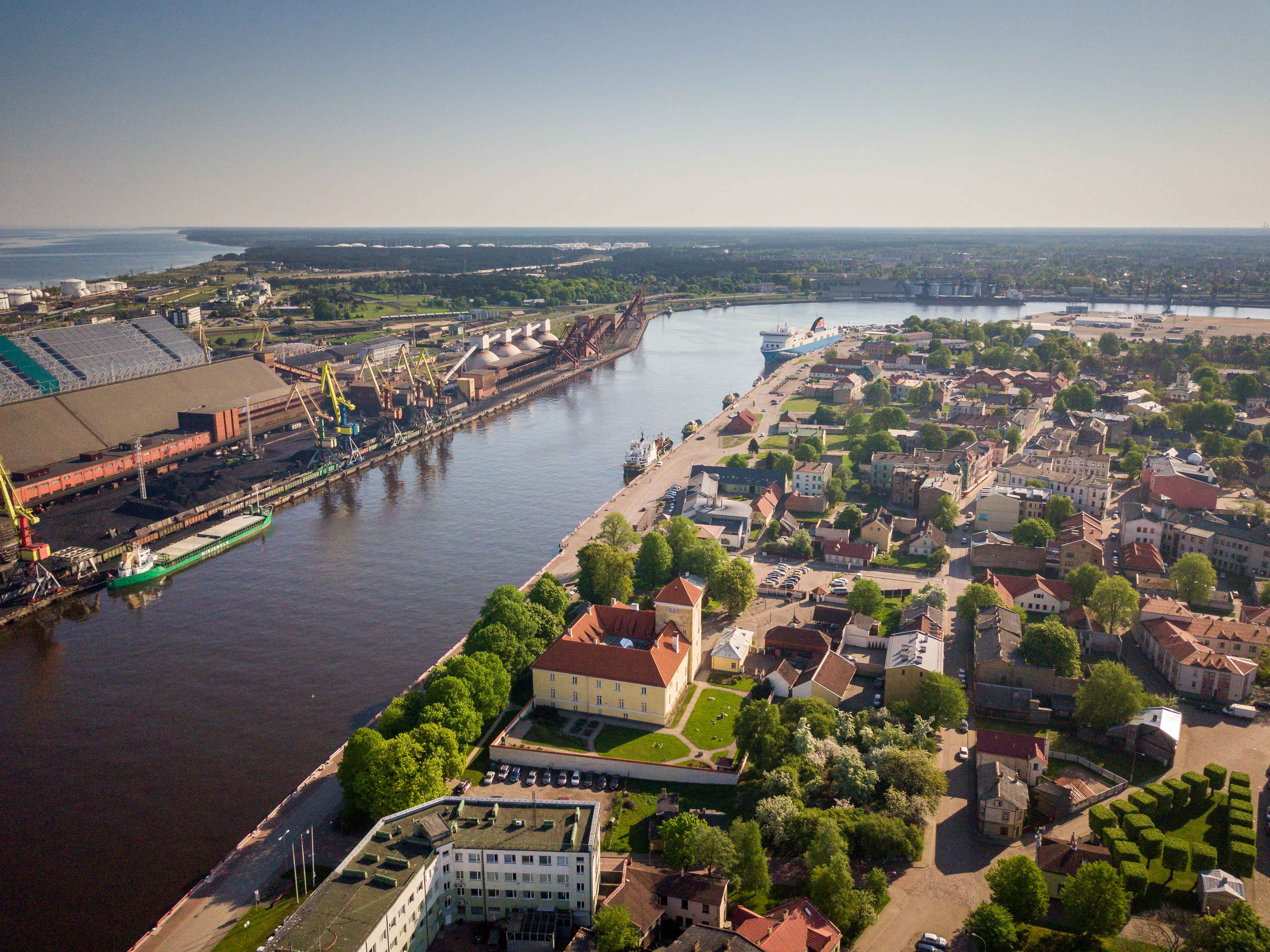 ✦ 77
✦ 77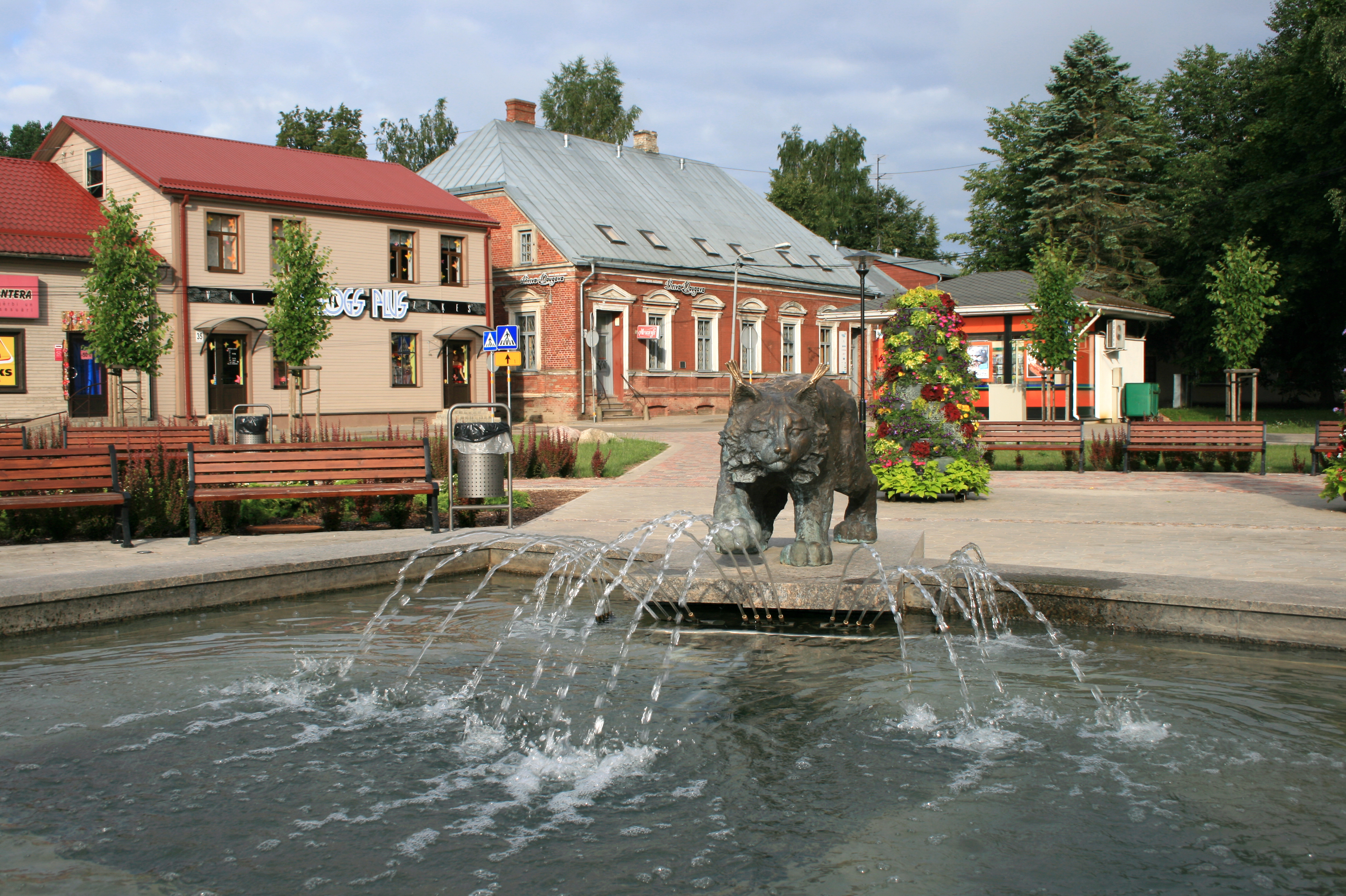 ✦ 75
✦ 75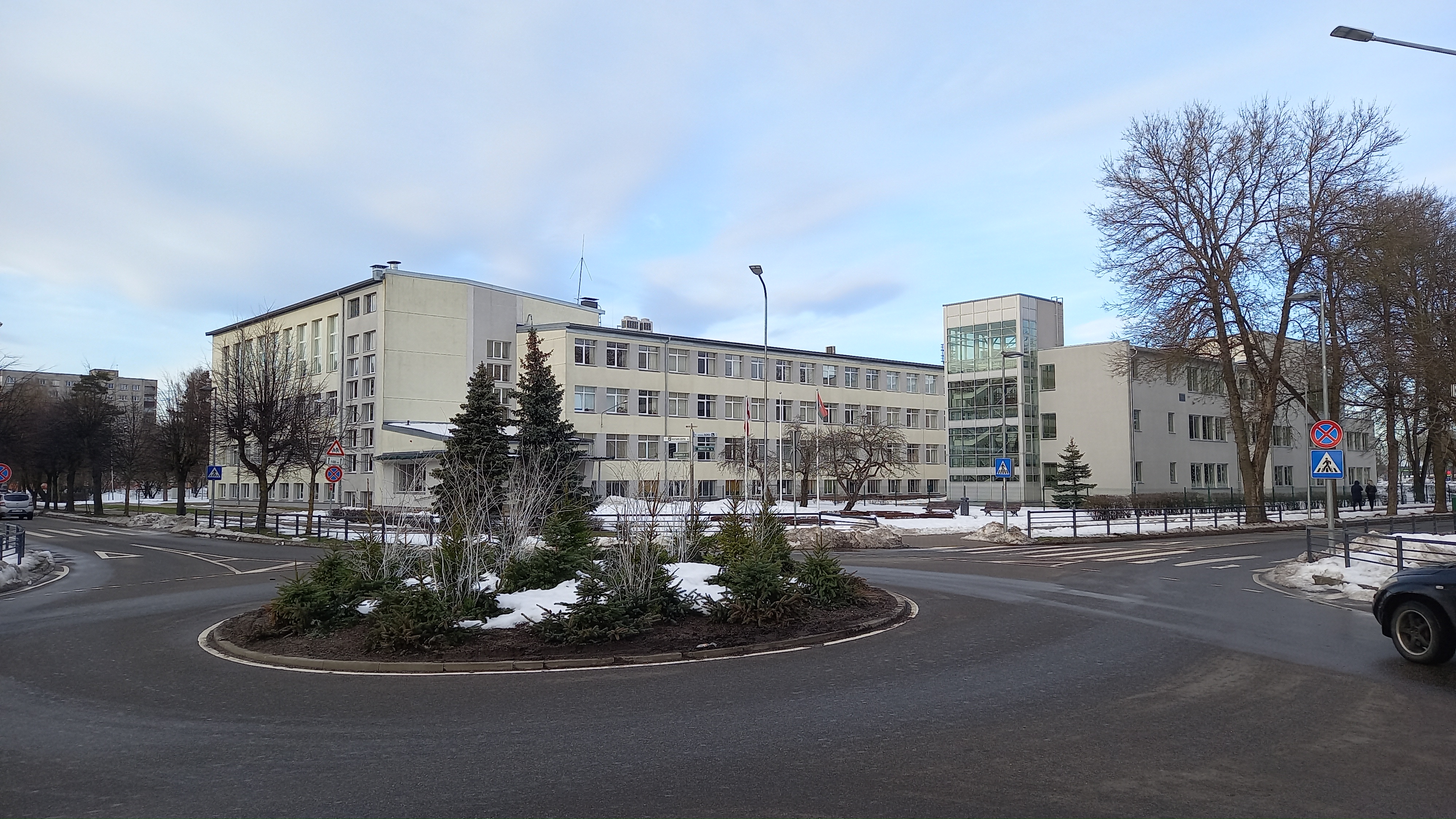 ✦ 87
✦ 87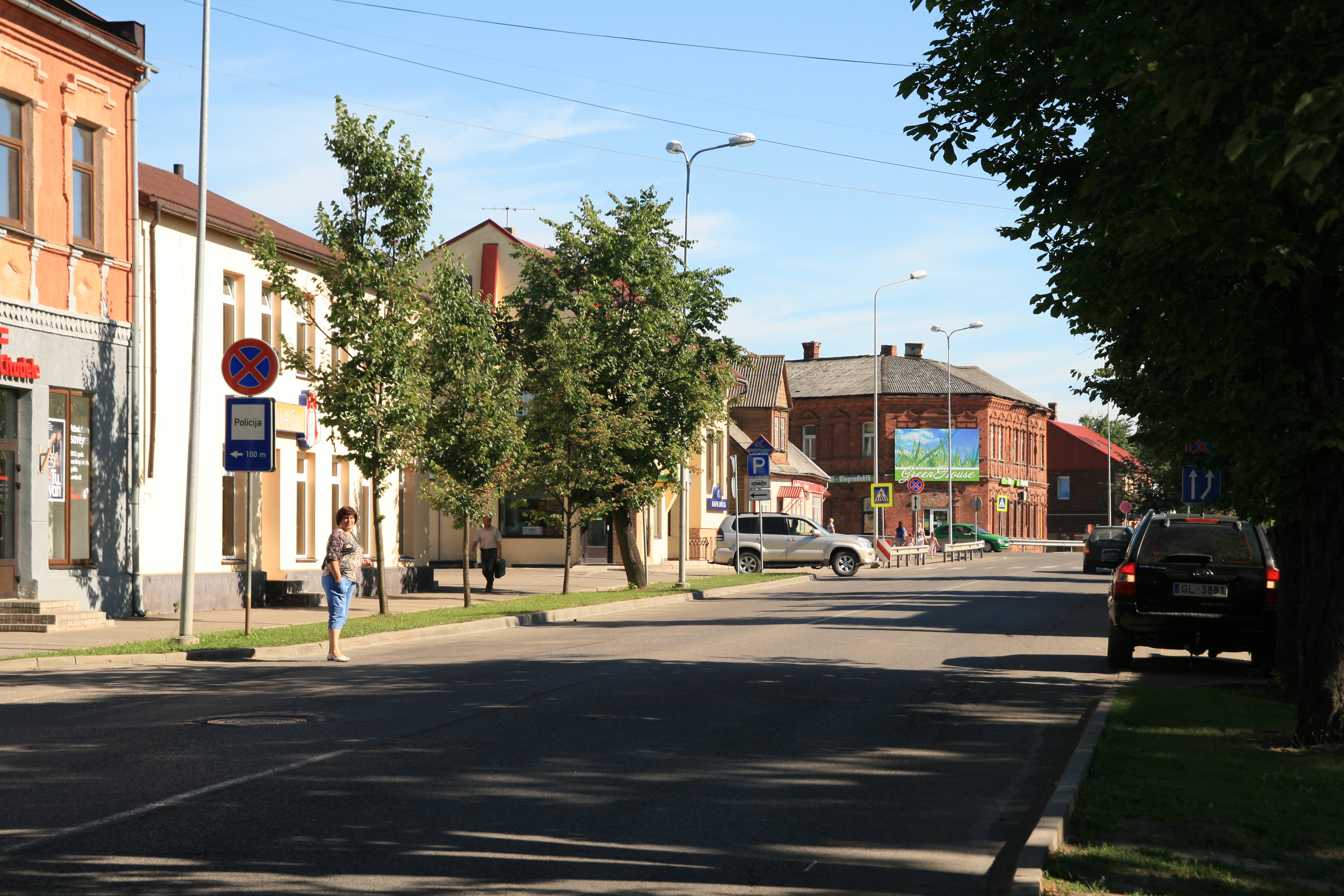 66
66 ✦ 78
✦ 78The Latvian address problem you can't outsource
Proof of accommodation has to exist before you have residency, which puts applicants in an odd position: you need a lease or ownership document in Latvia to file, but you don't yet have any status there to make signing one straightforward. Most people solve this remotely, working with a local lawyer or agent to execute a lease sight-unseen, and this is where the mistakes cluster.
A short-term rental booking, even a long one, frequently doesn't satisfy what the consulate wants to see. They're generally looking for something that reads as a real tenancy or ownership arrangement, not a booking confirmation from a platform built for tourists. Landlords unfamiliar with the golden visa process sometimes provide a lease that's legally fine but missing the specific language or registration details Latvian officials expect, and that mismatch surfaces only when the file is already under review, not when you signed it.
There's a second layer beyond the lease itself: once you're in Latvia, address registration with the local municipality becomes its own administrative step, separate from having proof of accommodation on paper. People assume the lease that got them through the embassy stage automatically covers this, and it doesn't always. If you're buying property rather than renting, the deed itself typically satisfies the accommodation requirement more cleanly, but property purchases carry their own closing timelines that need to be sequenced against your embassy appointment, not treated as something you'll sort out after approval.
The practical fix is to treat the housing document as a legal filing, not a logistics task. Have a Latvian-based lawyer review the lease or purchase agreement specifically for what the residence permit application needs, before you sign, rather than assuming any standard rental contract will pass.
What happens between approval and holding a real permit
Embassy approval is not the finish line, it's the point where the process physically relocates. After the consulate signs off, you and any dependents included in the application need to travel to Latvia to actually collect the permit, which means the approval itself is conditional on a step that hasn't happened yet. Applicants sometimes treat the embassy stage as the hard part and the collection trip as a formality, and that's backwards. It's a required in-person action, and if a dependent can't make the trip on the same timeline, that person's permit doesn't materialize just because yours did.
Because there's no interview requirement and no medical exam, the process front-loads almost all its friction into document review rather than in-person vetting, which means the embassy stage is where problems get caught, and the collection trip in Latvia is comparatively administrative. That's a different rhythm than golden visa programs that require a formal interview or medical clearance partway through, and it changes how you should think about risk: the paperwork submitted at the consulate is doing nearly all the work, so anything ambiguous in that file is worth resolving before submission rather than hoping it gets a chance to be explained later.
The initial permit runs 60 months, five years, which lines up with the point at which permanent residence becomes available. That's a deliberate design, not a coincidence: the program is built so the investment-linked residence period and the PR eligibility clock are the same five years, rather than PR requiring some separate waiting period stacked on top. What that means practically is that the five years between collecting your permit and applying for PR is time you're expected to use for renewals and continued compliance, not a passive waiting room.
The five-year and ten-year clocks are not the same clock
Permanent residence arrives at five years. Citizenship, on paper, sits at ten. The mistake is assuming the second five years works the same way as the first, just with less paperwork. It doesn't, and treating PR as the end of the process rather than the midpoint is how people end up unprepared for what citizenship actually asks for later.
The investment and income requirements that got you the initial permit are largely about proving self-sufficiency at entry. PR and citizenship shift the ask toward integration, and while the mechanics of that shift aren't the kind of thing you can shortcut with a bigger bank balance, they're also not the kind of thing to leave until year four. If citizenship is truly the goal rather than PR as an endpoint in itself, it's worth building habits early, primarily around language and demonstrable ties to the country, rather than arriving at the ten-year mark having treated Latvia as a mailing address with a five-year visa attached.
Local work is permitted from the start, which matters more than it might seem for this exact reason. A golden visa holder who never engages with Latvia beyond the initial investment is in a structurally weaker position by year eight or nine than one who's built some actual footprint there, even a light one. The visa doesn't require it. The later stages of the path implicitly reward it.
Latvia against the other obvious golden-visa options
The comparison most applicants actually run is against Portugal, and the honest answer is that Portugal wins on brand recognition and loses on almost everything else that matters to someone earning US remote income in the $4,000-$10,000 range. Portugal's program has been through repeated political revisions to what counts as a qualifying investment, and applicants there have spent the last few years absorbing rule changes mid-process. Latvia's structure has been comparatively stable, and a lower entry investment threshold, at $68,512 as of 2026, puts it within reach of people who'd otherwise need to stretch hard for a Southern European program.
What Latvia doesn't offer is the lifestyle pitch. Nobody picks Riga for the climate the way they pick Lisbon or the Algarve, and if warm-weather living is actually the point of relocating, that's a real trade-off, not a marketing gap you can talk yourself out of. The application fee here, $11,419 as of 2026, is also not trivial against a smaller investment base, so the total cost of entry isn't as dramatically lower as the headline investment figure suggests.
Where Latvia clearly wins is predictability and EU access without the oversubscription problems that have hit some higher-profile programs. If the goal is a stable five-year path to PR with a straightforward document-driven process and no interview to prepare for, Latvia is the more boring choice, in the specific sense that boring is what you want from an immigration process. If the goal is Mediterranean lifestyle first and residency status second, this isn't the program built for that.
Work Permissions
Application Steps
- 1
📋 Research investment options
1-2 weeks
- 2
📄 Gather personal documents
2-4 weeks
- 3
📋 Complete qualifying investment
2-4 weeks
- 4
📅 Book embassy appointment
1-2 weeks
- 5
📬 Submit application at embassy
Same day
- 6
⏳ Wait for processing decision
2-4 months
- 7
🏛️ Collect residence permit
1-2 days
Frequently Asked Questions
Click any question to expand the answer.
Ready to Apply?
Work with trusted visa specialists who handle the paperwork so you can focus on your move.
Get help with this visa →* We may earn a commission if you apply through our link
At a Glance
Last verified: July 15, 2026