Min Monthly Income
$2,500
Application Fee
$150
Processing Time
4-39 wks
Difficulty
Moderate
Duration
6 months
Path to Citizenship
3 years
Overview
The Rentista visa is built around one idea: money that keeps showing up whether or not you show up for work. That single requirement separates it from remote-work visas elsewhere in the region, and it's the detail that trips up applicants who treat all income as interchangeable. If your $2,500 a month, as of 2026, comes from a pension, Social Security, or investment distributions, the case is straightforward to build. If it comes from invoicing US clients as a freelancer, the case gets harder, because the program isn't asking whether you have cash flow, it's asking whether that cash flow would keep arriving if you stopped working entirely this month.
That distinction decides who this visa actually fits. Retirees living on Social Security, a pension, or a diversified portfolio are the clean match, since Honduras counts both pension and social security income toward the threshold and doesn't require an interview to defend it. Remote employees and freelancers earning $4,000 to $10,000 a month sit in murkier territory. The number clears the bar easily, but the character of the income doesn't match what the category was designed to recognize, which means the paper trail has to be built with more care than the income figure alone would suggest.
The bigger trade-off is time, not money. Processing runs close to a year, and the visa grants no right to work inside Honduras, so anyone still earning active income needs a plan for how that income gets received, taxed, and documented from outside the country for most of a year before anything gets finalized. There's also a $50,000 investment path some applicants use instead of pure income documentation, which changes the shape of the decision entirely for people sitting on capital rather than monthly income. The real question isn't whether you can afford to live in Honduras. It's whether you can structure income the government will read as passive, and whether you're willing to wait roughly a year to find out if they agree. Get that part right early and the rest of the process is largely mechanical.
Eligibility Requirements
Min Income
$2,500
Min Investment
$50,000
Application Fee
$150
Min Age
18 yrs
Duration
6 months
Physical Presence
1 days/yr
Remote Work / Freelance · Pension / Social Security · Savings · Passive / Investment Income · Business Income
W2 Employee (foreign employer) · 1099 Contractor · Business Owner · Self-Employed
Requirements Checklist
Tax Information
How Honduras Taxes What You Bring With You
Honduras taxes residents on worldwide income, not just what you earn inside its borders. Once you're settled under the Rentista visa, the tax authority treats you as resident and pulls in your US pension, brokerage gains, rental income from a house you still own in Ohio, and any freelance or remote work income you might do while there. The progressive schedule as of 2026 runs from 0% on the first HNL 228,324 (roughly $9,200) up to 15% on income above that up to HNL 348,154 (about $14,100), 20% on the next bracket up to HNL 849,660 (around $34,400), and 25% on everything above. Capital gains sit outside that schedule entirely: a flat 10% on the net gain for both residents and non-residents, with non-resident sellers facing a 4% withholding on the gross sale price as an advance credit against the final bill. Dividends from Honduran companies carry a flat 10% withholding regardless of where you live.
The part that catches retirees off guard is the retirement income. Honduras has no income tax treaty with the United States, so there is no treaty shield reducing local tax on US-source retirement income. Foreign pensions get folded into ordinary progressive rates once you clear the modest annual exempt threshold. US Social Security benefits are treated as ordinary foreign-source income and taxed the same way, since no totalization agreement exists between the two countries. Distributions from a 401(k) or traditional IRA face the same treatment, taxed as worldwide income at rates up to 25% with nothing to offset it locally. Roth distributions fare better in practice: the return-of-principal portion is generally left alone, though Honduras has no specific rule addressing the earnings component, which leaves a small gap of ambiguity rather than a clean exemption.
What the IRS Still Wants From You
Honduras offers no general tax incentive regime for foreign residents. The one preferential rate in the system, a reduced 4% flat rate on capital gains, applies only inside the ZOLITUR free trade zone and has nothing to do with residency status or visa type. Unless you're doing business inside that zone, you're in the standard regime described above, full stop. There's no registration window to miss here because there's no regime to register for.
Moving to Honduras changes nothing about your US filing obligation. Citizens and green card holders report worldwide income to the IRS every year regardless of where they live, and Honduras not having a tax treaty with the US means there's no savings clause discussion to have, because there's no treaty to invoke in the first place. The Foreign Earned Income Exclusion still works the way it always does: it shelters earned income only, remote salary or freelance revenue, up to $132,900 for the 2026 tax year, and it does nothing for dividends, capital gains, rental income, pensions, or Social Security. Qualifying requires either the bona fide residence test or the physical presence test, the latter demanding 330 days inside any consecutive 12-month period, and Honduras allows either path depending on how your first year actually plays out. A modest housing exclusion, in the range of $15,000, can stack on top of the FEIE if your qualifying costs support it. Because Honduras taxes the same pension and investment income the IRS also taxes, the Foreign Tax Credit via Form 1116 becomes the more useful tool for retirees, offsetting US liability dollar for dollar against Honduran tax paid, though at higher income levels the credit only partially closes the gap since Honduras's top rate of 25% sits well below the US top rate of 37%.
The Rentista visa itself requires opening a Honduran bank account, and that account brings FBAR into play the moment your combined foreign account balances cross $10,000 at any point in the year. FinCEN Form 114 filing is not optional once that threshold trips, and skipping it carries a non-willful penalty of $10,000 per violation under the statute, adjusted for inflation to roughly $16,700 in 2026. Honduras has no FATCA intergovernmental agreement in force, but Honduran banks may still report account information under FATCA rules on their own, and Form 8938 obligations can run in parallel with FBAR depending on your balances.
Get help before the first tax season closes rather than after. The bona fide residence versus physical presence election matters if you do any remote work at all, since choosing wrong can cost you the FEIE for that year entirely and there's no do-over once the filing deadline passes. The mandatory bank account tied to the visa means FBAR isn't a maybe, it's a certainty, and treating it as an afterthought is how people end up explaining a missed filing to the IRS years later. Retirement income deserves its own look too, since pensions, Social Security, and IRA distributions all land on the Honduran return with no treaty to soften them, and getting the Form 1116 credit calculation right is the difference between double taxation and a manageable bill. Budget somewhere between $1,500 and $3,000 for a first-year professional to get all of this set up correctly.
Living in Honduras
COL Index vs NYC
34.6
Monthly Cost (excl. rent)
$650
1BR Rent (City Center)
$436
Safety Index
22.8
Healthcare Index
38.1
Quality of Life Index
84.6
Time Zone
UTC-06:00
Capital
Tegucigalpa
Population
9.9M
Official Languages
Spanish
Avg Internet Speed
133 Mbps
Public Transit Quality
Poor
With a budget covering rent and living costs, you'd need roughly $1,086/mo for a comfortable single-person lifestyle in Honduras.See how far your money goes →
🏙️ Best Cities in Honduras for Passive Income Residents
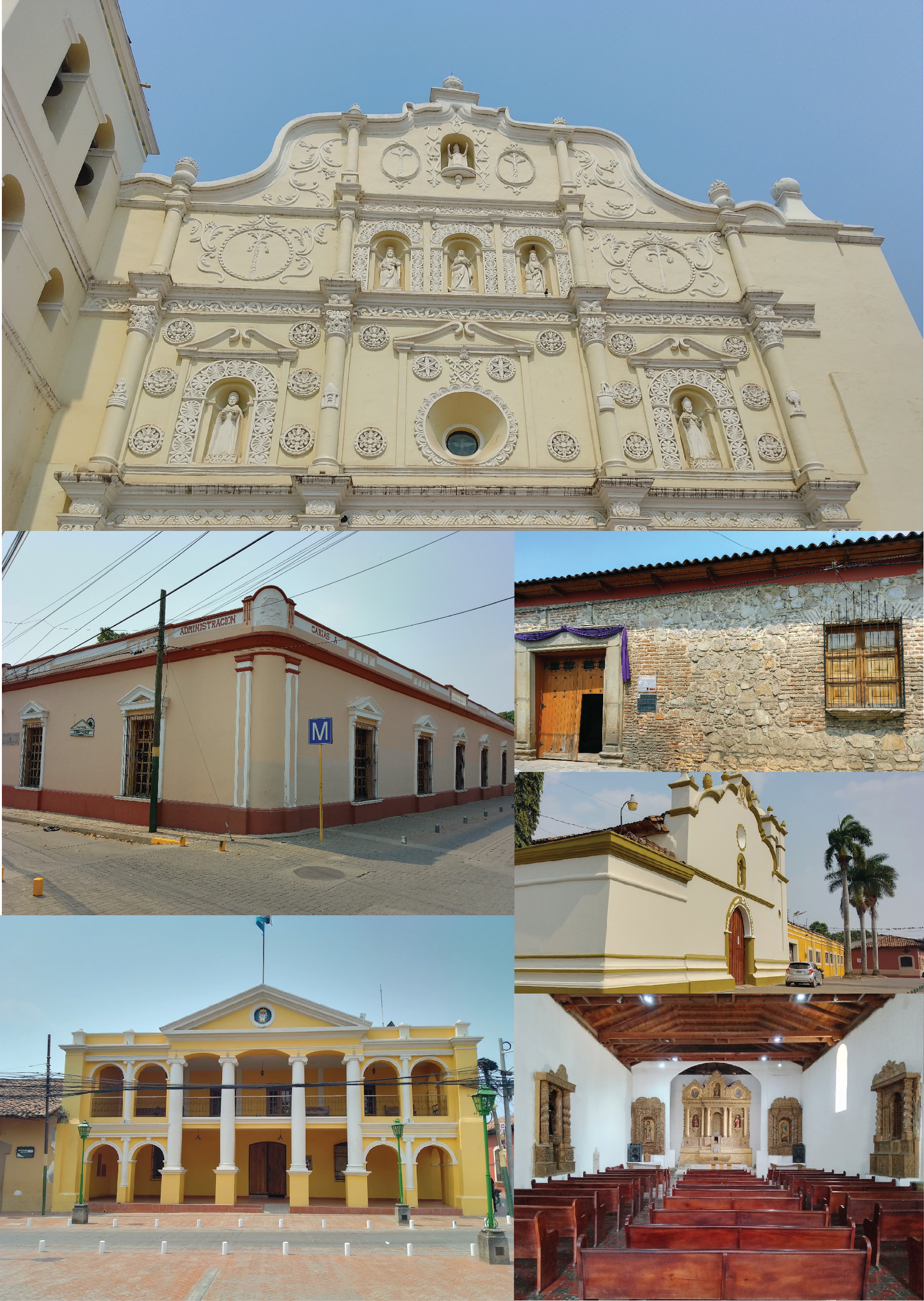 43
43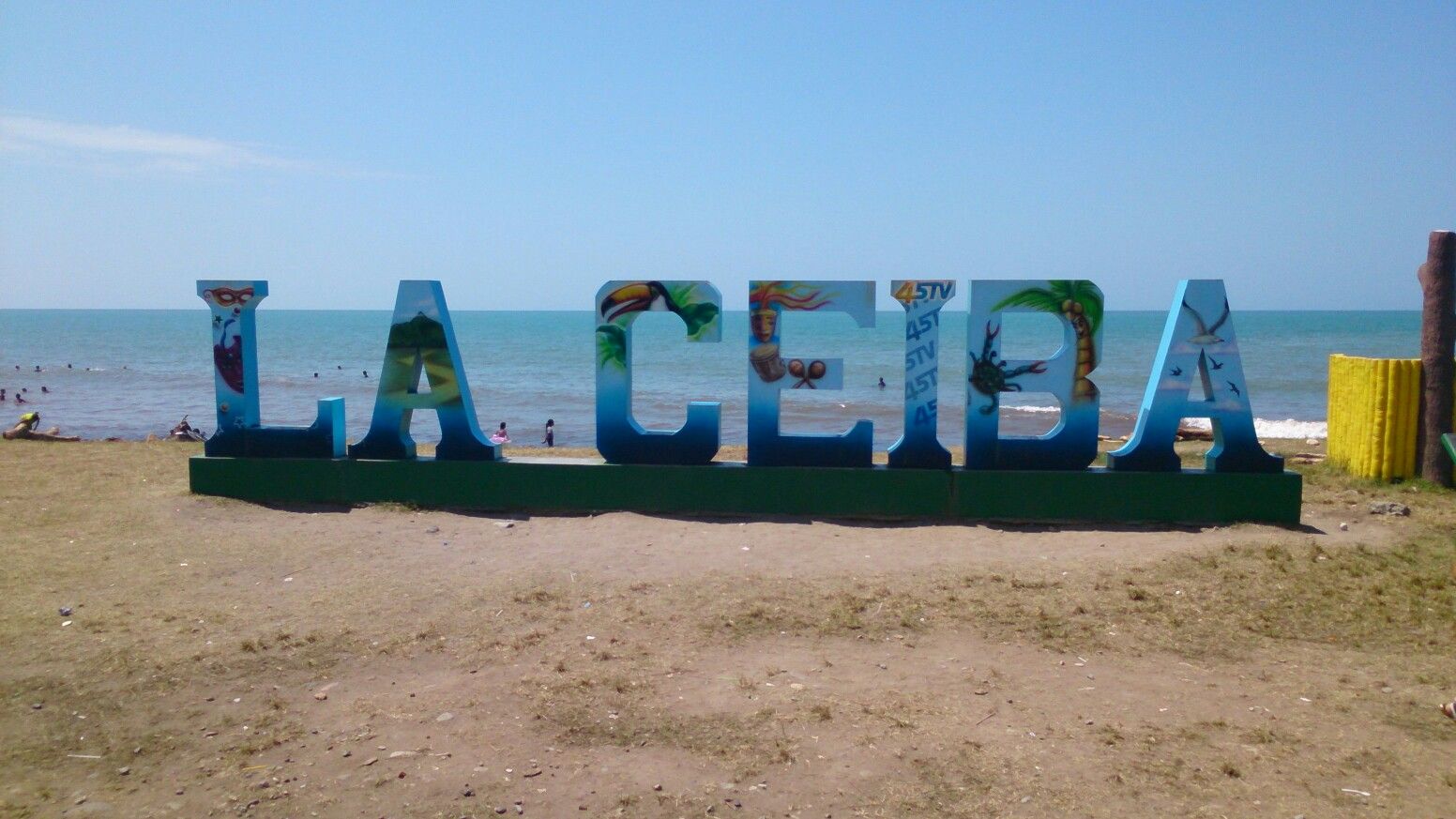 43
43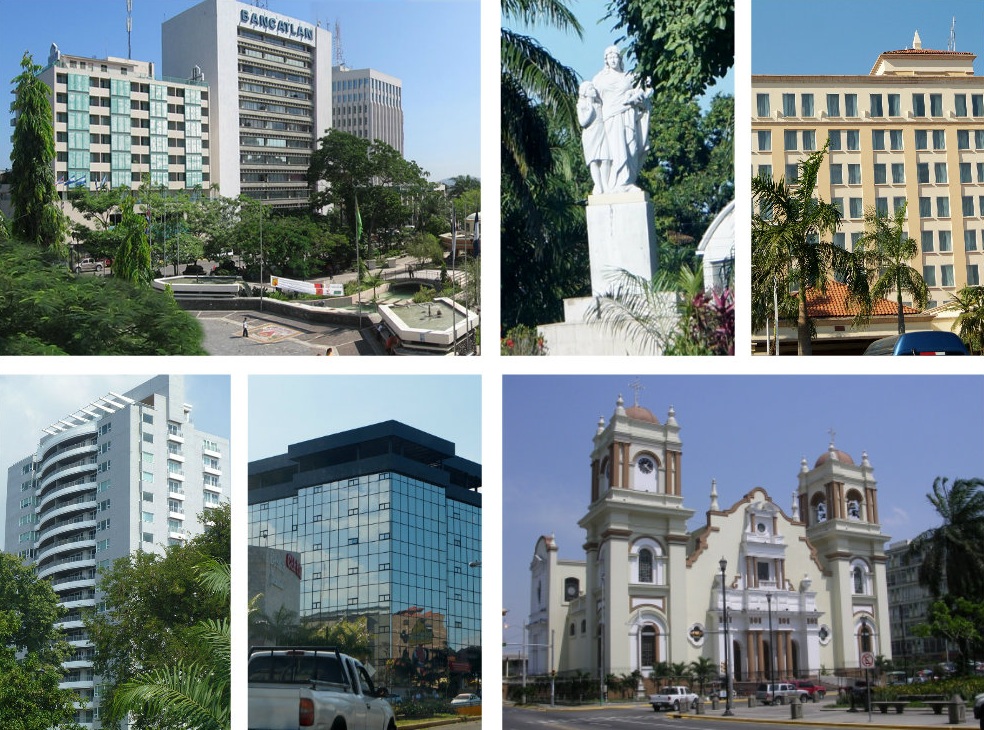 48
48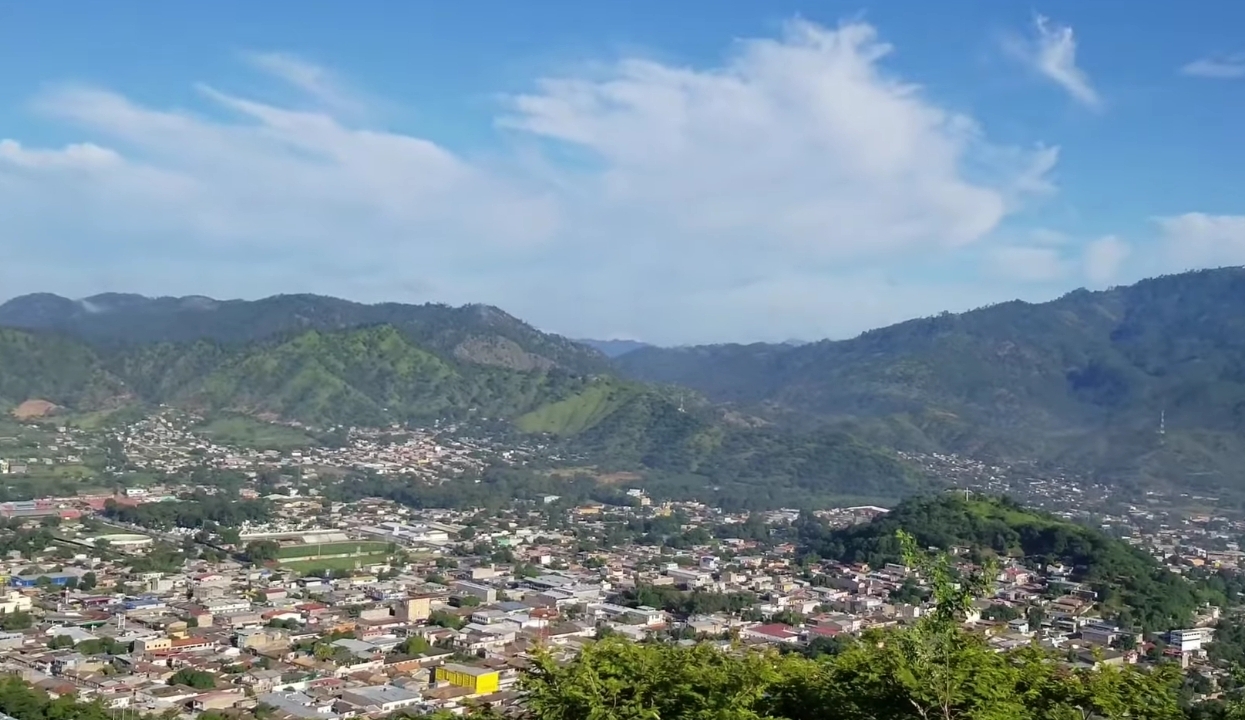 41
41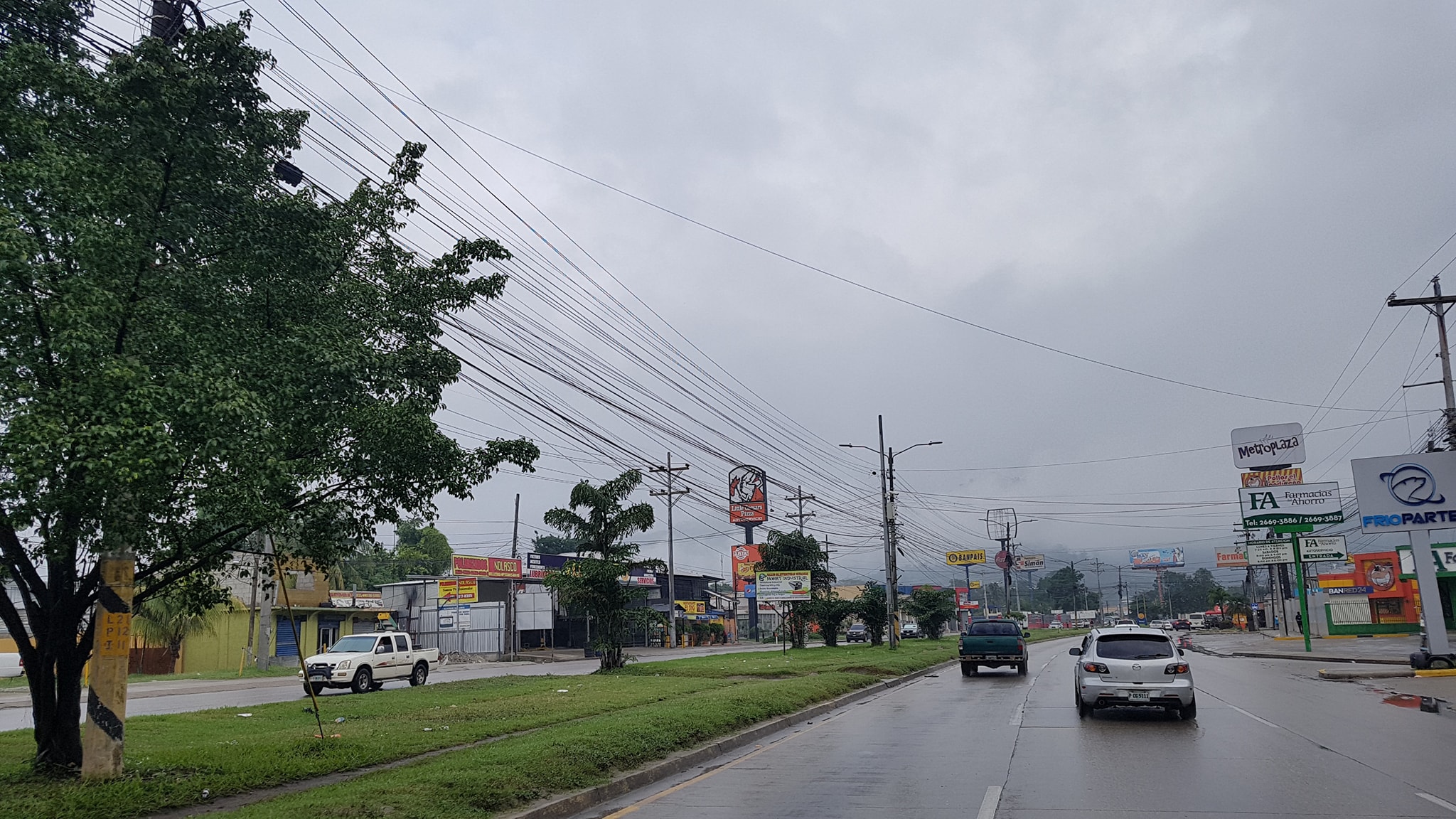 49
49Getting the income documentation story straight before applying
The mistake most applicants make is treating the $2,500 monthly threshold (as of 2026) as the finish line rather than the starting point. Consulates and immigration officers reviewing a passive-income case aren't just checking whether the number clears, they're checking whether the income has a history. A pension or social security deposit that's been landing in the same account for years reads as exactly what it is. A large lump sum that appeared in a bank account two months before filing reads as staged, even when the underlying money is completely legitimate, and it invites requests for further documentation that slow down a process that's already close to a year long.
Sequencing matters more than people expect. The FBI background check and any income documents originating in the US need apostille before they're useful here, and apostille turnaround is its own separate timeline that has nothing to do with Honduras and everything to do with how fast your home state processes requests. Applicants who wait until they've gathered every other document before starting the apostille step end up adding months to a process that doesn't need the extra delay. Start that piece first, treat everything else as running in parallel.
The local bank account requirement creates its own trap. Opening the account too early, before you have a residency case to attach it to, sometimes triggers separate scrutiny under local banking compliance rules that have nothing to do with immigration. Opening it too late means you can't demonstrate the account activity immigration officers eventually want to see. There's no universal right order here, but the accounts that read cleanest are the ones opened with a clear, documented purpose tied to the application already underway, not accounts sitting open and idle for a year waiting for a visa decision.
Freelancers and remote employees attempting this route should expect to spend more effort here than a retiree would. Framing consulting income as recurring, contract-based, and reasonably predictable, supported by multi-year invoicing history rather than a few strong recent months, is the difference between a file that gets approved on the numbers and one that gets flagged for a income character nobody quite anticipated.
The address problem that shows up later than it should
Nobody plans their Honduras address around a residency application, and that's exactly why it becomes a problem. Applicants sort out flights, income documents, and background checks months in advance, then land in the country and figure the housing question will sort itself out once they're on the ground. It usually does, eventually, but immigration processes aren't forgiving of "eventually," and a permit application that needs a fixed local address attached to it stalls when that address is a two-week Airbnb booking with no lease behind it.
The documents that hold up under review are the ones tied to the applicant by name, dated in a way that makes sense against the rest of the timeline, and consistent with whatever address appears elsewhere in the file. A short-term rental confirmation rarely satisfies that bar on its own. A signed lease does, even a modest one, provided the name on the lease matches the name on the visa application exactly, including middle names and any discrepancies between how a name appears on a US passport versus a Honduran document.
The people who get this wrong tend to fall into one of two patterns. Either they arrive without any housing arranged and try to assemble the paperwork reactively once they're already mid-process, losing weeks to something that could have been solved before departure, or they arrange housing early but under a spouse's name, a property manager's name, or a company name, not realizing the residency file needs the tenant of record to be the applicant. Sorting this before departure, even loosely, saves more time than almost any other single piece of preparation, precisely because it's the piece people assume will handle itself.
What happens between visa approval and holding a real permit
Approval is not the same as having something in hand you can use day to day, and the gap between the two is where a lot of applicants lose momentum. The physical presence requirement here is unusually light, a single day inside the country is enough to move the process forward, which is good news for anyone who doesn't want to relocate before a decision is final. But that one day still has to be timed correctly, coordinated with whatever local steps require an in-person appearance, and it tends to matter more than its brevity suggests.
There's no medical exam and no interview built into this process, which removes two of the more unpredictable steps that slow down comparable programs elsewhere. What remains is largely a paperwork sequence: health insurance has to be in place, the local bank account has to exist and show the activity immigration wants to see, and the underlying income documentation has to hold up to whatever secondary review happens once the file is actually in front of an officer rather than sitting in a queue.
The permit that comes out the other end is not indefinite. It's an initial six-month grant, renewable, which means the first document you receive is explicitly a starting point rather than a settled status. Anyone treating that first permit as the finish line ends up scrambling months later when renewal comes up faster than expected, particularly given how long the front end of the process already took. Building the renewal timeline into your plans from day one, rather than after landing, avoids the scramble.
What permanent residency and citizenship actually require
On paper, the path forward looks generous. Honduras counts continuous time under the Rentista status toward both permanent residency, at five years, and citizenship, at three. That's a shorter runway to citizenship than most people expect from a passive-income program, and it's worth taking seriously as a reason this route appeals to people planning an actual long-term move rather than a few years of lower cost of living before returning home.
What the timeline doesn't tell you is how much of that period depends on consistent renewal, consistent income documentation, and not letting the six-month permit lapse between renewal cycles. A gap in valid status, even a short one caused by a missed renewal window, tends to reset assumptions that immigration officers make about continuous residency, and continuous residency is the entire basis for both the permanent residency and citizenship timelines. The renewable structure sounds simple until you're the one tracking a six-month clock for years in a row, across multiple renewal cycles, each one requiring the same income proof you assembled the first time around.
The honest way to think about this is that the legal timeline and the practical timeline are two different things. The legal timeline says three years, five years. The practical timeline includes however long the initial approval takes, plus every renewal that has to be filed on time, plus the discipline required to keep bank activity and income documentation current the entire way through. Anyone treating the three-year citizenship figure as a countdown that starts the moment they land is going to be disappointed by how much administrative maintenance sits underneath that number.
Honduras against the pensionado alternatives
The comparison everyone makes eventually is Honduras against Costa Rica's Pensionado or Rentista routes, or against Panama's residency options for people with steady income. The honest version of that comparison isn't about which program is better, it's about what kind of applicant each one is built for and how much friction you're willing to absorb along the way.
Honduras asks for less in some ways. There's no interview, no medical exam, and the fee sits at $150 as of 2026, low compared to what similar programs in the region charge once legal and translation costs are added on. What it takes back is time: processing runs close to a year, which is long enough that anyone comparing options purely on speed will look elsewhere first. Costa Rica and Panama both have reputations for faster movement on comparable categories, though the actual experience varies enough by case that nobody should treat regional reputation as a guarantee.
The deeper judgment call is about local work. Honduras doesn't permit it under this status, full stop, which matters most to the remote employees and freelancers this page is aimed at rather than to retirees who weren't planning to work locally anyway. If part of the appeal of relocating is eventually building something local, a consulting practice, a small business, a foothold in the local economy, this visa isn't the vehicle for that, and the alternative countries with more flexible work permissions deserve a harder look before committing a year to this process.
What tips the decision for most people is the income profile they actually have, not the one they'd prefer to have. Retirees with recognized pension or social security income get a clean, low-friction path here that's hard to beat on cost and paperwork simplicity. Active earners chasing
Work Permissions
Application Steps
- 1
Research
Verify all requirements for this visa type and country
- 2
Gather documents
Obtain all required documents (passport, financial statements, health insurance, etc.)
- 3
Complete application
Fill out the official application form
- 4
Submit application
Submit all documents to the appropriate consulate or online portal
- 5
Pay fees
Complete payment of application and visa fees
- 6
Attend interview
If required, attend any scheduled interviews
- 7
Wait for decision
Processing times vary from weeks to months
- 8
Travel and activate
Once approved, travel to the country and complete any activation requirements
Planning a long stay? Compare international health plans for Honduras.
Compare health insuranceWe may earn a commission at no cost to you.
Compare this visa
Curated comparisons that include this route.
Frequently Asked Questions
Click any question to expand the answer.
Ready to Apply?
Work with trusted visa specialists who handle the paperwork so you can focus on your move.
Get help with this visa →* We may earn a commission if you apply through our link
At a Glance
Last verified: October 9, 2026