Honduras Pensionado
Honduras · Latin America
Data updated Sep 16, 2026
Min Monthly Income
$2,500
Application Fee
$15
Processing Time
~52 wks
Difficulty
Easy
Duration
6 months
Path to Citizenship
3 years
Overview
Qualification for the Honduras Pensionado comes down to a single document: proof that you receive at least $2,500 a month in pension income for life. Not savings, not investment returns, not freelance revenue - a permanent pension from a recognized institution. If you have that, the path to permanent residency in Honduras is straightforward in concept, even when it's slow in execution. What you're committing to is not just a visa but a legal residency category that prohibits local salaried work, requires you to set foot in Honduras at least once every twelve months to keep your status current, and asks you to build enough of a life there that the government believes you actually live there. That last part is softer than it sounds, but it's real.
The person who sails through this is a retiree drawing Social Security plus a pension, or a former government employee with a defined-benefit plan, who wants a low-cost base in Central America and doesn't need to work. The person who struggles is the early retiree whose "pension" is actually a 401(k) distribution or a brokerage drawdown - those don't qualify, because they're not lifetime guaranteed income from an institution. The person in the wrong category entirely is the remote worker who earns a salary and wants to call it passive income. Honduras has a different visa for that.
The thing most applicants don't fully work out before applying is how Honduras's territorial tax system interacts with their US filing obligations. Honduras won't tax your foreign pension, your US dividends, or your remote salary - none of that is Honduran-source income. But the US absolutely will, and without a tax treaty between the two countries, there's no coordination mechanism. FEIE can help if you have earned income, but it does nothing for pension or investment income. You need a US-side CPA who works with expats before you move, not after your first full year of residency abroad.
What this visa unlocks is a legal permanent residency in a country where $2,500 a month covers a comfortable life in most cities, where the income bar is lower than almost any comparable program in the region, and where the path to citizenship - three years for most foreigners - is real and achievable without extraordinary bureaucratic burden. Honduras doesn't get the press that Costa Rica or Panama does. That's mostly a function of perception, not livability.
Eligibility Requirements
Min Income
$2,500
Min Investment
$50,000
Application Fee
$15
Min Age
55 yrs
practical
Duration
6 months
Physical Presence
360 days/yr
Max Absence
360 days
Pension / Social Security · Passive / Investment Income
Requirements Checklist
Valid passport with at least 6 months validity
Proof of sufficient income (bank statements, employment contract)
Health insurance covering the entire stay
Clean criminal background check
Completed application form with all required documents
Proof of accommodation in the country
Apostille required on official documents
FBI background check required (allow 3–4 months)
Tax Information
Honduras Taxes Territorial - Your Foreign Income Is Out of Scope
Honduras runs a territorial tax system, which means it taxes income generated within its borders and leaves everything else alone. For a US remote worker or retiree on the Pensionado visa, that distinction matters enormously. Your US remote salary, Social Security, foreign pension, US dividends, brokerage gains, and rental income from property back home are all outside Honduras's tax jurisdiction - not as a special exemption or a loophole, but as the default rule.
What Honduras does tax is Honduran-source income: wages from a local employer, professional fees paid by Honduran clients, profits from a Honduran business, income from Honduran real estate. If your economic life is anchored in the US and you're simply living in Honduras, the Honduran income tax brackets probably don't apply to you at all.
For the record, those brackets run from 0% on taxable income up to about HNL 228,324, then 15% on the next band up to about HNL 348,154, 20% up to about HNL 849,660, and 25% on anything above that (as of 2026). Thresholds are adjusted periodically for inflation. But again - these apply only to Honduran-source income.
Honduran tax residency is based on domicile and center of vital interests rather than a strict 183-day presence test. There's no widely enforced day-count rule that automatically triggers local tax exposure the way some countries operate. In practice, if you're not earning income inside Honduras, the system isn't oriented toward you.
No Special Expat Regime - The Territorial System Is the Advantage
Honduras doesn't have a formal non-domiciled tax program or a dedicated expat income-tax regime of the kind you'd find in Portugal, Italy, or parts of Latin America. There's no registration process to unlock preferential rates, no application window to miss, no tiered structure based on how long you've been resident.
The territorial system itself is what provides the benefit. Foreign-source income is simply outside scope by default. Honduran dividends are subject to a 10% withholding tax, and capital gains are taxed at a flat 10% on the net gain (with a 4% withholding on gross transaction value for non-resident sellers) - if you have income from Honduran investments, a local tax advisor can walk through the specifics.
The US Layer - FEIE, FTC, and FBAR
The IRS does not care that Honduras isn't taxing you. US citizens and green card holders file US federal returns regardless of where they live, and that obligation doesn't change because your host country runs a territorial system.
If you're earning remote salary or freelance income while living in Honduras, the Foreign Earned Income Exclusion can shelter a significant portion of that from US income tax - up to $132,900 for 2026. The Physical Presence Test is generally the more accessible path here: 330 full days outside the US in any 12-month period. The Bona Fide Residence Test requires demonstrating genuine intent to make Honduras your residence, which is harder to establish and document. What the FEIE does not cover: pensions, Social Security, dividends, interest, capital gains. Those remain fully taxable by the US regardless of where you're living.
The Foreign Tax Credit is less central to most Pensionado situations. Because Honduras isn't taxing your foreign-source income, there's usually no Honduran tax to credit against your US liability on that income. FTC becomes relevant if you're earning Honduran-source income that both countries tax - local business income, for example - and in those cases it can eliminate double taxation more efficiently than FEIE, particularly once earned income exceeds the exclusion cap or involves income types that don't qualify for FEIE at all.
Honduras does not have a comprehensive income tax treaty with the United States, and there's no totalization agreement covering Social Security. That means no treaty-based reductions on pensions, dividends, or capital gains, and US self-employment tax applies in full - even on income that qualifies for the FEIE exclusion from income tax.
FBAR is mandatory once you open a local bank account, which the Pensionado process will essentially require you to do. If combined foreign account balances exceed $10,000 at any point during the year, FinCEN 114 must be filed. The non-willful penalty for missing it is approximately $16,700 per violation as of 2026, up from the original $10,000 statutory base.
Getting Year One Right
The mistakes that cost people money in year one are specific and mostly avoidable. Choosing the wrong FEIE election method - Bona Fide Residence when Physical Presence was the right call, or vice versa - can create problems that take years to unwind. Miscounting travel days and inadvertently failing the Physical Presence Test is more common than people expect, especially in a first year with multiple trips back to the US. FBAR non-filing for an account the visa process itself pushed you to open is the kind of oversight that feels minor until it isn't.
Because Honduras has no special expat registration window to miss, there's one less timing pressure here than in some other countries. But that doesn't mean year one is low-stakes from a US tax perspective.
A US expat CPA and a local Honduran tax advisor together typically run $1,500-$3,000 for year one, sometimes more depending on complexity. What that buys is correct FEIE elections from the start, proper FTC positioning on any Honduran-source income, FBAR compliance, and a clear picture of how the no-treaty reality affects your specific income mix. Getting that foundation right in year one matters more the longer the residency runs.
Living in Honduras
COL Index vs NYC
34.6
Monthly Cost (excl. rent)
$650
1BR Rent (City Center)
$436
Safety Index
22.8
Healthcare Index
38.1
Quality of Life Index
84.6
Time Zone
UTC-06:00
Capital
Tegucigalpa
Population
9.9M
Official Languages
Spanish
Avg Internet Speed
133 Mbps
Public Transit Quality
Poor
With a budget covering rent and living costs, you'd need roughly $1,086/mo for a comfortable single-person lifestyle in Honduras.See how far your money goes →
🏙️ Best Cities in Honduras for Retirees
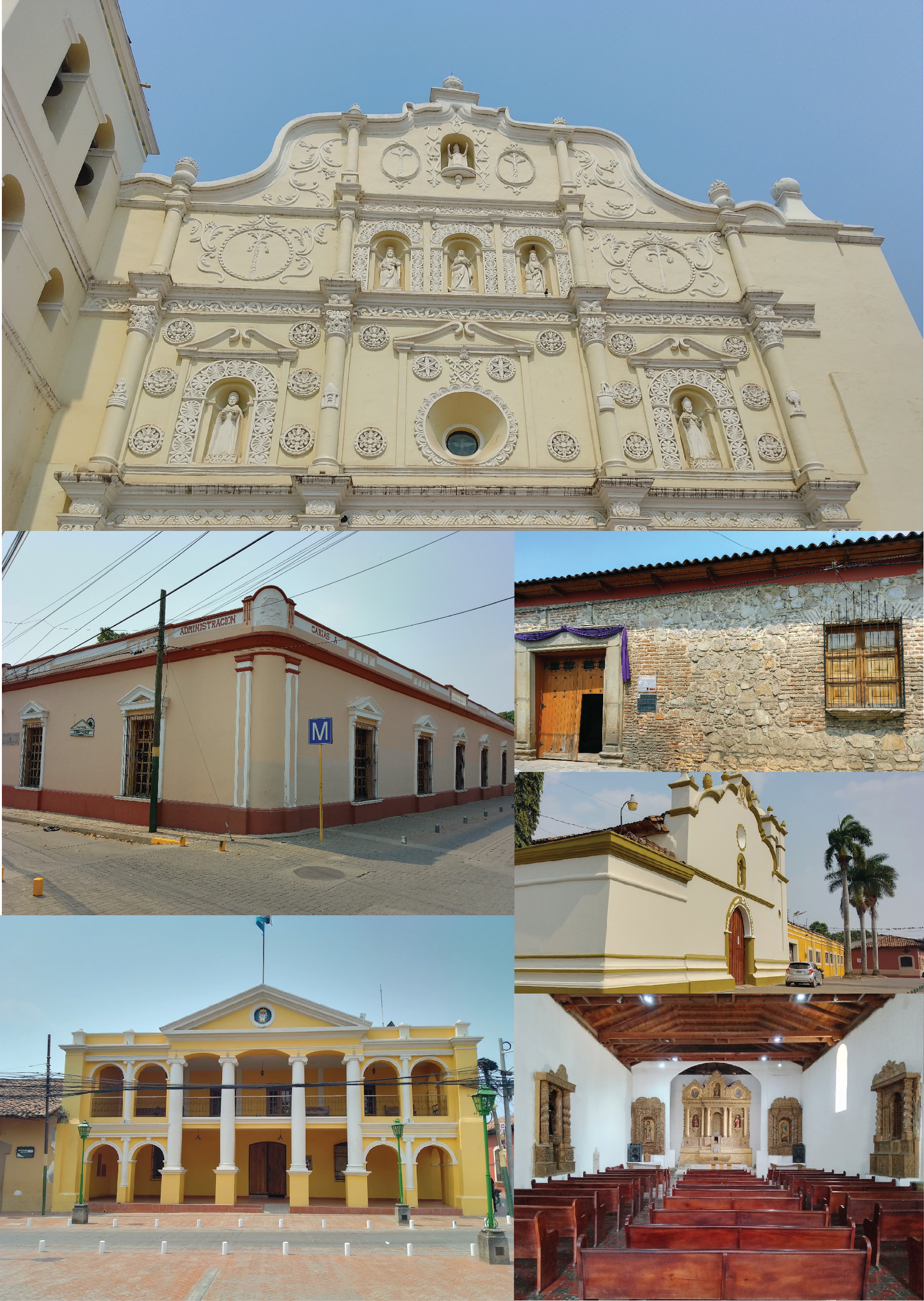 43
43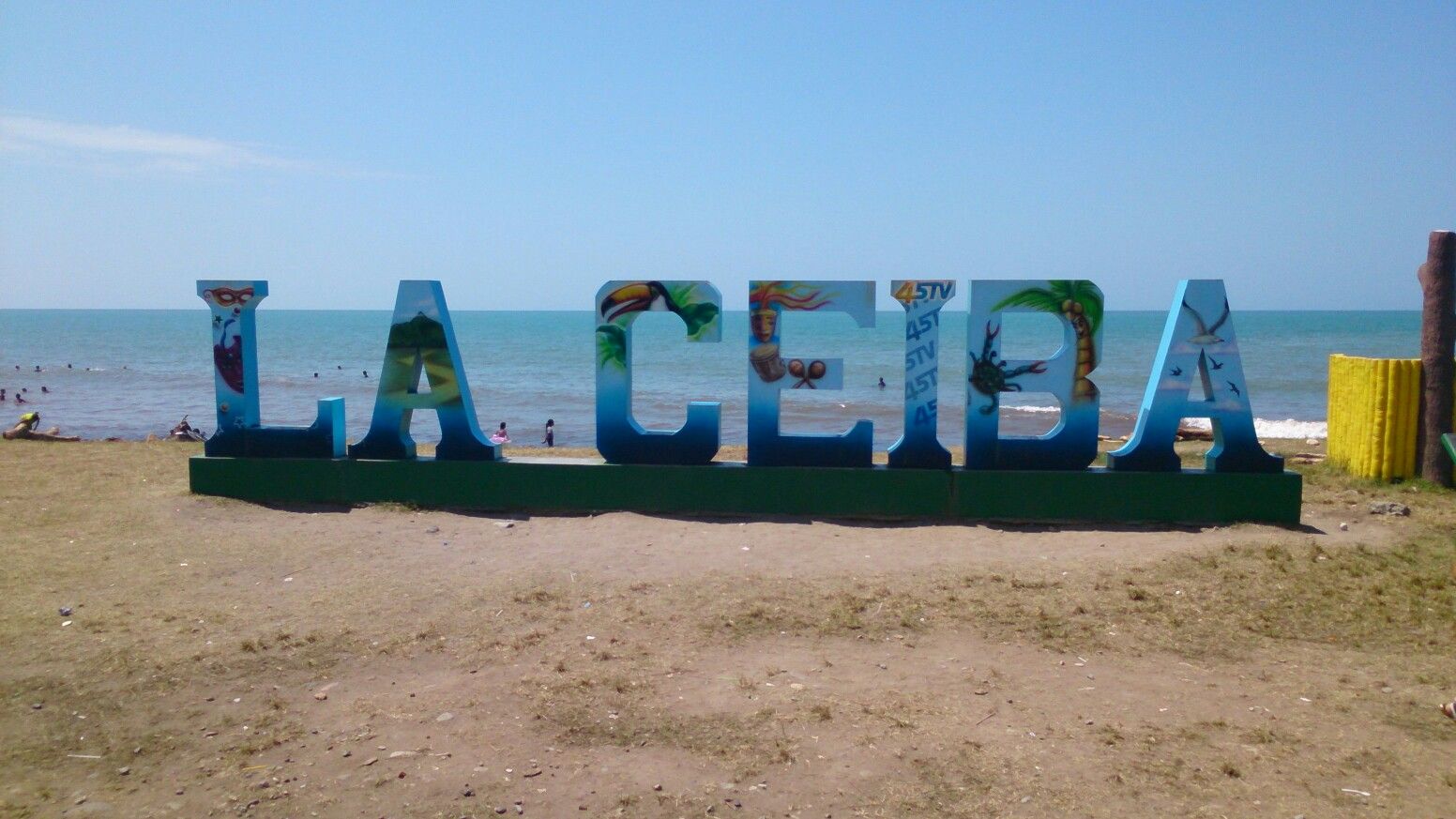 43
43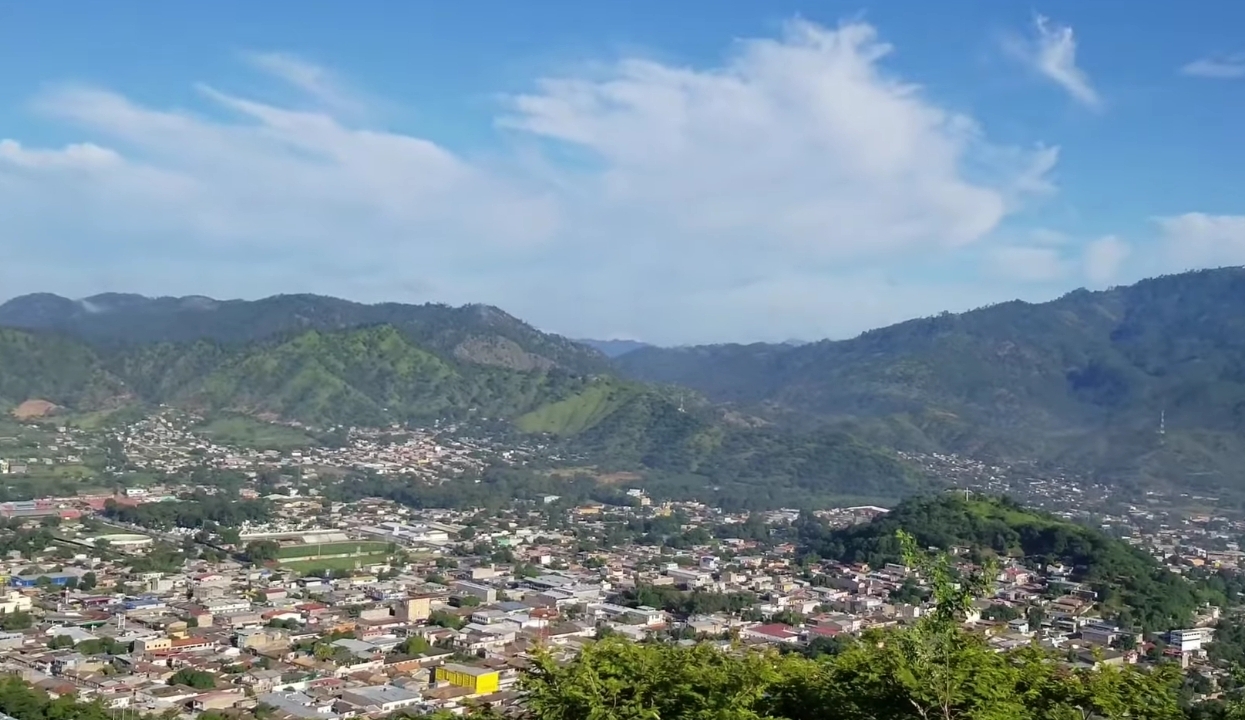 41
41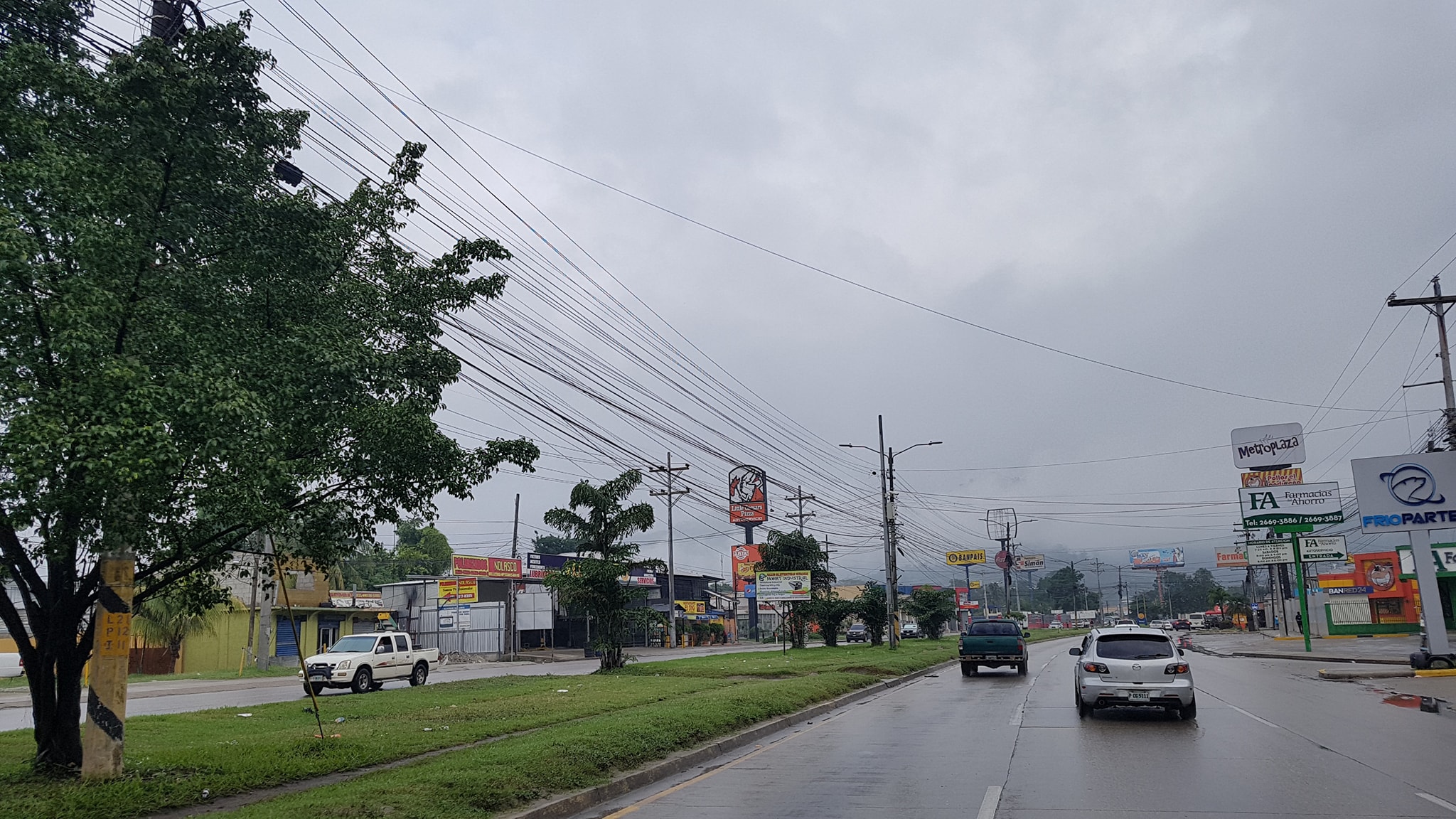 49
49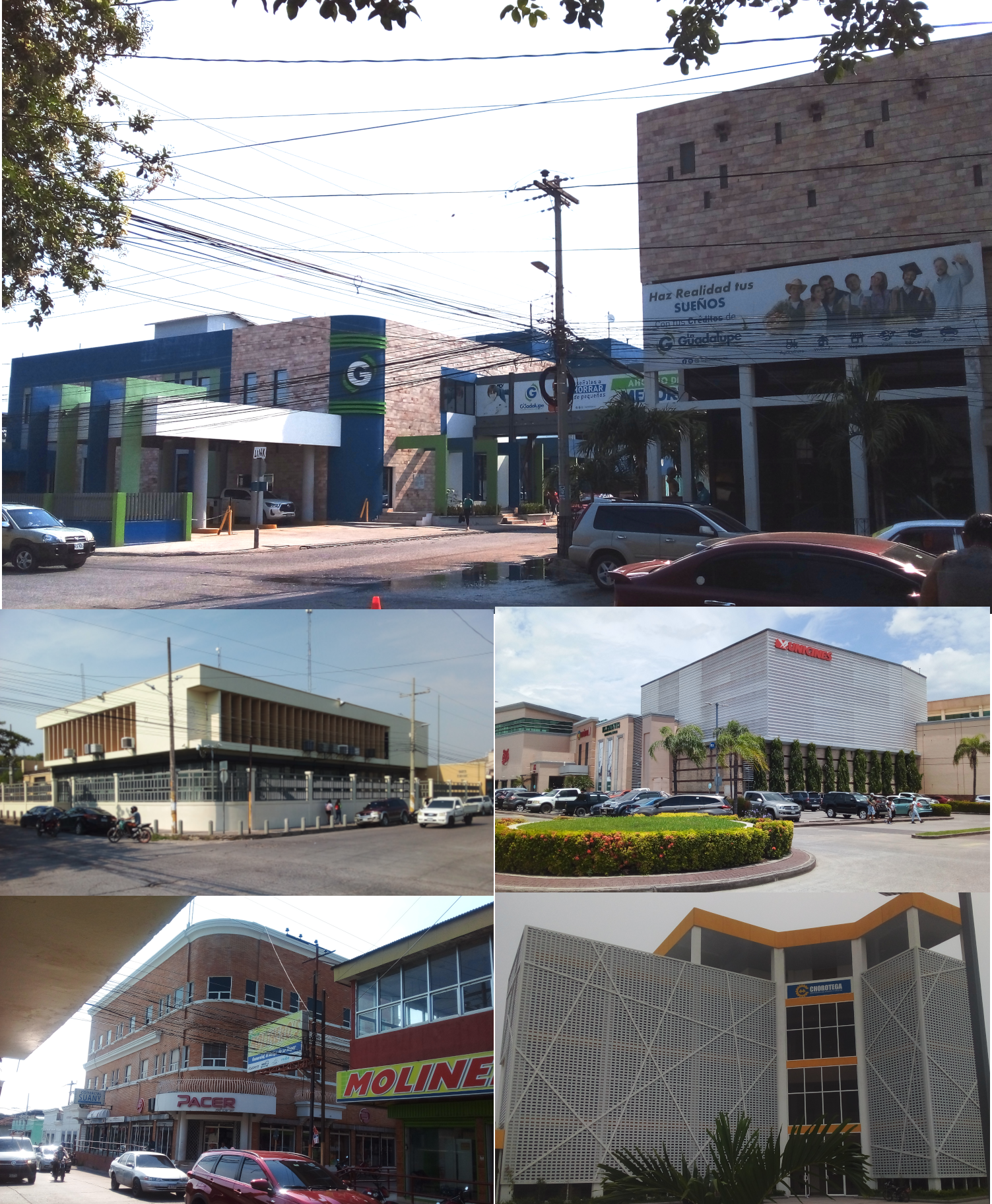 40
40Getting Your Income Documentation Story Straight
The pension letter is the application. Everything else - the apostilles, the criminal record, the translated birth certificate - is supporting material. But the pension letter is what the adjudicator actually reads, and it needs to say specific things: that the benefit is permanent, that it's paid for life, that it comes from a recognized institution, and that the monthly amount meets or exceeds $2,500 (as of 2026). A Social Security award letter typically does this well. A letter from a corporate pension administrator may or may not, depending on how the plan is described.
Where people run into trouble is when their income is technically a pension but the documentation doesn't make that clear. Private annuity contracts, for instance, can qualify if they're structured as lifetime income from an institution - but if the letter describes it as a "distribution schedule" or references a balance, it reads as an account drawdown rather than a guaranteed pension. Your Honduran immigration attorney will tell you what the letter needs to say; your job is to get the institution to say it that way before you submit. Some institutions will reissue a letter with different language if you ask. Some won't. Find out early.
If you're including a spouse as a dependent, you'll need to show no additional minimum income requirement - this is usually demonstrated through the same pension documentation plus bank statements rather than a separate income source. The evidentiary bar for dependents is lower than for the principal applicant, but the documentation still needs to be clean and consistent. A discrepancy between what your pension letter says and what your bank statements show is the kind of thing that generates a request for additional documents and adds months to your timeline.
The Housing Requirement and How People Get It Wrong
Honduras requires you to register a physical address with immigration as part of your residency application. This is not the same as owning property or signing a long-term lease before you arrive - but it does mean you need a real address, and your attorney will typically help you establish one for filing purposes. What trips people up is assuming they can list a hotel or a short-term rental and leave the rest until after approval.
In practice, most applicants who are serious about this visa rent an apartment before or shortly after filing. Not because the law demands a twelve-month lease, but because the presence requirement - at least one visit every twelve months, and in practice more frequent contact if you want to demonstrate genuine residency for citizenship purposes later - means you need somewhere consistent to stay. A furnished apartment in Tegucigalpa or San Pedro Sula runs considerably less than comparable options in Costa Rica or Panama, which is part of why people choose Honduras in the first place.
The mistake is treating the address registration as a formality and the housing decision as something to figure out later. If you're planning to spend significant time in Honduras, the housing decision affects your cost of living, your sense of whether the country works for you day-to-day, and your ability to demonstrate the kind of genuine presence that matters for eventual citizenship. The time to think about neighborhoods and cities is before the application, not after the card arrives.
What Actually Happens After You Land
Visa approval and having a functional residency are not the same thing, and the gap between them is longer than most applicants expect. The adjudication process runs roughly 12 months (as of 2026) from filing - during which time you're typically in Honduras on a tourist entry or making periodic border runs depending on your situation. Your attorney manages the filing and any follow-up requests, but you're in a kind of limbo: legally present, not yet a resident.
Once approval comes through, you pay issuance fees, receive your residency resolution, and eventually get your residence card. That card is valid for six months and needs to be renewed periodically by confirming your pension is still being paid. The renewal process is less intensive than the initial application, but it's not automatic - you need to stay on top of the timeline and have your attorney handle the paperwork before the card lapses.
What nobody fully prepares for is the practical adjustment period: opening a bank account, establishing utilities, getting comfortable with a system that operates almost entirely in Spanish and moves at its own pace. Non-Spanish speakers are heavily dependent on their attorney and any local contacts they've built. The bureaucratic friction is real, and it doesn't disappear after the card arrives. It just becomes more familiar.
The Long-Term Path to Citizenship - What It Actually Takes
On paper, Honduras offers citizenship by naturalization after three years of legal residence for most foreign nationals, and three years for Central Americans, Spaniards, and certain Latin Americans. In practice, the three-year clock only runs cleanly if you've maintained continuous legal residency - meaning no lapses in your card, no absences exceeding twelve consecutive months, and a record of genuine physical presence that can be demonstrated if asked.
The citizenship process itself is paperwork-intensive and slower than the statutory minimum suggests. You'll need updated police clearances, proof of continued pension income, evidence of Spanish language ability, and a basic civics component. Attorneys who handle naturalization cases in Honduras will tell you that the process routinely takes longer than the minimum residency period once you account for document preparation and adjudication time. Applying the day you hit five years and receiving citizenship that same year are different things.
What this means practically is that if citizenship is your actual goal - not just residency - you need to be thinking about presence from day one. The absence limit exists to protect your residency status, but genuine physical presence, the kind that builds a documentable record, is what supports a naturalization application. People who treat Honduras as a part-time base and spend most of their time elsewhere sometimes find, five years in, that their record doesn't support the application they thought they were building toward.
Honduras vs. Costa Rica Pensionado - A Real Comparison
The obvious comparison is Costa Rica, which runs a parallel Pensionado program with a lower income threshold - $1,000 per month versus Honduras's $2,500 (as of 2026). On that metric alone, Costa Rica looks more accessible. But the income requirement is almost the only place Costa Rica is cheaper. Living costs in San José and the Central Valley are substantially higher than in Tegucigalpa or San Pedro Sula, and the gap between what the visa costs to qualify for and what life actually costs once you're there can be wider in Costa Rica than it first appears.
Costa Rica also has a more established expat ecosystem, which is either a feature or a drawback depending on what you're looking for. If you want English-language services, international medical facilities, and a community of people who've already figured out how to live there, Costa Rica delivers that. If you want to be somewhere that hasn't been fully optimized for foreign retirees, Honduras is different - less infrastructure built around expat expectations, lower baseline costs, and a smaller community of people doing the same thing you're doing.
The security question comes up whenever Honduras is discussed, and it's not nothing. Urban crime is a real consideration, and the experience varies significantly by city and neighborhood. People who live there successfully tend to be deliberate about where they live and how they move around, the same way you'd be deliberate in any major Latin American city. It's a factor in the decision, not a reason to dismiss the country, but it deserves honest weight rather than a reassuring sentence.
Work Permissions
Application Steps
- 1
📋 Confirm pension income requirement
1 week
- 2
📄 Prepare and apostille documents
3-4 weeks
- 3
📬 Submit at Honduran immigration (DGRM)
1-2 days
- 4
⏳ Collect residency card
3-5 months
This visa requires proof of health insurance. Compare international plans before you apply.
Compare health insuranceWe may earn a commission at no cost to you.
Frequently Asked Questions
Click any question to expand the answer.
Ready to Apply?
Work with trusted visa specialists who handle the paperwork so you can focus on your move.
Get help with this visa →* We may earn a commission if you apply through our link
At a Glance
Last verified: July 15, 2026