Overview
Fiji's self-employment permit works best for someone who wants one extended, uncomplicated stretch of working from Fiji, not someone assembling a long-term relocation strategy. The permit is built for a specific thing: letting you keep earning from clients and income sources outside Fiji while you happen to be sitting there. It isn't built for retirees, and pension or social security income doesn't count toward it. It also isn't built for anyone hoping to pick up local clients, take local work, or slowly convert the stay into something permanent. None of that is available through this route, by design.
That framing matters because the calculus here is different from most freelancer or nomad permits circulating right now. There's no renewal built in. There's no residency track waiting at the end of it. What you get is a single, defined window of legal stay to keep doing exactly what you were already doing, just from a different set of islands. The trade-off isn't bureaucratic complexity, it's commitment horizon. If you're weighing this against countries offering multi-year renewable nomad visas or residency-linked programs, you're comparing a sprint against something built for people plotting further ahead.
What actually moves an application is proof that a foreign client relationship existed before you applied and keeps running independent of anything happening on the ground in Fiji. Officers reviewing self-employment files are, underneath everything else, checking that you're not quietly setting up shop to compete with Fijian workers or businesses. Contracts, invoices, and a client history with some age on it do more for a file than anything else you could submit.
The second thing that changes outcomes is expectation management before you apply at all. Anyone hoping this becomes the seed of a longer Fiji life, bringing a partner along, or eventually converting the permit into something permanent, is applying for the wrong instrument. Dependents aren't part of this. If that's the plan, sort out a different visa category first, because retrofitting family or long-term intent onto this permit after it's issued isn't something you get to do.
Eligibility Requirements
Requirements Checklist
Tax Information
What Fiji actually taxes once you cross the residency line
Fiji taxes residents on worldwide income, full stop, with no territorial exception and no remittance carve-out that would let money parked abroad escape assessment. Once you trip the residency threshold, every dollar you earn anywhere becomes visible to the Fiji Revenue and Customs Service: freelance revenue paid by US clients, salary if you somehow still draw one, dividends from a US brokerage, capital gains on shares or property sold back home, and rental income from a house you still own in Ohio. The trigger is spending more than 183 days in Fiji during a tax year, at which point you register as a tax resident with FRCS and the worldwide net closes around you. The Self-Employment Work Permit itself forbids taking local employment, so the income you generate here is almost always foreign-sourced consulting or freelance work, but that distinction stops mattering the moment residency kicks in, because Fiji does not care where the client sits.
The bracket structure for 2026 is mild by American standards but not trivial: the first FJD 30,000 (roughly USD 13,500) is tax-free, income up to FJD 50,000 (roughly USD 22,500) is taxed at 18%, and everything above that sits at a flat 20%. Capital gains sit outside that progressive ladder entirely, taxed at a flat 10% on disposal of land, buildings, shares, or other capital assets, with no split between short-term and long-term holding periods, and a narrow exemption for a principal residence held more than ten years. Dividends paid to residents get folded into assessable income at those same progressive rates, but Fiji gives a credit for corporate tax already paid at the company level, so the effective bite is lower than the headline 20% suggests, while non-residents instead face a flat 9% withholding at source.
There is no special regime here for foreign remote workers, retirees, or investors, no reduced-rate program to apply for and no registration window to miss. Everyone who becomes a Fiji tax resident lands on the same progressive brackets and the same 10% capital gains rate described above. That simplicity cuts both ways: nothing to optimize into, but also nothing you can accidentally forfeit by filing late.
The US filing obligations that don't disappear
Becoming a Fiji tax resident changes nothing about your US filing duty. Citizens and green card holders report worldwide income to the IRS regardless of where they live, and the Foreign Earned Income Exclusion for 2026 lets you exclude up to USD 132,900 of earned income, meaning wages or self-employment revenue from active work, not dividends, not capital gains, not rental income, and not pensions or Social Security. You can qualify either through the Physical Presence Test, 330 days in Fiji within a twelve-month window, or through Bona Fide Residence, which in practice means establishing the same FRCS tax domicile that triggers Fiji's own 183-day rule. A housing exclusion on top of the FEIE is available and typically runs around USD 18,000 for someone based in Fiji, which shaves a bit more off taxable earned income but does nothing for passive income sitting outside the exclusion entirely.
The Foreign Tax Credit exists to prevent double taxation on income both countries reach, but it does limited work here. Fiji's top marginal rate is 20%, well under the US top rate of 37%, so credits generated by Fiji tax on ordinary income rarely erase the full US liability the way they might in a higher-tax country. The credit earns its keep on the passive side instead, offsetting some of the bite from Fiji's 10% capital gains tax or the 9% dividend withholding on distributions paid to non-residents. There is no tax treaty between the US and Fiji, so none of the treaty mechanics that soften double taxation elsewhere apply. That absence matters most for retirement income: US Social Security, 401(k), and IRA distributions received while Fiji-resident are treated as ordinary foreign-source income and taxed at Fiji's progressive rates up to 20%, with no treaty exemption to fall back on. Roth distributions sit in a gray zone, since Fiji has no codified position on the structure and there is no treaty to force one.
If you open a Fiji bank account, and most people running a self-employment visa here eventually do, whether at ANZ, Westpac, or BSP, or through an FNPF account tied to local business activity, FinCEN Form 114 becomes mandatory the moment combined foreign account balances exceed USD 10,000 at any point in the calendar year. Fiji's banks already report under FATCA through the Fiji-US intergovernmental agreement, so the IRS has visibility into the account before you decide whether to it yourself. Miss the filing and the non-willful penalty is a statutory USD 10,000 per violation, adjusted for inflation to roughly USD 16,700 for 2026, and that adjustment moves every year regardless of what you knew.
The decision that trips people up first is the FEIE test election, because Fiji's visa-free entry allows stays of up to four months at a time, which makes the 330-day Physical Presence Test easy to satisfy on paper but easy to blow if travel plans assume the visa-free window resets the clock in a way the IRS doesn't recognize. Bona Fide Residence avoids that trap but requires the FRCS registration to actually happen, not just be planned, and the same 183-day threshold that establishes Fiji tax residency is the one that determines whether you owe Fiji tax on income the US is simultaneously taxing with limited credit relief. A first-year advisory engagement, typically in the USD 1,500 to 3,000 range, earns its cost sorting out which test to elect, whether an FNPF or business account triggers FBAR before you've thought to check, and how much of a capital gain sold mid-year actually gets absorbed by the credit versus paid twice.
Living in Fiji
COL Index vs NYC
32.0
Monthly Cost (excl. rent)
$576
1BR Rent (City Center)
$727
Safety Index
57.6
Healthcare Index
47.2
Quality of Life Index
118.6
Time Zone
UTC+12:00
Capital
Suva
Population
896.4K
Official Languages
English, Fijian, Fiji Hindi
Public Transit Quality
Fair
With a budget covering rent and living costs, you'd need roughly $1,303/mo for a comfortable single-person lifestyle in Fiji.See how far your money goes →
🏙️ Best Cities in Fiji for Freelancers
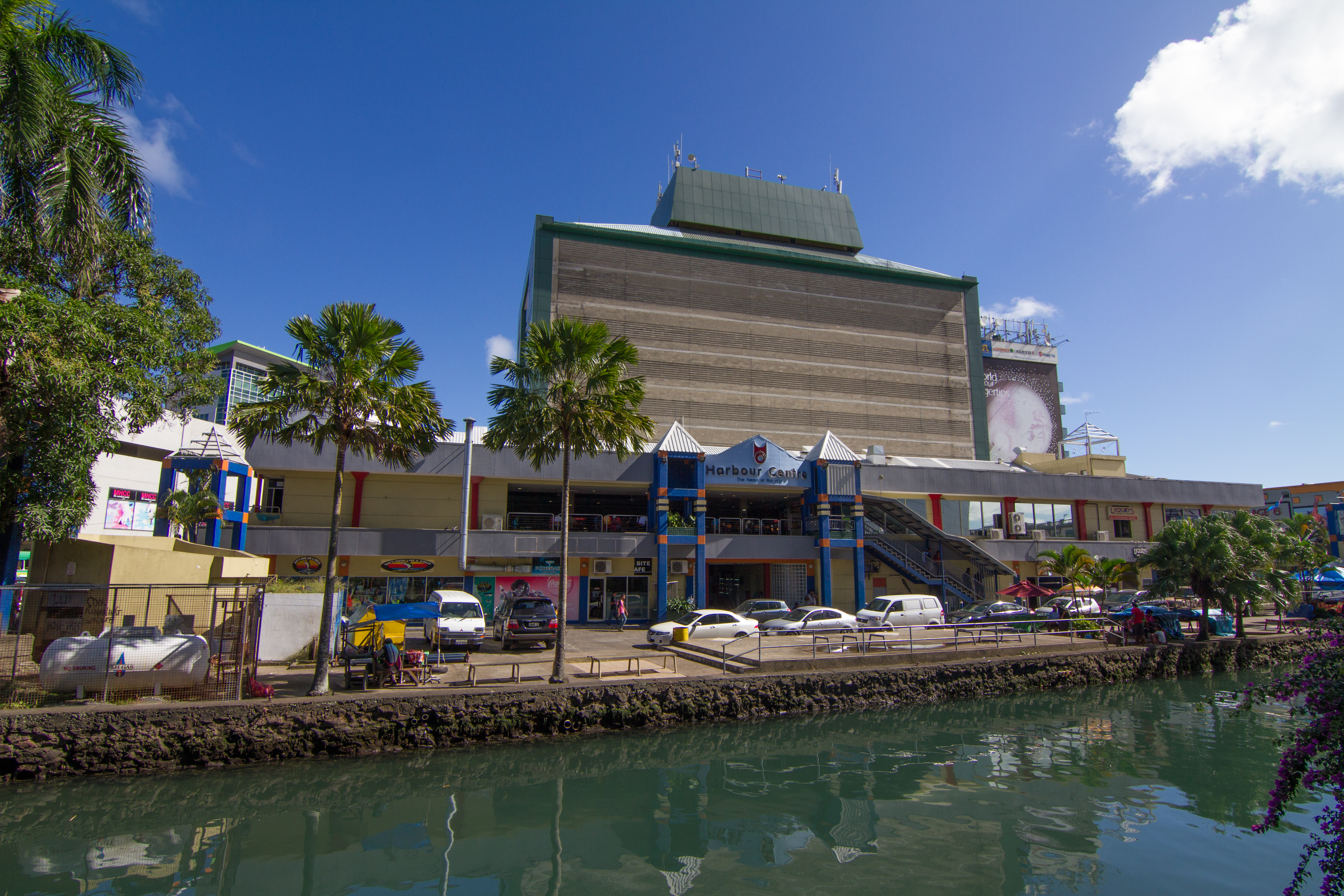 ✦ 77
✦ 77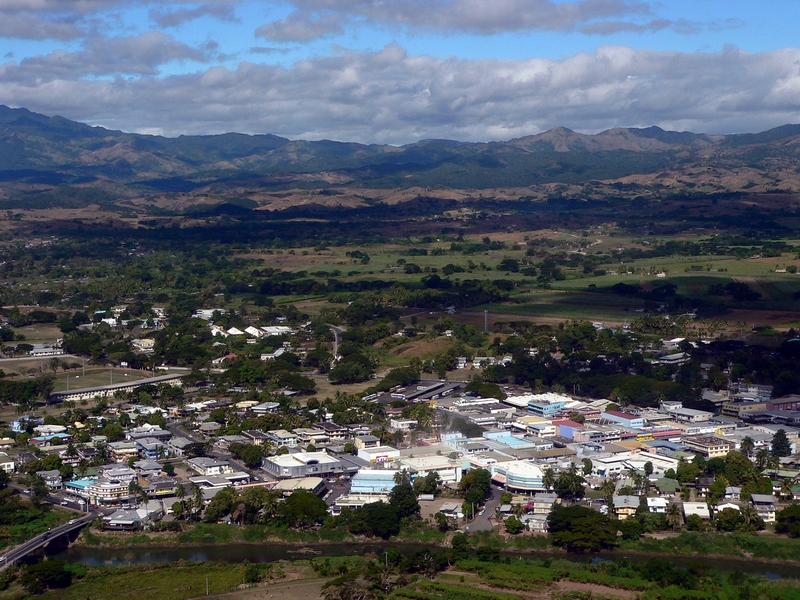 74
74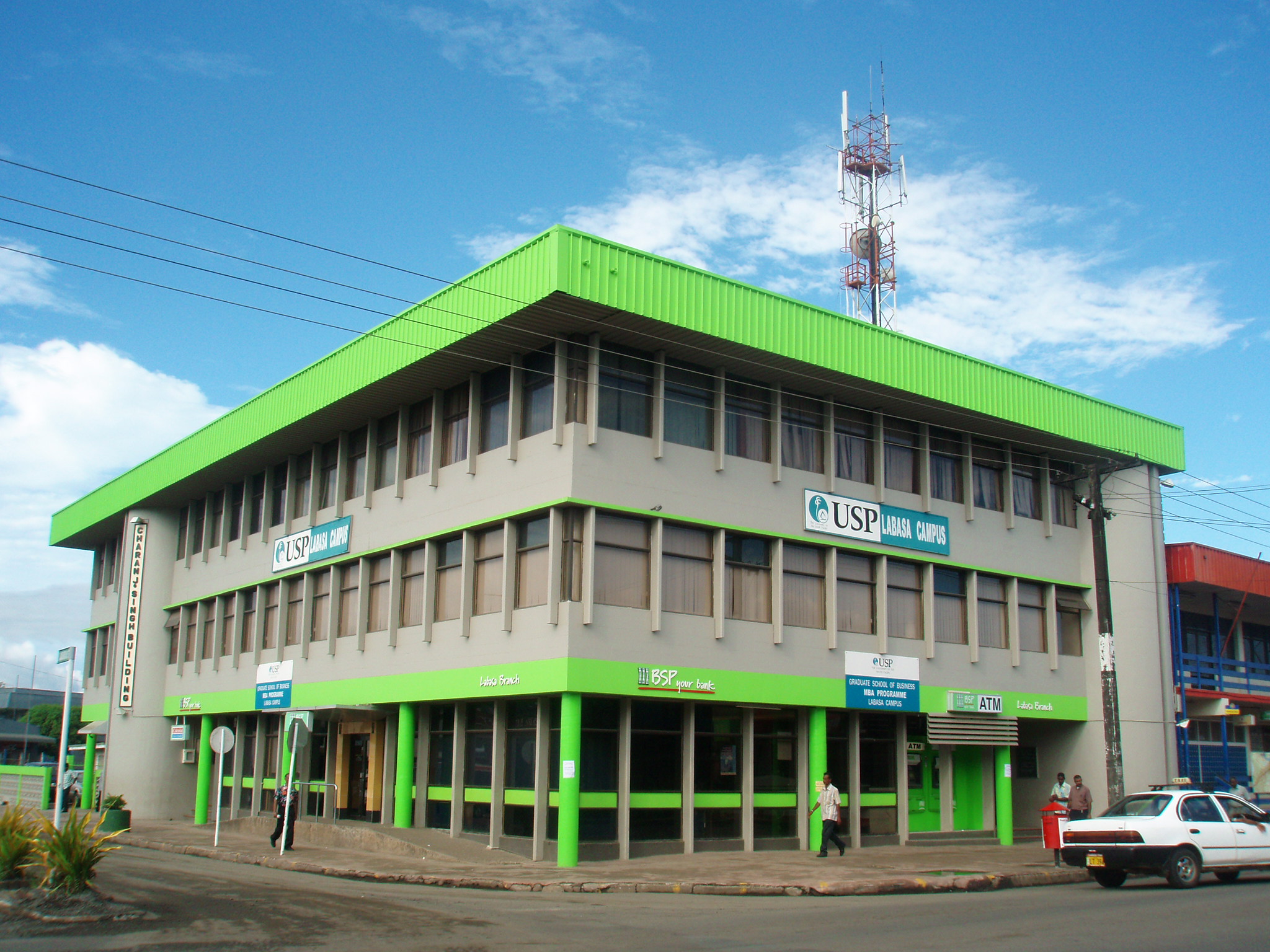 64
64Getting the income story straight before you apply
The permit only cares about one kind of income: active self-employment earnings from sources outside Fiji. Pension income doesn't count, and neither does social security, so anyone hoping to lean on a retirement account or a fixed passive stream to qualify is going to hit a wall immediately. This is a working visa for people who are still working.
The mistake that shows up most often is timing. Someone decides to apply, then signs a new client or issues a first invoice in the weeks right before submitting, and the file reads like it was assembled for the application rather than describing a business that already existed. Officers reading self-employment files are looking for continuity, not a snapshot. A client relationship with a year of history behind it, invoices spaced out over normal billing cycles, and income that looks like it would have kept flowing whether or not you ever applied for this permit, all of that reads as real. A sudden new contract dated two weeks before submission reads as constructed, even when it isn't.
Because there's no interview built into this process, the paper has to do all the talking. You don't get a chance to explain a gap in invoicing or a client relationship that looks thin on paper. That raises the bar on the file itself: contracts should name the actual work being done, invoices should tie back to those contracts, and payment records should trace clearly back to clients based outside Fiji rather than showing income routed through channels that could be mistaken for local economic activity. Keep personal transfers and business income visibly separate. A mixed file where consulting income and personal remittances sit in the same statement makes an examiner's job harder, and a harder job for the examiner usually resolves in caution rather than approval.
The accommodation piece and where people trip on it
Nobody thinks about housing until the last week before they submit, and that's usually the point where the mismatch shows up. If you're requesting a permit that covers several months but the only accommodation proof you can produce is a two-week resort booking, that gap gets noticed. It doesn't have to be a signed year-long lease, but the documentation you provide needs to plausibly cover the period you're asking to stay for, not just the first stretch of it.
The other place this goes wrong is names. A booking confirmation made under a travel companion's name, a company account, or a booking site's default name field rather than the applicant's own name creates a small but real inconsistency that an officer now has to resolve, and inconsistencies they have to resolve are inconsistencies that slow a file down or get it sent back. If you're staying with a host, a landlord, or a longer-term rental arrangement rather than a hotel chain, get something in writing early. Fiji's rental market outside the resort circuit doesn't always produce polished paperwork by default, so you may need to ask for it explicitly rather than assuming it will show up on request.
People also tend to lock in accommodation before they've thought through how long they actually want to stay, then apply for a permit duration that doesn't match what they booked, or vice versa. Sort the intended length of stay first, then book accommodation that matches it, not the other way around. It sounds obvious until you're the one holding a confirmation for six weeks and an application asking for four months.
What happens after you land
Because there's no interview and no medical exam built into this process, essentially all of the vetting happens before you ever get on a plane. That's good news in one sense: arrival should be light. It's also a trap, because it means the approval you're holding when you board is functionally the only thing standing between you and a normal entry process. If that paperwork isn't complete, current, and matching what immigration expects to see on arrival, you're not walking into a system that will sort it out for you on the ground. There's no secondary
Work Permissions
Application Steps
- 1
Research
Verify all requirements for this visa type and country
- 2
Gather documents
Obtain all required documents (passport, financial statements, health insurance, etc.)
- 3
Complete application
Fill out the official application form
- 4
Submit application
Submit all documents to the appropriate consulate or online portal
- 5
Pay fees
Complete payment of application and visa fees
- 6
Attend interview
If required, attend any scheduled interviews
- 7
Wait for decision
Processing times vary from weeks to months
- 8
Travel and activate
Once approved, travel to the country and complete any activation requirements
Frequently Asked Questions
Click any question to expand the answer.
Ready to Apply?
Work with trusted visa specialists who handle the paperwork so you can focus on your move.
Get help with this visa →* We may earn a commission if you apply through our link
At a Glance
Last verified: June 8, 2026