Ecuador Rentista Visa
Ecuador · Latin America
Data updated Sep 16, 2026
Min Monthly Income
$1,446
Application Fee
$320
Difficulty
Moderate
Duration
24 months
Overview
Qualification for the Ecuador Rentista Visa hinges on a single structural requirement that shapes everything else: your income must be passive. Not remote income, not freelance income, not a salary paid by a foreign employer - passive, in the technical sense that it flows from assets rather than labor. Rental income, dividends, interest, royalties, trust distributions. That distinction is the actual commitment this visa asks you to make, or rather, to already have made. You are not applying for the right to earn money in Ecuador. You are demonstrating that you already have money coming in without working for it, and that it will keep coming in whether you are in Quito or anywhere else.
The profile that sails through this process is someone with a diversified investment portfolio generating regular distributions, or a landlord with rental income hitting the same account every month, with six months of clean bank statements that tell an obvious story. That person has a smooth application. The profile that struggles is the freelancer or contractor who has been calling their income "passive" in casual conversation but whose bank deposits are irregular, client-driven, and clearly tied to work performed. The profile that is in the wrong category entirely is the remote employee - someone on a W-2 or with a formal employment contract - because employment income simply does not qualify here, full stop, regardless of where the employer is based.
The thing most applicants don't fully work out before they apply is what Ecuadorian tax residency actually means for them once they're living there. Ecuador taxes worldwide income once you cross 183 days in the country in a calendar year, and there is no special reduced-rate regime for foreign residents the way Portugal's NHR once offered. Your US-source dividends, your rental income from a property in another state, your interest - all of it is potentially in scope for Ecuadorian income tax on top of whatever the US claims. There is no bilateral tax treaty between Ecuador and the United States to soften that overlap, so the Foreign Tax Credit becomes your main tool. Get a cross-border tax advisor involved before you file your first Ecuadorian tax return, not after.
What the Rentista visa actually unlocks is a relatively low-cost path to genuine legal residency in a dollarized country with a real cost-of-living advantage, no property purchase required, no minimum deposit sitting in a local bank, and a credible route to permanent residency after about 21 months if you manage your presence carefully. For someone already living off investment income, the income threshold is modest enough that it doesn't require restructuring anything - it just requires documenting what's already there.
Eligibility Requirements
Min Income
$1,446
Application Fee
$320
Renewal Cost
$270/yr
Duration
24 months
Passive / Investment Income
Requirements Checklist
Valid passport with at least 6 months validity
Proof of sufficient income (bank statements, employment contract)
Health insurance covering the entire stay
Clean criminal background check
Completed application form with all required documents
Proof of accommodation in the country
Apostille required on official documents
Tax Information
Ecuador Taxes Worldwide Income - No Exceptions for Foreign Residents
Ecuador runs a worldwide income tax system. Once you become tax-resident here, the Servicio de Rentas Internas (SRI) expects to hear about everything: your US remote salary, freelance contracts, foreign dividends, rental income from a property back home, interest, capital gains on certain assets - all of it falls within scope. The Rentista visa itself does not trigger tax residency, but spending more than 183 days in Ecuador during a calendar year does, whether consecutive or not. Establishing your primary economic ties or habitual residence here can also do it under internal SRI rules, which means some people hit the threshold earlier than they expect.
Ecuador's personal income tax is progressive, running from 0% on low annual income up to roughly 37% on the top slice. Several intermediate brackets sit in between - around 5%, 10%, 12%, 15%, 20%, 25%, 30% - with thresholds denominated in USD. The exact bands for 2026 are set by the SRI and adjusted periodically, so the specific cutoffs are confirmed against the current official SRI table before you file. What won't change is the structure: a meaningful top marginal rate that can apply to foreign income a lot of US expats assume is out of reach.
For a typical US remote worker on a Rentista visa, the practical exposure is real. The income that qualifies you for the visa - passive foreign income - is precisely the kind of income Ecuador taxes once you're resident. Foreign dividends, rental income, investment distributions: none of that gets a pass simply because it was earned outside the country.
No Special Expat Tax Regime
Ecuador has no dedicated non-dom or expat-only income tax program comparable to Portugal's NHR or Italy's flat-tax regime. There are some sectoral incentives tied to specific investments, industries, or zones, and limited exemptions may apply to certain categories of foreign-source income under corporate or investment law - but nothing that functions as a personal tax holiday for Rentista or Pensionado residents as a class. Once you cross the tax-residency threshold, the standard progressive rate structure applies to you the same as it does to everyone else.
The US Layer - FEIE, FTC, and FBAR
The IRS does not stop caring about you when you move to Quito. US citizens and green card holders file US returns regardless of where they live, and Ecuador's worldwide tax system means you can end up with two countries claiming the same income at the same time.
The Foreign Earned Income Exclusion is available if you have foreign earned income and meet either the Physical Presence Test (330 full days outside the US in a 12-month period) or the Bona Fide Residence Test. But the FEIE only covers earned income from services - remote salary, freelance work, self-employment. It does not cover dividends, interest, rental income, pensions, or capital gains. For many Rentista visa holders, the income that qualifies them for the visa is exactly the income FEIE cannot touch. The exclusion also does not eliminate US self-employment tax on qualifying earnings, which is a detail that catches people off guard.
The Foreign Tax Credit is often more useful for this visa profile. If Ecuador taxes your passive income and the US taxes the same income, you can claim a credit on Form 1116 for Ecuadorian taxes paid, offsetting your US liability dollar for dollar up to the US tax on that income. The mechanics require careful tracking by income category and documentation of what you actually paid to the SRI, but in many situations a combination approach - FEIE for earned income, FTC for passive categories - reduces total tax more than either mechanism alone. Ecuador does not have a comprehensive income tax treaty with the United States, so there are no treaty tie-breaker rules or modified sourcing provisions to rely on. Double taxation relief runs entirely through the FEIE and FTC.
Once you open a local bank account - which most visa applications require - FBAR filing applies if your combined foreign account balances exceed $10,000 at any point during the year. That's FinCEN 114, due April 15 with an automatic extension to October 15. The non-willful penalty for failing to file is about $16,700 per violation as of 2026 (adjusted annually for inflation from a $10,000 statutory baseline).
Getting Year One Right
The mistakes that cost the most money are almost always first-year mistakes. Missing a registration window, filing under the wrong FEIE election method, or failing to file FBAR for an account the visa process itself required you to open - these aren't edge cases. They're the predictable errors that happen when someone tries to handle a two-country tax situation with a single-country CPA or no professional help at all.
The FEIE election is worth pausing on. Choosing between the Physical Presence Test and the Bona Fide Residence Test has consequences that extend beyond year one - the Bona Fide Residence Test requires establishing genuine residency in a foreign country, which takes time, while the Physical Presence Test is mechanical but depends on day counts. Picking the wrong one, or switching methods without understanding the rules around revocation, can create gaps in coverage or trigger a year where neither test applies.
Combined advisory costs for a US expat CPA plus a local Ecuadorian tax advisor typically run $1,500 to $3,000 for the first year. That covers correct FEIE or FTC elections, proper income categorization across both returns, FBAR compliance, and whatever treaty positioning is available - which in Ecuador's case is limited, but the FTC strategy still requires documentation and allocation decisions that benefit from professional structuring. Year one sets the template for every year that follows, and a solid start is easier to maintain than a messy one is to fix.
Living in Ecuador
COL Index vs NYC
32.1
Monthly Cost (excl. rent)
$499
1BR Rent (City Center)
$373
Safety Index
37.5
Healthcare Index
77.1
Quality of Life Index
120.8
Time Zone
UTC-06:00
Capital
Quito
Population
17.6M
Official Languages
Spanish
Avg Internet Speed
292 Mbps
Public Transit Quality
Fair
With a budget covering rent and living costs, you'd need roughly $872/mo for a comfortable single-person lifestyle in Ecuador.See how far your money goes →
🏙️ Best Cities in Ecuador for Passive Income Residents
 ✦ 76
✦ 76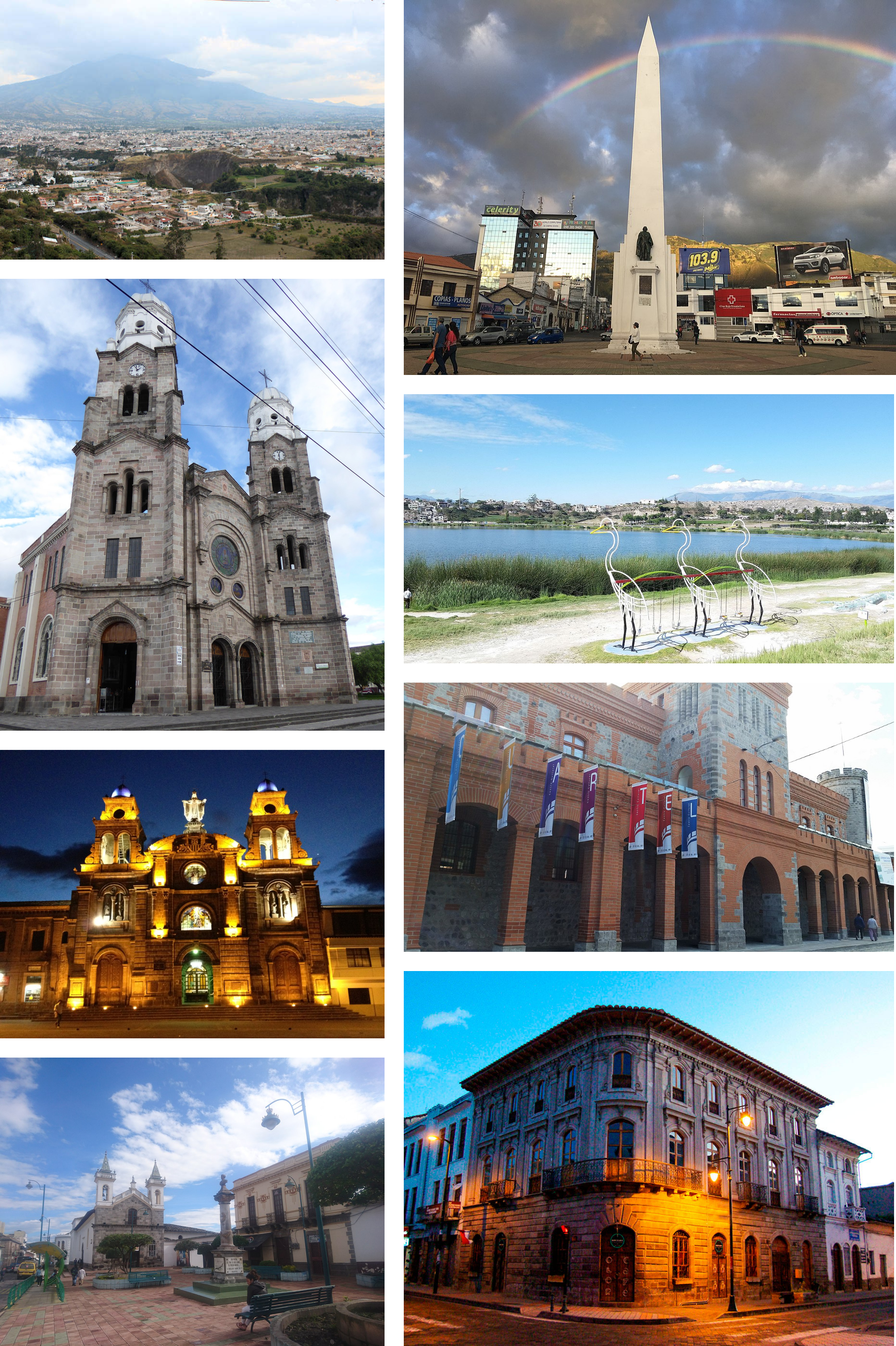 60
60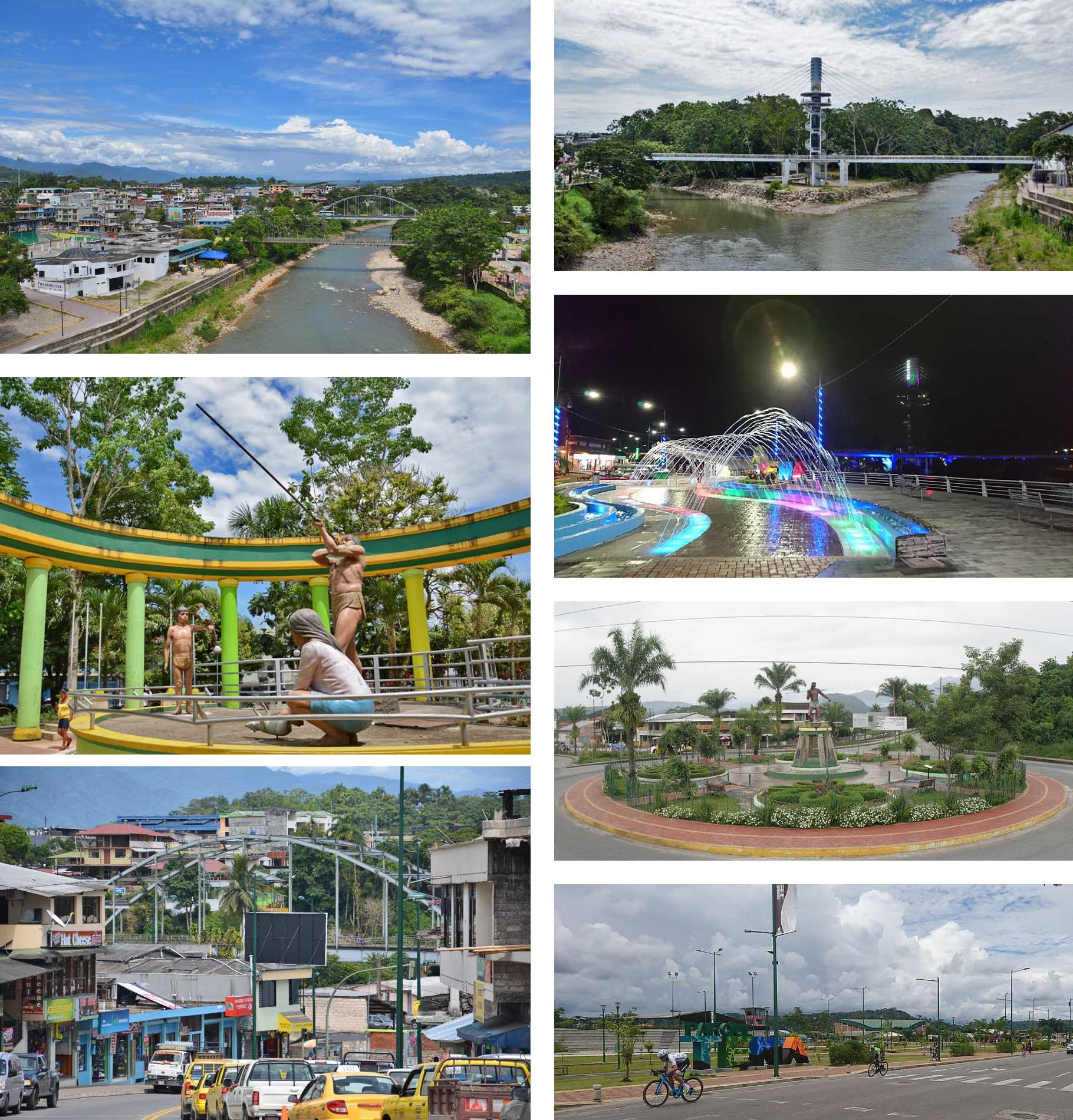 64
64 57
57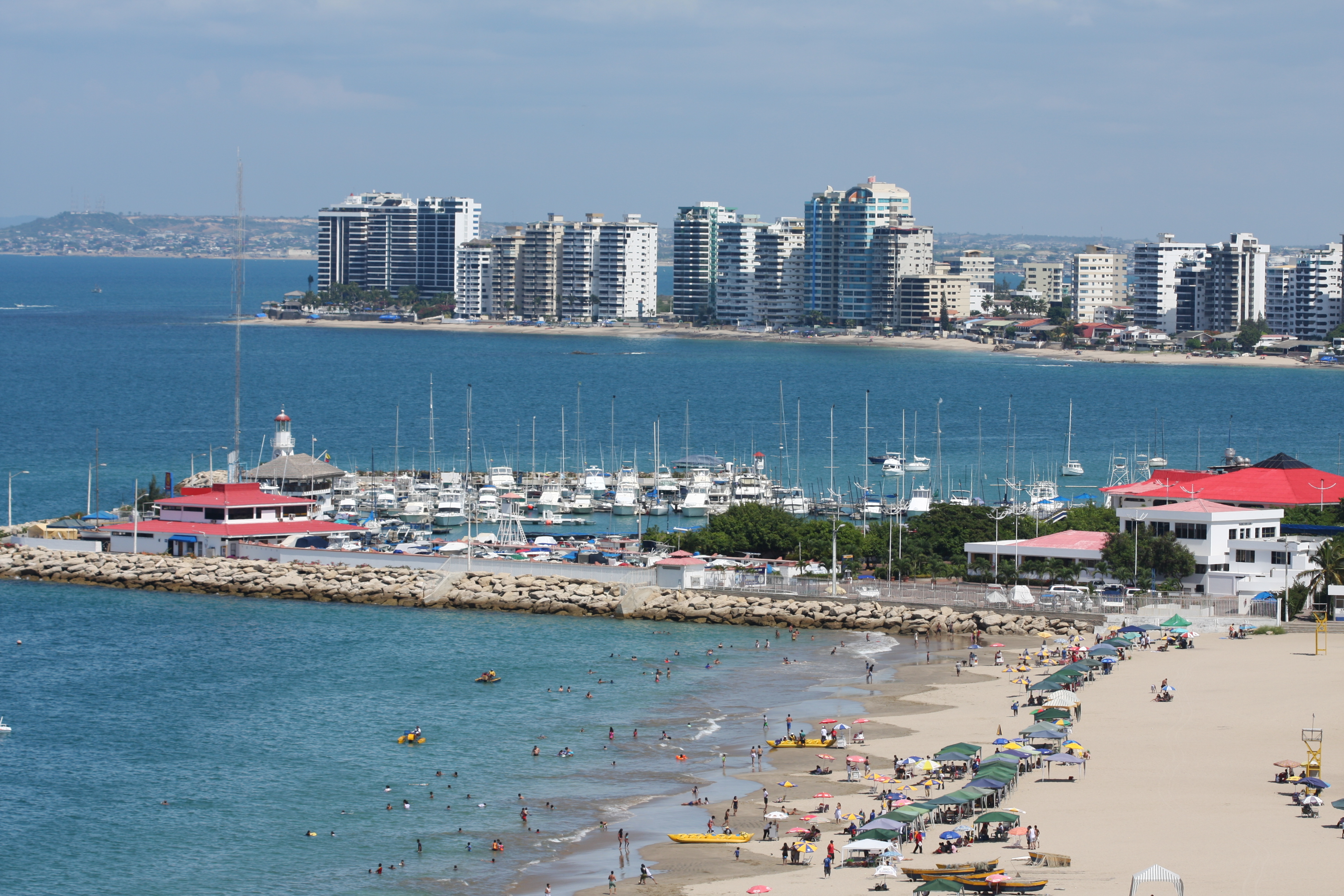 61
61Getting Your Income Documentation Story Straight
The income requirement for this visa is not just a number - it's a narrative. The Cancillería is looking at your bank statements and your supporting contracts together, and what they need to see is that the deposits match the claimed source. Six months of statements showing regular deposits from a brokerage account, alongside a current brokerage or trust agreement confirming the income type, tells a coherent story. Six months of statements with irregular deposits from three different sources, no supporting contracts, and a cover letter explaining that it all adds up to the right number - that's where applications stall.
The practical implication is that you should pull your last six months of statements before you do anything else and look at them the way an immigration officer would. Are the deposits consistent? Are the amounts recognizable as passive income - dividends hitting on a quarterly schedule, rent arriving on the first of the month, interest credited periodically? If the pattern is irregular or the source isn't obvious, that's the problem to solve before you start gathering apostilles, not after.
For rental income specifically, you'll need the rental contract itself, not just the deposits. For investment income, a letter from your brokerage or fund manager confirming the income type and amount is standard practice. The documentation burden here is higher than people expect going in, partly because Ecuador's requirements are specific about what counts as passive and partly because the e-visa system's upload requirements add a layer of formatting compliance on top of the substantive documentation requirements.
One thing worth being realistic about: if your passive income is close to the $1,446 monthly threshold (as of 2026), you want it to be consistently above that number in the statements, not averaging out to it. Months where deposits fell short, even once, can invite questions.
The Housing Requirement and Where People Get It Wrong
Ecuador requires proof of a fixed domicile in Ecuador as part of the residency registration process - this is where a lot of applicants who did their research on the visa requirements discover there's a separate layer they hadn't fully planned for. The visa itself gets you into the country with legal status, but converting that into a registered residency with a cedula (the national ID card) requires showing a local address, typically through a rental contract or property title in your name.
The common mistake is arriving with a short-term Airbnb booking or a hotel reservation and assuming that satisfies the address requirement. It doesn't. You need a formal rental contract, ideally notarized, with a landlord who is willing to have their property associated with your registration. In practice, this means having a longer-term rental arrangement in place - or at minimum lined up - before you complete the in-country registration steps.
The other thing people underestimate is timing. Finding a rental in a city you don't know well, signing a contract in Spanish, and getting the document into a format that works for the registration process takes longer than most people budget for. Arriving with two or three weeks before your initial visa period requires action and assuming you'll sort housing quickly is optimistic in most Ecuadorian cities, where landlords are often cautious about foreign tenants and formal contracts aren't always the default.
After Approval - The Gap Between Visa and Residency Card
Getting your e-visa approved is not the end of the process. It's the beginning of a second process that a lot of people aren't mentally prepared for when they land. The visa gives you legal authority to be in Ecuador as a temporary resident, but the cedula - the physical ID card that functions as your actual residency document for things like opening a bank account, signing leases, and accessing services - requires a separate registration process at the Registro Civil after you arrive.
That registration involves presenting your original documents again, in some cases having them re-verified, and waiting for processing that can take weeks. During that window, you are legally resident but practically without the document that proves it in day-to-day life. Banking is the most immediate friction point: Ecuadorian banks generally require a cedula to open an account, and without a local bank account, basic financial logistics become cumbersome in a cash-heavy environment.
The practical advice is to arrive with enough financial runway - accessible cash or a card that works without a local account - to cover two to three months of living expenses while the registration process runs its course. People who arrive with a tight budget and an assumption that they'll have a bank account within two weeks frequently find themselves in an awkward position.
There's also the health insurance requirement to keep current. The policy you submitted with your application needs to remain valid throughout your residency period, and letting it lapse - even briefly - creates a compliance issue that can complicate renewal or permanent residency applications later.
The Permanent Residency Path in Practice
On paper, the path from Rentista temporary residency to permanent residency looks clean: 21 months as a temporary resident, meet the presence requirements, apply. In practice, the presence requirement is the part that catches people. Ecuador's rules have historically required that temporary residents not spend more than roughly 90 days per year outside the country if they want to count that period toward permanent residency eligibility. That's a real constraint if you have family in the US, travel frequently, or assumed that "living in Ecuador" meant you could still spend three or four months a year elsewhere.
The day-counting is your responsibility. Ecuador doesn't send reminders. If you lose track and exceed the absence limits during your temporary residency period, you may find that your 21 months don't actually qualify you for permanent residency in the way you expected, and you're looking at extending temporary residency or restarting the clock.
After permanent residency, citizenship is theoretically available after three more years of continued presence and good conduct, plus a basic Spanish language test and a civics component. For people who actually relocate and build a life in Ecuador, this is achievable. For people treating Ecuador as a base they visit regularly while spending significant time elsewhere, the citizenship path is largely theoretical.
The document formalities also don't end at the initial application. Renewals and status changes require updated background checks, continued insurance coverage, and compliance with whatever the current Cancillería requirements are at the time - which have been known to shift.
Rentista vs. Pensionado - Which One Actually Fits
The Pensionado visa and the Rentista visa have nearly identical income thresholds for 2026, and that similarity leads a lot of people to treat them as interchangeable options. They're not. The Pensionado visa requires that your income come from a guaranteed, lifetime pension or social security benefit - a government pension, a corporate defined-benefit pension, Social Security. If you have that, the Pensionado is often the easier application because the income documentation is simpler: a benefit verification letter from the issuing agency is usually sufficient, and the "passive and recurring" question answers itself.
The Rentista visa exists for people whose income comes from investments, rentals, royalties, or other non-pension sources. If you're in your 40s living off a dividend portfolio, or collecting rent from properties you own, or receiving trust distributions, the Rentista is your path - the Pensionado isn't available to you regardless of how stable your income is.
Where people get confused is when they have both: a small Social Security benefit and investment income, for example. In that scenario, it's worth asking an immigration attorney whether the pension income alone clears the threshold for Pensionado, because if it does, that application is typically more straightforward than documenting a mixed-source Rentista case.
Panama comes up as an alternative country fairly often in these conversations, usually because it's also dollarized and has its own income-based residency programs. The honest comparison is that Panama's programs tend to require higher income thresholds or specific bank deposits, and the banking and compliance environment there has become more complex in recent years. Ecuador's SBU-linked threshold is modest and predictable in structure, even if the absolute number rises over time.
Work Permissions
Application Steps
- 1
📋 Confirm passive income requirement
1 week
- 2
📄 Gather and apostille documents
3-4 weeks
- 3
📬 Apply at Ecuadorian consulate or in-country
1-2 months
- 4
🏛️ Collect visa and register SENESCYT if needed
1-2 weeks
This visa requires proof of health insurance. Compare international plans before you apply.
Compare health insuranceWe may earn a commission at no cost to you.
Frequently Asked Questions
Click any question to expand the answer.
Ready to Apply?
Work with trusted visa specialists who handle the paperwork so you can focus on your move.
Get help with this visa →* We may earn a commission if you apply through our link
At a Glance
Last verified: July 15, 2026