Ecuador Investor Visa
Ecuador · Latin America
Data updated Sep 16, 2026
Min Monthly Income
$482
Application Fee
$50
Difficulty
Moderate
Duration
24 months
Path to Citizenship
3 years
Overview
Qualification here hinges on a capital commitment, not a monthly income figure. The Ecuador Investor Visa requires you to place at least $48,200 into a qualifying asset - real estate, a fixed-term bank deposit, or shares in an Ecuadorian company - and leave it there for the duration of your temporary residency. That money doesn't disappear, but it isn't liquid either. You're not paying a fee to a government; you're restructuring where a meaningful chunk of your net worth sits, for at least two years, in a country whose regulatory environment most applicants don't know well before they arrive.
The profile that moves through this cleanly is someone who was already planning to buy property in Ecuador, or who has $50,000-plus sitting in savings earning nothing and wants to put it somewhere with a purpose. Freelancers and remote employees with stable income, a tolerance for process, and no immediate need to access that capital tend to find the whole thing more manageable than they expected. The profile that struggles is someone trying to scrape together the investment minimum while also funding a move and covering setup costs - the threshold isn't enormous, but it's real money to have completely tied up. The wrong category entirely is someone who wants flexibility: frequent travelers who can't stay within the 180-day maximum consecutive absence limit, or people who want to test Ecuador for six months before committing.
What most people don't fully reckon with before applying is what Ecuadorian tax residency actually means for them. Once you've spent more than 183 days in Ecuador in a 12-month period, you're a tax resident - and Ecuador taxes worldwide income. There's no special expat regime, no territorial system, no treaty with the US to fall back on. For American applicants specifically, that means you're coordinating FEIE and Foreign Tax Credits against Ecuador's own progressive rates, which reach 35% at the upper end. This isn't a reason to walk away, but it needs to be worked through with a cross-border tax professional before your consulate appointment, not after you've already bought the property.
What this visa actually unlocks is a stable, affordable base in a dollarized economy with a clear path to permanent residency after roughly two years - without language tests, income floors, or bureaucratic gatekeeping at the residency stage. Quito and Cuenca regularly appear on cost-of-living comparisons for good reason. The investment requirement is what it is, but once you're through it, the ongoing cost of staying is low, the residency pathway is predictable, and the timeline to permanent status is shorter than most comparable programs in the region.
Eligibility Requirements
Min Income
$482
Min Savings
$48,200
Min Investment
$48,200
Application Fee
$50
Duration
24 months
Max Absence
180 days
Requirements Checklist
Valid passport with at least 6 months validity
Proof of sufficient income (bank statements, employment contract)
Health insurance covering the entire stay
Clean criminal background check
Completed application form with all required documents
Proof of accommodation in the country
Apostille required on official documents
FBI background check required (allow 3–4 months)
Tax Information
Ecuador Taxes Worldwide Income - Know What You're Signing Up For
Ecuador taxes its residents on worldwide income. That means once you cross the 183-day threshold - consecutive or not, within any 12-month period - the Servicio de Rentas Internas (SRI) considers you a tax resident, and your entire global income picture comes into scope. Remote salary paid by a US employer, freelance income, foreign dividends, interest from US brokerage accounts, rental income from a property back home - all of it is reportable and potentially taxable in Ecuador.
The progressive rate structure runs from 0% on lower income up to a top marginal rate of around 35% (as of 2026) on higher annual income. The exact brackets shift annually with inflation adjustments, and the SRI publishes updated tables each year, so you'll need to pull the current table for whichever tax year your residency falls in. What matters for planning purposes is that Ecuador is not a low-tax jurisdiction for someone earning a solid US remote income - the top rate is real, and it kicks in at income levels that are reachable.
Non-residents are only taxed on Ecuador-source income, which is why the 183-day trigger matters so much. If you spend meaningful time in Ecuador but stay under that threshold, your exposure is limited. Once you cross it, or once Ecuador becomes your center of vital interests - a fuzzier standard that can apply regardless of day count - you're in the worldwide income system.
No Special Expat Tax Regime
Ecuador does not currently have a preferential tax program for foreign residents or expats. There is no known special regime to describe. You're taxed as a resident under the standard SRI rules, full stop. Dividend withholding runs 25% for non-tax-haven recipients and 35% for tax-haven jurisdictions, and capital gains are folded into ordinary income at progressive rates up to 37% as of 2026. Verify specifics directly with a local tax advisor before making any assumptions about how passive income will be treated.
The US Layer - FEIE, FTC, and FBAR
The IRS doesn't stop caring about your income because you moved to Quito. US citizens and green card holders file US federal returns regardless of where they live, and Ecuador's worldwide income tax system means you're potentially filing in both countries on the same income.
The Foreign Earned Income Exclusion can shelter a meaningful chunk of earned income from US tax - up to $132,900 for 2026. It applies to remote salary and self-employment income, and you qualify by meeting either the Physical Presence Test (330 full days outside the US in a 12-month period) or the Bona Fide Residence Test. What FEIE does not cover: dividends, interest, capital gains, rental income, pensions, Social Security. Those remain fully exposed on your US return. And FEIE doesn't eliminate self-employment tax - that's a separate calculation that catches a lot of freelancers off guard.
The Foreign Tax Credit is the other tool, and for many people in Ecuador it ends up being more useful than FEIE, or used alongside it. If Ecuador's effective rate on your earned income approaches or exceeds what the US would charge, the FTC lets you apply taxes paid to Ecuador against your US liability on the same income, reducing or eliminating double taxation. It's particularly relevant for passive income that FEIE can't touch - if Ecuador taxes your foreign dividends and the US does too, the FTC is your primary defense. The mechanics run through Form 1116 and involve sourcing rules and limitation calculations that interact in ways that aren't intuitive, especially when you're mixing earned and passive income.
The United States and Ecuador do not have an income tax treaty covering personal income. There's no treaty relief to lean on - you're working entirely with domestic provisions: FEIE, FTC, and the standard deduction. Information-exchange agreements do exist between the two countries, which matters for enforcement and reporting compliance.
On FBAR: the Ecuador Investor Visa requires you to move money and open local accounts. Once your combined foreign account balances exceed $10,000 at any point during the calendar year - even briefly - you're required to file FinCEN 114. The non-willful penalty for failing to file is roughly $16,700 per violation per year, as of 2026 (inflation-adjusted from the $10,000 statutory base). This is not an obscure edge case. Opening the account the visa requires you to open is enough to trigger the obligation.
Getting Year One Right
The decisions that go wrong in year one tend to be the ones that can't be undone. Ecuador has no special expat regime with a registration window to miss, but the US-side elections are just as consequential: choosing between the Bona Fide Residence Test and the Physical Presence Test for FEIE has downstream effects on when you can claim the exclusion and how future travel affects your eligibility. Making the wrong call - or making it late - can cost you the exclusion for that year entirely.
FBAR non-filing is the other common first-year failure, and it's almost always because someone didn't realize the account the visa required them to open was a reportable foreign financial account. It is.
A US expat CPA plus a local Ecuadorian tax advisor in year one typically runs somewhere in the range of $1,500 to $3,000 combined, depending on income complexity. What that buys is correct FEIE or FTC elections, proper coordination between the two tax systems, FBAR compliance from day one, and treaty positioning - or in Ecuador's case, clarity on the absence of treaty relief and what that means for your specific income mix. Getting year one structured correctly creates a solid foundation for however long the residency path runs.
Living in Ecuador
COL Index vs NYC
32.1
Monthly Cost (excl. rent)
$499
1BR Rent (City Center)
$373
Safety Index
37.5
Healthcare Index
77.1
Quality of Life Index
120.8
Time Zone
UTC-06:00
Capital
Quito
Population
17.6M
Official Languages
Spanish
Avg Internet Speed
292 Mbps
Public Transit Quality
Fair
With a budget covering rent and living costs, you'd need roughly $872/mo for a comfortable single-person lifestyle in Ecuador.See how far your money goes →
🏙️ Best Cities in Ecuador for Investors & FIRE Seekers
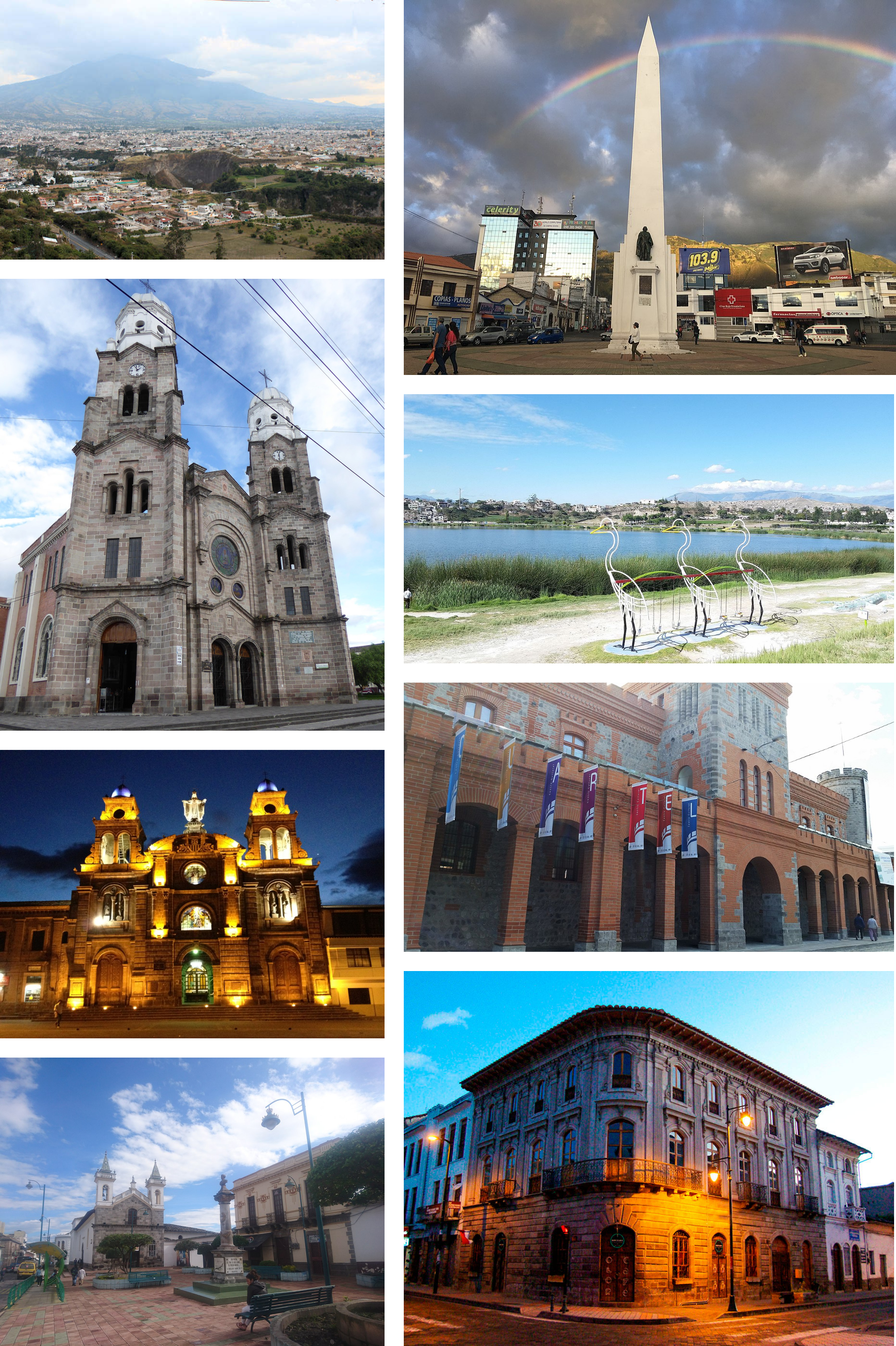 ✦ 77
✦ 77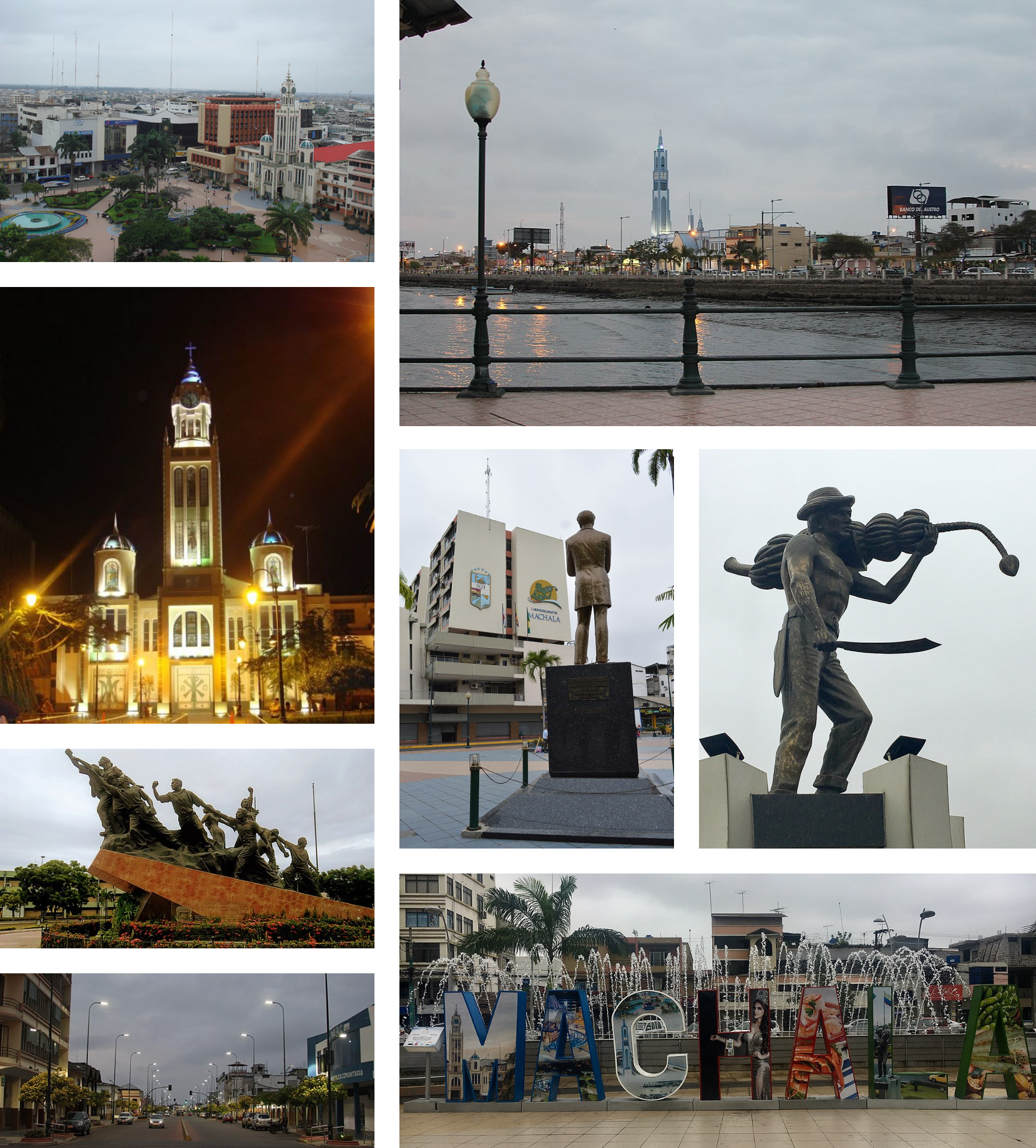 ✦ 81
✦ 81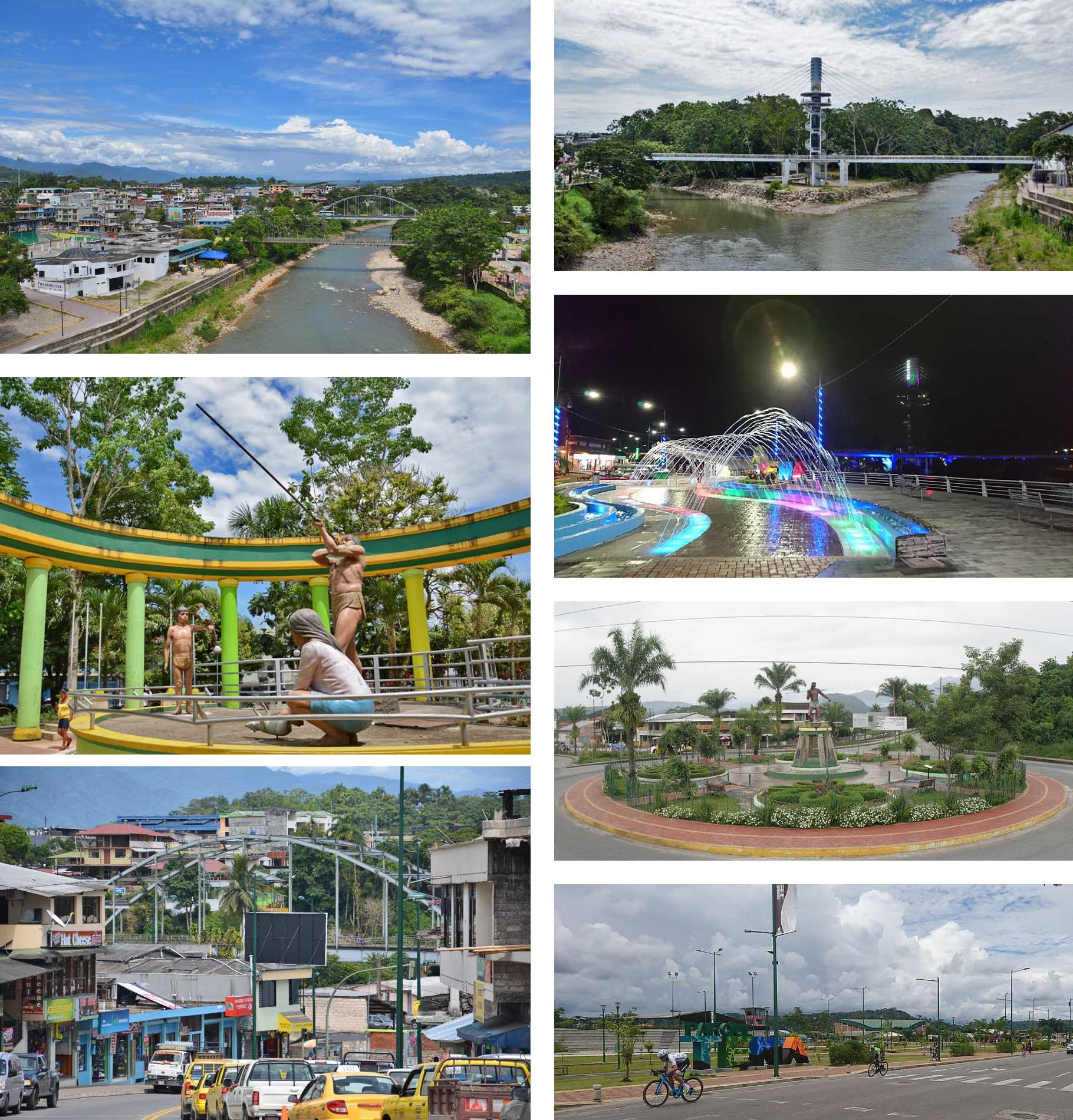 ✦ 85
✦ 85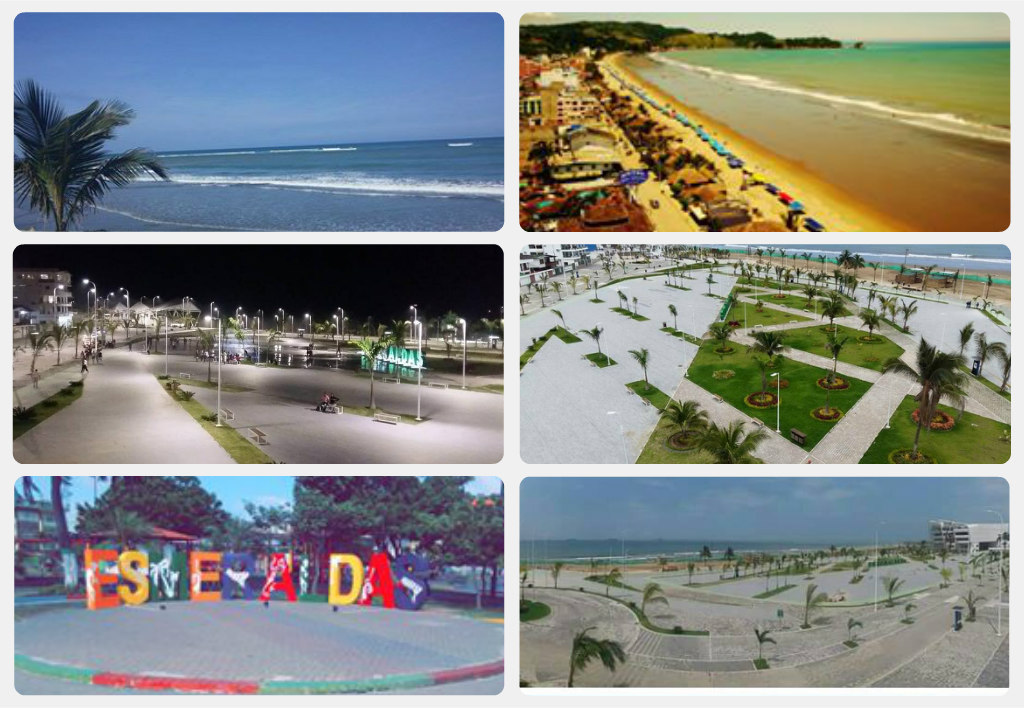 ✦ 77
✦ 77 ✦ 84
✦ 84Getting Your Investment Documentation in Order
The investment itself is the application. That sounds obvious, but what trips people up isn't making the investment - it's proving it in the format the Ministry of Foreign Affairs actually wants to see.
For real estate, the key document is the registered deed from the Property Registry, and the declared value on that deed needs to meet the threshold. This matters more than you'd think: properties in Ecuador are sometimes registered below market value for local tax reasons, which is a common practice that can create a problem if the declared value on your deed comes in under $48,200. If you're buying specifically to qualify for this visa, confirm the registered value before closing, not after.
For a bank CD, you need a fixed-term deposit at an Ecuadorian bank or credit cooperative, and the certificate needs to clearly show the amount, the term, and the institution. The practical issue here is that opening an Ecuadorian bank account as a non-resident requires being physically present in Ecuador, and some banks are more willing to work with foreigners than others. This step alone can take longer than people expect, and it's worth lining up before you arrive rather than treating it as something you'll figure out once you're there.
Company shares are the most complex route and the least common for straightforward residency purposes. If you're actually investing in an Ecuadorian business, it can work, but the documentation requirements - share certificates, registration with the Superintendencia de Compañías, corporate records - are substantial, and the margin for error is higher. Most applicants without an existing business reason to go this route end up choosing real estate or a CD.
Whatever investment type you choose, every foreign document in your application needs to be apostilled and translated into Spanish by a certified translator in Ecuador. Not a translator you brought with you. Not a translation done abroad. The translation has to happen in-country, which means the sequencing of your document preparation matters.
The Housing Requirement and How People Get It Wrong
There isn't a formal housing requirement in the way some visas have one - you're not required to own property to qualify unless that's your chosen investment vehicle. But the application does require a local address, and the way you establish that address has downstream effects people don't always think through.
If you're renting, you need a lease agreement. If you're staying with someone, you need a letter from them. Neither of these is complicated, but applicants who arrive in Ecuador without a fixed address and try to sort this out while also managing the investment documentation and the appointment scheduling are adding unnecessary friction to an already process-heavy application. Having a stable address before you submit isn't just about the form - it's about having a place where official correspondence can reach you, which matters more once the cédula process starts.
For people using real estate as their qualifying investment, there's a different version of this issue. You own the property, so the address question is solved, but you may be living somewhere else while the application is being processed - particularly if you're renting short-term while the deed is being registered. The timeline between signing a purchase agreement and having a fully registered deed can run several weeks or longer, and the application requires the registered deed, not just the purchase contract.
What Actually Happens After You Land
Visa approval is not the finish line. It's closer to the starting gun for the next phase of paperwork.
After your visa is issued, you need to register with the civil registry and obtain your cédula - the Ecuadorian national ID that you'll actually use for banking, healthcare, and most daily transactions. This step requires its own appointment, its own documents, and its own wait time. Most people who've been through the process say the cédula is what makes you feel like you actually live there, and it's also what takes longer than expected.
The 60-to-90-day adjudication window for the visa itself is a practitioner estimate, not a government guarantee. Some applications move faster. Some get requests for additional documents that restart the clock. If you're planning your move around a specific timeline - a lease that starts, a job that allows remote work from a specific date - build more buffer than you think you need. The Ministry's online system has improved, but the process still has points where things sit waiting for a human to act on them.
One thing that catches people off guard: the 90-day tourist entry you likely used to arrive in Ecuador doesn't automatically convert into your residency period. The clock on your temporary residency starts from when the visa is issued, but you're physically present in the country before that, and that presence counts toward your 183-day tax residency calculation regardless of your visa status. If your application takes three months to process, you've already used three months of your tourist allowance and three months of potential tax residency days before your visa even starts.
The Long-Term Path to Permanent Residency
On paper, the path from Investor Visa to permanent residency is straightforward: maintain your investment, don't leave Ecuador for more than 180 days in any calendar year, and apply after 21 to 24 months. In practice, the 180-day absence limit is the constraint that most people underestimate when they're planning.
If you have family in the US, a work conference, a medical situation, or just a tendency to travel, 180 days goes faster than it sounds. That's roughly one long trip home per year, with no room for anything else. People who are actually relocating and planting roots in Ecuador find this manageable. People who are treating Ecuador as a base while continuing to live a multi-country life find it quietly disqualifying - they arrive at the 21-month mark having exceeded the limit, and the path to permanent residency gets more complicated.
Citizenship is further out and more demanding. Ecuador generally requires three years of permanent residency, physical presence of roughly 183 days per year, a Spanish language test, and a civics exam. Processing times tend to run beyond the nominal minimums. This isn't a fast-track citizenship program, and anyone who came in expecting that timeline should recalibrate.
After permanent residency is approved, the qualifying investment can typically be withdrawn or restructured. That's a meaningful detail for people who chose the bank CD route specifically - the capital isn't locked up indefinitely, just for the duration of temporary residency.
The Pensionado Visa as the Obvious Alternative
The comparison most people make before applying for the Investor Visa is whether the Pensionado route makes more sense for them. They're solving for the same outcome - Ecuadorian residency - but through completely different mechanisms.
The Pensionado Visa doesn't require capital. It requires proof of a guaranteed lifetime pension or retirement income, and recent practice has put that threshold at roughly three times Ecuador's monthly minimum wage, which in 2026 works out to around $1,446 per month. If you have a pension, Social Security, or another guaranteed lifetime income stream that meets that threshold, you don't need to tie up $48,200 in an asset. The tradeoff is that the income has to be genuinely guaranteed and lifetime in nature - a remote salary doesn't qualify, a freelance income doesn't qualify, and a brokerage account generating dividends doesn't qualify. The Pensionado is specifically designed for retirees with structured pension income.
For most people reading this page - remote employees, freelancers, self-employed professionals - the Investor Visa is the relevant path precisely because the Pensionado isn't available to them. The investment threshold is the price of entry when you don't have a pension to show.
Panama comes up as a country-level alternative, particularly for people drawn to territorial taxation. Panama doesn't tax foreign-source income, which is appealing for US remote workers with complex income situations. But the cost of living is higher, particularly in Panama City, and the banking environment has become more complicated for foreigners over the past several years due to compliance pressures. Ecuador's dollarized economy, lower cost of living, and relatively accessible residency process make it a different kind of proposition - less tax-optimized on paper, but more livable in practice for people who are actually moving there rather than just establishing residency on paper.
Work Permissions
Application Steps
- 1
📋 Confirm investment amount and type
1-2 weeks
- 2
📋 Make qualifying investment
1-2 months
- 3
📄 Prepare personal documents
2-3 weeks
- 4
📬 Apply at Ministry of Foreign Affairs
1-2 months
Frequently Asked Questions
Click any question to expand the answer.
Ready to Apply?
Work with trusted visa specialists who handle the paperwork so you can focus on your move.
Get help with this visa →* We may earn a commission if you apply through our link
At a Glance
Last verified: July 15, 2026