Colombia Pensionado Visa
Colombia · Latin America
Data updated Sep 3, 2026
Min Monthly Income
$1,382
Application Fee
$175
Processing Time
1 wks–4 wks
Difficulty
Moderate
Duration
36 months
Path to Citizenship
10 years
Overview
Colombia’s Pensionado Visa targets retirees who can document at least 1,382 USD/month in pension income and nothing else; rental income, dividends, and remote work do not qualify under the current rules. Pension income in this context means a government, military, corporate, or private pension fund paying a lifelong benefit. Social Security counts for this visa’s financial test, so a US retiree living on 1,600 USD/month of Social Security alone would meet the threshold unless at least 1,382 USD/month comes from a recognized pension stream. There is no publicly specified minimum savings or investment requirement.
The visa is issued for 36 months and is renewable, with an official application fee of 175 USD and renewal costs not publicly specified. After 5 years in this migrant status, holders can transition to permanent residency, which matters if you envision a 10–15 year stay and want to stop renewing temporary permits. Years to citizenship are 10, as of 2026, so anyone planning a passport strategy should treat this as a Colombian-residency play first, not a guaranteed naturalization pipeline.
Local employment is not permitted on this visa, and the facts do not list any permitted employment types or local income caps. Someone drawing 3,000 USD/month from a US pension can live in Colombia but cannot legally take a part-time local job to “top up” their income. Health insurance is mandatory for the full visa duration, yet no local bank account, FBI background check, or interview is formally required according to the current data, which aligns with a low bureaucracy score of 1/5.
Physical presence and maximum consecutive absence rules are not publicly specified in current official guidance, even though many third-party sources talk about 183-day expectations. For planning, you cannot rely on a hard published day-count from the published rules alone and should separate visa validity from tax residency and re-entry rules. Processing time ranges from 1.4 to 4.3 weeks, so timing a move around a specific month requires contingency space.
This structure makes the most sense if you have at least 1,382 USD/month in verifiable pension income and want a 36‑month renewable stay with a 5‑year path to permanent residency while not working locally at all. It is a poor fit if your retirement income is dominated by dividends or rental income and you cannot reshape your finances to generate the required 1,382 USD/month from a qualifying pension source.
Eligibility Requirements
Any nationality can apply for the Colombia Pensionado Visa in principle, as the current rules list nationality restrictions as “all,” not a limited country group. In practice, applicants from heavily sanctioned or diplomatically sensitive states such as Iran, North Korea, Syria, and in some banking contexts Russia and Cuba, can run into consulate scrutiny and banking de‑risking that make approval and later financial setup difficult even though not categorically forbidden. Before investing in apostilles, translations, and pension certifications, confirm your specific eligibility and any local processing quirks directly with the Colombian Ministry of Foreign Affairs (Cancillería) via its official visa portal or a Colombian consulate serving your country of residence.
Min Income
$1,382
Application Fee
$175
Duration
36 months
Requirements Checklist
• Identity: valid passport with at least 6 months validity; copy of passport biographical page; passport-sized photo(s) with white background; last Colombian visa page and latest entry/exit stamp, if applicable.
• Financial: pension certification or benefit letter showing monthly lifelong pension income; bank statements showing pension deposits, if requested.
• Health: health insurance policy valid in Colombia; medical certificate, if requested.
• Background: criminal/police background check from country of residence for the last 3 years.
• Other: completed online visa application form; visa application fee payment receipt.
• Translation: certified Spanish translations of all non-Spanish documents; apostille or legalization for foreign-issued civil and supporting documents.
Apostille required on official documents
Tax Information
Local tax regime and how your income is treated
Colombia’s tax system is formally worldwide with some territorial elements and exemptions, but the precise regime applicable to Pensionado holders is not specified in the current visa facts. That means foreign pensions, ETF dividends from a US brokerage, and rental income from property abroad are potentially taxable in Colombia once you are a tax resident, rather than being automatically exempt. Remote salary earned from a non‑Colombian employer and self‑employment income tied to services performed while physically in Colombia are generally treated as Colombian‑source and taxed accordingly, regardless of where the client is located.
Capital gains on foreign investments such as index funds or ETFs held in a US or Canadian brokerage are not clearly addressed in the provided data. There is no explicit exemption in the visa facts, so you have to assume that realized gains could be taxed locally under worldwide rules until a Colombian tax advisor confirms otherwise. The safe planning assumption is not “exempt under territorial rules,” but “taxable unless a specific exclusion applies.”
Tax residency in Colombia is commonly triggered at 183 days in a rolling 365‑day window, but the visa facts do not explicitly confirm the threshold or link it to visa status. Tax residency is not automatically the same as holding a 36‑month Pensionado Visa: a holder spending only 90 days per year in Colombia might avoid residency, while someone spending 250 days becomes a resident and exposes global income to Colombian tax. Local filing obligations and registration steps (such as obtaining a NIT tax ID and filing an income return) are not disclosed in the visa facts, so these need to be clarified on the ground once you know your day count and income profile.
Tax treaty status with the US is marked as unknown here. An “unknown” flag means you cannot rely on a double tax treaty to reduce withholding on US dividends, protect US Social Security, or sort out dual‑taxation on pensions without separate confirmation. Planning assumptions for US persons should therefore be made as if no treaty relief existed, until a specialist confirms the specific article coverage.
For US Citizens and Green Card Holders
US persons remain taxed on worldwide income regardless of the Colombia Pensionado Visa or Colombian residency status. Form 2555 (Foreign Earned Income Exclusion) can shelter up to 126,500 USD of earned income in 2024 from US tax, but only for wages or self‑employment tied to active work. It does nothing for Social Security, pensions, IRA/401(k) distributions, dividends, interest, or capital gains. Since the Pensionado category forbids local work and is aimed at passive pension income, many holders will have little or no earned income to route through FEIE unless they maintain remote consulting or employment that still complies with Colombian work rules.
To use FEIE you must meet either the 330‑day Physical Presence Test across any 12‑month period or the Bona Fide Residence Test based on establishing a primary home in Colombia. A retiree actually living in Colombia most of the year can qualify on the Bona Fide Residence Test once settled; a snowbird spending only 4–5 months in Colombia and the rest in the US will not. For those with significant foreign earned income, the 330‑day test is more mechanical but harder to meet if you want extended US visits.
Form 1116 (Foreign Tax Credit) becomes relevant only if you pay Colombian tax on the same income the US taxes. If Colombia effectively taxes your foreign pension, dividends, or capital gains at non‑zero rates, those payments can generate credits that offset US tax on the same streams. If Colombian effective tax on your foreign‑source investment income is low or zero, the FTC provides little or no shelter, and you pay full US rates on those amounts.
FBAR (FinCEN 114) kicks in once the aggregate value of foreign financial accounts exceeds 10,000 USD at any time in the year, regardless of whether a local bank account is required for the visa. The current facts say no Colombian bank account is legally required, but many retirees open one; combined with brokerage or cash accounts abroad, that can trigger both FBAR and FATCA Form 8938. Non‑willful FBAR penalties start around 10,000 USD per violation, making correct reporting non‑optional.
The practical move is to engage two professionals: a US CPA who specializes in expat taxation (FEIE, FTC, FBAR, FATCA) and a Colombian tax advisor familiar with foreign‑income issues and residency thresholds. The 1,500–3,000 USD you spend in year one on that guidance often pays for itself through optimized elections, avoiding double taxation on pensions, and staying clear of five‑figure penalty landmines.
Living in Colombia
COL Index vs NYC
26.0
Monthly Cost (excl. rent)
$572
1BR Rent (City Center)
$446
Safety Index
39.1
Healthcare Index
68.6
Quality of Life Index
108.8
Time Zone
UTC-05:00
Capital
Bogotá
Population
50.9M
Official Languages
Spanish
Avg Internet Speed
220 Mbps
Public Transit Quality
Good
With a budget covering rent and living costs, you'd need roughly $1,018/mo for a comfortable single-person lifestyle in Colombia.See how far your money goes →
🏙️ Best Cities in Colombia for Retirees
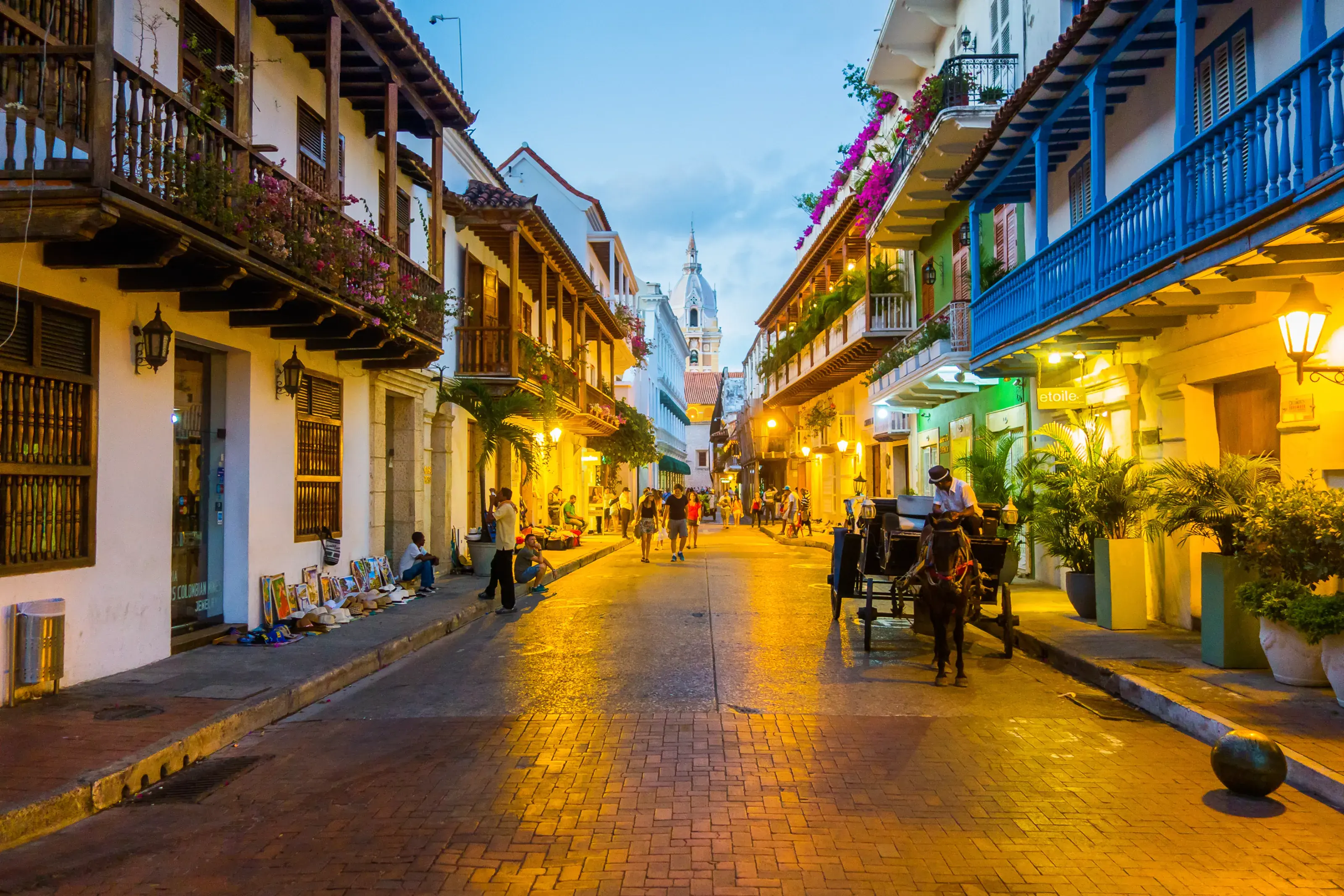 71
71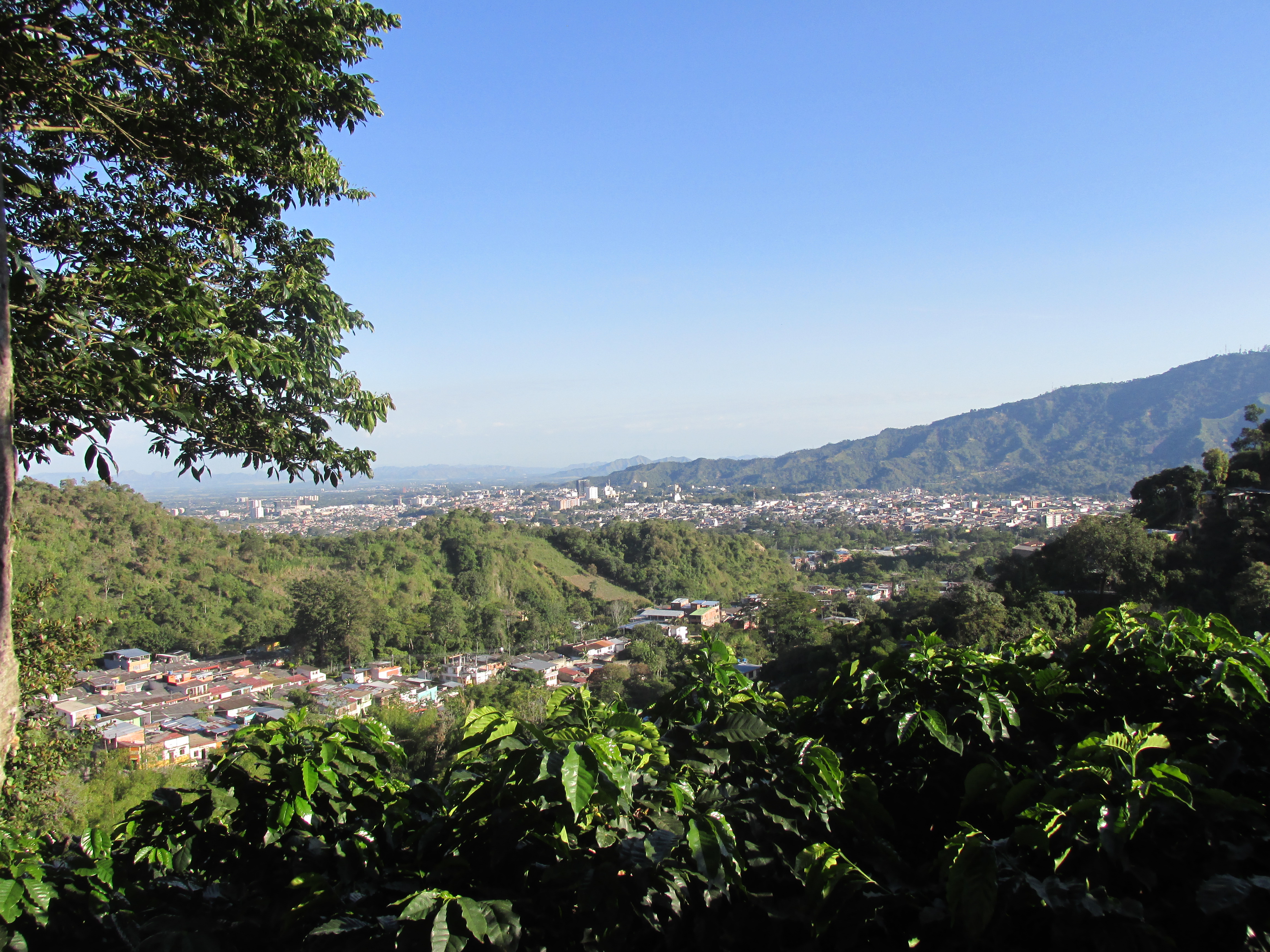 61
61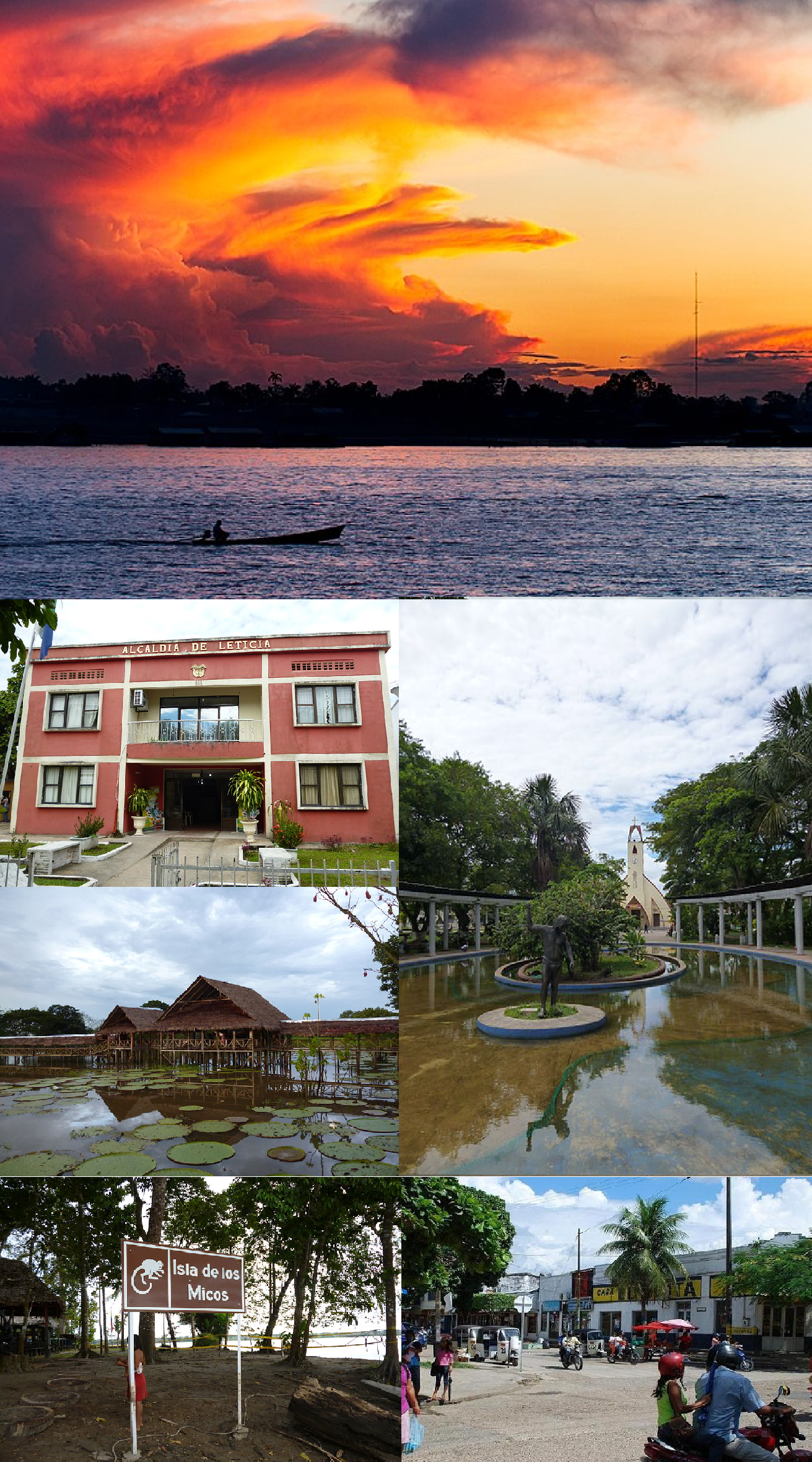 61
61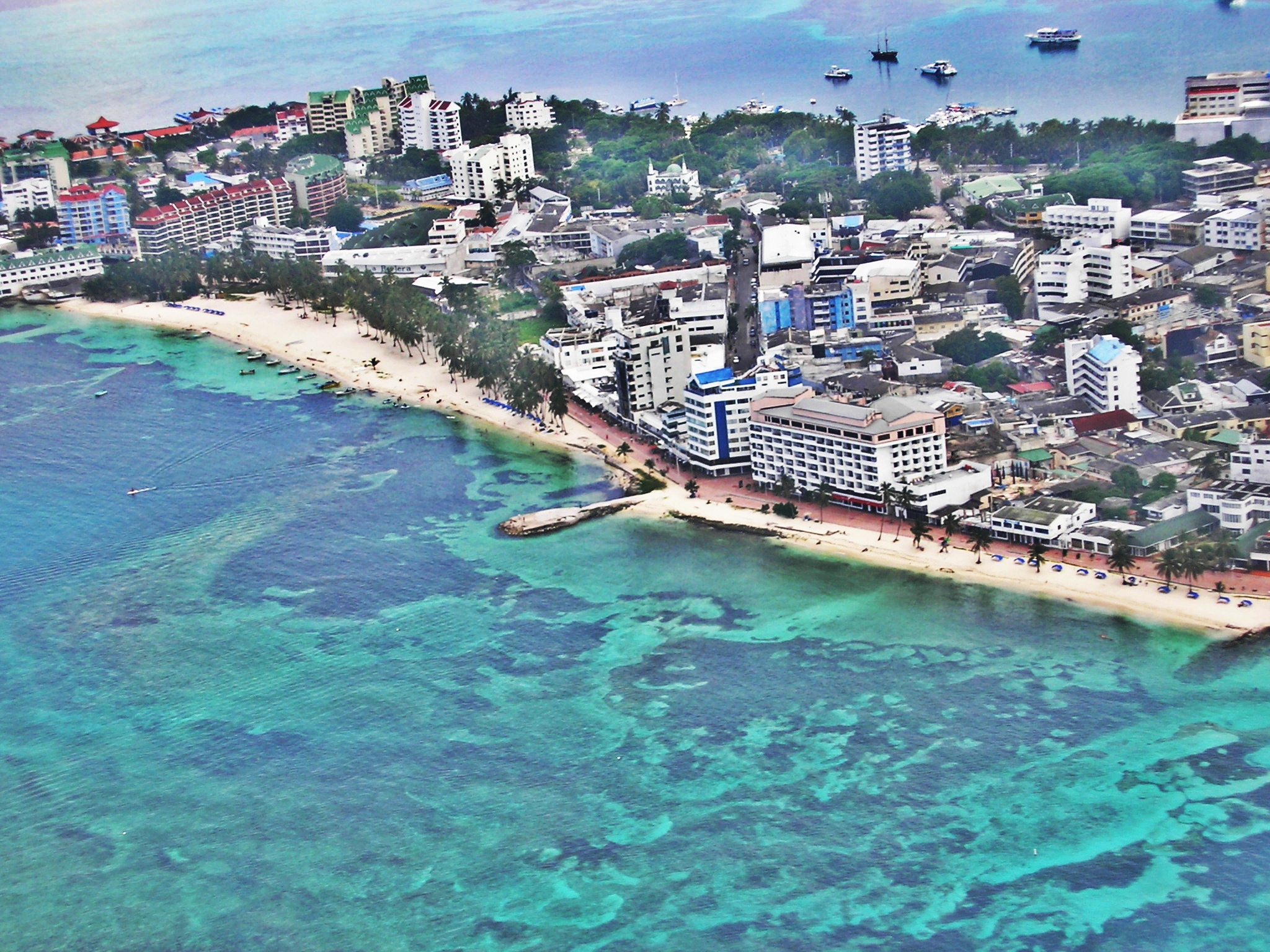 61
61 73
73 70
70Getting Your Income Story Straight Before You Apply
The Pensionado category has one of the cleaner income thresholds in Latin America, but the qualifier that trips up American applicants consistently is this: Social Security doesn't count. You can have $3,000/month coming in from Social Security and $500/month from a corporate pension, and for purposes of this visa, you have $500/month - not enough. The threshold has to be met entirely from a recognized pension stream, which means a government pension, military pension, corporate pension, or private pension fund paying a lifelong benefit.
If you're a US retiree and your income is split between Social Security and IRA withdrawals, you'll need to do some honest accounting before you start gathering apostilles. IRA distributions are withdrawals, not pension income in the way Colombian immigration defines it. The consulate is looking for documentation that something - a fund, an employer, a government entity - is paying you a guaranteed lifetime benefit. A monthly transfer from your own investment account doesn't read that way regardless of how stable your finances actually are.
What this means practically: before you touch the application, get the pension certification letter from whoever administers your qualifying pension, confirm it states the monthly amount and that it's a lifelong benefit, and have it ready to be translated into Spanish. That single document is doing most of the work. Banks statements showing the deposits help, but the certification is what consular officers actually read.
The Accommodation Requirement and Where People Get It Wrong
There is no formal accommodation requirement for this visa - you don't need a lease or a deed to apply. But the gap between "not required on paper" and "something you actually need to have figured out" is real, and a lot of applicants arrive in Colombia having treated housing as a post-approval problem.
The issue isn't bureaucratic. Colombia's rental market, especially in Medellín and Bogotá, increasingly runs on references and local bank accounts, neither of which you have yet when you first land. Furnished apartments marketed to expats exist and are straightforward to book, but they run 30-50% higher than what you'd pay once you have a Colombian cedula and some local credit history. Short-term platforms will cover your first few months without issue - the mistake is treating that as your long-term plan and being surprised when the cost doesn't match what you saw in cost-of-living tables.
The other thing that catches people: if you have dependents coming with you, and especially if you plan to settle in one of the more popular expat neighborhoods, you're competing for a narrower slice of the market than you might expect. Families with kids in international schools, longer-term expats, and locals with verifiable income all get priority from Colombian landlords who've had short-notice turnover from foreign tenants before. Showing up with a longer-term intention - and the cedula to back it up eventually - changes your negotiating position substantially.
What Actually Happens After You Land
Visa approval and having legal status are two different things, and the window between them requires attention. When your Pensionado visa is approved and you enter Colombia, you have 15 calendar days to register with Migración Colombia and obtain your cedula de extranjería - the physical ID card that serves as your actual in-country identity document. Missing that window creates a compliance problem, not just an inconvenience.
Migración offices are not uniformly staffed, and appointment availability in cities like Medellín can run several weeks out during busy periods. The 15-day clock doesn't pause for appointment backlogs. Most people who have gone through this recently either book the appointment before they land - which requires knowing your entry date precisely - or go in person on day one or two to see if walk-in processing is available. Neither path is guaranteed to work cleanly.
The cedula itself usually takes a few weeks to arrive after your appointment, and in the meantime you'll have an appointment receipt as your only documentation of legal status. That's enough for most purposes, but some banks won't open accounts on it, and a handful of landlords won't sign leases on it either. Factor that lag into any plans that depend on having Colombian ID in hand quickly.
The Long-Term Path: PR and Citizenship in Practice
On paper, the path from Pensionado visa to permanent residency runs five years. In practice, that clock only runs while you hold a valid Pensionado M visa continuously - gaps in status, lapses in renewal, or extended periods outside Colombia while your visa has expired can interrupt the count. Colombian immigration law doesn't always make it obvious when the clock restarts, and Migración Colombia's record-keeping for continuous residency calculations can require documentation going back years.
Citizenship sits further out - officially a 10-year horizon in current guidance, though the precise requirements aren't fully codified in what's publicly available. Colombian naturalization is possible, but it's not a streamlined process the way some other countries have made it, and there are language and integration requirements that become relevant at that stage. If a Colombian passport is a meaningful goal for you, the Pensionado path gets you there - just with considerably more lead time than the headline number suggests and more administrative maintenance along the way than most people plan for upfront.
The five-year PR milestone is also meaningful in a narrower sense: once you have Colombian permanent residency, you're no longer on a renewable temporary permit. That changes your relationship to the whole renewal cycle, the income documentation burden, and your ability to stay in Colombia for extended periods without worrying about status. For people who intend to actually settle - not treat Colombia as a long-term base camp - that transition is worth planning toward deliberately from year one.
Colombia Pensionado vs. the Colombia Digital Nomad Visa - Which One Actually Makes Sense for You
If you're reading this page and you have substantial remote income alongside a qualifying pension, you may have already asked whether the Digital Nomad visa might be a better fit. The short answer is that the two visas are solving different problems, and the income distinction matters more than people initially think.
The Digital Nomad visa (officially the Nómada Digital under Colombia's M category) accepts remote income from foreign employers or clients and has a similar income threshold - but it's designed for people still actively working, and it carries its own restrictions and renewal logic. If you're genuinely retired and your income is pension-based, the Pensionado category is the cleaner fit because it matches your actual situation and the documentation requirements align with what you already have. Trying to qualify for the Digital Nomad visa when your main income is pension-based means constructing a case around income that immigration will want to see ongoing evidence of - contracts, invoices, continued client relationships - that retirees typically don't have or want to maintain.
The more useful comparison for someone in the $4,000-$8,000/month pension income range is probably Colombia Pensionado versus Panama's Pensionado program. Panama is frequently mentioned in the same breath because it has one of the most established retirement visa programs in Latin America, accepts Social Security as qualifying income (which Colombia doesn't), and offers a specific set of retiree discounts as part of the program. For someone whose primary income is Social Security, Panama closes a door that Colombia leaves shut. Colombia's advantage is lower cost of living in most cities, a more dynamic urban environment in Medellín and Bogotá, and a five-year path to permanent residency that Panama's program doesn't offer on equivalent terms.
Work Permissions
Application Steps
- 1
📋 Research visa requirements
1-2 days
- 2
📄 Gather identity documents
1 week
- 3
📄 Prepare financial proof
1-2 weeks
- 4
📄 Obtain health insurance
3-5 days
- 5
📋 Pay application fee
Same day
- 6
📬 Submit online application
1 day
- 7
⏳ Wait for visa approval
- 8
🏛️ Enter Colombia and register
1-2 weeks
Frequently Asked Questions
Click any question to expand the answer.
Ready to Apply?
Work with trusted visa specialists who handle the paperwork so you can focus on your move.
Get help with this visa →* We may earn a commission if you apply through our link
At a Glance
Health Insurance Required
This visa requires valid health insurance for the duration of your stay.
Compare Insurance Plans →Expat Tax Help
Filing US taxes from abroad is complex. Work with a specialist who knows expat tax law.
Find an Expat Tax Pro →Last verified: July 15, 2026