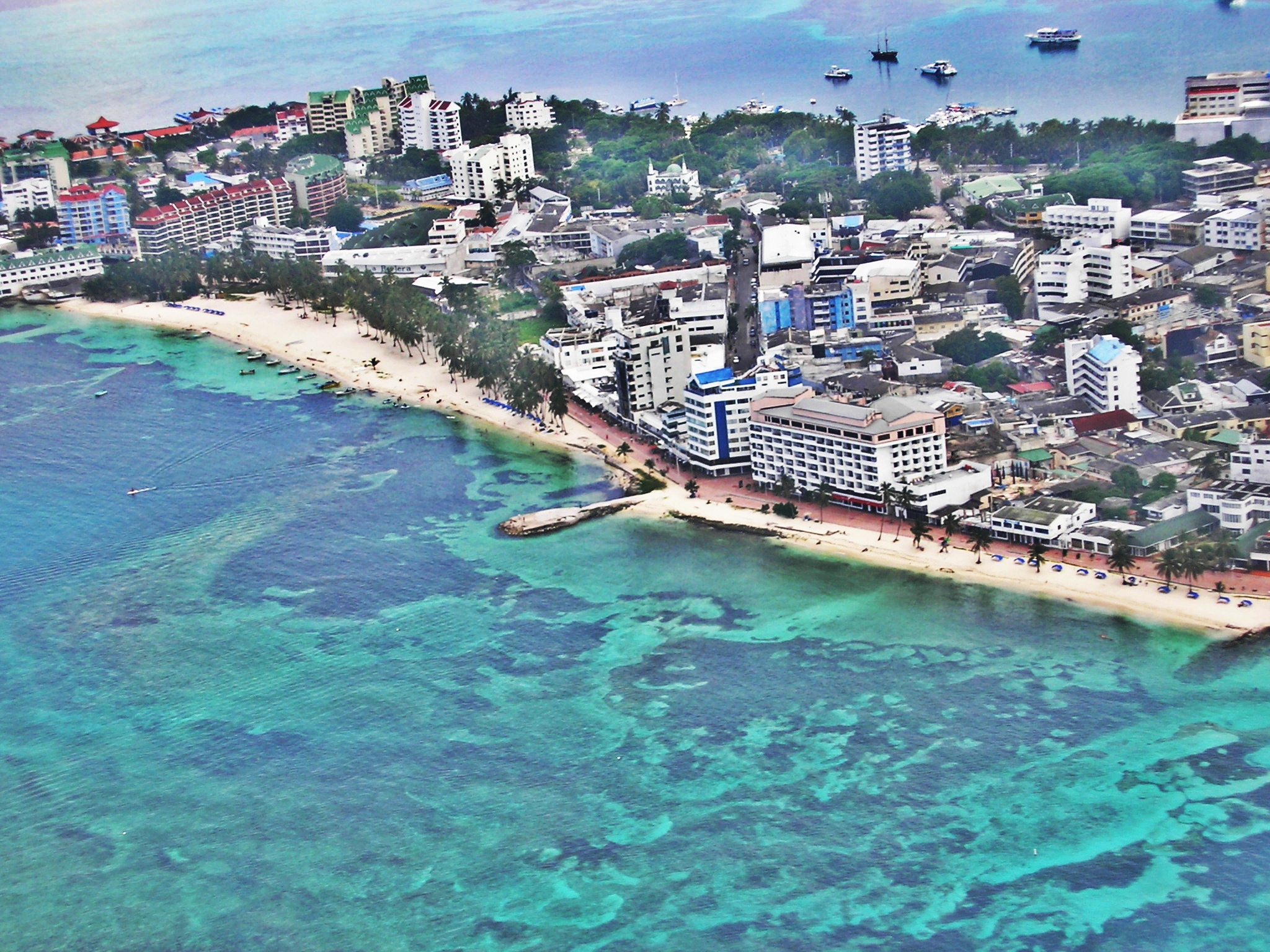
San Andrés, Colombia
Data updated Sep 3, 2026
📊 Scores
Tourism dominates San Andrés' economy—hotels, restaurants, water sports operators, and retail businesses built around beach holidays and diving are where most money moves. Fishing and coconut farming exist but are marginal. If you're not working in hospitality, you're likely freelancing remotely or running an online business; local job opportunities for skilled expats are thin. The Seaflower Biosphere Reserve status protects marine life but also restricts commercial activity, so don't expect rapid economic expansion.
A 1-bedroom in the city center runs $480/month, but imported goods cost 20–30% more than mainland Colombia—groceries, electronics, fuel all sting. Flights to Cartagena and the mainland are frequent and necessary for supplies or bureaucracy. Healthcare is basic; serious issues mean flying out. Spanish helps, but English and Creole are widely spoken in tourism zones. Residency paperwork is standard Colombian bureaucracy—slow, document-heavy, but not uniquely painful for the island.
Year-round heat, humidity, and a rainy season mean you're either diving, snorkeling, or sweating indoors. Food is fresh seafood and Caribbean staples; nightlife clusters around tourist bars. The expat community is small and transient—mostly digital nomads and retirees on short stays. Weekends revolve around water: boat trips to Providencia, reef dives, beach bars. This suits remote workers who want Caribbean warmth and diving without committing to a big city, but not those seeking deep local roots or career growth.
🏚️ Cost of Living
💰 Budgets and Costs
Grocery Basket
Eating Out
Utilities & Lifestyle
Housing
A 1BR in the center runs about $480/mo. If your income is in another currency, bank FX fees add up. A multi-currency account can cut that cost.
See low-fee transfersWe may earn a commission at no cost to you.
💰 Real Spend Reports
🛡️ Safety & Crime
(Higher is safer)
(Lower is safer)
San Andrés is a relatively safe Caribbean island destination with a strong tourism infrastructure and visible police presence. The main concerns are petty theft, pickpocketing in crowded areas, and occasional scams targeting tourists and expats. Avoid displaying valuables, stay out of isolated areas after dark, and be cautious with unofficial taxis. The island's geographic isolation and smaller population create a more controlled environment than mainland Colombian cities. For expats, it's generally manageable with standard precautions—a reasonable choice for remote workers seeking Caribbean living.
🏥 Healthcare
🌤️ Climate
Best Months
Climate Notes
San Andrés has a tropical climate with warm, humid weather year-round and a rainy season from May to December, making it ideal for beach lovers who tolerate high humidity.
💻 Digital Nomad
Community Notes
| Name | Price/mo | Notes |
|---|---|---|
| San Andrés Cowork | $80 | Located in the center of San Andrés, this coworking space offers a relaxed atmosphere with reliable internet, air conditioning, and a communal kitchen. It's a good option for digital nomads looking for a budget-friendly and social workspace. |
| Regus San Andrés | $150 | As part of the Regus network, this location provides a professional environment with private offices and coworking options. Located in a central business area, it offers amenities like meeting rooms, business support, and secure access, appealing to those needing a more structured workspace. |
Planning to live in San Andrés long-term? Colombia Digital Nomad Visa lets remote workers live legally.
View full requirements →Working remotely from San Andrés? Nomad health insurance covers you across borders, month to month.
See nomad insuranceWe may earn a commission at no cost to you.
🧳 Expat Life
Expat Life Notes
A Caribbean island with a unique English-Creole speaking population. It is a major tourism hub but physically isolated from the mainland.
Pros
- ✓ Crystal clear sea
- ✓ English-speaking heritage
- ✓ Duty-free status
Cons
- ✗ Extremely isolated
- ✗ Infrastructure issues (water/power)
- ✗ Very high humidity
🛂 Visa Options for Colombia
Many long-stay visas require proof of health insurance. Compare international health plans before you apply.
Compare health insuranceWe may earn a commission at no cost to you.
Living on investment or passive income? Colombia Pensionado Visa may be the right fit — minimum $1,382/month required.
View full requirements →Earning over $1,382/mo? You may qualify for a Colombia visa.
Answer 10 questions and get a personalized match in under 2 minutes.
Could living/working in San Andrés cut years off your work life?
With a 1-bedroom in the center at $288/mo, your FIRE number here might be much lower than you think.
Moving to San Andrés? Estimate what an international move would cost and compare mover quotes.
Estimate my move costShare This Guide
San Andrés won't stay this cheap forever.
Cost-of-living and visa updates for San Andrés and the rest of Colombia. Free with RA Postcards.
By submitting your email address, you will receive a free subscription to RA Postcards and special offers from Rewire Abroad and our affiliates. You can unsubscribe at any time, and we encourage you to read more about our Privacy Policy.