Brazil Retiree / Pension Recipient Residence (VITEM XIV)
Min Monthly Income
$2,000
Application Fee
R$168.13 (≈ $33.51)
Processing Time
about 6 months
Difficulty
Moderate
Duration
24 months
Overview
Brazil grants temporary residence to retirees and survivor’s pension recipients who prove a monthly transfer to Brazil of at least US$2,000 in foreign currency. The rule is Normative Resolution No. 40 of 2 October 2019 of the National Immigration Council, and consulates file the entry visa under category VITEM XIV.
The initial residence runs for up to two years. The resolution sets no minimum age and no income add-on per dependent, and the pension is the basis: rent or dividends can only top up a pension that falls short of the threshold.
Applicants abroad need health insurance valid in Brazil, an apostilled criminal record certificate and proof of the pension. Applying from inside Brazil costs R$372.90 in Federal Police fees, and US citizens pay a US$290 consular fee when applying abroad. The main catch is tax: on the 184th day of presence in any twelve-month window you become a Brazilian tax resident, and the foreign pension enters the monthly carnê-leão.
Eligibility Requirements
The resolution sets no nationality restriction. Since 1 September 2026, nationals of countries exempt from the Brazilian visitor visa file temporary visa applications fully online through the Integrated Consular System, upload their documents and receive the visa by email. Citizens of countries that still need a visitor visa, including the United States, Canada, Australia and India, complete the same online form and then attend a consulate appointment. Consular fees are set by nationality.
Min Income
$2,000
Application Fee
R$168.13 (≈ $33.51)
Duration
24 months
pension_ss · Pension / Social Security
Requirements Checklist
0 of 11 documents in hand
0%These take the longest, so start them first.
Request these while the slow items are in progress.
You only need these on the day you submit.
Extra requirements for this visa
- Apostille required on official documents
How and where to apply
Brazilian consulate for your place of residence, through the Integrated Consular System, or from inside Brazil through MigranteWeb with registration at a Federal Police unit.
Tax Information
How Brazil taxes a retiree
Tax residency follows presence, not the visa. A holder of a temporary visa becomes a Brazilian tax resident on the day the 184th day of presence is completed, counting consecutive or non-consecutive days inside any period of up to twelve months. Up to day 183 Brazil taxes only income from Brazilian sources, at source.
From day 184 a foreign pension is taxed in the monthly carnê-leão in the month it is received, whether or not it is transferred to Brazil, and again in the annual return. Monthly rates run from 0% to 27.5%. Since 1 January 2026 a reduction applies, so that taxable monthly income up to R$5,000 pays no income tax, and the reduction fades out linearly at R$7,350. The foreign amount is converted to US dollars at the paying country’s official rate on the date of receipt and then to reais at the Central Bank of Brazil’s buying rate for the last business day of the first half of the previous month.
The over-65 exemption in Law 7,713/1988 is written for Brazilian payers, and Interpretive Declaratory Act RFB 2 of 2024 states that it does not apply to a pension paid by a foreign public institution. Income from a serious illness listed in the law is exempt even when paid from abroad, on a report from an official medical service. A 401(k), IRA or similar fund can fall under Law 14,754/2023, which taxes foreign retirement and pension funds as financial investments at 15% on the income when redeemed, so each income stream needs its own classification before the first return.
Foreign tax credit and the US treaty position
Brazil and the United States have no income tax treaty. The Receita Federal recognizes reciprocity for US federal income tax, so federal tax paid on the pension can be set against the Brazilian tax on the same income, up to the Brazilian tax due on it and only if the amount is not credited or refunded in the United States. State income tax is outside that reciprocity. A social security totalization agreement has been in force between the two countries since 1 October 2018; it covers contribution periods and does not reduce income tax.
What the IRS still wants
US citizens remain taxable in the United States on worldwide income. The foreign earned income exclusion, set at $132,900 for 2026, covers wages and self-employment income only, so a pension does not qualify for it. The foreign tax credit on Form 1116 is the usual tool for offsetting Brazilian tax on pension income. Foreign accounts that exceed $10,000 in aggregate at any point in the year must be reported on an FBAR.
Living in Brazil
COL Index vs NYC
33.0
Monthly Cost (excl. rent)
$552
1BR Rent (City Center)
$381
Safety Index
36.4
Healthcare Index
59.2
Quality of Life Index
117.2
Time Zone
UTC-05:00
Capital
Brasília
Population
212.6M
Official Languages
Portuguese
Avg Internet Speed
244 Mbps
Public Transit Quality
Fair
With a budget covering rent and living costs, you'd need roughly $933/mo for a comfortable single-person lifestyle in Brazil.See how far your money goes →
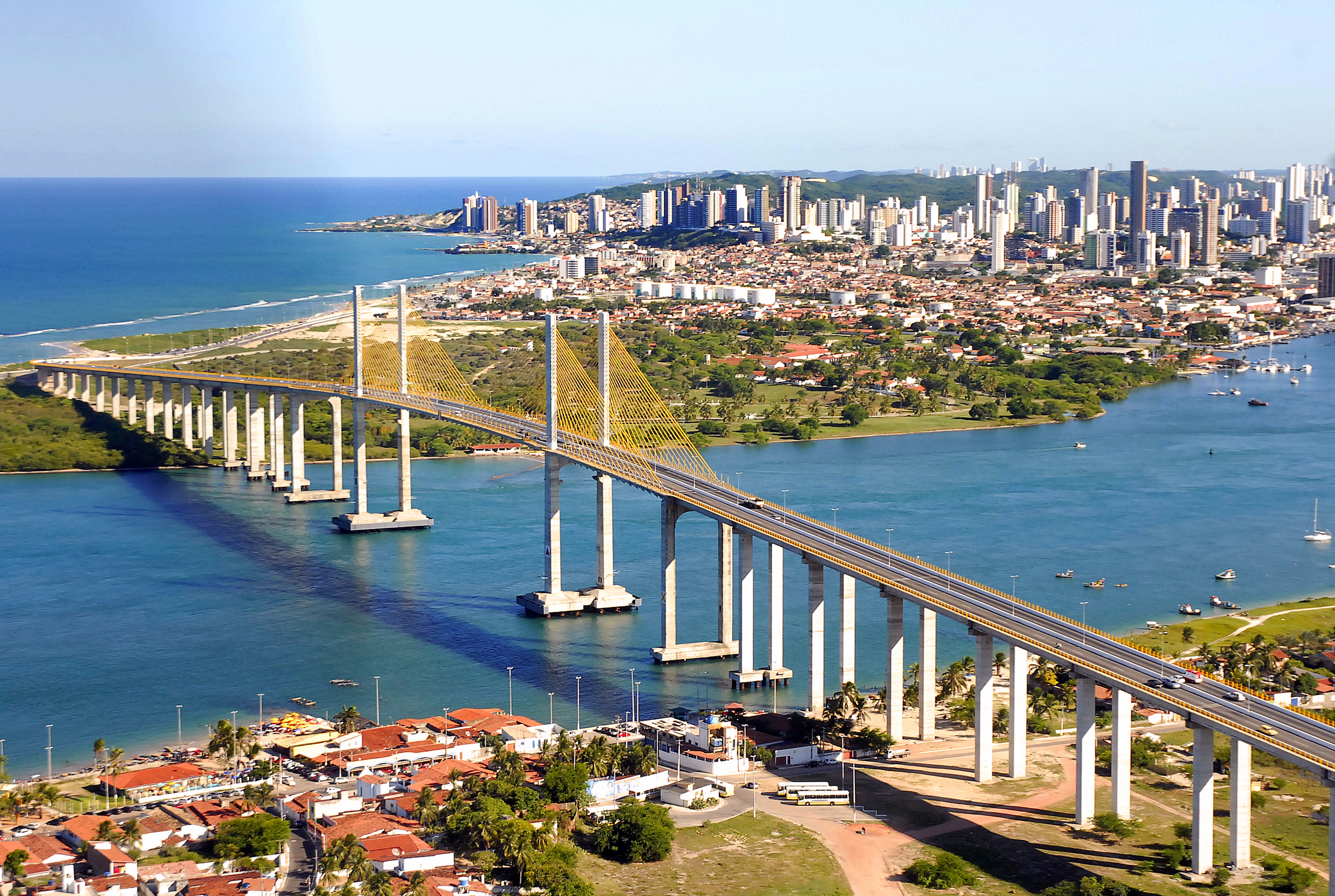
🏙️ Best Cities in Brazil for Retirees
 70
 71
 71
 72
 71
Who qualifies
The permit is for two kinds of applicant: a retiree, and the beneficiary of a survivor’s pension. Article 1 of the Normative Resolution asks for proof of a monthly transfer to Brazil of at least US$2,000 in foreign currency. A retiree shows proof of retirement together with the ability to transfer that amount, and a survivor’s pension recipient shows receipt of a pension of at least that size. Other regular income counts only as a top-up when the pension alone falls short, so rent, dividends or savings without a pension do not qualify.
The resolution sets no minimum age, no language test and no add-on amount per dependent. It does not name the paying institution, and consulates list pension certificates from national pension authorities as proof.
Financial requirements
The threshold is a monthly transfer, not a balance. Consulates ask for an official letter from the applicant’s bank, signed by the account manager, stating that the bank can transfer at least US$2,000 each month to an account in Brazil. No property purchase, investment or minimum savings amount is required.
Documents
For the consular route, article 2 of the resolution lists the documents and article 3 adds the pension proofs:
- Valid passport or travel document
- International certificate of immunization, when Anvisa requires it
- Health insurance valid in Brazil
- Proof of payment of the consular fee
- Completed visa application form
- Proof of transport into Brazil
- Criminal record certificate from the country of origin, apostilled
- Pension certificate or award letter showing the monthly amount
- Bank letter on the ability to transfer the required amount each month
- Proof of other regular income, only when the pension falls short
Consulates can ask for additional documents, and foreign-language papers need sworn Portuguese translations.
Application routes
From abroad, the application goes through the Brazilian consulate for the applicant’s place of residence. The application is created in the Integrated Consular System with the documents uploaded, and nationals who need a visitor visa, including US citizens, then attend an appointment. After the visa is issued, the holder enters Brazil and registers with the Federal Police within 90 days of arrival to receive the national migration registry card, the CRNM.
From inside Brazil, article 4 of the resolution lets the Ministry of Justice and Public Security grant a residence authorization to someone already in the country, on the general documents of CNIg Resolution 1 of 2017 plus the same pension proofs. The request is filed through the MigranteWeb system, with biometrics and registration at a Federal Police unit.
Costs
From inside Brazil, the Federal Police charges R$168.13 to process the residence request and R$204.77 to issue the registration card, a total of R$372.90 for each adult. From abroad, the consular fee depends on nationality, and US citizens pay US$290, with the R$204.77 card fee due at registration. Health insurance, apostilles and sworn translations add to the total.
Permit duration and renewal
The initial residence lasts up to two years, whether the visa is issued abroad or the authorization is granted inside Brazil. Article 5 of the resolution leaves renewal to a separate rule. Under Decree 9,199/2017, article 142, paragraph 3, the immigrant can ask, once the initial period has run, for a renewal of up to two years or for a change to an indeterminate term, and the granting authority decides which. The request is filed at the Federal Police during the 90 days before the card expires.
Family members
The resolution contains no dependent formula. The figure of US$1,000 for each extra dependent that appears in some summaries comes from Resolution 45/2000, which Resolution 40 revoked. Spouses and children apply for their own residence through the family reunification category, VITEM XI.
Presence and tax residency
The resolution sets no minimum number of days in Brazil, but days of presence decide tax residency. The 184th day in any twelve-month window brings worldwide income, including the pension, into the Brazilian tax base.
Permanent residency and citizenship
Nothing in the resolution converts the permit into permanent residence. A change to an indeterminate term depends on a request to the granting authority, and Decree 9,199/2017, article 221, counts only residence for an indeterminate term toward naturalization. Years spent on the temporary permit therefore add nothing to the naturalization clock, which starts when the indeterminate term begins.
Work Permissions
What's typically permitted:
Application Steps
- 1
📋 Collect proof of the pension and the transfer
4 to 6 weeks
- 2
📄 Order and apostille the criminal record certificate
- 3
📋 Buy health insurance valid in Brazil
- 4
📬 Submit the visa application to the consulate
5 to 15 business days
- 5
📬 Apply from inside Brazil as an alternative
30 to 90 days
- 6
🏛️ Enter Brazil and register with the Federal Police
Within 90 days of entry
- 7
⏳ Receive the CRNM registration card
About 90 days
- 8
🏛️ Request renewal or an indeterminate term
Within the 90 days before expiry
This visa requires proof of health insurance. Compare international plans before you apply.
Compare health insuranceWe may earn a commission at no cost to you.
Compare this visa
Curated comparisons that include this route.
Frequently Asked Questions
Click any question to expand the answer.
Ready to Apply?
Work with trusted visa specialists who handle the paperwork so you can focus on your move.
Get help with this visa →* We may earn a commission if you apply through our link
At a Glance
Last verified: October 25, 2026