Bangladesh Digital Nomad Visa
Bangladesh · Asia
Data updated Sep 3, 2026
Overview
Bangladesh’s Digital Nomad Visa sits in an unusual place: it has been publicly discussed and is marked as “announced”, but the government has not yet disclosed the hard numbers expats care about. There is no publicly specified minimum monthly income, no stated savings requirement, and no official guidance on whether remote salary, dividends, rental income, Social Security, or pensions will count. For someone living on, say, $3,800/month from ETF dividends and US rental income, that means there is currently no way to know from primary sources whether you clear the threshold, because no threshold has been published at all.
Equally important, immigration authorities have not publicly specified how long this visa will run for, whether it is renewable, or what the processing time looks like from filing to approval. The structured data for this pathway shows duration, processing time, and renewal terms all as “not specified,” which means you cannot yet plan around a 6‑, 12‑, or 24‑month cycle the way you can with, for example, Spain’s 1‑year digital nomad residence or Portugal’s 2‑year D8. Anyone trying to dovetail Bangladesh with a second base in, say, Thailand or Malaysia is operating without a clear calendar.
On the residency side, nothing has been publicly confirmed about whether this visa leads to permanent residence or citizenship. The fields for “Leads to PR,” “Years to PR,” and “Years to Citizenship” are all marked “not specified,” so you should assume, at least for planning purposes, that this is a temporary stay mechanism until official rules say otherwise. The same opacity applies to physical presence: there is no disclosed day‑count requirement per year and no maximum consecutive absence, which makes long‑term tax and lifestyle planning inherently uncertain.
Friction is unusually low in one sense and unknowable in another. The bureaucracy score is 1/5, and current data explicitly states no apostille, no FBI background check, no medical exam, and no in‑person interview requirement have been built into this visa as announced. At the same time, the government has not disclosed application fees, renewal costs, or whether a local bank account or health insurance will be mandatory, so you can’t yet model your true all‑in cost of entry. Work rules are also blank: there is no official statement on whether local employment is permitted or whether you are restricted to foreign‑source income.
In practical terms, this path makes the most sense if you are highly flexible, spending under $1,000/month in‑country, and treating Bangladesh as an experiment rather than a pillar of a 10‑year FIRE plan. It is a poor fit if you need a disclosed 183‑day presence rule, clear PR/citizenship track, and a published income threshold before moving a family or committing a portfolio‑backed retirement to South Asia.
Eligibility Requirements
Any nationality can apply in principle for the Bangladesh Digital Nomad Visa, as the nationality field for this program is explicitly set to “all.” In practice, applicants holding passports from heavily sanctioned or diplomatically strained states—such as Iran, North Korea, Syria, or, depending on current sanctions and banking policy, Russia or Cuba—may find that consular processing, background vetting, or opening a local bank account becomes difficult enough to make the route unworkable even if not legally barred. Before assembling a full document package, confirm your specific eligibility and any additional checks directly with the Department of Immigration and Passports or the relevant Bangladesh mission handling visa applications.
Requirements Checklist
• Identity: Valid passport (minimum 6 months validity and blank pages); completed Bangladesh online visa application form; two recent passport-size photographs (45x35mm, white background).
• Employment: Proof of remote employment contract or freelance agreements with non-Bangladesh clients; letter from employer or clients confirming remote work, income, and that work will be performed outside Bangladesh.
• Financial: Recent bank statements showing stable income from abroad; proof of regular remote income meeting minimum threshold set by Bangladeshi authorities (if specified at application time).
• Accommodation: Proof of accommodation booking or rental agreement in Bangladesh (hotel reservation or lease).
• Other: Evidence of purpose of stay as a remote worker (cover letter explaining digital nomad activity and duration of stay).
Tax Information
Local tax picture for digital nomads in Bangladesh
Bangladesh has not yet published a dedicated tax regime tied specifically to the announced Digital Nomad Visa, and the visa’s own tax‑related fields are largely blank: tax regime type, tax status deadline, and whether there is a US tax treaty are all marked as “not specified” or “unknown.” In practice, remote workers and retirees in Bangladesh fall back onto the standard distinction between resident and non‑resident taxpayers. Tax residency usually hinges on days spent in the country under domestic law, often around a 183‑day threshold in a fiscal year, but that threshold is not explicitly linked to this visa category in any official documentation.
Because no special regime is disclosed, you should assume that once you are a tax resident under local rules, mainstream Bangladeshi income tax rules apply to employment income, business profits, and, potentially, foreign passive income. There is no official guidance yet stating that remote salary from a foreign employer, ETF dividends from a foreign brokerage, US pension distributions, or rental income from property abroad would be exempt under a territorial or remittance framework for Digital Nomad Visa holders. Likewise, nothing in the published data confirms a capped rate or exemption for pension or Social Security‑type income, and the field “Pension Income Recognized” is explicitly “not specified.”
Capital gains on foreign investments
For FIRE‑oriented applicants, the critical question—whether gains from selling index funds or ETFs in a foreign brokerage are taxed in Bangladesh—is unanswered at the visa‑policy level. The “Tax Regime Type” field is “not specified,” so there is no authoritative basis to claim either (a) exemption under territorial rules, (b) full inclusion at a stated rate, or (c) taxation only if remitted. Until the legal text for this visa or a clarifying circular is issued, treatment of foreign capital gains remains genuinely unspecified for Digital Nomad Visa holders.
Tax residency triggers and filing mechanics
The visa data does not specify when a holder becomes a tax resident, whether tax residency is automatic on visa grant, or whether a separate registration with the National Board of Revenue is required. There is also no disclosed “Tax Status Deadline,” so there is no program‑specific date by which you must register or file. In practice, anyone spending many months in Bangladesh under this visa should expect to obtain a tax ID and, once resident under domestic law, to file an annual tax return declaring worldwide or Bangladesh‑source income as required by general law.
Tax treaty status
The field “Tax Treaty with US” is set to “unknown.” That means you cannot rely on this visa‑level data to assume there is, or is not, a double tax treaty or Social Security totalization agreement with the United States. For American retirees and remote workers, that uncertainty affects expectations around reduced withholding on dividends, interest, or pension distributions and around foreign tax credit coordination. You need to verify treaty status and scope directly from US and Bangladeshi government sources before building a tax optimization plan.
For US Citizens and Green Card Holders
US tax obligations are independent of whatever Bangladesh eventually codifies for its Digital Nomad Visa. Even if Bangladesh applied a zero‑tax or territorial treatment to your foreign income, you would still file a US Form 1040 annually and report your global income. Three US mechanisms interact with this visa in practice.
First, the Foreign Earned Income Exclusion (FEIE) on Form 2555 can shield up to $126,500 of earned income in 2024—remote salary, freelancing, consulting—but not dividends, bond interest, ETF capital gains, pension distributions, or Social Security. Many Digital Nomad Visa users will qualify under the Physical Presence Test, which requires 330 full days outside the US in any 12‑month period, potentially split between Bangladesh and other countries. The Bona Fide Residence Test is harder to rely on until Bangladesh clarifies long‑term residence and renewal rules for this visa.
Second, the Foreign Tax Credit on Form 1116 matters only to the extent Bangladesh actually taxes your income. If Bangladesh ultimately taxes your remote salary or foreign dividends at a meaningful rate, you can generally use those foreign income taxes as a credit against US tax on the same income. If, instead, Bangladesh ends up applying a low or zero tax to foreign‑source income for nomads, your FTC benefit on that portion of income will be minimal or nonexistent, leaving US tax as the binding burden.
Third, FBAR (FinCEN 114) and FATCA Form 8938 reporting become relevant as soon as you open local financial accounts. This visa’s requirements currently list “Local Bank Account Required” as “not specified,” but many expats open an account for rent and daily expenses anyway. Once your aggregate balance in non‑US accounts exceeds $10,000 at any point in the year, an FBAR is mandatory, with non‑willful penalties starting around $10,000 per violation. FATCA Form 8938 has higher thresholds but can also apply.
For a US citizen using this visa, the realistic setup is to retain a US‑based CPA who specializes in expat taxation—covering FEIE, FTC, FBAR, and FATCA—and a local Bangladeshi tax advisor who can interpret how general income tax rules apply to a long‑stay remote worker. The $1,500–$3,000 you spend in the first year on that combined advice usually pays for itself through correct FEIE/FTC elections, avoiding double taxation where possible, and staying clear of five‑figure penalties for missed asset reporting.
Living in Bangladesh
COL Index vs NYC
20.9
Monthly Cost (excl. rent)
$349
1BR Rent (City Center)
$99
Safety Index
38.4
Healthcare Index
42.2
Quality of Life Index
73.9
Time Zone
UTC+06:00
Capital
Dhaka
Population
164.7M
Official Languages
Bengali
Avg Internet Speed
104 Mbps
Public Transit Quality
Fair
With a budget covering rent and living costs, you'd need roughly $448/mo for a comfortable single-person lifestyle in Bangladesh.See how far your money goes →
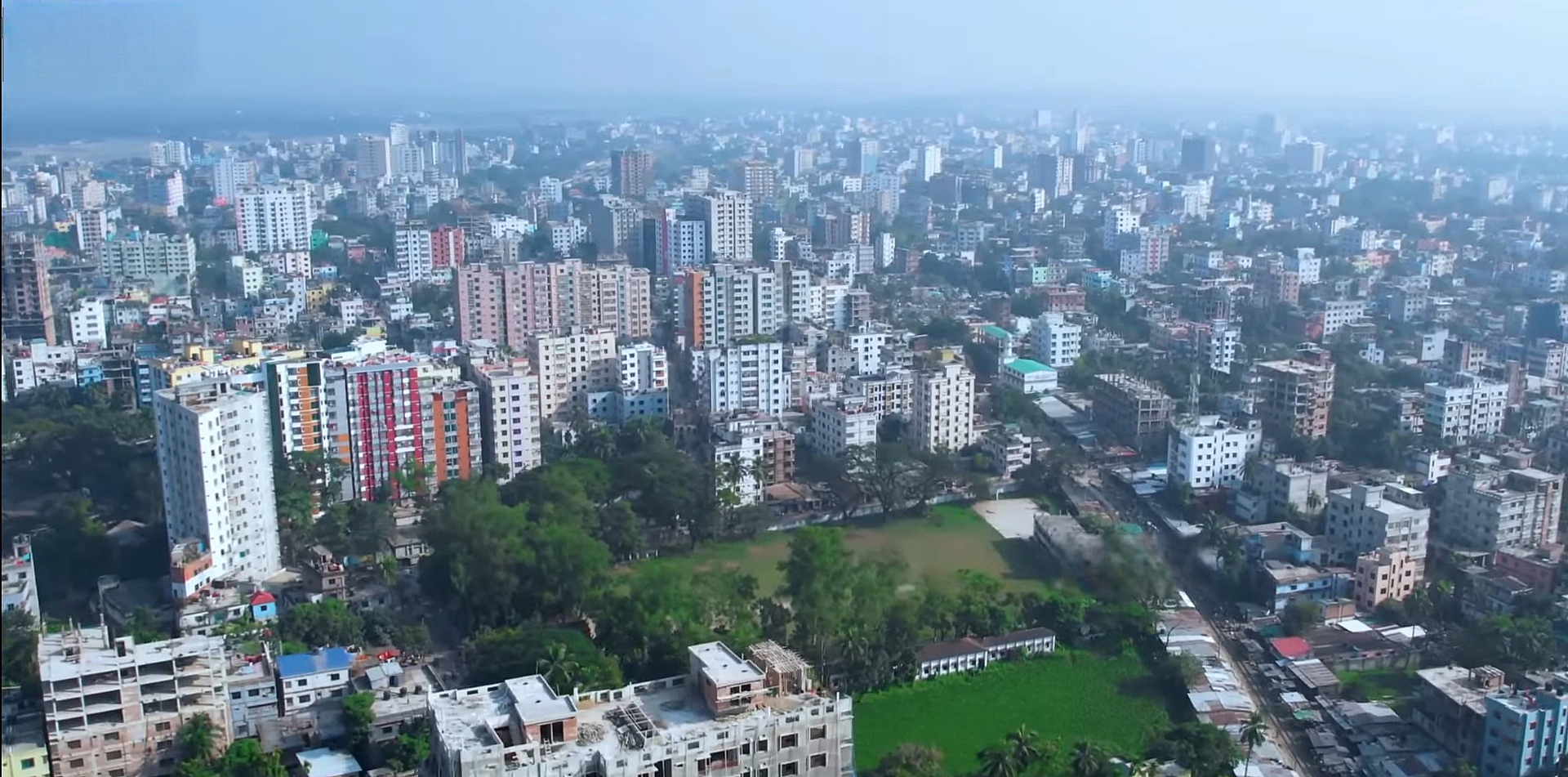
🏙️ Best Cities in Bangladesh for Digital Nomads
 56
56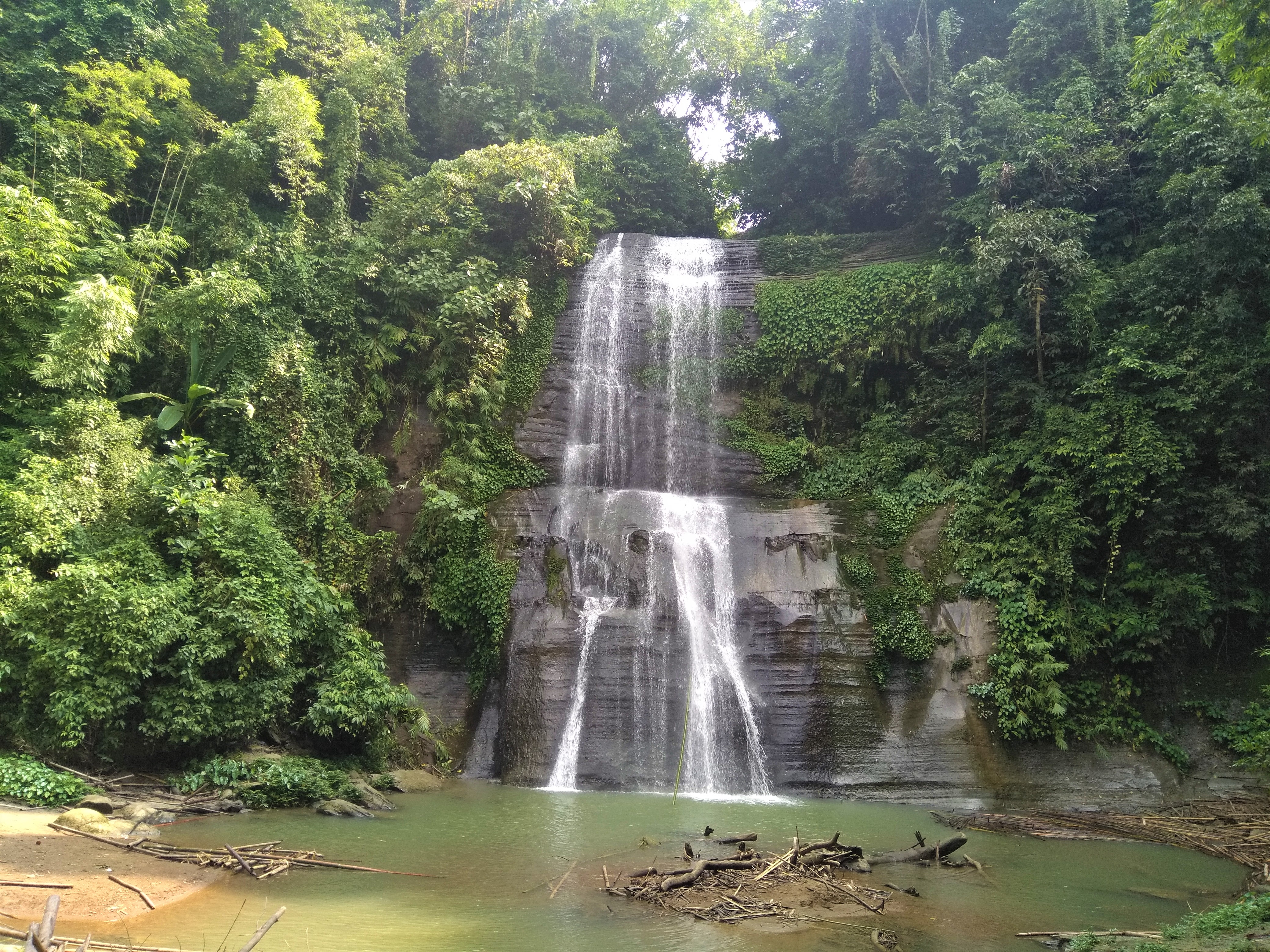 57
57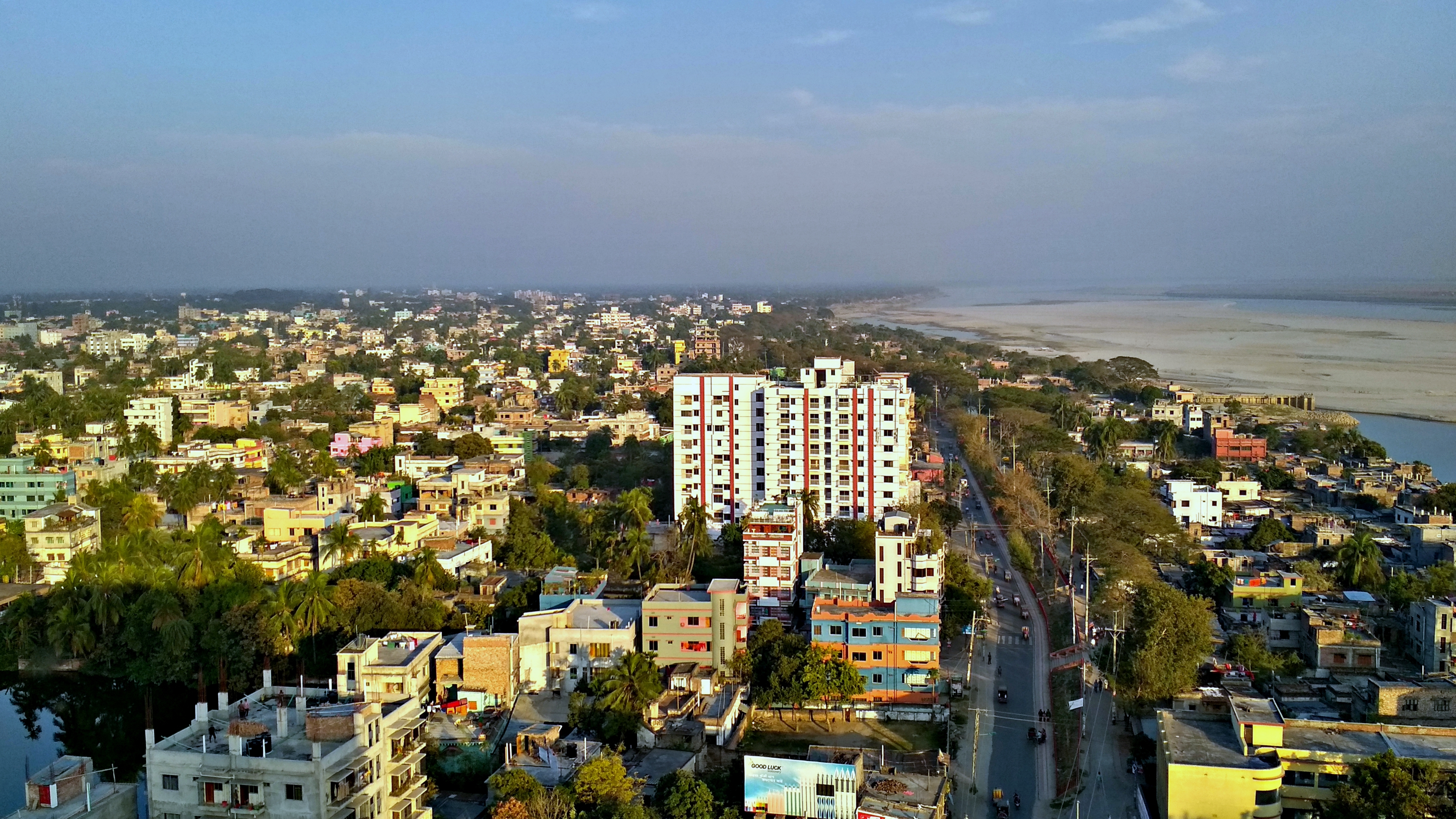 51
51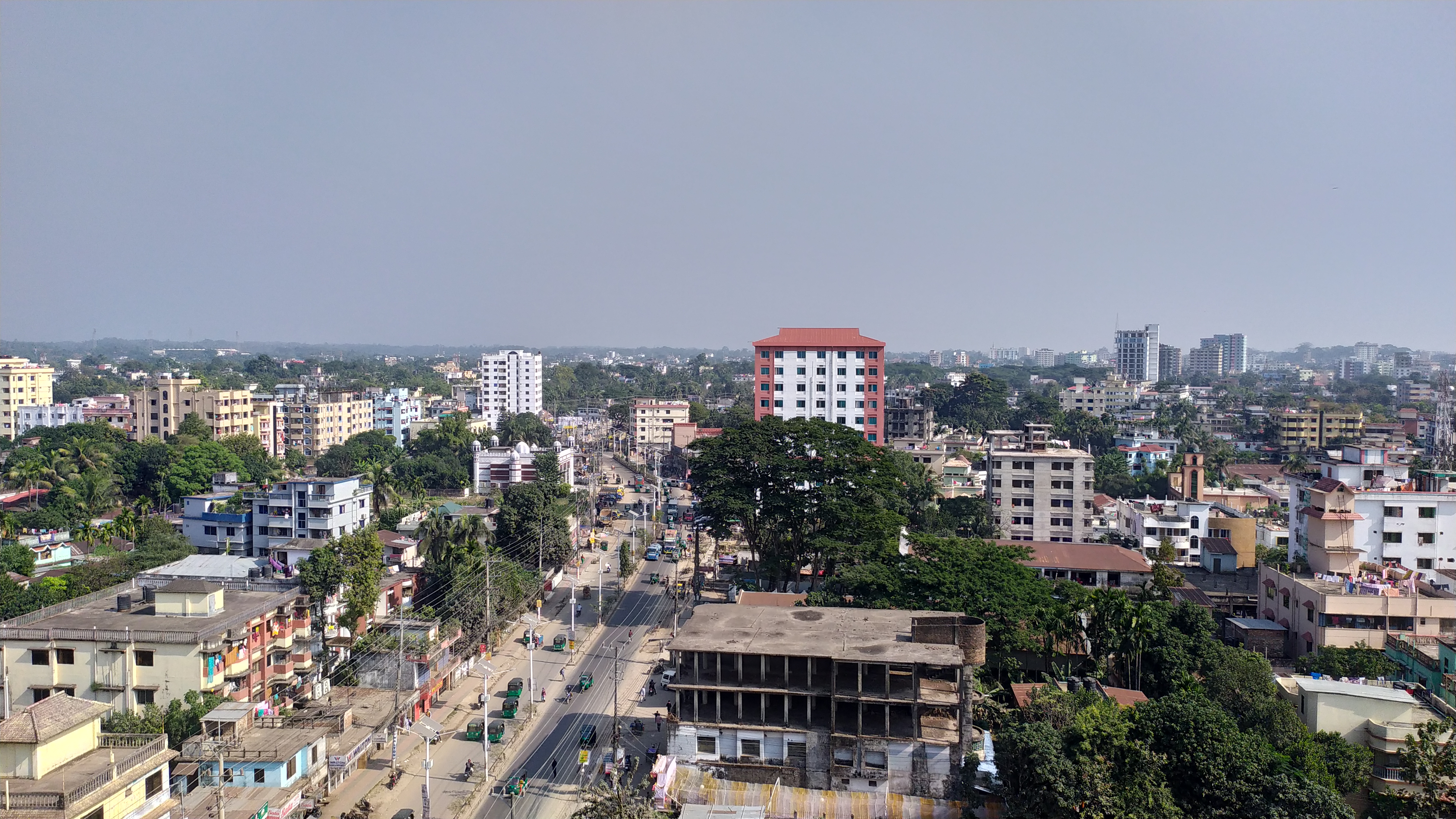 54
54Work Permissions
What's typically permitted:
Application Steps
- 1
📋 Research official announcements
- 2
📋 Confirm eligibility basics
1-2 days
- 3
📄 Gather suggested documents
1-2 weeks
- 4
📋 Check application portal
- 5
📬 Submit application
- 6
⏳ Wait for approval
- 7
🏛️ Arrive and register
1-3 days
Frequently Asked Questions
Click any question to expand the answer.
Ready to Apply?
Work with trusted visa specialists who handle the paperwork so you can focus on your move.
Get help with this visa →* We may earn a commission if you apply through our link
At a Glance
Last verified: May 13, 2026