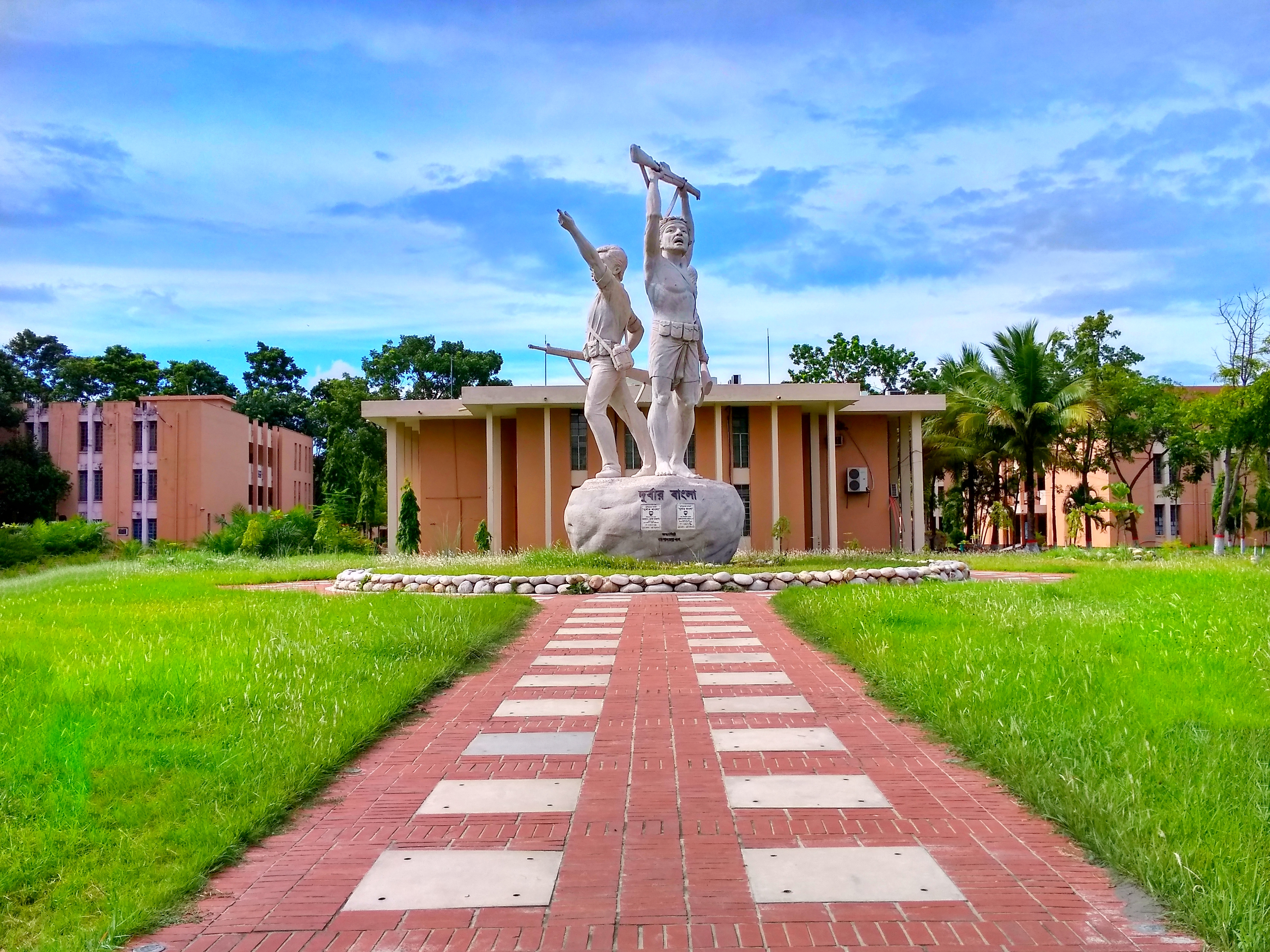
Khulna, Bangladesh
Data updated Sep 3, 2026
📊 Scores
Best fit: FIRE / Geoarbitrage (score: 70)
Marine industries and port logistics dominate Khulna's economy — the city feeds workers and capital into the Port of Mongla, river freight operations, and a cluster of jute mills, shrimp processing plants, and shipbuilding yards that have defined southwestern Bangladesh for decades. Major employers include state-owned enterprises, the Bangladesh Inland Water Transport Authority, and industrial manufacturers concentrated in the Khalishpur area. Remote workers exist here, but the infrastructure wasn't built for them. This is a working industrial city where most income comes from trade, manufacturing, and government administration across the 10-district Khulna Division.
A one-bedroom in the city center runs around $180/month, which is genuinely low even by South Asian standards, but that price reflects real tradeoffs. Internet is inconsistent outside commercial zones, power cuts are common, and the public healthcare system is underfunded — serious medical issues mean traveling to Dhaka. Bengali is the only practical language; English gets you almost nowhere outside universities or NGO offices. Bureaucracy for foreigners is slow and paper-heavy. Seasonal flooding from the Rupsha and Bhairab rivers isn't a minor inconvenience — parts of the city go underwater during heavy monsoon months.
Summers are brutal: humid, 35°C+, and the monsoon season from June through September brings flooding that disrupts daily life in low-lying neighborhoods. The food scene is genuinely good — river fish, hilsa preparations, and local street food are cheap and excellent. The Sundarbans access is a real draw; weekend boat trips into the mangrove forest are unlike anything else in the region. The expat community is tiny and mostly NGO or development-sector workers — there's no digital nomad scene to speak of. This city suits development professionals, researchers studying the Sundarbans or climate resilience, or extremely adventurous long-term travelers who prioritize low cost and ecological access over comfort.
🏚️ Cost of Living
💰 Budgets and Costs
Grocery Basket
Eating Out
Utilities & Lifestyle
Housing
A 1BR in the center runs about $63.12/mo. If your income is in another currency, bank FX fees add up. A multi-currency account can cut that cost.
See low-fee transfersWe may earn a commission at no cost to you.
💰 Real Spend Reports
🛡️ Safety & Crime
(Higher is safer)
(Lower is safer)
Khulna presents moderate safety challenges for expats. While violent crime against foreigners is uncommon, petty theft, pickpocketing, and scams targeting outsiders occur regularly in crowded markets and transport hubs. Political demonstrations and occasional communal tensions can disrupt daily life unpredictably. The city lacks robust infrastructure for emergency response. Expats should avoid displaying wealth, use registered taxis, and stay informed on local developments. It's manageable for experienced expats with street awareness, but not ideal for those seeking a relaxed, low-stress environment.
Khulna has a safety index of 45/100. Petty theft and lost belongings are the most common problems for newcomers. Compare travel insurance before you go.
Compare travel insuranceWe may earn a commission at no cost to you.
🏥 Healthcare
🌤️ Climate
Best Months
Climate Notes
Tropical savanna climate; very hot summers followed by heavy monsoonal rains.
💻 Digital Nomad
Community Notes
| Name | Price/mo | Notes |
|---|---|---|
| Regus Khulna | $120 | Regus offers a reliable, professional environment in Khulna. Located in a central business district, it provides standard amenities like high-speed internet, meeting rooms, and administrative support, making it a solid choice for expats seeking a familiar coworking experience. |
| Space Station Khulna | $80 | Space Station Khulna provides a modern coworking environment with essential amenities. It's known for its collaborative atmosphere and is located in a convenient area of Khulna, making it a good option for digital nomads looking for a community. |
Working remotely from Khulna? Nomad health insurance covers you across borders, month to month.
See nomad insuranceWe may earn a commission at no cost to you.
🧳 Expat Life
Expat Life Notes
The gateway to the Sundarbans. Expats are usually NGO workers or in the jute/shrimp trade. Infrastructure is basic but improving.
Pros
- ✓ Near the Sundarbans mangrove forest
- ✓ Very affordable
- ✓ Developing infrastructure
Cons
- ✗ Limited entertainment for expats
- ✗ High humidity
- ✗ Language barrier
Could living/working in Khulna cut years off your work life?
With a 1-bedroom in the center at $63/mo, your FIRE number here might be much lower than you think.
Moving to Khulna? Estimate what an international move would cost and compare mover quotes.
Estimate my move costShare This Guide
Khulna won't stay this cheap forever.
Cost-of-living and visa updates for Khulna and the rest of Bangladesh. Free with RA Postcards.
By submitting your email address, you will receive a free subscription to RA Postcards and special offers from Rewire Abroad and our affiliates. You can unsubscribe at any time, and we encourage you to read more about our Privacy Policy.