Albania Long-Stay Visa
Albania · Europe
Data updated Sep 3, 2026
Min Monthly Income
$486
Application Fee
$57
Difficulty
Moderate
Duration
12 months
Path to Citizenship
7 years
Overview
Albania’s Long-Stay Visa is the umbrella Type D category that now includes the “visa for digital mobile workers (D)” and several other residence purposes. For a remote worker earning $3,800/month from rental income and ETF dividends, the core question is solvency rather than a named threshold: the official sources require proof of “financial means” but publish a minimum monthly income of $486 (as of 2026) but do not publish a savings balance, savings balance, or investment amount, so those two figures in the program rules remain “not publicly specified.” Pensioners, investors, employees, and property owners use the same Type D framework but document different income or asset sources.
Financially, the law hinges on demonstrating self-sufficiency through bank statements, contracts, or pension letters, with a minimum monthly income of $486 (as of 2026). That means Social Security, 401(k) distributions, dividends, and rental income can all be used in practice, but nothing in the program rules confirms any one source is sufficient alone. The application fee is $57 (as of 2026), but renewal fees, as well as minimum health insurance coverage levels, are not publicly specified, which matters if you’re comparing this to regimes like Portugal’s D7 or Greece’s Financially Independent Person permit that publish exact euro amounts.
For residency, Albania uses this visa as a bridge into a residence permit but does not disclose presence rules in the program rules. Years to permanent residency are set at 5 years and years to citizenship at 7 years, so a medium-term planner can model a decade-long stay with a path to a passport. However, physical presence per year and maximum consecutive absence are not specified, so anyone planning to shuttle between, say, Albania and Italy every 2–3 months must treat those details as a due-diligence gap, not an assumption.
On friction, bureaucracy is relatively light: there is an apostille requirement, no FBI background check requirement, no medical exam requirement, and an interview requirement in the requirements, even though consulates often ask for a criminal record certificate and health insurance. The process still has two distinct layers, visa then residence permit, and the Type D long-stay visa itself does not guarantee that the residence permit will be approved. Processing time, initial permit duration (12 months), and renewability is allowed, but processing time and renewal duration are not publicly specified, which makes calendar planning harder than in countries that clearly publish a 12–24 month term.
Fit-wise, this route makes the most sense if you’re comfortable with ambiguity but want a medium-horizon plan, for example a remote worker or FIRE household aiming to spend 5–7 years in Albania, with flexible timing around trips away. It is a poor fit if you need hard-coded thresholds, such as a clearly stated $2,000/month minimum income, explicit 183-day presence rules, or guaranteed long-term residence durations, before committing assets or relocating a family.
Eligibility Requirements
Any nationality can apply in principle for Albania’s Long-Stay (Type D) framework, including the digital mobile worker, pensioner, and investor subcategories, because the VISA FACTS list nationality restrictions as “all.” Applicants from sanctioned or diplomatically strained states such as Iran, Syria, North Korea, and, at times, Russia or Belarus can face real-world friction at Albanian consulates and with local banking or background checks, even when not explicitly barred in law. Before assembling a full document package, verify eligibility and any country-specific notes directly with Albania’s official immigration authority under the Ministry of Interior (often via the e-visa portal and the Directorate of Border and Migration).
Min Income
$486
Application Fee
$57
Duration
12 months
Requirements Checklist
• Identity: valid passport with at least 6 months validity and at least 2 blank pages; photocopy of passport biodata page and any pages with previous visas or relevant stamps; completed long-stay (Type D) visa application form; two recent passport-size photographs on white background.
• Financial: bank statements showing sufficient funds to cover stay in Albania; salary slips or employer letter confirming income (if employed); other proof of financial means if applicable.
• Health: health insurance covering the entire duration of stay in Albania; medical certificate confirming good health and absence of contagious diseases.
• Employment: employment contract in Albania or proof of business registration in Albania (if applying for work or business purposes); employer letter confirming purpose and duration of stay (if applicable).
• Background: criminal record certificate issued by the country of origin (recent/within required validity period).
• Accommodation: certificate of accommodation in Albania; rental agreement or hotel booking covering the intended stay; invitation letter from host in Albania with address and contact details (if staying with family or friends).
• Other: document proving purpose of stay (e.g., study enrollment certificate, family reunification documents, or other purpose-specific proof); travel itinerary or reservation (entry and, if applicable, onward/return travel).
Apostille required on official documents
In-person interview required
Tax Information
Local tax regime and what it means for you
Albania’s tax regime type is not specified in the VISA FACTS, and the scraped visa material focuses on immigration rather than taxation, so you cannot treat this visa as having a special expat tax status by default. For planning purposes, assume that once you meet Albania’s domestic tax-residency tests, your worldwide income (remote salary, consulting income, rental income abroad, ETF dividends, and pension distributions) can be brought into scope unless you confirm otherwise with a local advisor. Nothing in this visa category itself exempts foreign income, creates a “non-dom” status, or ring-fences offshore assets.
Because the regime type is not disclosed here, the treatment of capital gains on foreign investments—including sales of index funds or ETFs in a US or other foreign brokerage account—is also not specified. You cannot assume these gains are exempt, taxed only on remittance, or taxed at a particular rate; that detail has to come from current Albanian tax law, not from the immigration framework.
Tax residency triggers, in terms of day-count or other ties (such as a primary home or center of vital interests), are not stated in VISA FACTS. The Type D long-stay visa and the subsequent residence permit are immigration statuses, not automatic guarantees of tax residency or non-residency; tax status depends on domestic tax law thresholds that you must verify separately. Likewise, local filing requirements—whether you must obtain a tax ID, register upon residence permit issuance, or file annual returns by a given deadline—are not specified in the visa data and cannot be inferred safely.
The presence or absence of a tax treaty with the US is recorded as “unknown” in VISA FACTS. That means you cannot assume reduced withholding on dividends, special treatment of US Social Security, or relief from double taxation through a treaty mechanism; treaty terms, if any, must be checked directly in the Albanian–US bilateral documents.
For US Citizens and Green Card Holders
US persons using Albania’s Long-Stay Visa remain fully subject to US tax on worldwide income, regardless of how Albania treats them. Three tools matter most:
- Foreign Earned Income Exclusion (FEIE) via Form 2555
- Foreign Tax Credit via Form 1116
- Foreign asset and account reporting (FBAR and FATCA)
FEIE on Form 2555 covers only earned income—remote employment salary, self-employment, or consulting revenue—up to $126,500 for 2024. It does not cover dividends, interest, capital gains, pensions, or US Social Security. Because Albania’s presence and residency rules are not specified in VISA FACTS, many long-stay holders will end up qualifying under the Physical Presence Test (330 full days abroad in any 12‑month period) rather than relying solely on a formal “bona fide residence” standard tied to tax law they haven’t yet confirmed.
Form 1116 Foreign Tax Credit is useful only when you actually pay Albanian income tax on the same income that the US taxes, and when Albania’s effective rate on that income approaches or exceeds the US rate. If Albanian law leaves some foreign-source income untaxed or lightly taxed, there will be little or no foreign tax credit to claim against US liability on that income stream.
FBAR (FinCEN 114) and FATCA Form 8938 become relevant as soon as you open local bank, brokerage, or pension accounts. FBAR is required if aggregate foreign account balances exceed $10,000 at any point during the year, with non‑willful penalties starting at $10,000 per violation; Form 8938 has higher thresholds but overlaps in scope. Since the visa facts do not require a local bank account, many applicants will still open one in practice to pay rent and daily expenses, which triggers these filings.
In year one, the most robust setup involves two human professionals: a US CPA who specializes in expat taxation (for FEIE vs FTC optimization, FBAR, and FATCA) and a local Albanian tax advisor to interpret residency triggers, registration steps, and return obligations. The $1,500–$3,000 spent on coordinated advice usually pays for itself in prevented penalties and smarter elections across Forms 2555, 1116, and your first Albanian filings.
Living in Albania
COL Index vs NYC
45.8
Monthly Cost (excl. rent)
$712
1BR Rent (City Center)
$561
Safety Index
55.3
Healthcare Index
48.2
Quality of Life Index
104.3
Time Zone
UTC+01:00
Capital
Tirana
Population
2.8M
Official Languages
Albanian
Avg Internet Speed
181 Mbps
Public Transit Quality
Fair
With a budget covering rent and living costs, you'd need roughly $1,273/mo for a comfortable single-person lifestyle in Albania.See how far your money goes →
🏙️ Best Cities in Albania for Expats
 ✦ 83
✦ 83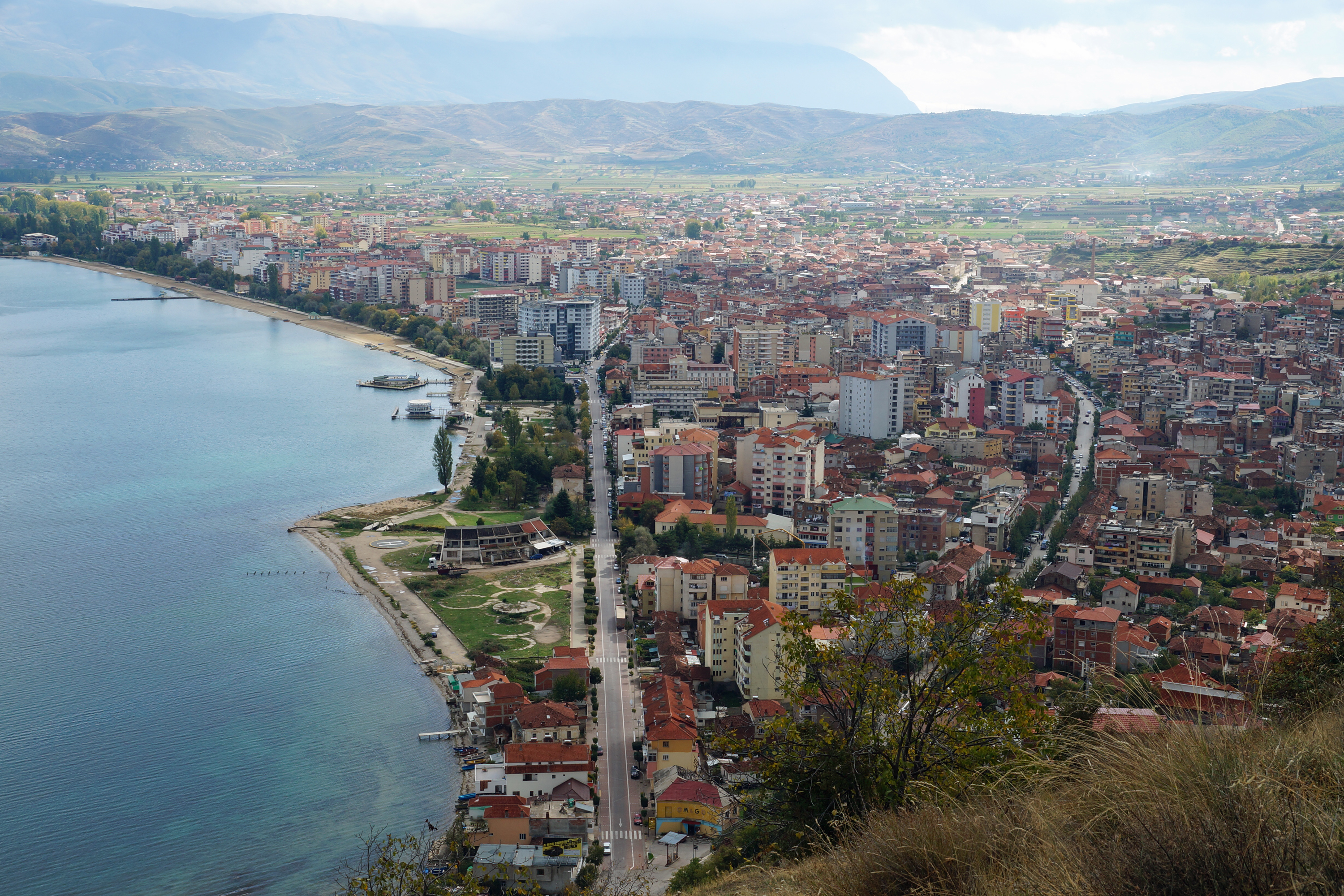 73.6
73.6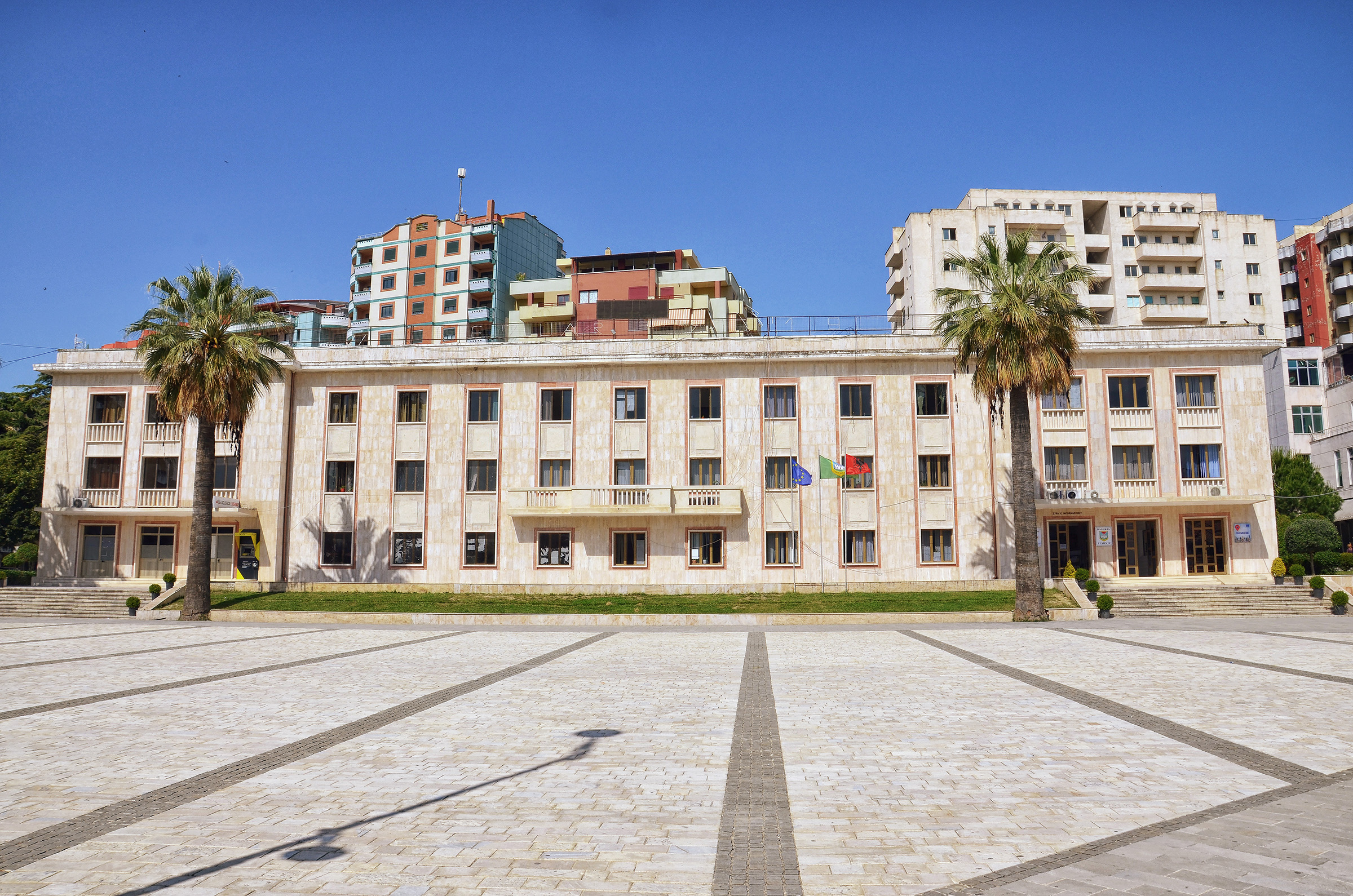 67.9
67.9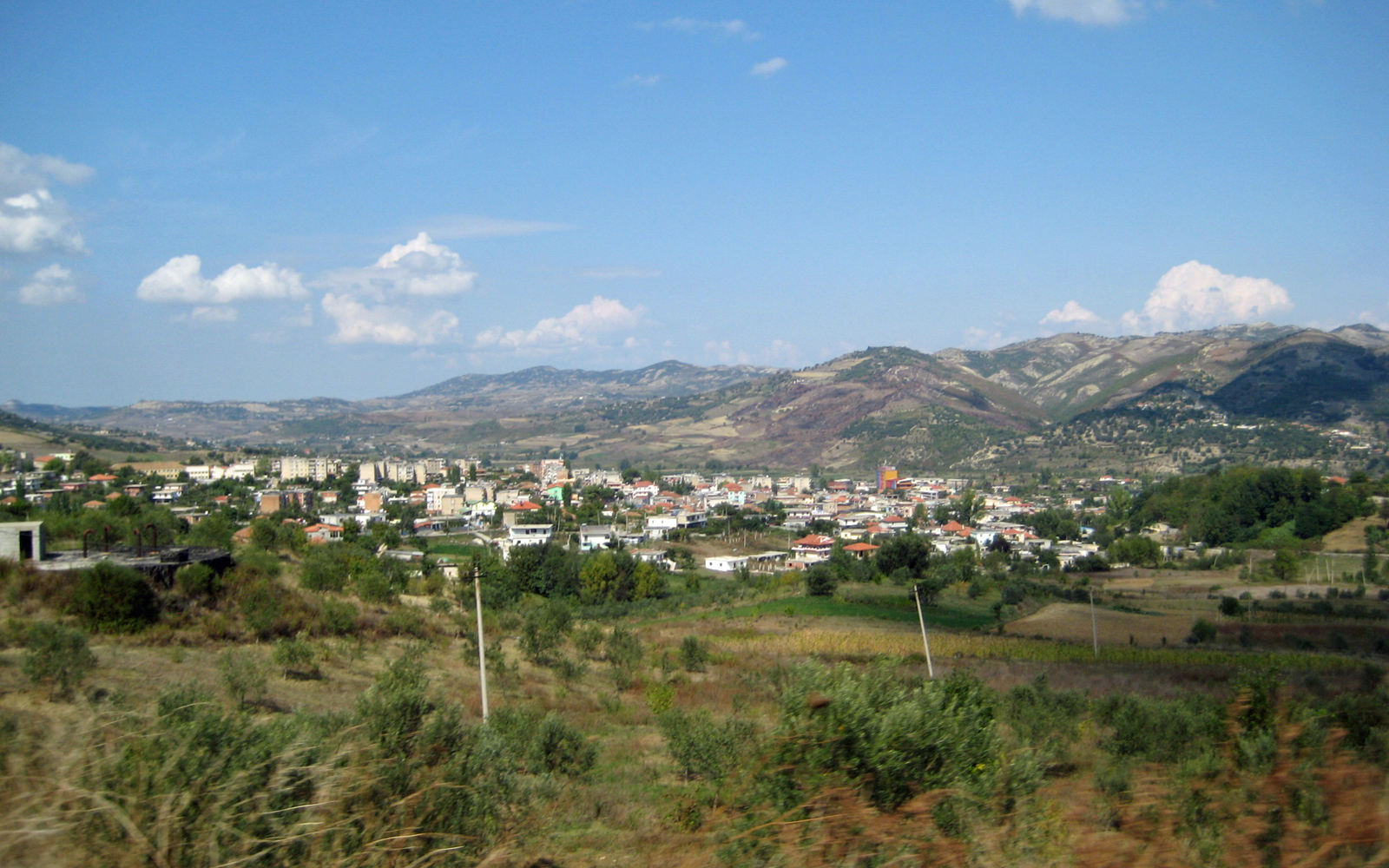 ✦ 86
✦ 86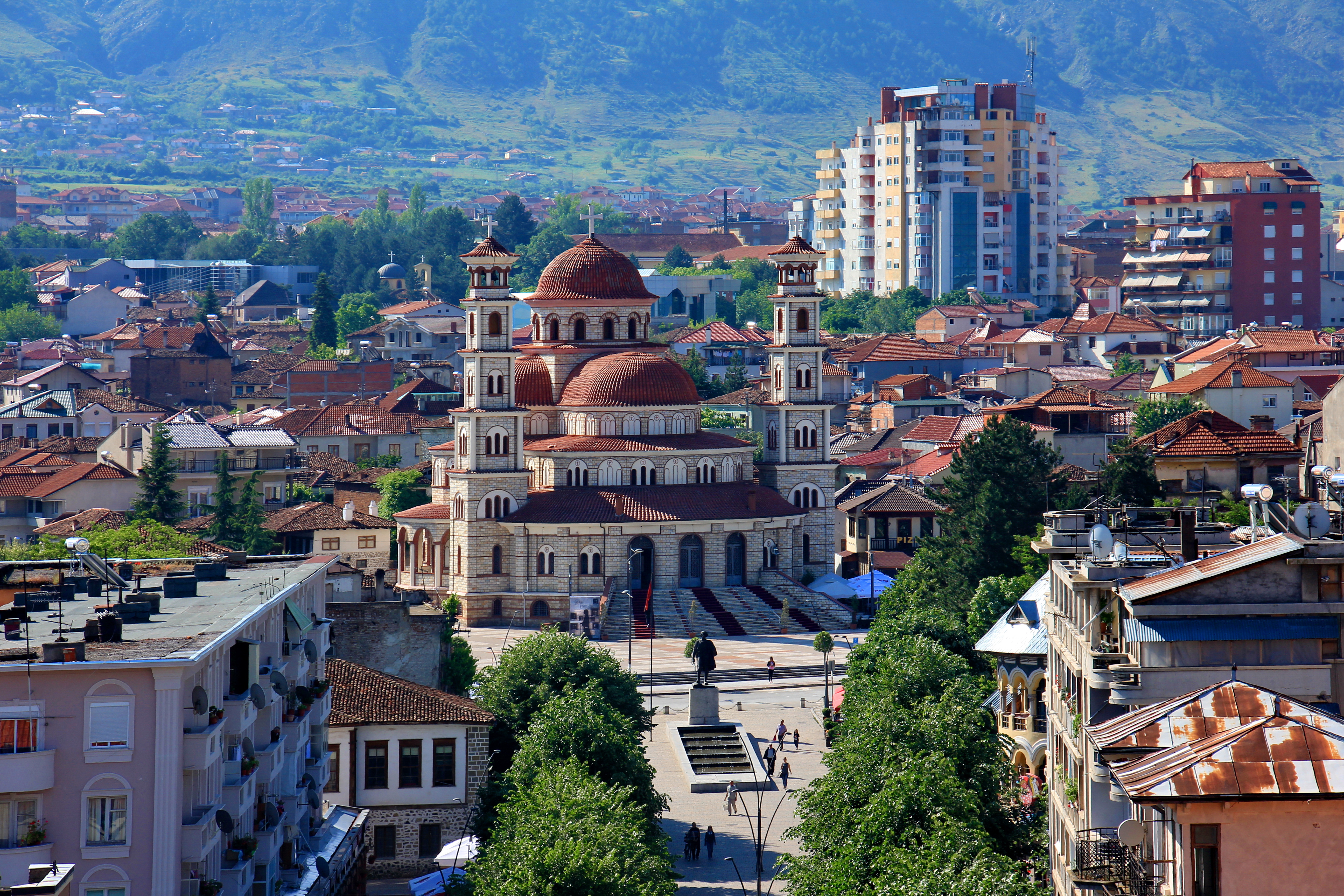 64.6
64.6 ✦ 84
✦ 84Making the Case on Paper When There's No Published Number
The absence of a declared income threshold here is genuinely unusual, and it cuts both ways. For some applicants it's an opening - if your income is $4,500/month but comes from a combination of dividends, rental deposits, and a part-time consulting retainer, you can package all of it together into a financial means argument rather than being disqualified for having the "wrong" income type. Albania's framework is asking whether you can support yourself, not whether your money comes from a specific approved source. That flexibility is real.
What it also means is that your bank statements are doing heavier interpretive work than they would on a visa with a clear floor. Three months of statements showing $5,000/month sitting in your checking account tells a weaker story than twelve months of statements showing consistent inflows from multiple sources - even if the dollar amounts are similar. Consulates making discretionary financial judgments respond to patterns. They want to see that the income is recurring, not that you happened to have a good quarter before applying.
The practical move: if your income is a mix of sources, write a brief cover letter that narrates it. Not a formal financial declaration, just a plain explanation of what the income is, where it comes from, and why it's stable. Albanian consulates are not high-volume posts for most Western applicants, and a clear document package with a readable explanation tends to move faster than a stack of financial PDFs with no context. Some applicants who've gone through this recently have had approvals without being asked for anything additional; others got follow-up requests for more bank history. There's no consistent pattern to predict from the outside.
Housing Before You Have Legal Status
The checklist requires a certificate of accommodation or rental agreement as part of the initial visa application - which means you need to arrange housing in Albania before you've set foot in the country and before you have any kind of resident status. For most European long-stay programs this is a familiar choreography, but Albania's rental market doesn't have the volume of expat-facing listings that you'd find in Lisbon or Tbilisi, and getting a formal rental contract from abroad, with a landlord willing to sign it before you arrive, takes more work than people expect.
A few things that help: furnished monthly rentals in Tirana's Blloku neighborhood and in Sarandë have become easier to find in the last two years as expat numbers have grown. Owners renting to foreigners in these areas are accustomed to the accommodation certificate request, which is a specific document distinct from just a lease - it's a declaration that you'll be residing at that address, sometimes notarized. Confirm with whoever you're renting from that they're willing to provide that exact document in the format Albanian authorities want, because a standard lease in English may not satisfy the requirement.
The hotel booking alternative - where you book a longer-term hotel stay as proof of accommodation - technically satisfies the requirement but creates a more expensive first few months than necessary, and it complicates the residence permit application stage because you'll need stable accommodation at that point anyway. Most people who have done this end up using the hotel as a bridge while they look for an actual apartment on the ground, which is a fine approach as long as you budget for two or three months of overlap.
The Visa-to-Permit Gap and What It Demands From You
The Type D visa is not your residence permit. It's the document that lets you enter Albania and apply for one. Those are two different administrative processes run by two different parts of Albanian government, and the transition between them has a time constraint that catches people who've been through simpler single-step visa programs before.
Once you enter, you have a limited window - typically 30 days, though this should be confirmed on the ground - to submit your residence permit application to the Directorate of Border and Migration. The application requires a fresh set of documents, biometric enrollment, and in some cases a registered address in the local civil registry system (not just a rental agreement). The permit processing time after that is also not published, which means you can be in a period of administrative limbo: legally present under the visa, residence permit pending, but not yet a formal resident. During that window, opening a bank account is harder, signing a long-term lease is harder, and anything requiring proof of residency stalls.
Biometric registration is a separate appointment from document submission in most cases, and scheduling both in a reasonable timeframe depends on the office load in whatever city you're based in. Tirana is better-resourced than smaller cities for this. If you're planning to settle somewhere quieter, factor in that you may need to travel to Tirana for at least one stage of this process.
What the 5-Year PR Path Actually Requires
Albania's five-year path to permanent residency looks clean as a headline, but the continuity requirements that govern how those five years are counted aren't published in any official English-language documentation that's easy to verify. That means people planning a genuine long-term stay have to build in a larger margin of error than the timeline suggests. Whether a two-month trip back to the US breaks your continuity calculation, whether renewal gaps affect the count, and whether time on different permit categories (employment vs. digital worker vs. family) can be combined - all of these are questions you'd need to answer through a local immigration lawyer, not from official guidance.
Citizenship at seven years sits further out and involves Albanian language requirements that are not waivable, along with integration criteria that are more procedurally demanding than a lot of new EU applicants are used to. If a European travel document is part of the appeal here - and it's worth being honest with yourself about whether it is - Albania's passport offers good EU access, multiple entry permissions, and an improving but not yet EU-member status. Accession talks have moved, but Albania is still years away from full membership, and the passport you'd hold after naturalization is an Albanian passport, not an EU one.
Albania vs. Georgia - The Honest Comparison
The comparison that comes up most naturally for people who've landed on Albania is Georgia. Both are small, relatively affordable European-adjacent countries that have seen significant expat growth in the past few years, both have straightforward long-stay visa paths, and both are drawing similar profiles of remote workers and early retirees. If you're in that $4,000-$8,000/month range and fairly flexible about location, this is probably the choice you're actually making.
Georgia has a meaningful advantage on clarity: its Remotely from Georgia program (and the broader visa-free entry for most Western nationals, who can stay up to 365 days without any visa at all) means lower upfront administrative friction and clearer rules for the first year or two. The tax regime is also better documented - Georgia's territorial tax system, where foreign-source income is largely not taxed domestically, is a known quantity that planners have been working with since at least 2021. Albania's tax situation involves more unknowns, and the absence of clear published information is itself a planning risk if you have substantial investment income.
Albania's edge, if it has one, is Europe. Geographically, culturally, and in terms of where it's heading politically, Albania is an EU candidate country on an active accession path. Tirana is a few hours from Rome by air. The Adriatic coast is genuinely beautiful in a way that appeals to people who want a Mediterranean lifestyle at non-Mediterranean prices. For someone who cares about proximity to Western Europe - for family visits, for business, for personal reasons - that geography matters in a way that Tbilisi doesn't replicate, however much you might love Tbilisi.
The thing most people don't say plainly: Georgia is the easier setup, Albania is the more European lifestyle. Which one you weight more depends on things that don't fit in a comparison table.
Work Permissions
What's typically permitted:
Application Steps
- 1
📋 Research visa subcategory
- 2
📄 Gather identity documents
1-2 weeks
- 3
📄 Prepare supporting documents
2-4 weeks
- 4
📬 Submit at embassy/consulate
- 5
⏳ Wait for visa approval
- 6
🏛️ Enter Albania
Same day
- 7
🏛️ Apply for residence permit
- 8
🏛️ Attend biometric registration
2-4 weeks
Frequently Asked Questions
Click any question to expand the answer.
Ready to Apply?
Work with trusted visa specialists who handle the paperwork so you can focus on your move.
Get help with this visa →* We may earn a commission if you apply through our link
At a Glance
Last verified: July 15, 2026