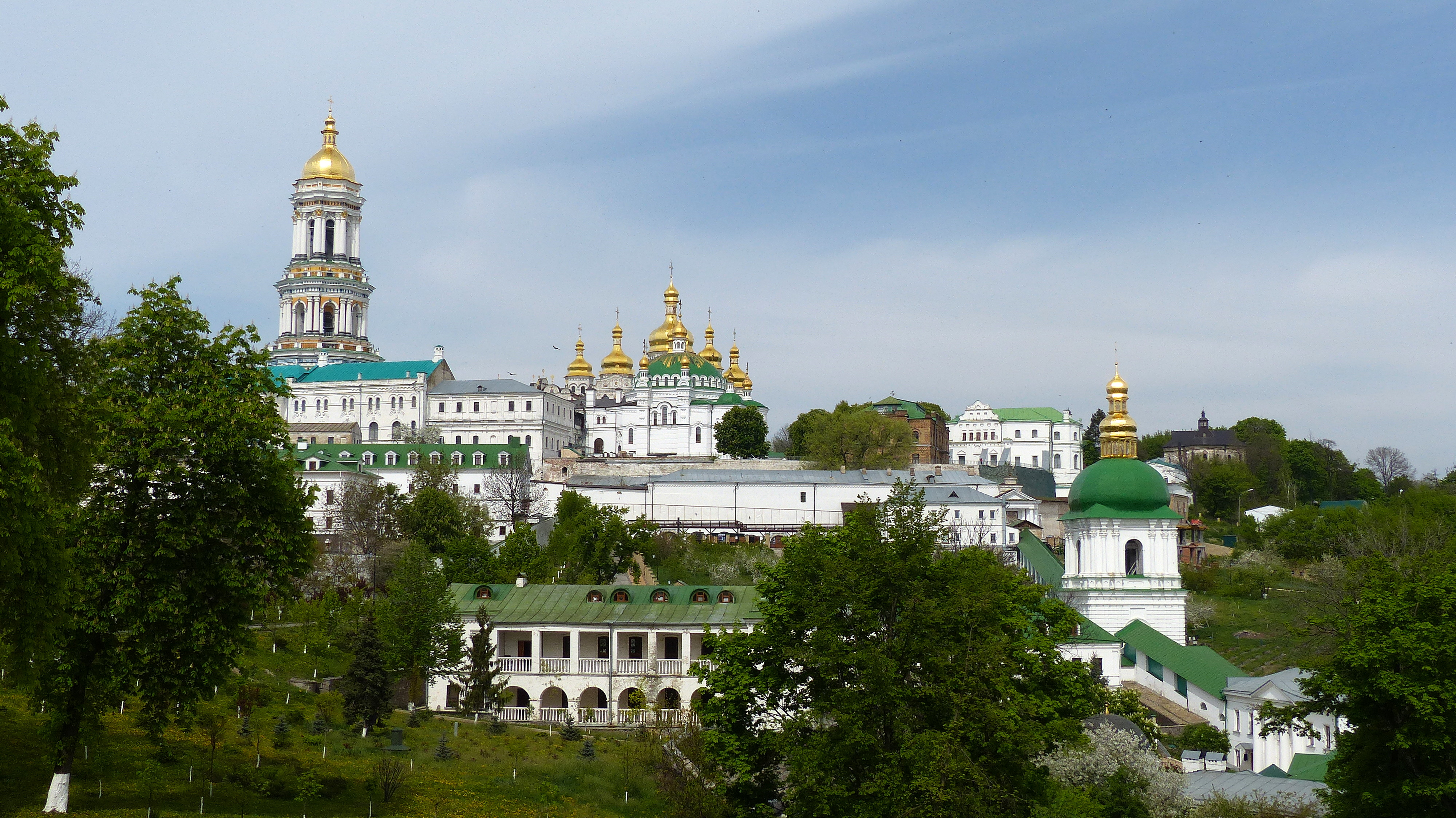
Ukraine's capital runs on tech, finance, and government — and before the full-scale Russian invasion in February 2022, it was genuinely one of Eastern Europe's most promising startup ecosystems. IT outsourcing firms, fintech companies, and multinationals like Samsung and Huawei had regional offices here. That picture changed dramatically with the war. Many companies relocated staff to Lviv, Warsaw, or Kraków. Remote workers and digital nomads who do base here now are making a deliberate, eyes-open choice — not a casual lifestyle decision.
A one-bedroom in the city center runs around $950/month, which is no longer the bargain it once was given the context. Transport is genuinely excellent — the metro is cheap, reliable, and covers most of the city. Ukrainian healthcare is functional but underfunded; expats typically use private clinics, which are affordable by Western standards. The language barrier is real: Ukrainian is now the official language of public life, Russian is politically fraught, and English gets you surprisingly far in tech circles but almost nowhere in daily errands. Bureaucracy for residency is slow and document-heavy.
Kyiv's summers along the Dnieper are legitimately good — beach bars, outdoor markets, and a food scene that punches above its weight with Georgian, Japanese, and modern Ukrainian restaurants. Winters are cold and grey, regularly dropping below -10°C. The expat community that remains is small, self-selecting, and tends toward journalists, aid workers, and committed long-termers rather than lifestyle nomads. Weekends mean river walks, excellent coffee shops, and a nightlife scene that has shown stubborn resilience. This city suits people with a specific reason to be here — not those chasing easy sun and low costs.
Estimate the cost of moving to Kiev (Kyiv), Ukraine
Get a free moving cost estimate for moving to Kiev (Kyiv), Ukraine. Takes 10 seconds.
How much are you shipping?
When are you moving?
Powered by Sirelo. Free quotes from international movers.
🏚️ Cost of Living
A 1BR in the center runs about $950/mo. If your income is in another currency, bank FX fees add up. A multi-currency account can cut that cost.
Kyiv feels relatively safe for daily life in central districts like Shevchenko, Podil, and Pechersk, where expats concentrate. Daytime walkability is good; nighttime requires normal urban caution. The city's reputation for danger is often overstated by outsiders, though the 2022 Russian invasion created lasting psychological impact. Most expats report feeling secure in established neighborhoods with reasonable street awareness.
Petty theft and pickpocketing occur in crowded areas and public transport—keep valuables secured. Scams targeting foreigners exist but are less prevalent than in other Eastern European capitals. Violent crime against expats is rare. Solo female travelers should exercise standard precautions; harassment is occasional but not systemic. Avoid displaying wealth, and use registered taxis or apps like Uber rather than street hailing.
The geopolitical situation is the primary concern: ongoing war with Russia, though distant from Kyiv, creates uncertainty and occasional air raid alerts. Corruption in police and bureaucracy remains an issue—document everything and use official channels. Political protests can occur but rarely target expats. For Americans considering relocation, Kyiv offers urban amenities and low cost of living, but the security environment requires acceptance of geopolitical risk and periodic disruptions that wouldn't occur in Western cities.
Kiev (Kyiv) has a safety index of 60/100. Petty theft and lost belongings are the most common problems for newcomers. Compare travel insurance before you go.
See how Kiev (Kyiv)'s digital nomad life compares with Lviv
🧳 Expat Life
English Proficiency
Common in Tourist Areas
Expat Community
Medium
Top Neighborhoods
Podil, Pechersk, Shevchenkivskyi
Banks Nearby
739
ATMs Nearby
855
Expat Life Notes
Currently a city in a wartime environment. It has high cultural resilience and a strong tech core, though safety and utilities vary.
Pros
✓ Rich culture and history
✓ Strong sense of community
✓ Low cost for USD/EUR earners
Cons
✗ Active war risks
✗ Intermittent power and water issues
✗ Strict curfews
🏘️ Neighborhoods in Kiev (Kyiv)
Notable areas of Kiev (Kyiv), with descriptions adapted from public reference sources. Rent figures are Numbeo's city-wide averages, not prices for a specific area.
The US government advises against travel to this country. Check the current government travel advisory before you book.
Conditions can change from one block to the next, and these descriptions are general guides, not safety assessments. Before choosing where to stay or live, check current travel advisories, talk to people who live there, and visit in person if you can.
Podil
Podil, also called the Lower City in English, is a historic neighborhood in Kyiv, Ukraine, situated on a floodplain terrace above the Dnieper, lying between the Kyiv Hills and the lower course of the Pochaina River. It was the birthplace of the city's trade, commerce, and industry, and after the Mongol invasion of Rus' and the destruction of Kyiv it acted as a city center until the 19th century.
Vyhurivshchyna-Troieshchyna, also called Troieshchyna, is a large neighborhood of Kyiv, the capital of Ukraine. It lies on the city's northern left bank as an outskirt and is administratively part of the Desnianskyi District.
Askold's Grave is a historical park in Kyiv on the steep right bank of the Dnipro River, situated between Mariinskyi Park and the Kyiv Pechersk Lavra complex. The Soviets created the park in the mid-1930s on the site of an old graveyard surrounding the Church of St. Nicholas, which tradition holds marks where Prince Askold of Kyiv was buried in the 9th century.
Old Kyiv is a historical area situated in the far eastern part of the Shevchenkivskyi District of Kyiv. This neighborhood has been known by other names such as Upper City, Old Town, and others. Its approximate borders include St. Andrew's Church, Volodymyrska Hill, Independence Square, Golden Gate, Kyiv Velodrome, and Lvivska Square.
Lypky is a historic neighborhood in Kyiv, Ukraine, located in the Pecherskyi District. Its name comes from the lime tree (lypa). The area functions as Ukraine's government quarter, containing the Verkhovna Rada (Parliament), the Presidential Administration, and the Government buildings, along with ceremonial residences and hotels traditionally used by politicians.
The Rybalskyi Peninsula, called Rybalskyi Island by locals, is a peninsula on the Dnieper River in the right-bank Podil neighborhood and Kyiv Harbor of Kyiv. It was also a spit forming a left bank of the Pochaina, a historical river that became several oxbow lakes in Obolon. The peninsula is now predominantly an industrial area.
Obolon is a historical locality in Kyiv, Ukraine, on the city's northern side within the Obolonskyi District, known as the Minskyi District until 2001. It includes a residential area (masyv) and an industrial park. The Ukrainian word obolon means a low country near a river or flood-meadows. Because the land was regularly flooded by the Dnieper river, it served as Kyiv's pasture and haymakings.
Rusanivka is a man-made island and neighborhood in the left-bank part of Kyiv, Ukraine. It is surrounded by the Rusanivs'kyi Kanal, an artificial distributary of the Dnieper River; the river and canal give the neighborhood the appearance of an island. Nearby neighborhoods include Hidropark, Darnytsia, Berezniaky, and Livoberezhnyi Masyv.
Kiev (Kyiv) has a population of approximately 2,868,702 people.
A single person can expect to spend around $2,375 per month in Kiev (Kyiv), including rent. A 1-bedroom apartment in the city center costs approximately $950/month.
The nearest airport to Kiev (Kyiv) is IEV, approximately 10.5km away.
Kiev (Kyiv) is considered relatively safe, with a safety index of 60.0. As with any city abroad, expats should research specific neighborhoods before committing to a location.
Kiev (Kyiv) has an average internet speed of 75 Mbps. It is considered a well-established digital nomad destination.
Kyiv has a safety index of 60, comparable to many mid-sized European cities for street crime. The bigger concern is the ongoing war with Russia — air raid alerts are a regular part of life, and missile strikes on the city have occurred. Most long-term expats currently there are journalists, NGO workers, or people with deep personal ties to Ukraine. Casual relocation purely for lifestyle reasons is hard to justify given the security situation.
Ukrainian is now the official language of public life, and since 2022 there's been a strong cultural shift away from Russian in daily use. English works reasonably well in tech offices, international cafes, and with younger Kyivans, but expect friction at government offices, local markets, and with older residents. Learning at least basic Ukrainian is both practically useful and culturally respectful given the current climate.
Before 2022, Kyiv had a growing IT and startup scene that employed foreign talent. That market contracted significantly after the full-scale invasion, with many companies relocating operations abroad. Remote workers employed by foreign companies are the most common expat earners now. Local hiring of foreigners is limited, work permits are bureaucratically complex, and the economic uncertainty makes long-term employment planning difficult.
Kyiv is very affordable compared to the US. Expect to pay $700-$1500 per month for a comfortable apartment in a central neighborhood like Pechersk or Podil, and groceries and dining out are significantly cheaper. You can easily live well on $2000-$3000 per month, depending on your lifestyle.
Ukraine doesn't have a specific retirement visa. However, you can apply for a long-term visa (D-type) based on investment, employment, or family reunification. Many expats renew a tourist visa every 90 days, though this isn't a long-term solution.
Kyiv has both public and private healthcare options. Private clinics offer better service and shorter wait times, and many doctors speak English. Expect to pay out-of-pocket for most services, but costs are significantly lower than in the US.
Generally, the central districts like Pechersk, Podil, and Shevchenkivskyi are considered safe. Obolon, a bit further out, is also popular with expats and families. Like any big city, be aware of your surroundings, especially at night.
Kyiv boasts excellent internet infrastructure with fast and reliable connections. You can expect speeds of 50-100 Mbps or higher in most apartments and co-working spaces. Mobile data is also affordable and widely available.
Yes, Kyiv has a growing number of co-working spaces catering to digital nomads and freelancers. Popular options include Creative Quarter, Chasopys, and Platforma, offering various amenities and networking opportunities.
Kyiv has a comprehensive and affordable public transportation system, including a metro, buses, trams, and trolleybuses. The metro is the fastest way to get around, and ride-sharing apps like Uber and Bolt are also readily available and inexpensive.
Kyiv has a continental climate with cold winters and warm summers. Expect snow and freezing temperatures from December to February, and pleasant weather from May to September. Spring and autumn can be rainy and unpredictable.
Opening a bank account in Kyiv requires a passport, Ukrainian tax ID (you can obtain one as a resident), and proof of address. PrivatBank and Raiffeisen Bank Aval are popular choices for expats, offering English-speaking services.
As a US citizen, you're still required to file US taxes even when living abroad. You may be eligible for the Foreign Earned Income Exclusion (FEIE) and Foreign Tax Credit (FTC). Consult with a tax professional specializing in expat taxes.
Kyiv has a sizable and active expat community. You can connect with other expats through online forums like InterNations and Facebook groups, as well as attending expat events and meetups.
Yes, $2,000 USD per month can provide a comfortable retirement in Kyiv, especially if you own your accommodation or rent outside the city center. You'll have plenty of money for groceries, dining out, and entertainment.
While learning some Ukrainian or Russian is beneficial, you can manage in Kyiv with just English, especially in tourist areas and when dealing with younger people. Many restaurants have English menus, and ride-sharing apps are easy to use without speaking the local language.
While Kyiv is generally safe, it's best to avoid poorly lit or isolated areas at night. Be cautious in crowded places to prevent pickpocketing. The outskirts of the city can be less safe than the central districts.
Several grocery stores in Kyiv cater to expats and offer a range of international products. Silpo is a popular chain with a good selection, and Auchan (a French hypermarket) has a wide variety of imported goods.
Cost-of-living and visa updates for Kiev (Kyiv) and the rest of Ukraine. Free with RA Postcards.
By submitting your email address, you will receive a free subscription to RA Postcards and special offers from Rewire Abroad and our affiliates. You can unsubscribe at any time, and we encourage you to read more about our Privacy Policy.