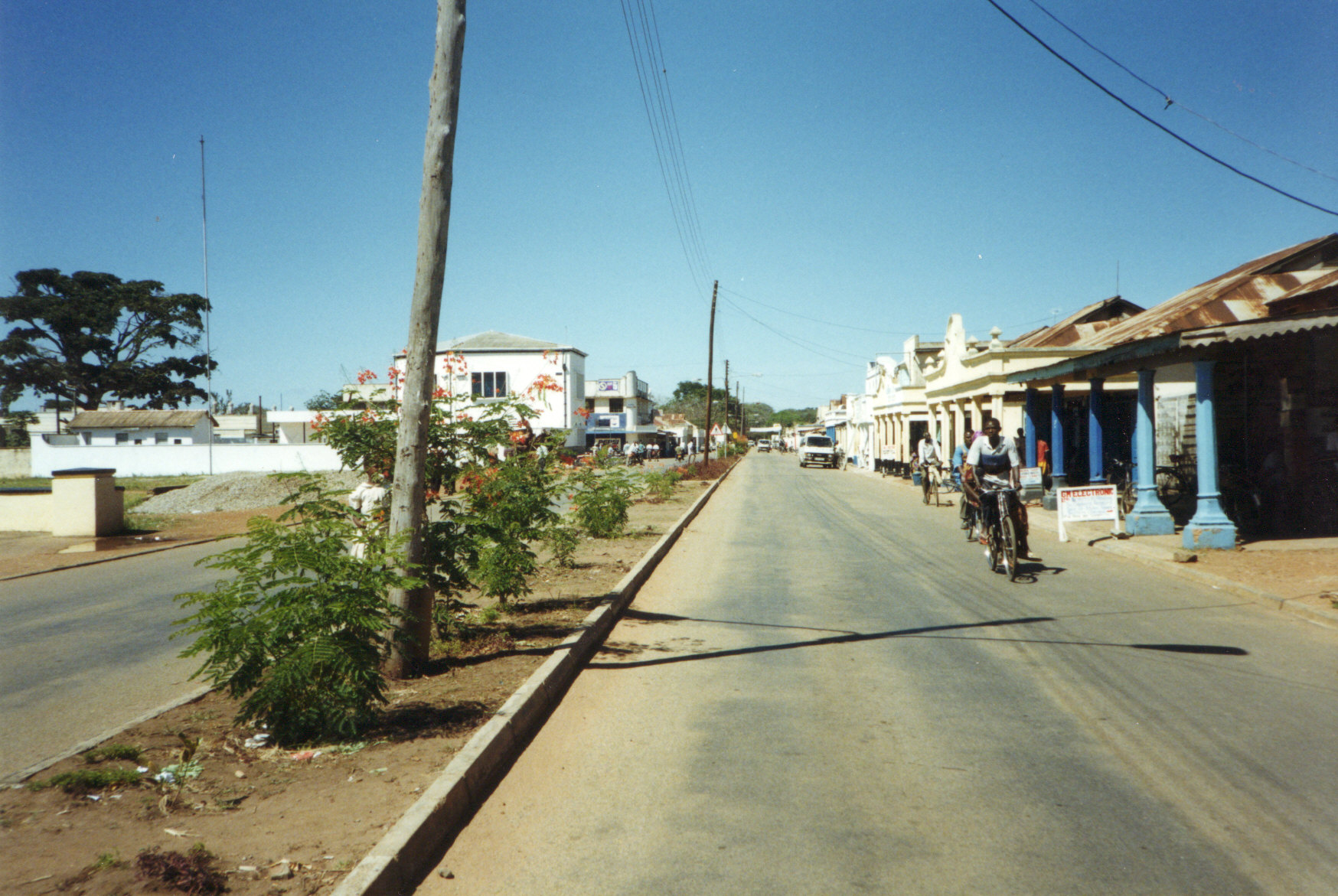
Soroti's economy revolves around agriculture, education, and small-scale commerce. Soroti University anchors the city as a major employer, with satellite campuses from Kumi and Kyambogo universities adding institutional weight. The 10-megawatt solar power station signals infrastructure investment, but job creation remains limited outside academia and government. Most expats here work remotely or in NGO/development roles; local employment opportunities are thin unless you're teaching or in administration.
Rent runs $200–400/month for decent accommodation; transport is cheap but unreliable—matatus dominate, tarmac roads exist but deteriorate seasonally. Soroti Regional Referral Hospital has 275 beds and handles serious cases, though diagnostic equipment lags behind Kampala standards. Language isn't a wall (English widely spoken), but bureaucracy moves slowly. Internet is functional but inconsistent. Expect friction with utilities, permits, and banking—nothing catastrophic, just patience-testing.
Tropical highland climate means mild temperatures year-round, though rainy seasons flood unprepared areas. Food is basic—posho, beans, matoke—with limited imported goods. The expat community is tiny, mostly educators and aid workers; weekends involve hiking nearby hills, visiting Kumi, or driving to Jinja. Soroti suits remote workers seeking ultra-low costs and genuine quiet, not those needing urban amenities or active social scenes.
Estimate the cost of moving to Soroti, Uganda
Get a free moving cost estimate for moving to Soroti, Uganda. Takes 10 seconds.
How much are you shipping?
When are you moving?
Powered by Sirelo. Free quotes from international movers.
🏚️ Cost of Living
💰 Budgets and Costs
$342/mo, one person, rent included
Selected: budget lifestyle
Soroti at the budget tier comes to about $342 a month for one adult, with $120 of that going to rent. Beyond rent the estimate covers $68.00 on groceries, $10.00 on dining out, $28.00 on entertainment and lifestyle and $116 on utilities and connectivity.
Rent
$120/mo
1BR outside the centre
Groceries
$68.00/mo
75% of mid-range grocery spend
Dining out
$10.00/mo
4 inexpensive meals
Entertainment & lifestyle
$28.00/mo
1 cinema trip, 8 cappuccinos
Utilities & connectivity
$116/mo
utilities, mobile, internet
Budgets (excl. rent)
Single person$222/mo
Excludes rent. The total above is all-in, rent included.
$396/mo, one person, rent included
Selected: mid-range lifestyle
Soroti at the mid-range tier comes to about $396 a month for one adult, with $120 of that going to rent. Beyond rent the estimate covers $90.00 on groceries, $25.00 on dining out, $45.00 on entertainment and lifestyle and $116 on utilities and connectivity.
Rent
$120/mo
1BR outside the centre
Groceries
$90.00/mo
Staples basket scaled to a full month
Dining out
$25.00/mo
10 inexpensive meals
Entertainment & lifestyle
$45.00/mo
2 cinema trips, 12 cappuccinos
Utilities & connectivity
$116/mo
utilities, mobile, internet
Budgets (excl. rent)
Single person$276/mo
Excludes rent. The total above is all-in, rent included.
$591/mo, one person, rent included
Selected: comfortable lifestyle
Soroti at the comfortable tier comes to about $591 a month for one adult, with $180 of that going to rent. Beyond rent the estimate covers $127 on groceries, $88.00 on dining out, $80.00 on entertainment and lifestyle and $116 on utilities and connectivity.
Rent
$180/mo
1BR in the centre
Groceries
$127/mo
140% of mid-range grocery spend
Dining out
$88.00/mo
6 inexpensive meals + 6 mid-range meals
Entertainment & lifestyle
$80.00/mo
4 cinema trips, 20 cappuccinos
Utilities & connectivity
$116/mo
utilities, mobile, internet
Budgets (excl. rent)
Single person$411/mo
Excludes rent. The total above is all-in, rent included.
Estimates for one adult, built from this city's average prices and the usage shown for each tier. Your spending will differ with how often you eat out and where you live.
A 1BR in the center runs about $180/mo. If your income is in another currency, bank FX fees add up. A multi-currency account can cut that cost.
Soroti is a modest regional town where expats generally move about without major incident during daylight hours. The pace is slow and community-oriented, which creates a natural deterrent to opportunistic crime. However, nighttime walkability is limited—most expats avoid walking alone after dark, relying instead on taxis or staying in familiar areas. The city feels safer than its reputation suggests, partly because it's small enough that strangers are noticed.
Petty theft and pickpocketing occur, particularly in markets and crowded areas; keep valuables secured and avoid displaying cash or electronics. Home burglaries targeting expat residences happen occasionally, making secure housing essential. Violent crime is uncommon but not unheard of. Solo female travelers should exercise standard precautions—avoid isolated areas at night and be cautious with strangers. Scams targeting foreigners are rare here compared to larger Ugandan cities, though overpaying for goods and services is routine.
Uganda's political environment is generally stable, though security forces can be heavy-handed. Soroti itself has no active conflict, but the region's history of cattle rustling and inter-community tensions means awareness is warranted. Police are present but corruption is endemic; don't expect reliable protection in disputes. For Americans considering relocation, Soroti offers genuine small-town safety with manageable risks—suitable for those comfortable with basic precautions and willing to adapt to local norms. It's not a high-risk posting.
Soroti has a safety index of 55/100. Petty theft and lost belongings are the most common problems for newcomers. Compare travel insurance before you go.
Soroti has a tropical climate with warm temperatures year-round, two rainy seasons (March-May and August-October), and relatively consistent humidity that can feel oppressive during wet months.
💻 Digital Nomad
Avg Internet Speed
18 Mbps
Internet (monthly)
$35/mo
Coworking Availability
None
Coworking Spaces Nearby
0
Digital Nomad Score
28/100
Community Notes
Soroti offers a peaceful environment but lacks infrastructure for remote work.
Part of the global Impact Hub network, this location offers a collaborative environment focused on social impact. It's located in the heart of Soroti and provides reliable internet, meeting rooms, and a community of entrepreneurs and innovators, making it ideal for expats looking to connect with the local scene.
A community-focused innovation hub that provides a workspace and resources for entrepreneurs and remote workers. While details are limited, it's known for fostering a supportive environment and is centrally located in Soroti, making it a good option for those seeking a budget-friendly and collaborative workspace.
See how Soroti's digital nomad life compares with Kireka
🧳 Expat Life
English Proficiency
Limited
Expat Community
small
Banks Nearby
14
ATMs Nearby
0
🏘️ Neighborhoods in Soroti
Areas of Soroti that expats often consider.
The US government advises against travel to this country. Check the current government travel advisory before you book.
Conditions can change from one block to the next, and these descriptions are general guides, not safety assessments. Before choosing where to stay or live, check current travel advisories, talk to people who live there, and visit in person if you can.
Central Division
Bustling commercial and administrative
The heart of Soroti, with shops, markets, and government offices. Offers convenient access to amenities, but can be noisy and crowded. Accommodation options are limited, but guesthouses are available.
Senior Quarters
Quiet, residential, established families
A more established residential area, slightly removed from the town center. It's generally quieter and safer, making it suitable for retirees or those seeking a peaceful environment. Transport is mainly by boda-boda (motorcycle taxi).
Aloet
Developing residential, affordable living
A growing residential area on the outskirts of Soroti. Offers more affordable housing options, but requires reliance on transport to reach the town center. Infrastructure is still developing in some parts.
Pamba
Mixed residential, close to amenities
Located near the main road, Pamba offers a mix of residential and commercial activity. It's relatively convenient for accessing shops and transport. Some areas can be noisy due to traffic.
Cell B
Local residential, community focused
A typical Ugandan residential area with a strong sense of community. Housing is generally basic and affordable. Requires some adjustment to local customs and language.
campswahili
Military Barracks, secure, self-contained
While not strictly a neighborhood open to the public, accommodations may be available for rent within the military barracks. This area offers a high level of security and is relatively self-contained. Access may be restricted.
Page 1 of 2
Could living/working in Soroti cut years off your work life?
With a 1-bedroom in the center at $180/mo, your FIRE number here might be much lower than you think.
At the mid-range tier, one adult needs about $396 a month in Soroti, rent included, with $120 of that going to rent. That leaves roughly $276 for everything except housing.
In Soroti, a one-bedroom runs $180 in the center and $120 outside it and three bedrooms come to $280 in the center and $200 outside it, per month.
Average monthly net salary in Soroti is $250. That is 63% of the $396 mid-range monthly budget.
Soroti scores 55 on the safety index (higher is safer) and a crime index of 45 (lower is safer).
Average internet speed in Soroti is 18 Mbps. A home connection costs about $35/mo.
In Soroti, summer averages 28°C, winter averages 24°C and annual rainfall is 1311 mm.
Internet exists but is inconsistent. MTN and Airtel provide 4G coverage in the city center; speeds average 5–15 Mbps. Outages happen during rainy seasons. Many expats use dual SIM setups or invest in a backup dongle. Coworking spaces are nonexistent, so you'll work from home or cafes.
Formal employment is scarce outside education and NGOs. Teaching at Soroti University or international schools pays $800–1,500/month. Most expats work remotely for foreign employers. Local business opportunities exist in hospitality or services, but require capital and patience navigating bureaucracy.
You can live comfortably in Soroti on $800-$1200 USD per month, covering rent, groceries, and some leisure activities. Rent for a decent apartment in a safe area like Senior Quarters or around Pioneer Avenue ranges from $200-$400. Eating local food is very affordable, while imported goods will be pricier.
For stays longer than a tourist visa allows, you'll need to explore options like a work permit (if employed), a student visa (if studying), or a residency permit based on investment or other qualifications. The Ugandan embassy in the US or an immigration lawyer in Kampala can provide the most up-to-date information on requirements and processes.
Healthcare in Soroti is basic; Soroti Regional Referral Hospital is the main public facility. While some doctors have a good command of English, it's advisable to have comprehensive travel insurance that covers medical evacuation to Kampala or Nairobi for serious conditions. Private clinics offer a slightly higher standard of care.
Areas like Senior Quarters and the residential streets around Pioneer Avenue are generally considered safe and relatively quiet. Avoid walking alone at night in less populated areas. Always exercise common sense and be aware of your surroundings.
English is an official language in Uganda and is spoken by many people in Soroti, especially in business and government. However, learning some basic Ateso (the local language) will greatly enhance your daily interactions and be appreciated by locals.
Yes, you'll find branches of major Ugandan banks like Stanbic, Centenary, and Equity Bank in Soroti. ATMs are available, but it's wise to withdraw larger sums to minimize fees. Inform your bank in the US before traveling to avoid your card being blocked.
Internet speeds in Soroti can be variable. Mobile data is generally reliable, and you can get a local SIM card with a data bundle. For more consistent speeds, consider a dedicated internet connection from providers like Roke Telkom or Smile Communications, but expect speeds to be slower than in major Western cities.
The expat community in Soroti is relatively small. You can connect with other expats through online forums like InterNations or by networking with NGOs and international organizations operating in the area. Churches and social events can also be good places to meet people.
Soroti has a tropical climate with fairly consistent temperatures year-round, typically in the range of 70-90°F (21-32°C). There are two rainy seasons, from March to May and September to November. Pack light, breathable clothing and be prepared for humidity.
The most common forms of local transport are boda-bodas (motorcycle taxis) and taxis. Negotiate the fare before you start your journey. While convenient, boda-bodas can be risky, so consider using a reputable taxi service or arranging private transport for longer distances.
As a US citizen, you're still required to file US taxes even when living abroad. You may be able to exclude a certain amount of your foreign earned income using the Foreign Earned Income Exclusion (FEIE). Consult with a tax professional specializing in expat taxes to ensure compliance.
Yes, $2000 USD per month would allow for a very comfortable retirement in Soroti. You could afford a spacious apartment, hire household help, eat well, and still have money left over for travel and leisure activities. It's significantly more than most locals live on.
While there will be cultural adjustments, the quality of life in Soroti can be quite good. The pace is slower, people are generally friendly, and the cost of living is low. Embrace the local culture, learn some basic Ateso, and be patient with occasional inconveniences, and you'll likely find Soroti a rewarding place to live.
While not a major investment hub, Soroti presents opportunities in agriculture, real estate, and small businesses catering to the local market. Thorough research and due diligence are essential. Consider consulting with local business advisors to understand the investment climate and navigate regulations.
You can remit money to Uganda through services like Wise (formerly TransferWise), WorldRemit, or Xoom. Compare fees and exchange rates before choosing a service. Bank transfers are also an option, but may be more expensive. Be aware of any limits on the amount of money you can transfer.
Cost-of-living and visa updates for Soroti and the rest of Uganda. Free with RA Postcards.
By submitting your email address, you will receive a free subscription to RA Postcards and special offers from Rewire Abroad and our affiliates. You can unsubscribe at any time, and we encourage you to read more about our Privacy Policy.