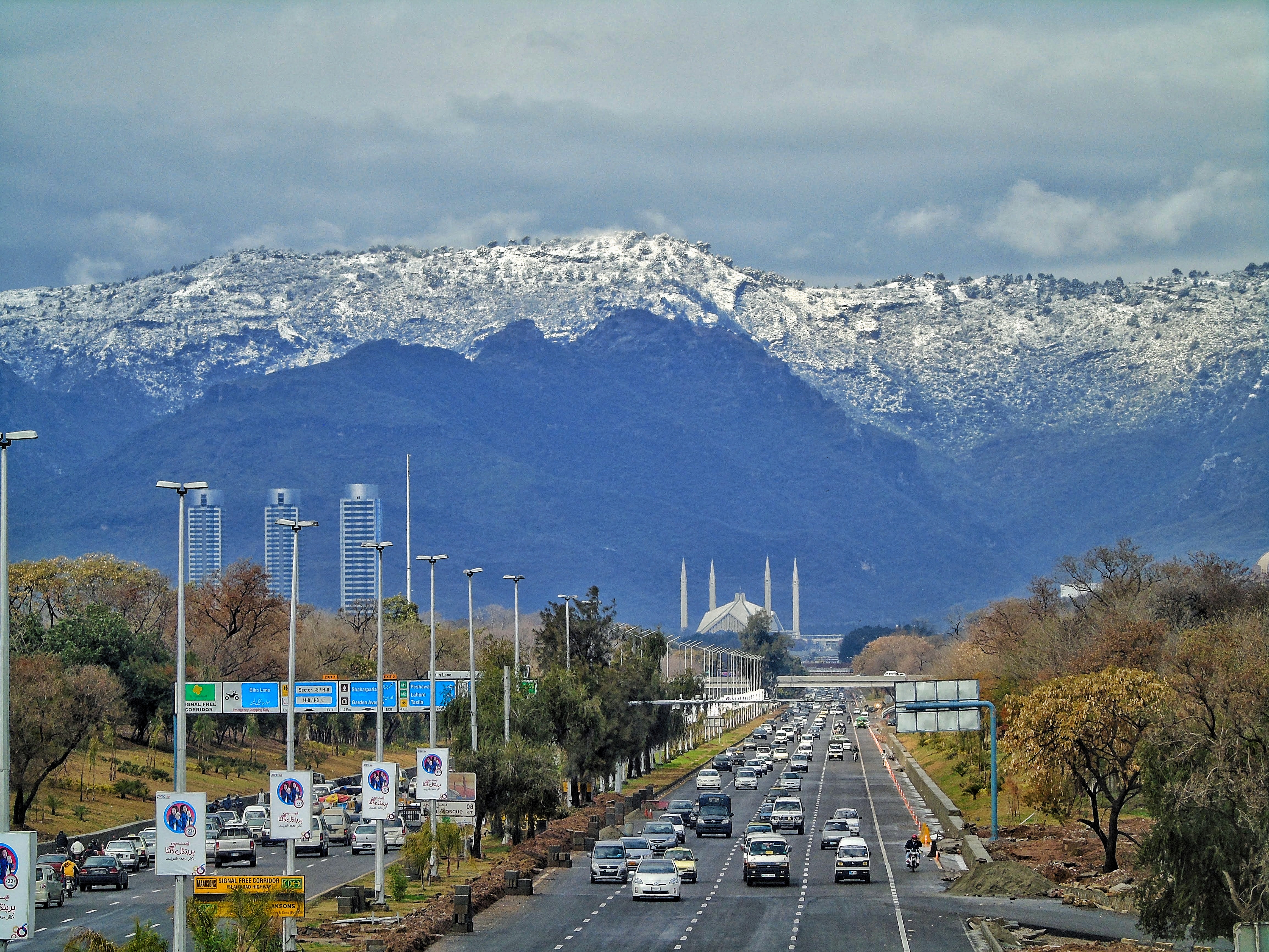
Islamabad, Pakistan
Data updated Sep 29, 2026
📊 Scores
Best fit: FIRE / Geoarbitrage (score: 77)
Built from scratch as a government project, Islamabad runs on the state. The dominant employers are federal ministries, diplomatic missions, the military establishment, and a sprawling public university sector — NUST, Quaid-e-Azam University, COMSATS, and over twenty others collectively employ thousands. Private-sector work exists in telecom, NGOs, and a growing tech freelance scene, but the city was never designed as a commercial engine. If you're not a civil servant, diplomat, academic, or remote worker, your job options here are narrower than in Karachi or Lahore.
A one-bedroom in the city center runs around $250/month — cheap by regional expat standards, though noticeably pricier than most Pakistani cities. Urdu is essential; English gets you through universities and embassies but fails you at markets, government offices, and most daily interactions. Bureaucracy for foreigners is genuinely painful: visa extensions, NOC requirements, and residential registration involve multiple agencies and unpredictable timelines. Healthcare at private hospitals like Shifa International is competent and inexpensive by Western standards, but serious conditions still push most expats toward Dubai or Bangkok.
The climate is the city's clearest advantage — cooler summers and actual winters compared to Karachi or Lahore, with the Margalla Hills providing weekend hiking that's legitimately good. Food is excellent and cheap, heavy on grilled meat and bread. The expat community is small and largely diplomatic or NGO-affiliated, concentrated in F-6, F-7, and E-7 sectors. Social life outside that bubble requires Pakistani connections and some Urdu. The CCTV network and safety index of 70 reflect a real security infrastructure. This city suits remote workers or diplomats who want low costs, green space, and don't mind a socially insular expat scene.
🏚️ Cost of Living
💰 Budgets and Costs
Grocery Basket
Eating Out
Utilities & Lifestyle
Housing
A 1BR in the center runs about $250/mo. If your income is in another currency, bank FX fees add up. A multi-currency account can cut that cost.
See low-fee transfersWe may earn a commission at no cost to you.
💰 Real Spend Reports
🛡️ Safety & Crime
(Higher is safer)
(Lower is safer)
Islamabad is widely regarded as Pakistan's safest major city, with a notably different feel from Karachi or Lahore. Day-to-day life is relatively secure; expats report comfortable daytime mobility and reasonable evening safety in established neighborhoods like F-6, F-7, and Sector G-6. The city's planned layout, lower population density, and significant military/government presence contribute to this perception. However, avoid complacency—petty theft and opportunistic crime do occur, and solo nighttime walks remain inadvisable.
Common risks include pickpocketing in crowded markets (Raja Bazaar, Aabpara), motorcycle snatching, and occasional home burglaries in less-secure areas. Scams targeting foreigners are rare but possible. Female expats should exercise standard precautions: avoid isolated areas after dark, use registered taxis or ride-sharing apps, and dress conservatively. Violent crime against expats is uncommon, though political tensions can occasionally flare. Stick to established expat neighborhoods and use common sense.
Islamabad remains relatively insulated from Pakistan's broader political volatility, though occasional protests and security operations occur. Corruption exists but is less pervasive than in other Pakistani cities. Police are generally professional but can be slow to respond. For Americans considering relocation, Islamabad is genuinely one of Pakistan's most livable cities—stable, organized, and expat-friendly. That said, it's still Pakistan; maintain situational awareness, register with your embassy, and stay informed on local developments.
🏥 Healthcare
🌤️ Climate
Best Months
Climate Notes
Humid subtropical climate with a heavy monsoon season.
💻 Digital Nomad
Community Notes
| Name | Price/mo | Notes |
|---|---|---|
| Regus Islamabad | $120 | Regus offers multiple locations in Islamabad, providing a reliable and professional environment. Locations like the one in ISE Towers offer good connectivity and are suitable for expats needing a familiar, corporate-style workspace. |
| The Hive Pakistan | $90 | The Hive is a popular coworking space in Islamabad known for its modern design and community-focused environment. It's a good option for digital nomads looking to connect with local entrepreneurs and professionals, located in a central area. |
| Daastan | $75 | Daastan is a coworking space that also functions as a publishing house and community hub for writers and creatives. Located in Islamabad, it offers a unique atmosphere and is ideal for those seeking a collaborative and inspiring workspace. |
| Co-Work Islamabad | $60 | Co-Work Islamabad provides a budget-friendly coworking option with essential amenities. It's a suitable choice for remote workers who prioritize affordability and a simple, functional workspace in a convenient location. |
Planning to live in Islamabad long-term? Pakistan Digital Nomad Visa lets remote workers live legally.
View full requirements →Working remotely from Islamabad? Nomad health insurance covers you across borders, month to month.
See nomad insuranceWe may earn a commission at no cost to you.
🧳 Expat Life
Expat Life Notes
Islamabad is the most expat-friendly city in Pakistan, characterized by its greenery, planned grid, and high security.
Pros
- ✓ Very low cost of living
- ✓ Beautiful scenery
- ✓ Organized and quiet
Cons
- ✗ Limited entertainment/nightlife
- ✗ Security restrictions for foreigners
- ✗ Strict social norms
🛂 Visa Options for Pakistan
Many long-stay visas require proof of health insurance. Compare international health plans before you apply.
Compare health insuranceWe may earn a commission at no cost to you.
Not sure which Pakistan visa you qualify for?
Answer 10 questions and get a personalized match in under 2 minutes.
Could living/working in Islamabad cut years off your work life?
With a 1-bedroom in the center at $250/mo, your FIRE number here might be much lower than you think.
Estimate the cost of moving to Islamabad, Pakistan
Get a free moving cost estimate for moving to Islamabad, Pakistan. Takes 10 seconds.
How much are you shipping?
When are you moving?
Powered by Sirelo. Free quotes from verified international movers.
Share This Guide
Islamabad won't stay this cheap forever.
Cost-of-living and visa updates for Islamabad and the rest of Pakistan. Free with RA Postcards.
By submitting your email address, you will receive a free subscription to RA Postcards and special offers from Rewire Abroad and our affiliates. You can unsubscribe at any time, and we encourage you to read more about our Privacy Policy.