Most of the work in Venlo never touches a desk. Logistics dominates: Amazon, DHL, warehouses upon warehouses stretched along the A67, employing thousands in shift work that doesn't require Dutch fluency. The horticultural sector is the other pillar, all greenhouses and flower auctions and agritech that sprouted up after the 2012 Floriade exhibition. Remote work is technically possible, internet sits at 110 Mbps and the digital nomad score of 68/100 reflects that, but this is not a laptop-on-the-cobblestones kind of town. You'll find a small tech scene if you dig, and plenty of people commute across the border to Düsseldorf for better-paying German jobs. The math matters here: figure on $1,020 a month in regular expenses plus $900 for a one-bedroom in the center. That's cheap by Dutch standards, roughly half what Amsterdam extracts, but for a mid-sized city with limited upward mobility it's still real money. Career progression usually means leaving.
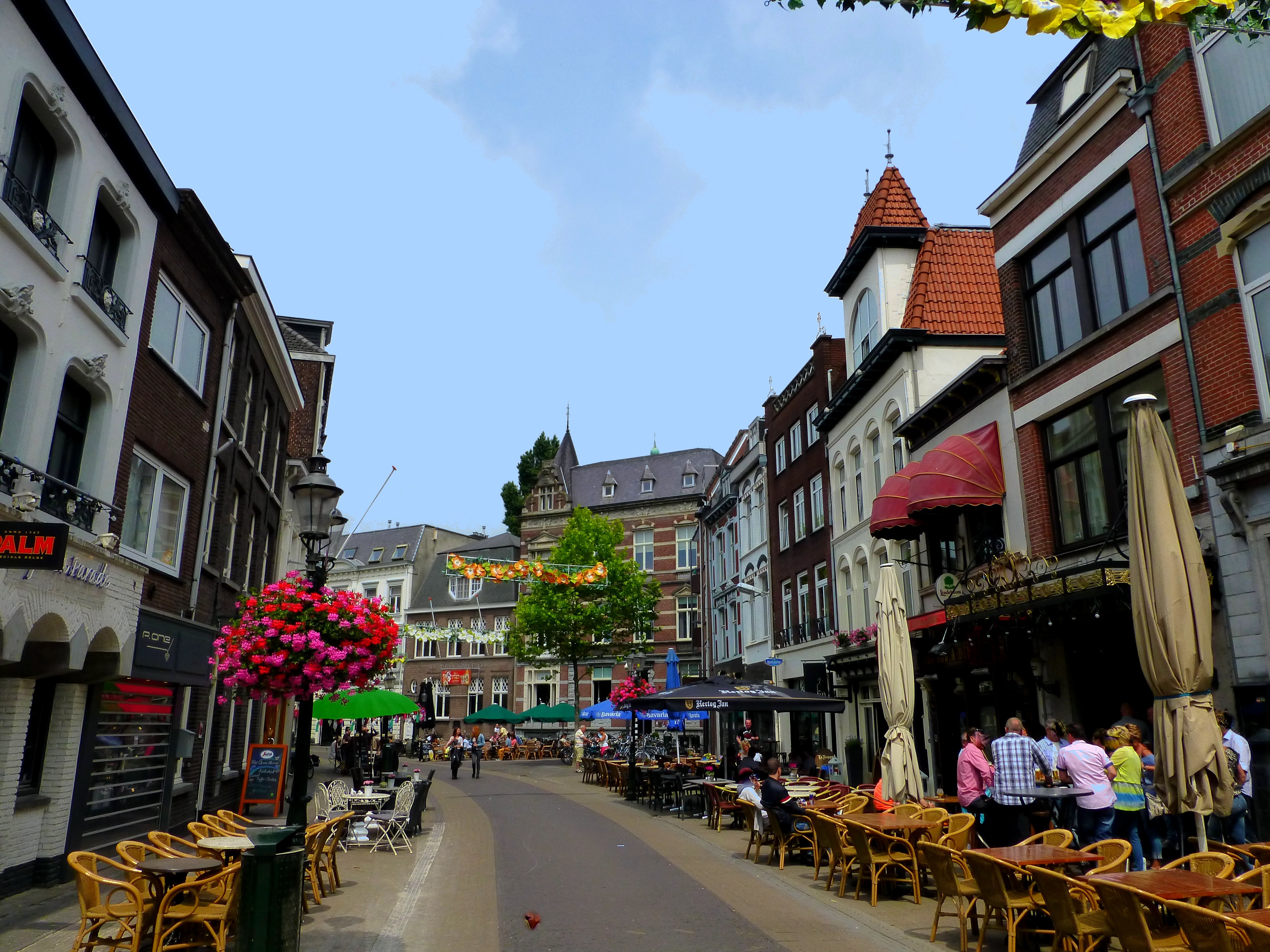
The practical stuff hits different once you're here. Healthcare is Dutch standard, which means efficient and maddening in equal measure because you have to navigate a mandatory insurance system in a language the municipal offices absolutely will not accommodate. Simple paperwork becomes an afternoon's project without Dutch. You'll want a bike for daily movement, same as anywhere in the country, and the public transport connects well to Eindhoven and across the German border. The city center got a facelift and the restaurants are decent, but nightlife is not why anyone stays. Most expats drive to Düsseldorf or Eindhoven when they want something beyond a quiet dinner. The weather gives you mild winters and pleasant summers, plus the standard Dutch rain you learn to stop noticing. Safety is genuinely good, an 87 on the index with crime at 13, and that's not marketing. People leave bikes unlocked sometimes. They still get stolen, but they leave them.
Venlo works for exactly two kinds of people: retirees who want a calm, affordable Dutch town with easy access to Germany, and logistics workers who've landed a solid contract and don't need career fireworks. The retiree score is 90 for a reason. You get lower costs, high safety, decent healthcare once the bureaucracy settles, and weekends spent cycling along the Meuse or poking around German villages. If you're ambitious, restless, or under 50 and still building something, this place will feel like a comfortable waiting room. The expat community is small and mostly transient, a mix of warehouse managers and German cross-border commuters who don't stick around long enough to build real social infrastructure. You'll know within six months which category you fall into. Don't ignore that instinct.