Overview
This visa is for the founder who's already shipping, not the person still refining the pitch deck. The Netherlands Startup Permit gives you a year, renewable, inside an ecosystem that moves money and talent quickly, but it won't carry you toward permanent residence. That trade-off shapes everything. If the long game is a Dutch passport, this is the wrong vehicle. If the goal is twelve or eighteen months to build a product, close first customers, and test the European market without the overhead of a traditional employment permit, it does that. You won't be able to pick up a part-time job at a local bar to bridge cash flow. Any income has to come from the startup. Dependents can join, which cuts both ways: it makes the move viable for families but also raises the stakes because everyone's status hinges on a business that's still getting its legs. The health insurance requirement starts from day one and trips up people who think travel insurance or a U.S. policy covers them. It doesn't. You'll need Dutch basic health insurance, and the premium comes out of your own pocket, not an employer's. Renewal is not a formality; you need to show momentum. Many arrive thinking year one is a warmup, then scramble when it's time to prove traction. The most common misread is treating this as a backdoor migration route. Consulates aren't subtle about it. They look for evidence that you're building something real, not using a shelf company to buy time. How much evidence and what kind is a conversation that happens between you, your business plan, and the officials reviewing it. That's not a bug. It's the feature that lets promising startups in and filters out the rest. For the monthly income crowd, the people earning five to ten grand from remote freelance work, this visa rarely fits unless that income is being channeled into a genuine new venture that needs a Dutch address to grow. Otherwise there are cleaner paths.
Eligibility Requirements
Requirements Checklist
Tax Information
The Dutch tax system
The Netherlands taxes residents on worldwide income, and residency is not a day-count formula. It turns on where you actually live, where your family is, the center of your economic interests. Once you are a Dutch tax resident, your salary, freelance revenue, and pension income land in Box 1, the progressive bracket system. The 2026 rates start at 35.75% on the first €38,883 (about US$42,000), climb to 37.56% up to €78,426 (about US$85,000), and cap at 49.5% on everything above that.
Foreign dividends split depending on the size of your stake. If you own 5% or more of a company, the dividends fall into Box 2 and get taxed at 24.5% on the first €68,843 and 31% on the excess, with a credit for the 15% Dutch withholding tax already deducted. Smaller shareholdings go into Box 3, which applies a 36% levy on a deemed return from your net assets instead of taxing the actual dividends received. Capital gains receive no separate treatment; portfolio gains end up in Box 3 on the same notional-yield basis. Rental property you still own in the US sits in Box 3 as an asset, taxed on its market value minus any mortgage, not on the rent checks you collect. The system is not intuitive, but the pattern is blunt: labor income faces high marginal rates, while investment wealth gets taxed annually on a fictitious return.
The US tax layer
The 30% ruling is the Netherlands’ main preferential tax regime for employees recruited from abroad. If you qualify, you can receive up to 30% of your gross salary tax-free for five years, effectively cutting the top marginal rate on that portion from 49.5% to 34.65%. The ruling applies only to employment income, not freelance earnings or investment income. To qualify, you must have lived more than 150 kilometers from the Dutch border for at least 16 of the 24 months before starting your Dutch job, and your taxable salary must exceed €48,013 (or €36,497 if you are under 30 with a qualifying master’s degree). A salary cap of €262,000 limits the maximum tax-free allowance to €78,600 per year. The application deadline is four months from the start of your employment; miss it and the ruling is lost permanently. Note that the partial non-resident status that shielded foreign Box 2 and Box 3 income was abolished for new applicants after 2024, so your worldwide investment income remains fully taxable under the standard Dutch rules. The 30% rate holds flat through 2026, then drops to 27% for rulings started in 2024 or later, beginning in 2027.
The IRS does not care where you moved. US citizens and green card holders file and pay regardless. The Foreign Earned Income Exclusion lets you exclude up to $132,900 (2026) of earned income, but it excludes dividends, capital gains, rental income, pensions, and Social Security. Because Dutch income tax rates run well above US federal rates, the Foreign Tax Credit is often the more useful tool. It offsets your US liability on Dutch-source income and preserves your ability to contribute to IRAs and 401(k)s, which FEIE can complicate. The US-Netherlands tax treaty exists, but the savings clause preserves US taxation of its own citizens, so the treaty repositions taxing rights on specific items without eliminating US filing obligations. For example, US Social Security benefits are taxable only in the US, while Dutch pension and 401(k) distributions are taxable in the Netherlands. FBAR, meanwhile, is almost certain to apply: you will open a Dutch bank account, and once your combined foreign account balances exceed $10,000 at any point in the year, FinCEN 114 is mandatory. The non-willful failure penalty starts at around $16,700 per violation, adjusted annually.
The first-year decisions that go wrong unattended are usually the 30% ruling application window, the choice between FEIE and FTC, and the Roth IRA treatment. Many expats file FTC to keep IRA contributions alive, but the election is not always obvious. The 30% ruling’s four-month clock is unforgiving; losing it costs tens of thousands over the five-year term. Roth IRAs carry a special risk: the Netherlands does not recognize their tax-exempt status and may tax the account’s value annually under Box 3, with no clear treaty protection. A cross-border tax advisor in your first year typically costs $1,500 to $3,000. The 30% ruling’s four-month clock starts the day you begin your qualifying job; missing it is a six-figure mistake over five years.
Living in Netherlands
COL Index vs NYC
60.5
Monthly Cost (excl. rent)
$1,177
1BR Rent (City Center)
$1,674
Safety Index
73.1
Healthcare Index
79.3
Quality of Life Index
211.3
Time Zone
UTC+01:00
Capital
Amsterdam
Population
18.5M
Official Languages
Dutch
Avg Internet Speed
344 Mbps
Public Transit Quality
Excellent
With a budget covering rent and living costs, you'd need roughly $2,851/mo for a comfortable single-person lifestyle in Netherlands.See how far your money goes →
🏙️ Best Cities in Netherlands for Freelancers
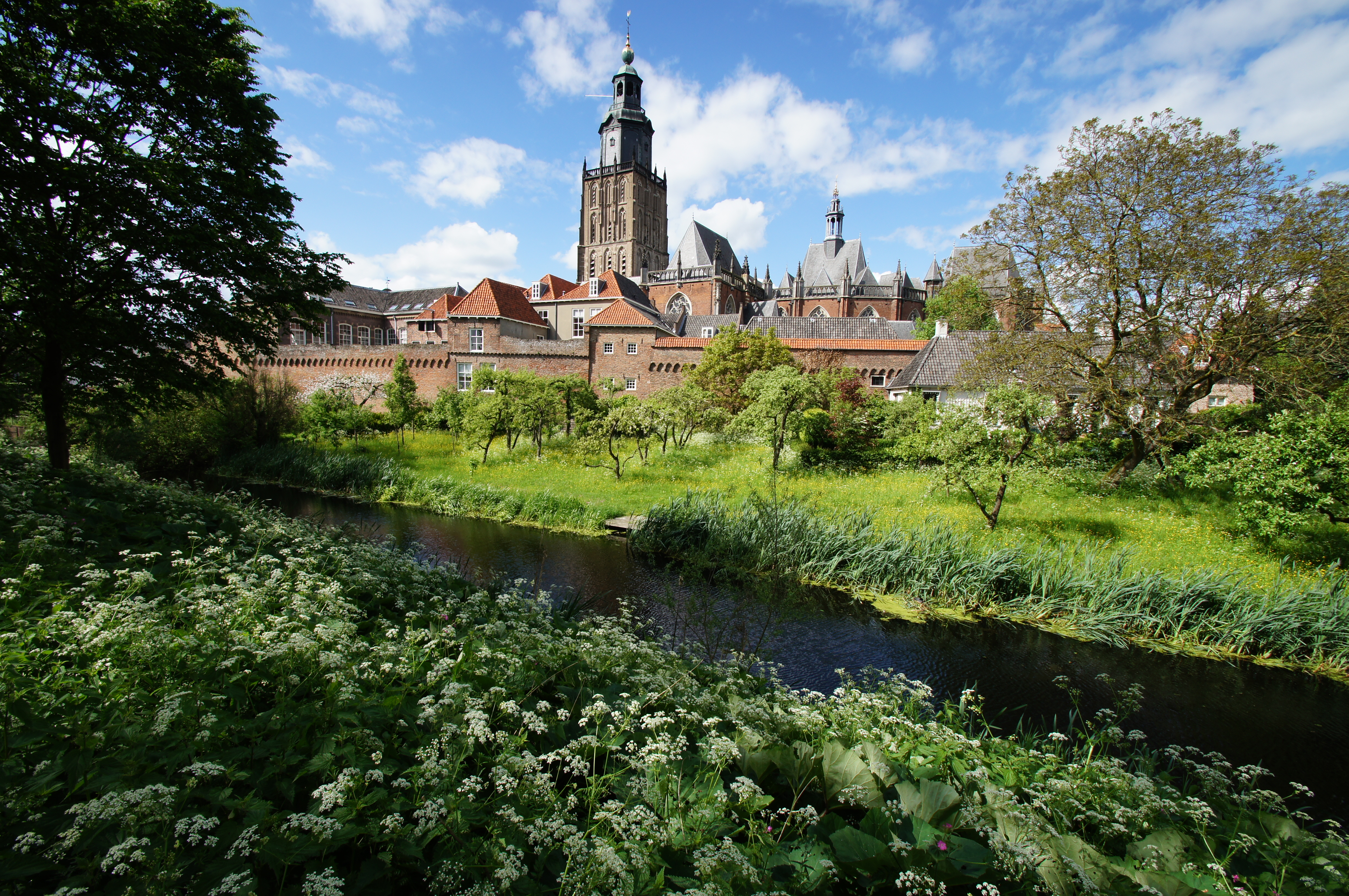 ✦ 81
✦ 81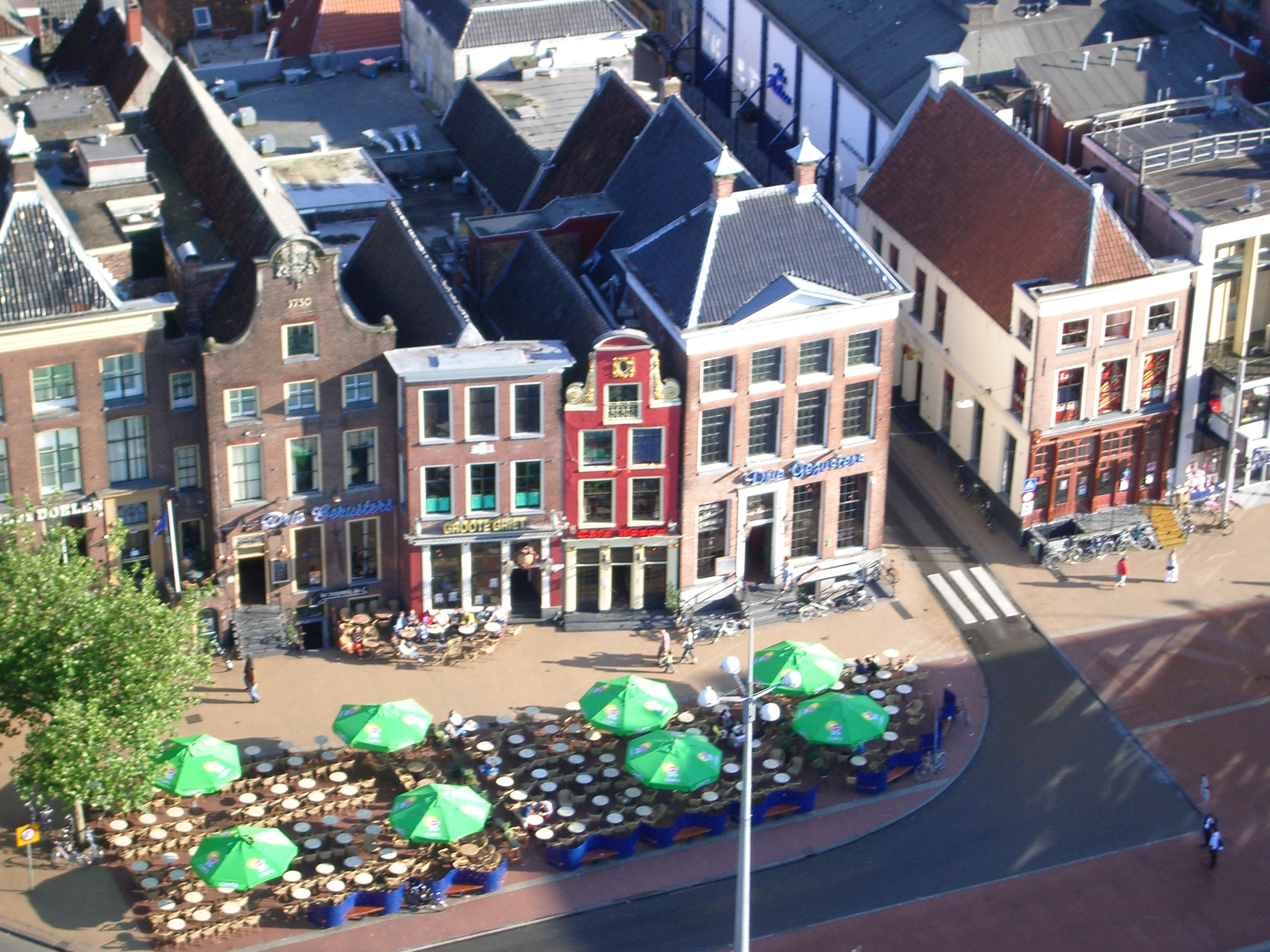 ✦ 82✦ 81
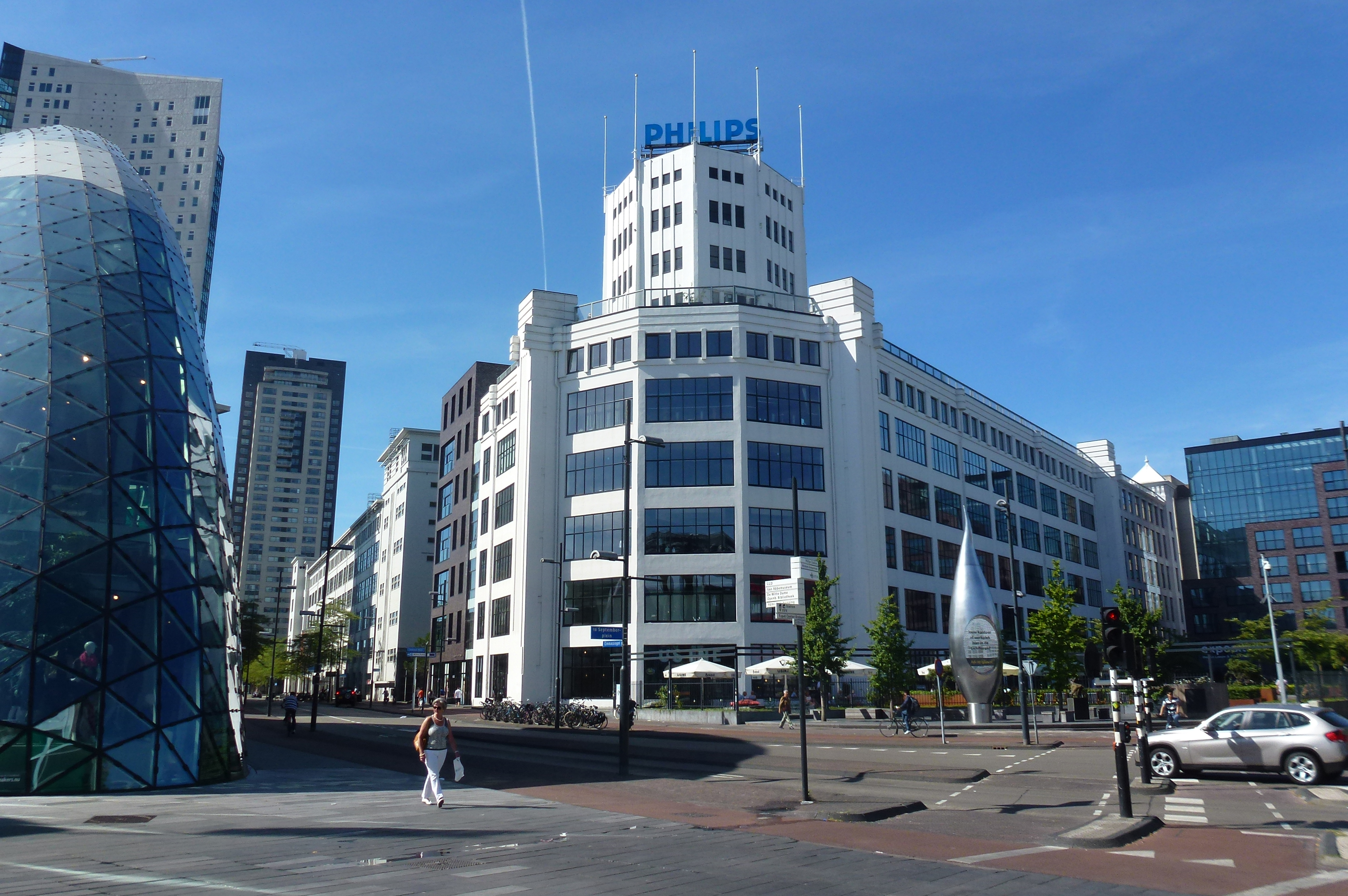 ✦ 84
✦ 84 ✦ 86
✦ 86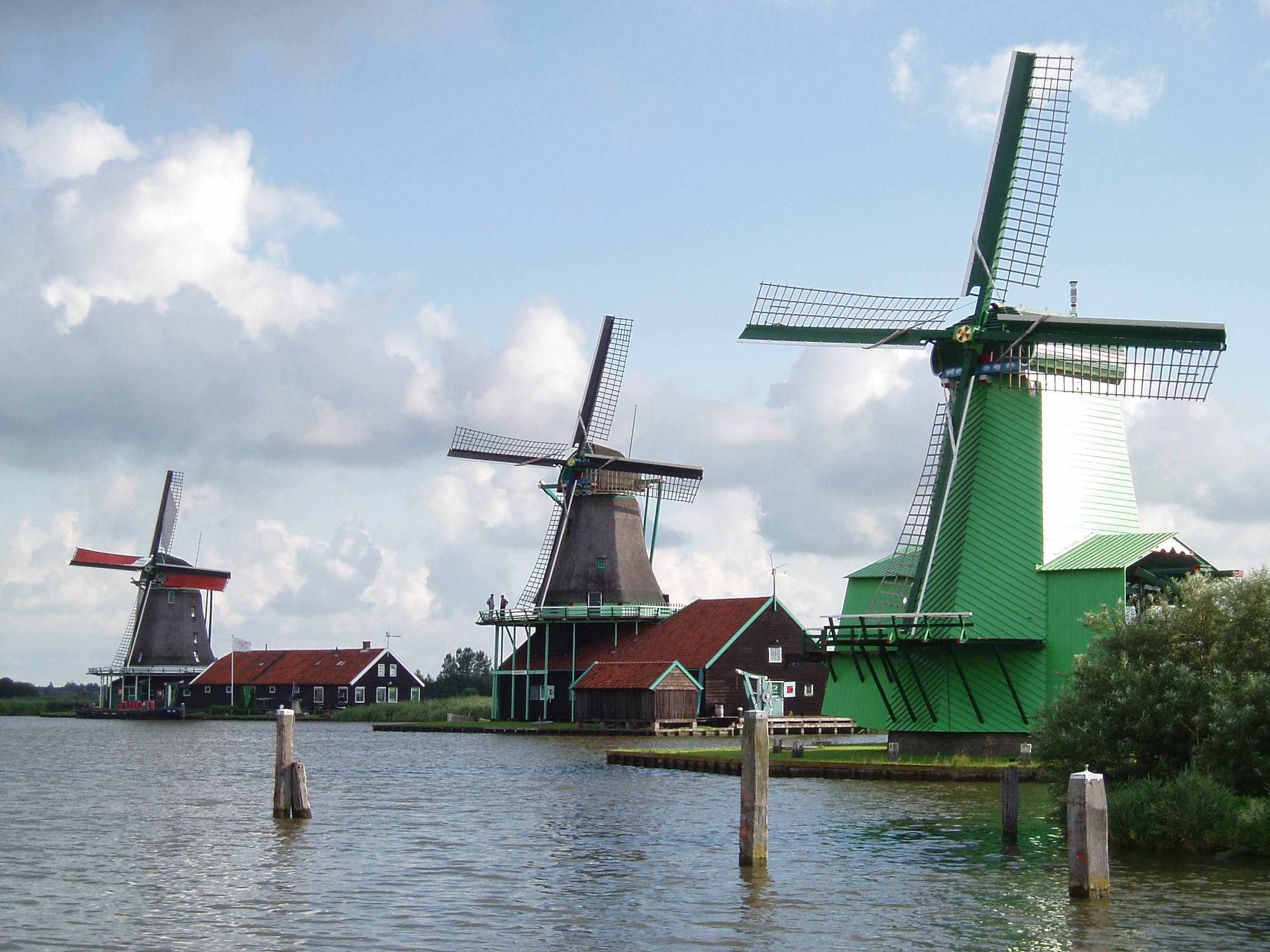 ✦ 79
✦ 79The startup runway you're really buying
No local work. That's the line that gets glossed over. The permit forbids taking paid employment alongside running the startup. You can't moonlight at a co-working space managing social media for a Dutch company. You can't consult for another firm unless the payment lands in your business account and passes for startup-related activity. The restriction is absolute, and the tax office will eventually connect dots through bank account checks, tax filings, and your residence registration.
This changes how you budget. If you need a steady secondary income to survive, you need to line that up through the startup's own revenue or bring enough savings to cover personal expenses until the business can pay you a salary. Many applicants underestimate the cash burn in the first six months. Dutch living costs, rent, health insurance, and mandatory municipal registrations all start accruing before revenue does. There is no buffer provided. The government expects you to arrive funded.
For freelancers who already invoice multiple clients from the U.S., the math can look easy: keep the clients, move to Amsterdam, keep invoicing, call it a startup. But the Dutch immigration authorities and any party that backed your original application review your business plan. If it looks like a relocation of existing freelance work rather than a new scalable venture, approval gets harder. even more at renewal. So the runway isn't just financial. It's the story you tell about growth, hiring, or a product launch that justifies staying beyond the first year.
Health insurance starts the day you land
From the moment your feet hit Schiphol, the clock is ticking. The law requires you to have Dutch basic health insurance. Travel insurance, your U.S. Blue Cross plan, or a global expat policy won't satisfy the requirement. You need a policy from a Dutch insurer covering the statutory package. The monthly premium, typically deducted automatically, becomes a fixed cost the month you register at the municipality. Missing it triggers fines and can complicate your residence status.
People often delay because they're waiting for a BSN. The order is: register your address, get the BSN, then you can apply for health insurance. Coverage can be retroactive to the date of registration, so you have a few weeks to sort it out, not months. The permit doesn't require you to show proof of insurance at the application stage, but the municipality and immigration service check compliance later. If you skip it, they'll find out.
For families, each dependent needs their own policy, though children under eighteen can often be covered for free under a parent's policy. The cost adds up. A couple with a child could face several hundred euros per month before any co-pay for care. That's a line item that should be in your startup budget from day negative thirty. And because the permit doesn't allow local employment, you can't shift to an employer's group plan later. You're the one cutting the insurance check every month.
Keeping the permit alive after year one
The permit is renewable, not a given. At the twelve-month mark, you're back in the evaluation queue. The authorities look at whether your startup has made meaningful progress toward commercial viability, whether it's hiring, raising capital, generating revenue, or at least showing a credible pivot that was greenlit by whoever backed your original application. "We learned a lot" isn't a metric they track.
If you've treated the year as an extended market research trip, the renewal conversation will be short and unpleasant. The permit isn't a sandbox. It's a commercial launchpad, and they enforce that with data. Bank statements, contracts, invoices, and sometimes letters from clients or partners get thrown into the renewal file. The exact threshold for what constitutes enough progress isn't published as a hard number. That's deliberate. It gives the immigration service leeway, but it also means you can't just clear a low bar and coast.
This is where the dependency chain tightens. The people who helped you get the initial permit often have a role in the renewal assessment. If you've drifted from the plan they co-signed, you'll need to explain why. Changing direction isn't automatically fatal, but it needs to be documented with the same rigor as the original application. Many successful founders end up renewing once, even twice, then either switching to a different residence permit for entrepreneurs or moving to another country. The startup permit itself has no built-in graduation. It stays temporary, no matter how well you do.
The PR door that never opens
Under Dutch law, time spent on this permit does not count toward permanent residence. You can renew for multiple years, build a thriving company, pay taxes, learn Dutch, and still be no closer to a PR card than the day you arrived. That's not a loophole. It's the design. The Netherlands has separate entrepreneur pathways that do lead to settlement, but this one was built as a temporary incubator, nothing more.
The practical consequence is that you need a plan for what comes after. If you're under forty and in a hurry, you'll likely look at a highly skilled migrant permit once the business can sponsor you or once you line up a job. If you're older or not interested in employment, you'll need to qualify through another self-employment or investment track. Both paths require separate applications, fresh evidence, and often a different set of income thresholds. The years you spent running your startup won't count, but the revenue, the network, and the Dutch track record might make the next application easier.
This is the hardest pill for people who romanticize the startup visa as the first step in a European migration story. It's not. It's a limited engagement. Treating it as such from the start, and lining up the next move before you need it, separates the people who stay from the ones who pack up after the second renewal denial. The renewal itself is possible, but indefinite stay requires a deliberate pivot, not passive accumulation of time.
Work Permissions
Application Steps
- 1
Research
Verify all requirements for this visa type and country
- 2
Gather documents
Obtain all required documents (passport, financial statements, health insurance, etc.)
- 3
Complete application
Fill out the official application form
- 4
Submit application
Submit all documents to the appropriate consulate or online portal
- 5
Pay fees
Complete payment of application and visa fees
- 6
Attend interview
If required, attend any scheduled interviews
- 7
Wait for decision
Processing times vary from weeks to months
- 8
Travel and activate
Once approved, travel to the country and complete any activation requirements
Frequently Asked Questions
Click any question to expand the answer.
Ready to Apply?
Work with trusted visa specialists who handle the paperwork so you can focus on your move.
Get help with this visa →* We may earn a commission if you apply through our link
At a Glance
Last verified: October 9, 2026