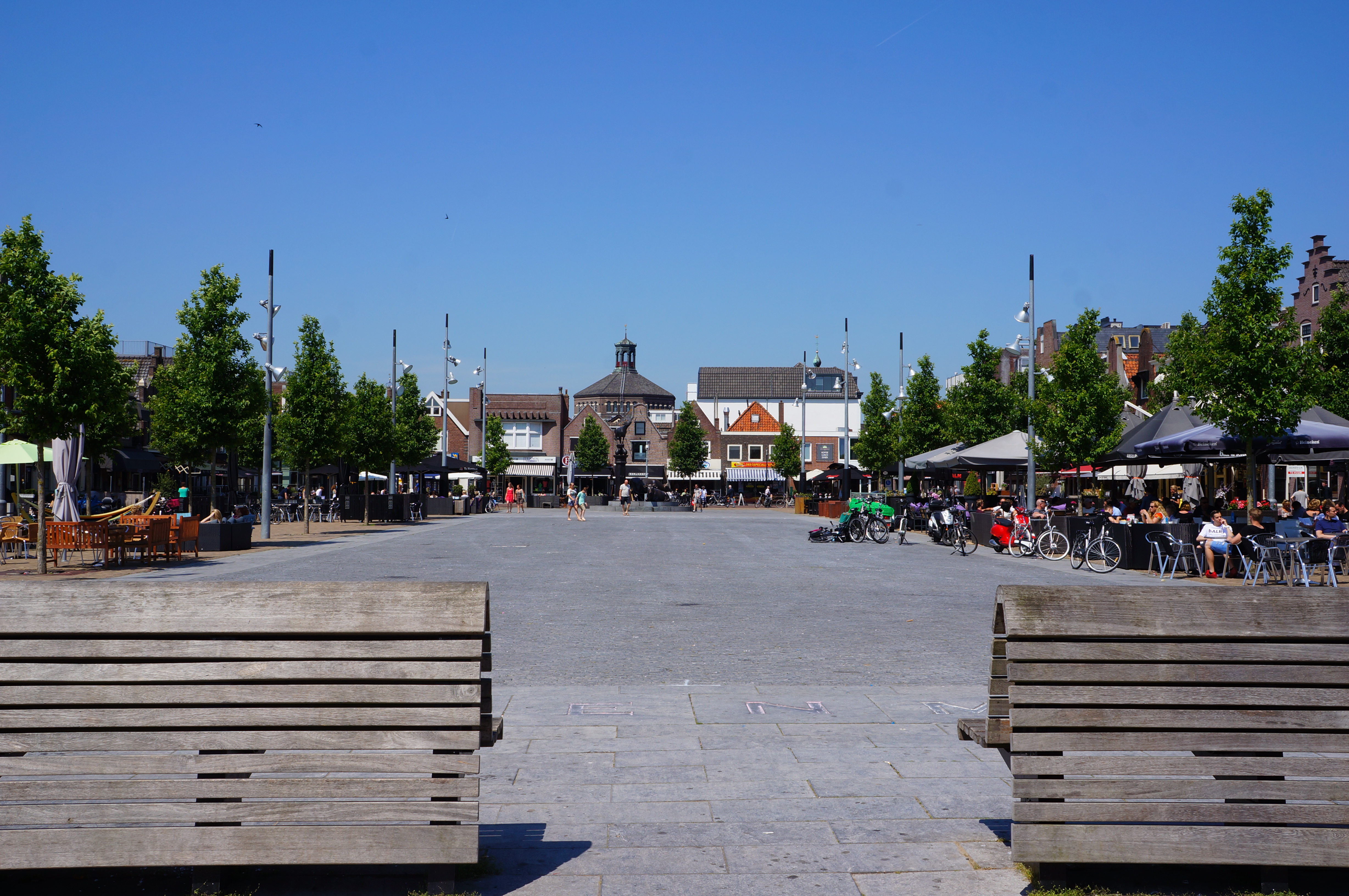
Purmerend, Netherlands
Data updated Sep 3, 2026
📊 Scores
Best fit: Digital Nomad (score: 74)
Agriculture and cattle trading built Purmerend's economy, but that's mostly historical now. The famous koemarkt still operates, but the real money here comes from commuting: roughly 14,200 residents work in Amsterdam daily. You'll find some retail and light manufacturing, but this is fundamentally a bedroom community for the Randstad. If you need local employment, expect limited options outside service work or remote jobs.
Rent runs €1,150–€1,250/month for a one-bedroom in the center—cheaper than Amsterdam but not dramatically so. Cycling is the default transport; trains to Amsterdam Central take 25 minutes and cost €4–€5 each way. Healthcare is solid (standard Dutch system), and English works fine for expats, though Dutch bureaucracy still requires patience with housing registration and tax ID setup. The city feels orderly and functional, not charming.
Winters are gray and damp; summers mild. Food is standard Dutch—good bread, cheese, and Indonesian restaurants, nothing exceptional. Purmerend has a modest expat community, mostly families and remote workers. Weekends mean cycling to nearby polders, visiting Amsterdam (close enough), or catching the occasional festival (it earned 'Funfair City' status for a reason). This suits people who want affordable Dutch living with easy Amsterdam access, not those seeking a vibrant local scene.
🏚️ Cost of Living
💰 Budgets and Costs
Grocery Basket
Eating Out
Utilities & Lifestyle
Housing
A 1BR in the center runs about $1496.44/mo. If your income is in another currency, bank FX fees add up. A multi-currency account can cut that cost.
See low-fee transfersWe may earn a commission at no cost to you.
💰 Real Spend Reports
🛡️ Safety & Crime
(Higher is safer)
(Lower is safer)
Purmerend is genuinely safe for daily life. The city feels secure during day and night, with good street lighting and active community presence. Expats report comfortable solo walking at all hours. The Safety Index of 85 reflects reality—this is a well-policed, orderly Dutch town where petty concerns are minimal and violent crime is rare. You'll notice the difference immediately compared to most American cities.
Primary risks are minor: bicycle theft (extremely common in the Netherlands), pickpocketing on crowded trains to Amsterdam, and occasional package theft. Avoid leaving valuables visible in cars or unattended. Solo female travelers face virtually no gender-specific safety concerns here. Scams are uncommon, though standard travel caution applies. The biggest practical hassle is bike security, not personal safety.
The Netherlands has stable governance, reliable police, and zero political instability affecting daily life. Corruption is negligible. Purmerend specifically is a quiet, family-oriented commuter town near Amsterdam with no notable geopolitical risks. For an American considering relocation, this is one of Europe's safest options—you can move here with genuine confidence in personal security. The main adjustment is cultural and logistical, not safety-related.
🏥 Healthcare
🌤️ Climate
Best Months
Climate Notes
Purmerend has a temperate maritime climate with cool summers (17°C), cold winters (3°C), and frequent rain year-round, typical of the Dutch lowlands.
💻 Digital Nomad
Community Notes
| Name | Price/mo | Notes |
|---|---|---|
| Regus Purmerend | $220 | Located near the Purmerend train station, Regus offers a professional environment with good transport links. It's a reliable option for those seeking a standard coworking experience with meeting rooms and business services. |
| Seats2meet Purmerend | $180 | Seats2meet offers a unique concept where you can partially pay with your knowledge and network. Located in the city center (Koemarkt), it's a good option for those looking to connect with local entrepreneurs and freelancers. |
| Launchdesk Purmerend | $200 | Launchdesk is a broker that lists various flexible office spaces and coworking options in Purmerend. They can help you find a suitable space based on your specific needs and budget, offering a range of locations and amenities. |
Planning to live in Purmerend long-term? Netherlands Orientation Year Visa (Zoekjaar) lets remote workers live legally.
View full requirements →Working remotely from Purmerend? Nomad health insurance covers you across borders, month to month.
See nomad insuranceWe may earn a commission at no cost to you.
🧳 Expat Life
Expat Life Notes
A major commuter hub for Amsterdam. It has a significant expat population and excellent infrastructure.
Pros
- ✓ Fast commute to Amsterdam
- ✓ Modern housing
- ✓ High English proficiency
Cons
- ✗ Suburban and quiet
- ✗ Can feel like a dormitory town
🛂 Visa Options for Netherlands
Many long-stay visas require proof of health insurance. Compare international health plans before you apply.
Compare health insuranceWe may earn a commission at no cost to you.
Not sure which Netherlands visa you qualify for?
Answer 10 questions and get a personalized match in under 2 minutes.
Could living/working in Purmerend cut years off your work life?
With a 1-bedroom in the center at $898/mo, your FIRE number here might be much lower than you think.
Moving to Purmerend? Estimate what an international move would cost and compare mover quotes.
Estimate my move costShare This Guide
Purmerend won't stay this cheap forever.
Cost-of-living and visa updates for Purmerend and the rest of Netherlands. Free with RA Postcards.
By submitting your email address, you will receive a free subscription to RA Postcards and special offers from Rewire Abroad and our affiliates. You can unsubscribe at any time, and we encourage you to read more about our Privacy Policy.