Tokyo's largest special ward by population runs almost entirely on commuter economics — roughly 940,000 residents, most of whom earn their living somewhere else. The ward itself hosts Toho Studios, NHK's Science & Technology Research Laboratories, and the upscale Futako-Tamagawa Rise commercial complex, but these are exceptions in a landscape dominated by residential streets and local retail. Remote workers and digital nomads exist here, but Setagaya's economic identity is fundamentally that of an affluent bedroom community for Shinjuku and Shibuya professionals.
A one-bedroom in a decent neighborhood runs around $1,500/month — high by Japanese standards, though still below Manhattan. Rail connections are genuinely excellent: multiple lines with 2-3 minute headways get you to Shinjuku in under 20 minutes. Healthcare is accessible and high-quality, consistent with the ward's 88.9-year female life expectancy. The real friction is bureaucratic and linguistic: Japan's residency registration, national health insurance enrollment, and banking setup all require Japanese proficiency or a patient bilingual helper. English signage is sparse outside major stations.
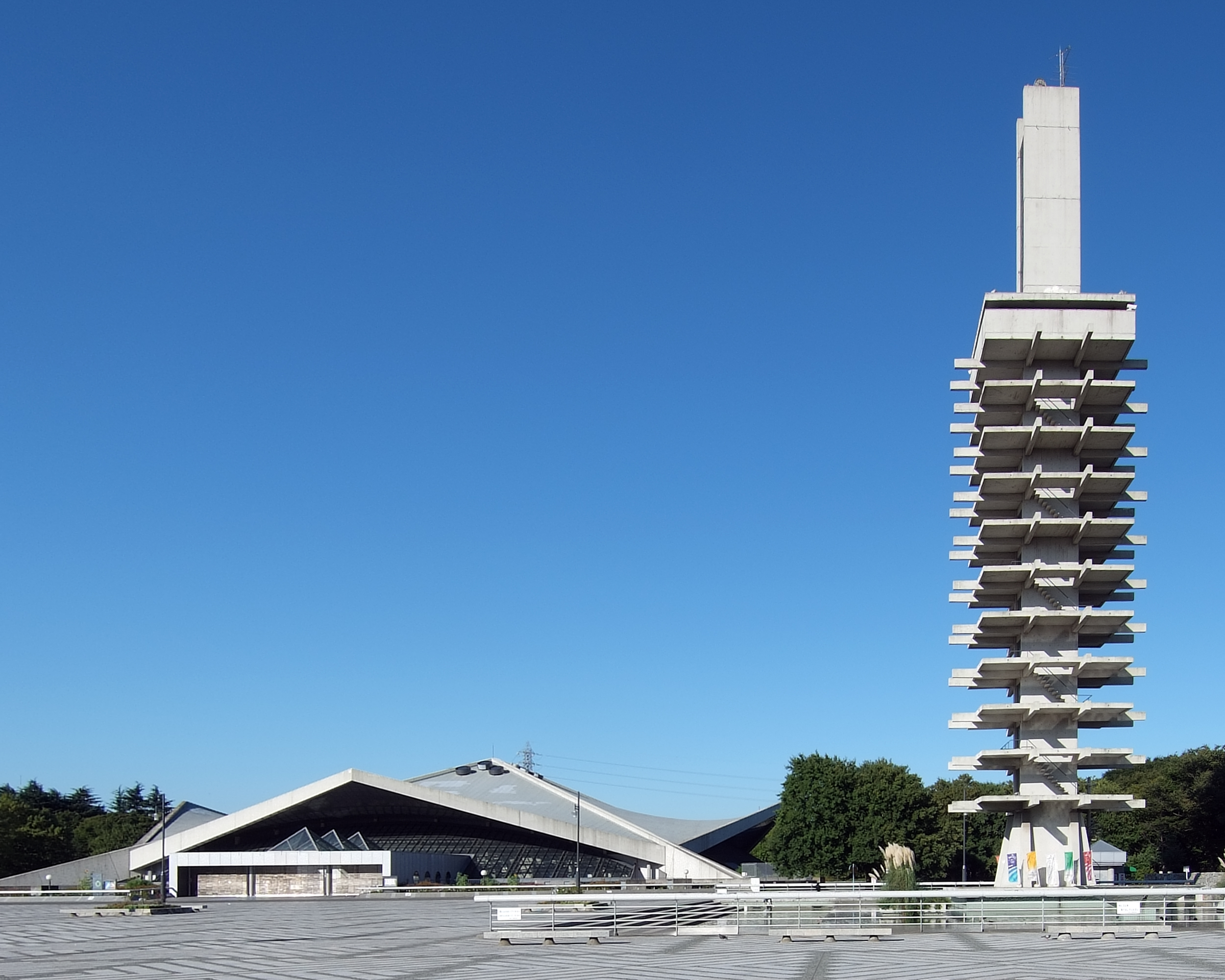
Four distinct seasons, low crime (safety index 80), and weekend options that include Komazawa Olympic Park, Kinuta Park, and temple-hopping at Gōtoku-ji make daily life genuinely pleasant. The food scene is hyperlocal — excellent ramen, soba, and kissaten coffee shops within walking distance of almost anywhere. The expat community exists but is small relative to Minato or Shibuya; you'll integrate into Japanese neighborhood life whether you planned to or not. Setagaya suits established professionals or early retirees who want quiet, safe, well-connected Tokyo living and are serious about learning Japanese.
Estimate the cost of moving to Setagaya-ku, Japan
Get a free moving cost estimate for moving to Setagaya-ku, Japan. Takes 10 seconds.
How much are you shipping?
When are you moving?
Powered by Sirelo. Free quotes from international movers.
🏚️ Cost of Living
💰 Budgets and Costs
A category breakdown is not available for Setagaya-ku yet. We publish a breakdown only when every category can be priced from local data, rather than showing figures we cannot stand behind.
Setagaya-ku is exceptionally safe by global standards, with low violent crime, petty theft, and organized crime. The neighborhood is residential and well-policed, with excellent street lighting and active community watch. Main concerns for expats are minor: bicycle theft, occasional package theft, and rare scams targeting foreigners unfamiliar with banking procedures. Avoid no particular areas—the entire ward is secure day and night. For an American considering relocation, safety is a non-issue here; focus instead on language barriers and cultural adjustment.
🏥 Healthcare
Excellent
Public Hospitals
Yes
Private Clinics
Yes
English-Speaking Doctors
Limited
See how Setagaya-ku's healthcare compares with Fukuoka
🌤️ Climate
Climate Zones
Subtropical
Summer Temp
31°C
Winter Temp
2°C
Humidity
68%
Air Quality Index
44
Annual Rainfall
1391 mm
Best Months
AprMayOct
Climate Notes
Humid subtropical climate with hot, humid summers and cool, dry winters.
💻 Digital Nomad
Avg Internet Speed
150 Mbps
Internet (monthly)
$32/mo
Coworking Availability
Abundant
Coworking Spaces Nearby
50
Digital Nomad Score
75/100
Community Notes
Part of Tokyo, offering many coworking spaces and vibrant scenes for nomads.
Located in Gotokuji, this coworking space offers a calm and productive environment. It's a good option for those seeking a quieter workspace away from the central bustle, with easy access to local shops and cafes.
While technically in Shibuya, it's easily accessible from Setagaya-ku. This WeWork location offers stunning city views and a vibrant atmosphere, ideal for networking and collaboration. It's a premium option with all the standard WeWork amenities.
While not directly in Setagaya-ku, Impact Hub Tokyo is a short train ride away and worth considering. It's a community-focused space with a strong emphasis on social impact, perfect for those looking to connect with like-minded individuals and participate in workshops and events.
Another option in nearby Shibuya, Business Airport offers a more professional and sophisticated environment. It's well-suited for remote workers who need a quiet and focused workspace with high-quality amenities and meeting rooms.
See how Setagaya-ku's digital nomad life compares with Fukuoka
🧳 Expat Life
English Proficiency
Common in Tourist Areas
Expat Community
Medium
Top Neighborhoods
Shimokitazawa, Sangenjaya, Futako-Tamagawa
Banks Nearby
554
ATMs Nearby
460
Expat Life Notes
A highly desirable residential ward in Tokyo known for its family-friendly parks and trendy, bohemian neighborhoods.
Pros
✓ Excellent shopping and cafes
✓ Very safe and green
✓ Great schools
Cons
✗ High rent prices
✗ Can be very crowded
✗ English limited outside major stations
🏘️ Neighborhoods in Setagaya-ku
Areas of Setagaya-ku that expats often consider.
Conditions can change from one block to the next, and these descriptions are general guides, not safety assessments. Before choosing where to stay or live, check current travel advisories, talk to people who live there, and visit in person if you can.
Sangubashi
Quiet, residential, convenient access
Sangubashi is a calm residential area with excellent access to Shinjuku via the Odakyu line. It's popular with families and those seeking a quieter life while still being close to the action. The area is very walkable and has a good selection of local shops and restaurants.
Shimokitazawa
Bohemian, artsy, youthful energy
Known as 'Shimokita,' this area is a haven for independent theaters, live music venues, vintage clothing stores, and quirky cafes. It attracts a younger crowd and has a vibrant, creative atmosphere. While very walkable, it can get crowded, and rents are rising due to its popularity.
Sangenjaya
Lively, convenient, good nightlife
Sangenjaya is a bustling area with a mix of residential and commercial spaces. It's known for its vibrant nightlife, with many bars and restaurants open late. The area is well-connected by train and bus, making it easy to get around Tokyo, but it can be noisy at times.
Komazawa
Green, family-friendly, relaxed atmosphere
Home to the expansive Komazawa Olympic Park, this area offers a more relaxed and green environment. It's popular with families and those seeking a quieter lifestyle. While not as centrally located, it's well-connected by train and bus, and offers a good balance of urban convenience and natural beauty. English may be less prevalent here.
Yoga
Upscale, residential, family-oriented
Yoga is an affluent residential area with a sophisticated atmosphere. It's known for its stylish shops, cafes, and restaurants. While not a major tourist destination, it offers a high quality of life and is popular with families. Expect higher prices and less English spoken than in more central areas.
Gotokuji
Traditional, charming, lucky cat
Famous for Gotokuji Temple, the birthplace of the 'lucky cat' (maneki-neko), this neighborhood offers a glimpse into traditional Tokyo. It's a quieter, more residential area with a charming atmosphere. While less convenient than other areas, it's a good option for those seeking a more authentic Japanese experience and potentially lower rents. English is not widely spoken.
Setagaya (proper)
Quiet, residential, suburban feel
The heart of Setagaya-ku, this area is primarily residential, offering a peaceful suburban atmosphere. It's a good option for those seeking a quieter life away from the hustle and bustle of central Tokyo. While less exciting than other neighborhoods, it provides a comfortable and convenient living environment. English proficiency is lower here.
Page 1 of 2
Could living/working in Setagaya-ku cut years off your work life?
With a 1-bedroom in the center at $634/mo, your FIRE number here might be much lower than you think.
In Setagaya-ku, a one-bedroom runs $634 in the center and $805 outside it and three bedrooms come to $3,200 in the center and $2,500 outside it, per month.
Average monthly net salary in Setagaya-ku is $1,443.
Setagaya-ku scores 80 on the safety index (higher is safer) and a crime index of 20 (lower is safer).
Average internet speed in Setagaya-ku is 150 Mbps. A home connection costs about $32/mo.
In Setagaya-ku, summer averages 31°C, winter averages 2°C and annual rainfall is 1391 mm.
It's manageable but genuinely difficult at first. Unlike Minato or Shinjuku, Setagaya has limited English infrastructure outside major train stations. Banking, ward office registration, and medical appointments will require translation help or significant preparation. Most long-term expats here either speak functional Japanese or have a Japanese partner.
Budget at least $1,500/month for a one-bedroom apartment, plus roughly $150-200 for national health insurance, $100-150 for a commuter rail pass, and $600-900 for food depending on how often you eat out. A comfortable single-person monthly budget runs $3,000-3,800 USD before travel or savings.
Yes, but Japan's visa situation is the main obstacle. There's no dedicated digital nomad visa; most remote workers enter on a tourist visa (90 days for many nationalities) or pursue a highly skilled professional visa if they qualify. Co-working spaces exist but are more concentrated in Shibuya, a short train ride away. The ward itself is residential-first.
For extended stays, Americans typically pursue a student visa (if studying Japanese), a work visa (sponsored by a Japanese company), or a spouse visa (if married to a Japanese citizen). There isn't a specific retirement visa, so you'll need to explore these options or consider a long-term tourist visa with frequent exits.
Setagaya-ku is generally very safe, with low crime rates, even compared to other parts of Tokyo. Petty theft is the most common issue, so be mindful of your belongings. There aren't really any specific areas to actively 'avoid,' but like any city, being aware of your surroundings is always a good idea.
Setagaya-ku experiences four distinct seasons. Summers are hot and humid, with temperatures often reaching the 80s (Fahrenheit). Winters are mild, rarely dropping below freezing. Spring and autumn are pleasant, but expect a rainy season in June/July and occasional typhoons in late summer/early autumn.
While Setagaya-ku is generally upscale, areas like Sangenjaya and Shimokitazawa offer more affordable options compared to, say, Denenchofu. Look for apartments further from the train stations to find better deals. Sharing an apartment is also a common way to reduce costs.
Internet speeds in Setagaya-ku are excellent, among the fastest in the world. You can expect reliable fiber optic connections in most apartments and co-working spaces. Mobile data is also readily available and affordable.
Yes, there are a growing number of co-working spaces in Setagaya-ku, particularly in areas like Sangenjaya and near major train stations. These offer a good alternative to working from home and a chance to connect with other professionals.
While not all doctors speak fluent English, you can find English-speaking medical professionals, especially in larger hospitals and clinics. The U.S. Embassy website provides a list of recommended doctors. Private health insurance is advisable, even with Japan's national health insurance.
Opening a bank account can be challenging without a long-term visa and residence card. Some banks, like Shinsei Bank, are more foreigner-friendly. You'll typically need your passport, residence card, and proof of address.
While not as concentrated as in some other areas of Tokyo, there's a decent expat community in Setagaya-ku. Online groups and meetups are good ways to connect with other expats. The international schools in the area also attract expat families.
Groceries can be comparable to or slightly more expensive than in the US, depending on what you buy. Dining out can range from very affordable (ramen, izakayas) to quite expensive (high-end restaurants). Local supermarkets offer better deals than international chains.
As a US citizen, you're still required to file US taxes even while living abroad. The Foreign Earned Income Exclusion (FEIE) can help you exclude a certain amount of your income from US taxes. You may also need to report foreign bank accounts (FBAR).
While Setagaya-ku is not the cheapest area, careful budgeting can make Social Security income viable. Rent is the biggest expense, so consider smaller apartments or shared housing. Eating local and utilizing public transport will also help stretch your budget.
Public transportation is excellent. The train and bus networks are extensive and efficient. Cycling is also popular, especially for shorter distances. Owning a car is generally not necessary and can be expensive due to parking costs.
While learning some Japanese is highly recommended for a richer experience, you can manage daily life in Setagaya-ku with English, especially in tourist areas and larger shops. However, expect some communication challenges in local neighborhoods and smaller establishments. Embrace the challenge and learn some basic phrases!
Cost-of-living and visa updates for Setagaya-ku and the rest of Japan. Free with RA Postcards.
By submitting your email address, you will receive a free subscription to RA Postcards and special offers from Rewire Abroad and our affiliates. You can unsubscribe at any time, and we encourage you to read more about our Privacy Policy.