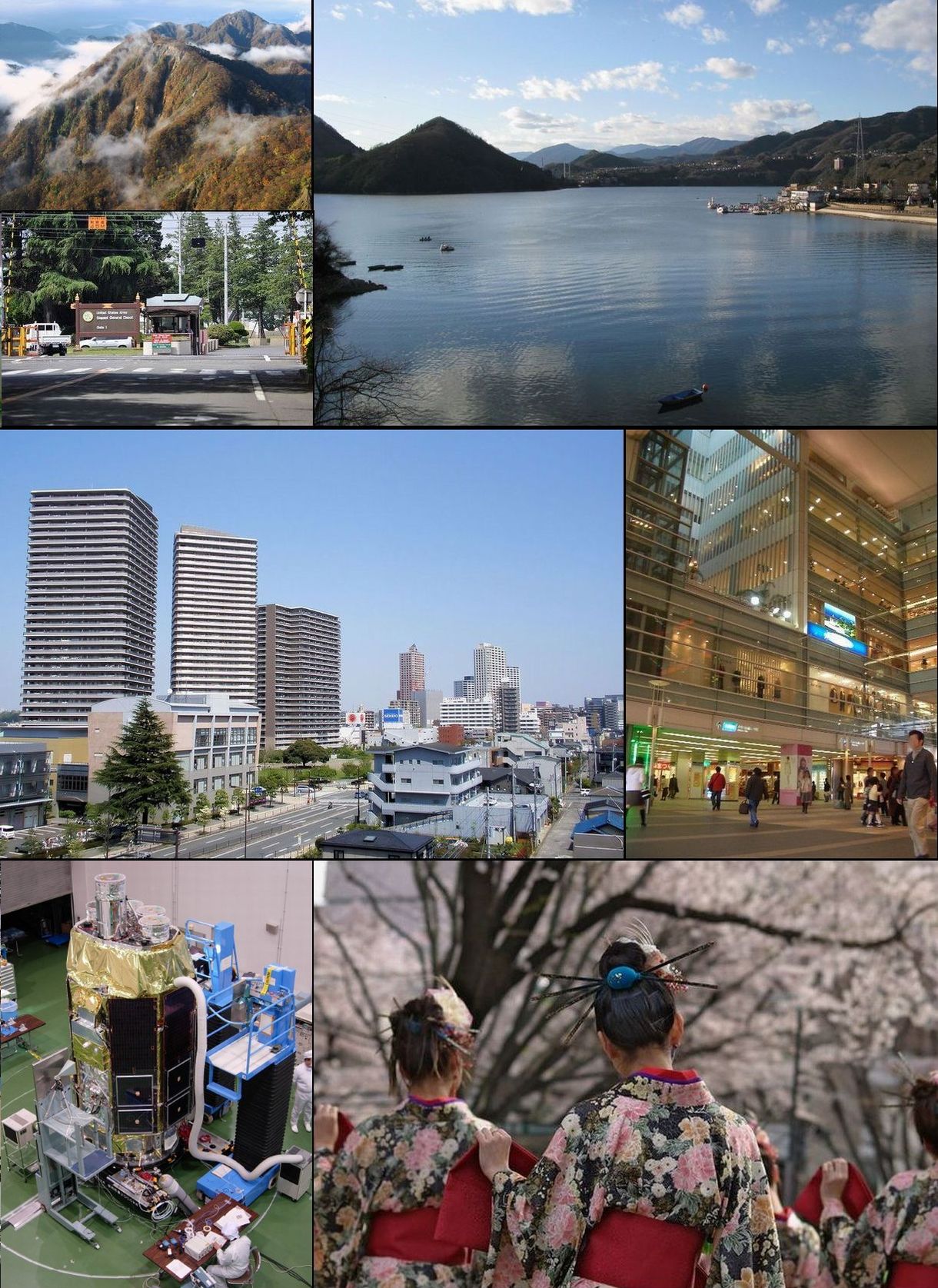
Sagamihara sits in Kanagawa Prefecture, about 40 kilometers southwest of central Tokyo, at an elevation of 91 meters above sea level. Its subtropical climate brings mild winters and warm, humid summers, with a distinct rainy season in early summer. The city is large, home to roughly 483,000 people, and expats tend to cluster in the Minami-ku and Hashimoto neighborhoods, which offer convenient rail access and a mix of residential and commercial amenities. While the city is not a major expat hub, its quiet streets and green spaces provide a calm alternative to the capital's intensity.
Living costs here are remarkably low by Japanese standards. A one-bedroom apartment in the city center rents for about $250 per month, while the same unit outside the center costs $600. For a three-bedroom, expect $1,500 in the center or $1,200 outside it. A single adult's monthly budget, including rent, runs roughly $655 on a tight budget, $981 at a mid-range level, or $740 for a comfortable tier, depending on choices. Excluding rent, a single person typically spends around $1,100 per month, while a family of four spends about $3,400. Utilities add $116 monthly, internet $31, and a mobile plan $23. Eating out is affordable too: an inexpensive restaurant meal costs about $9, a three-course meal for two at a mid-range restaurant runs $32, and a cappuccino is $2. The overall cost of living index sits at 75 out of 100, with New York City as the baseline of 100.
Safety and healthcare are standout strengths. The city's safety index is 74 out of 100, while its crime index is a low 26, meaning violent and property crime are rare. Healthcare quality is rated excellent, and residents have access to Japan's national health insurance system, which keeps medical costs predictable. The air quality index is 42, which is moderate, but generally acceptable for daily life. For those considering a longer stay, the peace of mind from both personal safety and reliable medical care is a major draw.
For visas, Japan offers the Digital Nomad Visa, which requires a minimum monthly income of $6,667. This program suits remote workers who meet that threshold and want to base themselves in Japan for up to six months. Getting to Sagamihara is straightforward via the nearest airport, OKO, located just 9 kilometers away. The city is best suited for digital nomads and retirees who prioritize affordability, safety, and a slower pace over a large expat community or extensive English-speaking services. With limited English proficiency and very few expats, those who come should be ready to embrace local life and perhaps learn some Japanese. The FIRE score of 71 and retiree score of 66 reflect the city's appeal for those seeking financial independence or a peaceful retirement, while the digital nomad score of 65 acknowledges the practical trade-offs of a smaller international scene.