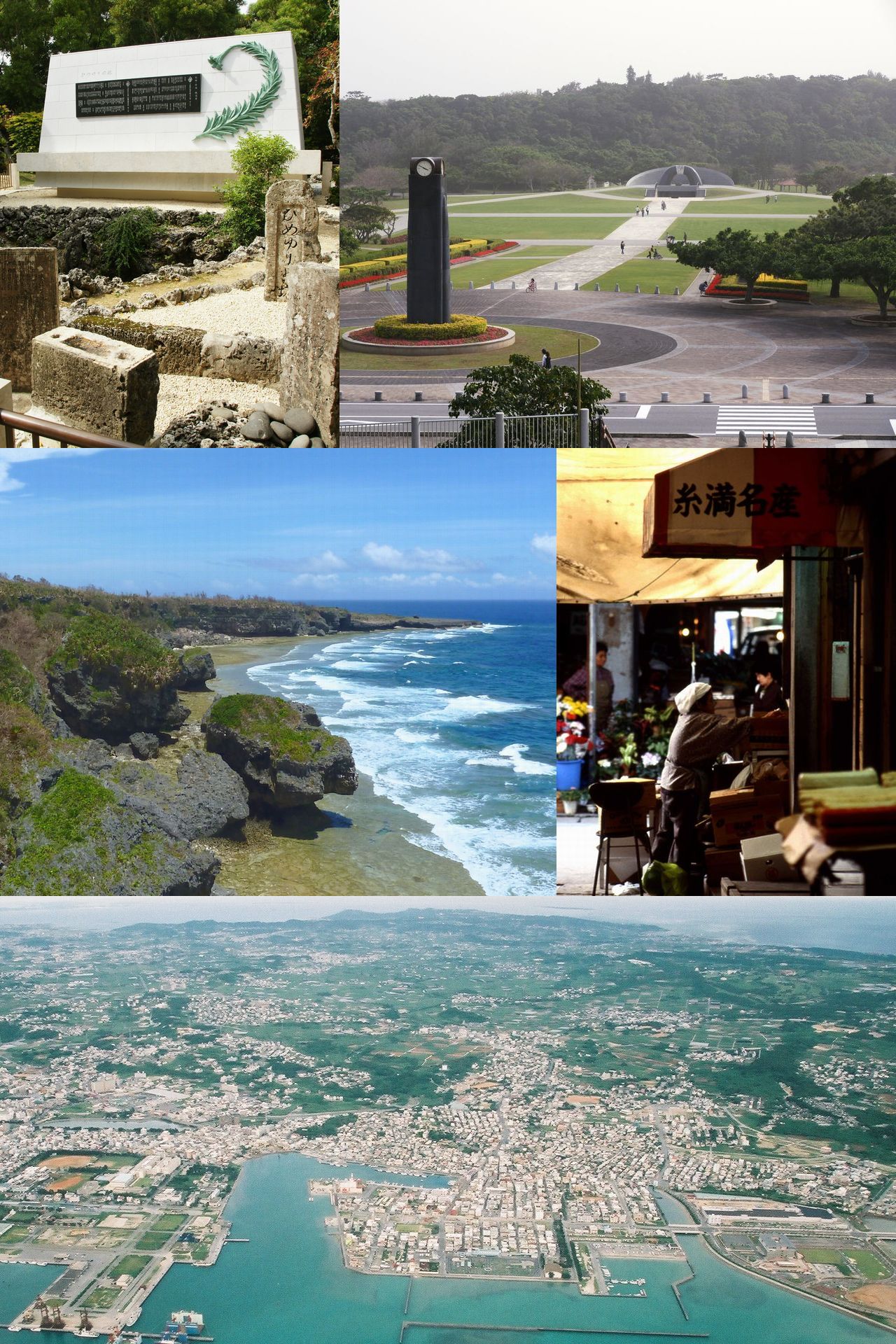
Fishing dominates Itoman's economy—it's a working port town, not a resort. The seafood industry employs a significant portion of the 57,000 residents, with related food processing and distribution jobs following. Tourism exists but remains secondary; the 2025 U-18 Baseball World Cup co-hosting signals infrastructure investment, yet this isn't a major employment hub for expats. Most foreign residents here work remotely or commute to Naha for salaried positions.
A 1-bedroom in the city center runs $620/month; outside center, expect $450–550. Japanese bureaucracy applies fully—visa requirements, health insurance registration, and municipal paperwork are mandatory and time-consuming. Public transport exists but is limited; you'll likely need a car or scooter. Healthcare is accessible and affordable, though English-speaking doctors are rare outside Naha (30 minutes away). Japanese language ability matters here more than in tourist areas.
Subtropical climate means warm year-round with typhoon season (June–October). Food is fresh seafood-heavy; dining out costs $6–12 per meal. The expat community is tiny—mostly remote workers and military families. Weekends involve beach access, hiking Kyan Coast, or day trips to Naha. Itoman suits people seeking genuine small-town Japan, fishing culture, and quiet coastal living—not those wanting expat social scenes or English convenience.