Fishing and seafood processing dominate the local economy, with the port handling significant commercial traffic for northern Japan. Tourism provides substantial employment through hotels, restaurants, and cultural sites, especially during peak seasons. Food processing plants, particularly for Hokkaido's famous seafood and dairy products, offer steady work. The 2016 Hokkaido Shinkansen connection boosted tourism revenue but didn't dramatically expand white-collar opportunities. Most expats here work in English teaching, tourism, or remote jobs since local corporate positions typically require fluent Japanese.
One-bedroom apartments in the city center average $620 monthly, significantly cheaper than Tokyo or Osaka. Public transport relies mainly on buses and trams, with a day pass costing around $5. Healthcare follows Japan's national system, but English-speaking doctors are limited outside major hospitals. The language barrier is real—most locals speak minimal English, and city services operate entirely in Japanese. Bureaucracy follows standard Japanese procedures, meaning lots of paperwork and in-person visits, but officials are generally patient with foreigners.
Winters bring heavy snow and temperatures around 20°F, while summers stay pleasantly cool at 75°F. The seafood is genuinely exceptional, especially the morning market's kaisendon bowls and evening izakaya scene. Weekend activities center on hiking Mount Hakodate, exploring historic districts, or day trips to nearby hot springs. The expat community is tiny—maybe 200-300 foreigners total, mostly English teachers and long-term residents. This city suits people who want authentic Japanese living without Tokyo prices, don't mind linguistic isolation, and appreciate seasonal extremes.
Estimate the cost of moving to Hakodate, Japan
Get a free moving cost estimate for moving to Hakodate, Japan. Takes 10 seconds.
How much are you shipping?
When are you moving?
Powered by Sirelo. Free quotes from international movers.
🏚️ Cost of Living
💰 Budgets and Costs
A category breakdown is not available for Hakodate yet. We publish a breakdown only when every category can be priced from local data, rather than showing figures we cannot stand behind.
Hakodate is exceptionally safe by any standard, with violent crime virtually nonexistent and petty theft rare. The city benefits from Japan's strong social order, efficient police presence, and cultural emphasis on community responsibility. Expats should observe standard precautions—avoid displaying valuables, stay aware in entertainment districts late at night—but these are minimal concerns here. The main risks are minor: occasional package theft, bicycle theft in residential areas, and the standard scams targeting foreigners (overly friendly strangers, inflated bar tabs). For Americans accustomed to major U.S. cities, Hakodate will feel remarkably secure. No significant geopolitical risks affect daily life.
Hakodate has a humid continental climate with cool summers (around 21°C) and cold, snowy winters (around -2°C), offering distinct seasons ideal for those seeking moderate temperature swings and seasonal variety.
💻 Digital Nomad
Avg Internet Speed
75 Mbps
Internet (monthly)
$19/mo
Coworking Availability
Limited
Coworking Spaces Nearby
0
Digital Nomad Score
63/100
Community Notes
A coastal city with scenic views attracting adventurous nomads.
Located within the Tsutaya bookstore in the Goryokaku area, this coworking space offers a relaxed atmosphere with access to books and magazines. It's a good option for those who appreciate a quiet and creative environment, and the bookstore setting provides a unique backdrop for work.
Located near Hakodate Station, Hakodate Share Office Port offers a convenient location for travelers. It provides a professional environment with various membership options, suitable for both short-term and long-term stays. They have private offices and coworking spaces.
Located in the Motomachi area, Share Office NEST provides a modern and stylish workspace. It's situated in a historic building, offering a unique blend of old and new. The location is ideal for exploring the charming streets and cafes of Motomachi during breaks.
See how Hakodate's digital nomad life compares with Ueda
🧳 Expat Life
English Proficiency
Limited
Expat Community
Small
Top Neighborhoods
Motomachi
Banks Nearby
24
ATMs Nearby
6
Expat Life Notes
A historic port city in Hokkaido with European influence; expat life is small and centered on education.
Pros
✓ Stunning seafood
✓ Safe and clean
✓ Beautiful night views
Cons
✗ Harsh winters
✗ Quiet social scene
✗ Limited international career paths
🏘️ Neighborhoods in Hakodate
Areas of Hakodate that expats often consider.
Conditions can change from one block to the next, and these descriptions are general guides, not safety assessments. Before choosing where to stay or live, check current travel advisories, talk to people who live there, and visit in person if you can.
Motomachi
Historic, charming, slightly upscale
Motomachi is known for its well-preserved Western-style architecture and historical significance as one of the first areas open to foreign trade. It's a walkable area with cafes, boutiques, and churches, attracting tourists and residents alike. While beautiful, it can be crowded during peak season and slightly more expensive than other areas.
Goryokaku
Modern, convenient, family-friendly
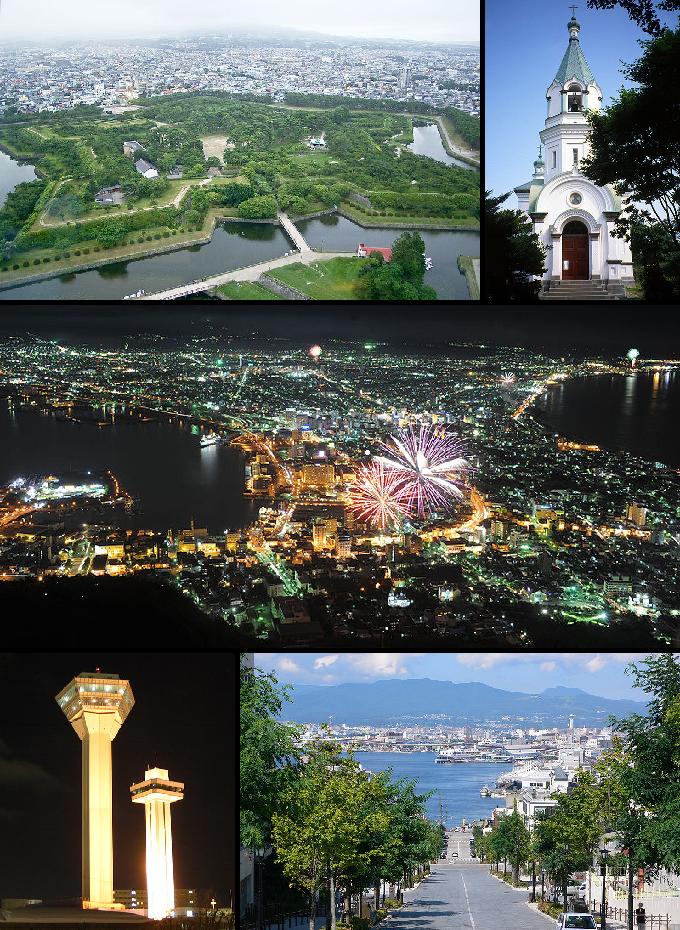
Centered around the star-shaped Goryokaku Fort and park, this area offers a mix of residential and commercial spaces. It's well-connected by public transport and has plenty of shopping and dining options. While not specifically known as an expat hub, the convenience and amenities make it a comfortable place to live.
Hakodate Station Area
Bustling, convenient, tourist-oriented
Living near Hakodate Station offers excellent access to transportation and amenities. The area is lively with hotels, restaurants, and shops catering to tourists. Expect higher prices and more noise compared to quieter residential areas, but the convenience is a major draw.
Yunokawa Onsen
Relaxing, onsen town, coastal
Famous for its hot springs, Yunokawa Onsen offers a more relaxed pace of life. It's located along the coast, providing beautiful ocean views. While further from the city center, it's a good option for those seeking tranquility and access to onsen, but less English is spoken here.
Ōmori-hama
Quiet, residential, beachside
A more local and less touristy area, Omori-hama offers a quieter residential experience with proximity to the beach. It's further from the main attractions, requiring reliance on public transport or a car. This area is ideal for those seeking a more authentic Japanese lifestyle and lower living costs.
Suehiro-cho
Historic, traditional, residential
Located near the Kanemori Red Brick Warehouse district, Suehiro-cho offers a blend of historic charm and residential living. It's a walkable area with easy access to the waterfront and local shops. While some English is spoken in tourist areas, knowing some Japanese will be beneficial for daily life.
Page 1 of 2
Could living/working in Hakodate cut years off your work life?
With a 1-bedroom in the center at $317/mo, your FIRE number here might be much lower than you think.
In Hakodate, a one-bedroom runs $317 in the center and $480 outside it and three bedrooms come to $1,150 in the center and $336 outside it, per month.
Hakodate scores 85 on the safety index (higher is safer) and a crime index of 15 (lower is safer).
Average internet speed in Hakodate is 75 Mbps. A home connection costs about $19/mo.
In Hakodate, summer averages 21°C, winter averages -2°C and annual rainfall is 1074 mm.
You'll need conversational Japanese for daily life. Unlike Tokyo, English signage and English-speaking staff are rare. Basic grocery shopping and banking require Japanese reading skills, and most government services have no English support.
English teaching (ALT positions or private schools) dominates foreign employment. Tourism-related work exists seasonally, and some food processing companies hire foreigners. Remote work is your best bet for higher-paying positions since local corporate jobs require fluent Japanese.
Expect 4-5 months of snow, temperatures around 20°F, and heating bills of $150-200 monthly. You'll need proper winter gear and snow tires if driving. Many expats underestimate the psychological impact of short daylight hours from December to February.
Hakodate is generally more affordable than Tokyo or Kyoto. Expect to pay around $600-$1000 USD per month for a one-bedroom apartment outside the city center, and groceries will likely run you $300-$400 USD monthly, depending on your diet. Dining out can be reasonable, with many delicious ramen shops and local eateries offering meals for under $15 USD.
While English isn't widely spoken in Hakodate's medical facilities, some doctors have limited English proficiency, especially at larger hospitals like Hakodate Municipal Hospital. It's advisable to have a Japanese-speaking friend or translator accompany you to appointments, or to use a translation service.
Hakodate is considered a very safe city with low crime rates. Petty theft is rare, and violent crime is even rarer. You can generally feel comfortable walking around at night, even in less crowded areas.
For budget-conscious expats, areas like Goryokaku or Yunokawa offer more affordable housing options compared to the city center. These neighborhoods are well-connected by public transport and have a good selection of shops and restaurants.
Hakodate has reliable and fast internet, with fiber optic connections widely available. You can expect speeds of 100 Mbps or higher in most areas. While dedicated coworking spaces are limited, many cafes offer Wi-Fi and a comfortable environment for remote work.
Opening a bank account in Japan can be challenging without a long-term visa. Shinsei Bank and Japan Post Bank are often recommended for foreigners. For international transfers, services like Wise (formerly TransferWise) can be more cost-effective than traditional bank transfers. ATMs are widely available, but check for international transaction fees.
The expat community in Hakodate is relatively small compared to larger cities like Tokyo or Osaka. However, there are opportunities to connect with other foreigners through language exchange groups, online forums, and social events organized by local international associations.
Japan doesn't have a specific retirement visa. Americans typically explore options like the Tourist Visa (allowing stays up to 90 days), the Spouse Visa (if married to a Japanese citizen), or the Business Manager Visa (if starting a business). For long-term residency, consulting with an immigration lawyer is highly recommended.
Hakodate's lower cost of living compared to major US cities can help stretch your retirement income. By cooking at home, utilizing local markets, and taking advantage of affordable public transport, you can live comfortably on a moderate budget. Consider living slightly outside the city center for even lower rent.
As a US citizen living abroad, you're still required to file US taxes. You may be eligible for the Foreign Earned Income Exclusion (FEIE) or the Foreign Tax Credit, which can significantly reduce your tax liability. Also, be aware of FBAR (Report of Foreign Bank and Financial Accounts) reporting requirements if you have foreign bank accounts exceeding $10,000.
Hakodate can be a viable option for FIRE, especially if you're comfortable with a slower pace of life and a smaller expat community. The lower cost of living allows you to stretch your passive income further. However, research local investment opportunities carefully, as they may differ significantly from those in the US.
Hakodate has an excellent public transportation system, including trams, buses, and trains. The tram is particularly convenient for getting around the city center. A car is not necessary for most residents, especially if you live in or near the city center.
While you can manage in Hakodate with limited Japanese, learning some basic phrases will significantly improve your daily life. Expect to encounter language barriers in some situations, but most locals are friendly and willing to help. Embrace the local culture and be patient, and you'll find Hakodate a rewarding place to live.
Hakodate experiences four distinct seasons. Summers are mild and pleasant, while winters are cold and snowy, though generally less severe than other parts of Hokkaido. Spring and autumn offer beautiful scenery with cherry blossoms and colorful foliage, respectively. Be prepared for significant temperature variations throughout the year.
Cost-of-living and visa updates for Hakodate and the rest of Japan. Free with RA Postcards.
By submitting your email address, you will receive a free subscription to RA Postcards and special offers from Rewire Abroad and our affiliates. You can unsubscribe at any time, and we encourage you to read more about our Privacy Policy.