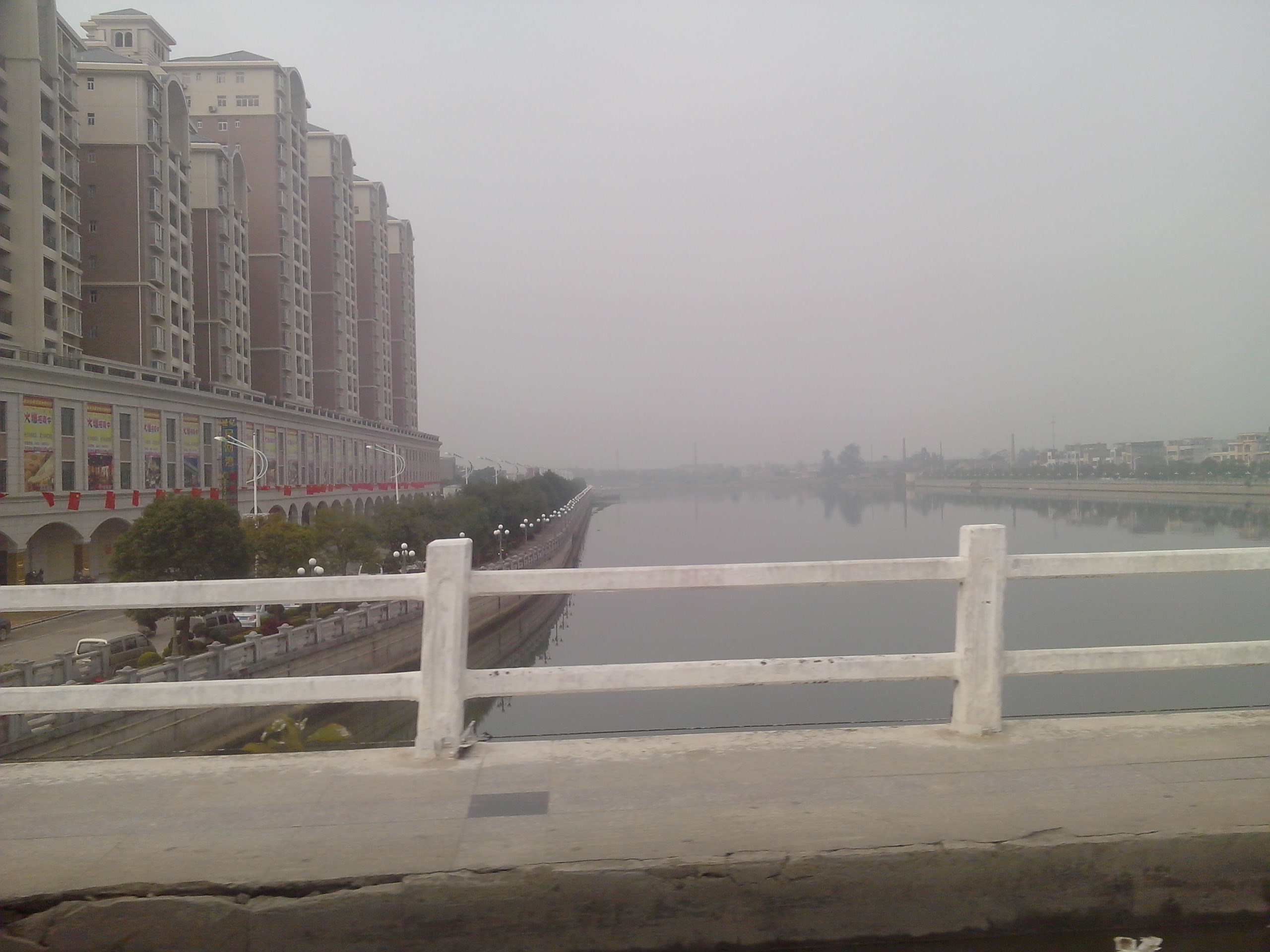
Yangchun sits in Guangdong Province at 210 m above sea level, on the same clock as the rest of China (Asia/Shanghai). Its subtropical climate brings hot, humid summers from May through September and mild, dry winters from November through February, a pattern familiar across coastal Guangdong. Around 876 thousand people live here, and internet service runs at an average of 60 Mbps, enough for remote work, streaming, and video calls. The city's overall expat score of 87/100 reflects a place that treats newcomers well, even though English proficiency is limited, so a translation app and a few phrases of Mandarin go a long way.
Housing is where Yangchun stands out. A one-bedroom apartment in the city center rents for $250/mo, while the same unit outside the center drops to $180/mo. Families or sharers can find a three-bedroom in the center for $500/mo, or $350/mo beyond it. Excluding rent, a single person spends about $380/mo on everything else, which keeps the totals remarkably low: a budget tier runs $700/mo, a mid-range tier $1,200/mo, and a comfortable tier $1,800/mo, all rent included. At those numbers, a modest remote income stretches far further than it would in most Chinese cities of comparable size.
Safety is a genuine strength. The safety index of 75/100 pairs with a crime index of 25/100, where lower is safer, so daily life, evening walks, and solo travel around town carry little of the edge found in bigger metros. Healthcare quality is rated Good, covering routine care, diagnostics, and most everyday needs, though complex or specialized treatment usually means a trip to a larger city. Air quality sits at 52 on the index, a middling figure that improves noticeably in the dry winter months.
The nearest major airport is CAN, about 206 km away, which connects Yangchun to international routes through onward ground transport. Entry rules follow China's national visa framework, and long-stay options reward planning well before arrival. With a FIRE score of 89/100, a retiree score of 66/100, and a digital nomad score of 70/100, the city fits early retirees and remote workers who want low costs and calm over nightlife, while retirees seeking extensive English-language services may find the adjustment slower.