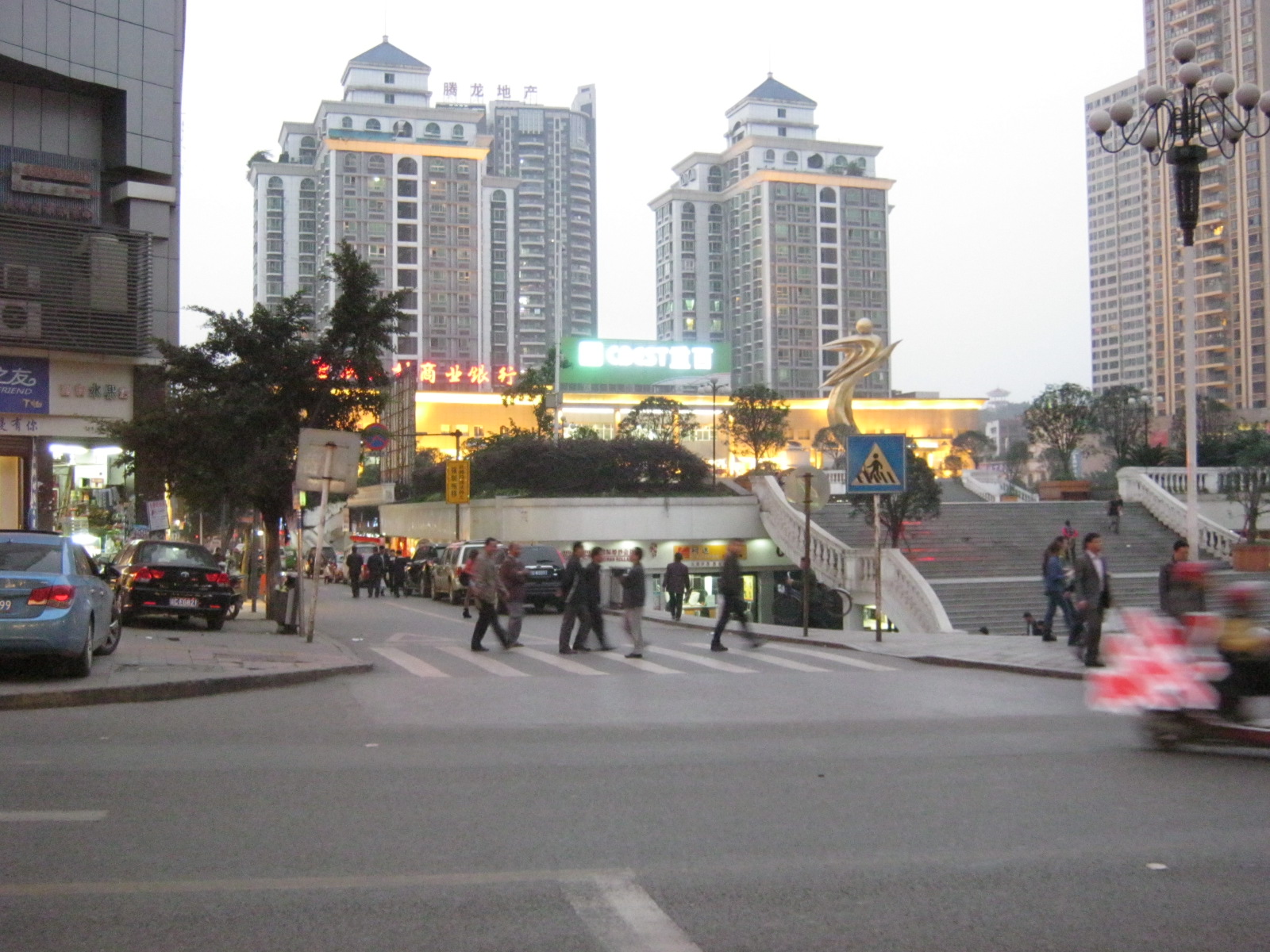
Shenglilu sits at 30 m above sea level in northern China's inland reaches, where the clock runs on Asia/Shanghai time and the climate swings between hot, humid summers from June through August and cold, dry winters from December through February. About 607 thousand people live here, and the city's compact scale keeps daily life manageable. Internet speeds average 74 Mbps, fast enough for remote work, streaming, and video calls without much friction.
Housing anchors the budget in a way that surprises newcomers from larger Chinese cities. A one-bedroom apartment in the city center rents for $400/mo, while the same unit outside the center drops to $300/mo. Three-bedroom places run $800/mo in the center and $600/mo farther out. Excluding rent, a single person spends roughly $550/mo on everything else. That puts a lean but workable budget tier at $900/mo with rent included, while a comfortable tier for one adult reaches $2,500/mo with rent included, a gap that reflects choices about dining, transport, and housing quality rather than any hidden cost of daily survival.
Safety here is a mixed picture. The safety index stands at 50/100, and the crime index, where lower is safer, also sits at 50/100, so residents tend to stay alert in the same way they would in any mid-sized city. Healthcare quality is rated Fair, which means routine care is available but complex or specialized treatment may require travel to a larger hub. Air quality is a real consideration, with an index of 78, a number that pushes many people to check daily readings before planning outdoor exercise or long walks.
Arrivals typically fly into CAN, the nearest airport, then continue overland to Shenglilu. English proficiency is Limited, so a translation app and a few Mandarin phrases go a long way with landlords, shopkeepers, and clinic staff. The overall expat score of 76/100 and a FIRE score of 78/100 suggest the city rewards people focused on saving and long-term financial independence, while the digital nomad score of 62/100 and retiree score of 49/100 point to a place better suited to working-age remote professionals than to retirees seeking deep comfort and community infrastructure.