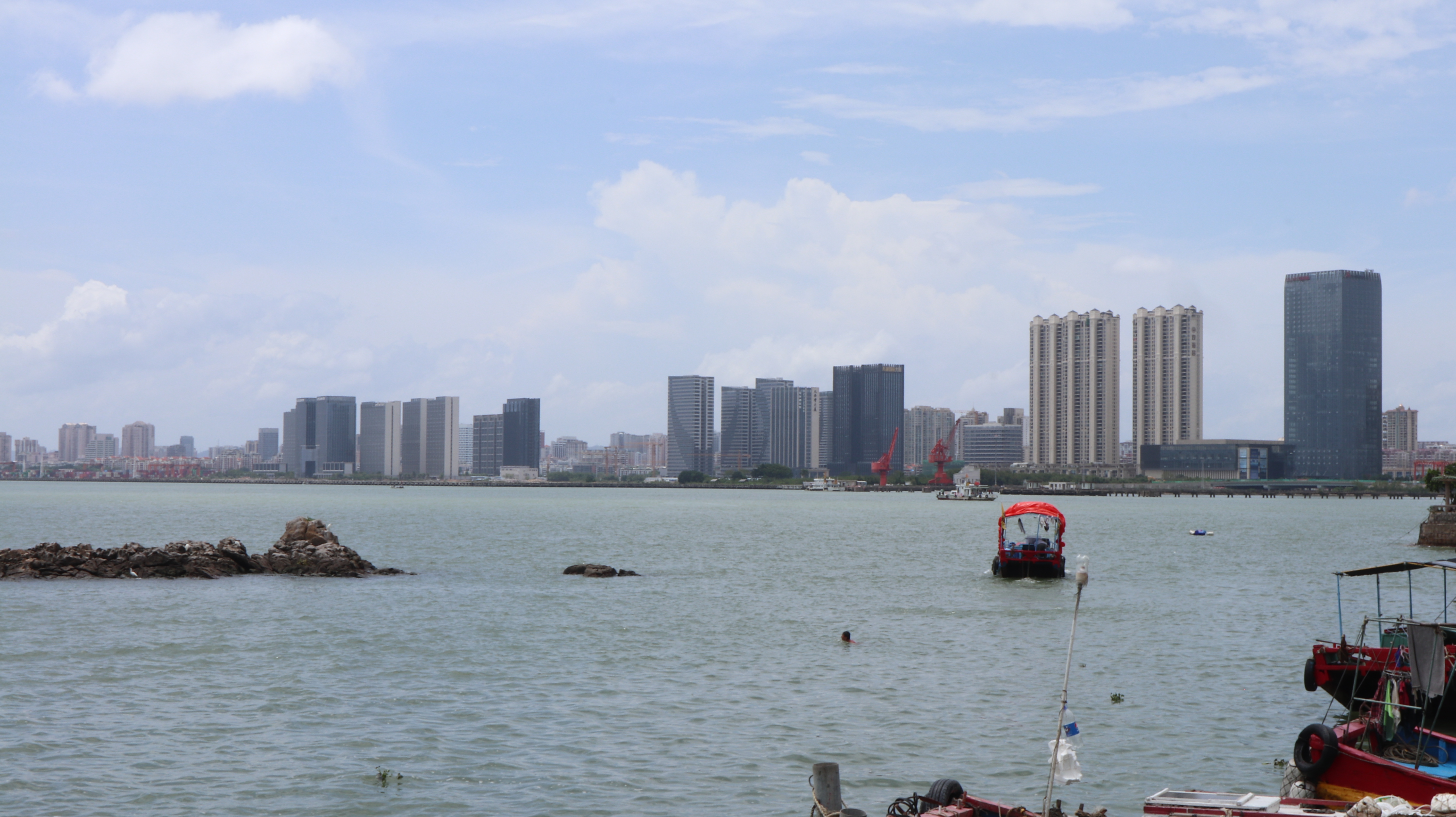
Shantou, China Hero Image
Wikipedia Contributor, CC BY-SA

Shantou, China

🌊 Coastal

Data updated Aug 28, 2026

Follows China Residency Rules. Check Digital Nomad & Retiree Pathways →

📊 Scores

83
FIRE
65
Retiree
68
Digital Nomad

Best fit: FIRE / Geoarbitrage (score: 81)

Once one of China's original special economic zones, Shantou never quite hit the trajectory of Shenzhen or Xiamen — and that gap is worth understanding before you arrive. The economy runs on port logistics, light manufacturing, plastics, toys, and textiles, with a commercial culture deeply tied to the Chaoshan diaspora's Southeast Asian trade networks. Shantou University (Project 211) employs academics and draws students, but white-collar foreign hiring is thin. Most expats here are either running import/export operations, teaching English, or attached to a Chinese spouse's business.

A one-bedroom in the city center runs around $430/month, which is genuinely low for a metro area of 12.5 million people. Local transport is cheap — buses and ride-hailing via DiDi cover most needs — but Shantou has no metro system yet, so traffic can grind. Healthcare at public hospitals is affordable but expect Mandarin-only service; the local dialect is Teochew, which adds another layer of communication friction since even standard Mandarin speakers can feel like outsiders. Bureaucracy for residence permits follows national rules but local English-language support is essentially zero.

Summers are long, humid, and hot — think May through October with regular typhoon disruptions. The food is the city's strongest card: Teochew cuisine is obsessively refined, built around seafood, congee, and cold crab, and eating well here is cheap and consistent. The expat community is small enough that you'll know most Western faces within a month. Weekends mean beach access at Nan'ao Island, seafood markets, and not much else in terms of international nightlife or cultural programming. This city suits someone embedded in China's manufacturing or trade ecosystem who wants low costs and doesn't need an expat bubble.

Estimate the cost of moving to Shantou, China

Get a free moving cost estimate for moving to Shantou, China. Takes 10 seconds.

How much are you shipping?

When are you moving?

Powered by Sirelo. Free quotes from verified international movers.

🏚️ Cost of Living

💰 Budgets and Costs

$389/mo
Selected: mid-range lifestyle
This mid-range budget allows for a comfortable lifestyle in Shantou. Housing is a one-bedroom apartment outside the centre ($148/mo), with home cooking ($111/mo on groceries) and dining out a few times a week ($30/mo). A monthly transport pass covers commuting ($24/mo). Utilities and connectivity round out to $77/mo.

Grocery Basket

Milk (1L)$1.63
Bread (loaf)$1.48
Eggs (12)$1.71
Rice (1kg)$0.74
Chicken (1kg)$3.62

Eating Out

Meal (Inexpensive)$2.22
Meal (Mid-range)$23.64
Cappuccino$3.16
Water (0.33L)$0.32
Restaurant Density0.1 /km²

Utilities & Lifestyle

Utilities (mo)$55.71
Mobile Plan (mo)$8.87
Transport Pass (mo)$23
Cinema Ticket$7.24

Housing

1BR Center (mo)$295.52
1BR Outside (mo)$147.76
3BR Center (mo)$591.03
3BR Outside (mo)$295.52

A 1BR in the center runs about $295.52/mo. If your income is in another currency, bank FX fees add up. A multi-currency account can cut that cost.

See low-fee transfers

We may earn a commission at no cost to you.

🛡️ Safety & Crime

65
Safety Index

(Higher is safer)

35
Crime Index

(Lower is safer)

Shantou is relatively safe for expats compared to many global cities, with low violent crime rates typical of Chinese urban areas. Petty theft, package theft, and occasional scams targeting foreigners occur but aren't widespread. Avoid displaying expensive items and exercise standard urban caution in crowded markets and transportation hubs. The main concern is navigating bureaucratic complexity and limited English support rather than personal safety. For Americans accustomed to major U.S. cities, Shantou presents manageable safety risks, though the smaller expat community means fewer established support networks.

🏥 Healthcare

Good
Public Hospitals
Yes
Private Clinics
Yes
English-Speaking Doctors
Limited

🌤️ Climate

Climate Zones
Subtropical
Summer Temp
38°C
Winter Temp
5°C
Humidity
78%
Air Quality Index
72
Annual Rainfall
1757 mm

Best Months

OctNovAprMay

Climate Notes

Shantou has a subtropical climate with hot, humid summers (38°C) and mild winters (5°C), experiencing a monsoon season from April to September with heavy rainfall, making autumn (October-November) and spring (March-April) the most comfortable periods for expats.

💻 Digital Nomad

Avg Internet Speed
100 Mbps
Internet (monthly)
$14/mo
Coworking Availability
Moderate
Coworking Spaces Nearby
0
Digital Nomad Score
68/100

Community Notes

NamePrice/moNotes
TEC - The Executive Centre$350TEC offers premium coworking spaces with high-end amenities and a professional atmosphere. While specific Shantou locations need to be verified on their site, TEC is known for its central business district locations, making it suitable for those seeking a prestigious workspace.
Regus Shantou$200Regus is a global chain with a presence in many Chinese cities. They provide reliable coworking spaces with various options, from hot desks to private offices. Check their website for specific Shantou locations and pricing; often found in central areas.
创客邦(汕头)$100Chuangkebang is a Chinese coworking brand that may have locations in Shantou. They typically cater to startups and entrepreneurs, offering a more community-focused environment. Check their website for specific locations and pricing.

Working remotely from Shantou? Nomad health insurance covers you across borders, month to month.

See nomad insurance

We may earn a commission at no cost to you.

🧳 Expat Life

English Proficiency
Limited
Expat Community
Very Few
Top Neighborhoods
Longhu District
Banks Nearby
26
ATMs Nearby
0

Expat Life Notes

A coastal city in Guangdong and a Special Economic Zone. It is known for its Teochew culture and has a small business-focused expat community.

Pros

  • ✓ Renowned local cuisine
  • ✓ Low cost of living
  • ✓ Clean coastal air

Cons

  • ✗ Language barrier is high
  • ✗ Quiet expat social scene
  • ✗ Economic growth slower than Shenzhen

🛂 Visa Options for China

Many long-stay visas require proof of health insurance. Compare international health plans before you apply.

Compare health insurance

We may earn a commission at no cost to you.

🛂

Not sure which China visa you qualify for?

Answer 10 questions and get a personalized match in under 2 minutes.

Find My Visa →

Could living/working in Shantou cut years off your work life?

With a 1-bedroom in the center at $296/mo, your FIRE number here might be much lower than you think.

Calculate My FIRE Date →

More Cities to Consider instead of Shantou

FAQ

Frequently Asked Questions about Shantou

Click any question to expand the answer.

Shantou has a population of approximately 5,502,031 people.
A single person can expect to spend around $739 per month in Shantou, including rent. A 1-bedroom apartment in the city center costs approximately $296/month.
The nearest airport to Shantou is SWA, approximately 11.4km away.
Shantou is considered relatively safe, with a safety index of 65.0. As with any city abroad, expats should research specific neighborhoods before committing to a location.
Shantou has an average internet speed of 100 Mbps. It is considered a well-established digital nomad destination.
There are English teaching positions at Shantou University and private training centers, but demand is far lower than in Guangzhou or Shenzhen. Salaries typically range from ¥10,000–¥16,000/month ($1,400–$2,200). The low cost of living helps, but job options are limited and you should secure a contract before arriving.
Harder than most Chinese cities. The local language is Teochew, a Min dialect mutually unintelligible with Mandarin. Many older residents speak limited Mandarin, and English is rarely spoken outside the university. Apps like Google Translate help, but daily life — especially dealing with landlords, hospitals, or government offices — requires either Mandarin fluency or a local contact.
Shantou is significantly less developed for expat life. Rents are lower ($430 vs. $700–$1,000+ in Xiamen or Shenzhen), but you trade that for fewer international restaurants, no metro, a much smaller expat community, and less English-language infrastructure overall. It makes sense if you have a specific business reason to be there, not as a lifestyle-first choice.
Rent in Shantou is quite affordable. You can find a decent one-bedroom apartment in the Chenghai district for around $300-$500 USD per month, while larger apartments or those closer to the city center might range from $600-$1000 USD.
Shantou is generally considered a safe city with a low crime rate, especially violent crime. Petty theft can occur, so it's wise to be aware of your belongings, particularly in crowded areas like markets or bus stations. Overall, you can feel secure walking around most neighborhoods.
Internet speed in Shantou is generally reliable and fast enough for most digital nomad tasks. You can expect download speeds of 50-100 Mbps, which is sufficient for video calls, streaming, and other online work. Many cafes and coworking spaces also offer free Wi-Fi.
While Shantou's coworking scene isn't as developed as in larger cities like Shenzhen, there are a few options available. Some business centers and serviced offices offer shared workspace arrangements. Check local business directories or online forums for the most up-to-date listings.
Retiring in China as an American can be challenging visa-wise. There isn't a specific retirement visa. You'd likely need to explore long-term tourist visas, business visas (if you have a business), or potentially a family visa if you have relatives in China. Consulting with a Chinese immigration lawyer is highly recommended.
Public transportation in Shantou is readily available and inexpensive. Buses are the most common mode of transport, and taxis are also relatively affordable. Ride-hailing apps like Didi are also available. For longer distances, consider using the high-speed train.
Finding English-speaking doctors in Shantou can be a challenge, but not impossible. Larger international hospitals or clinics may have some English-speaking staff. It's always a good idea to have a translation app handy or bring a translator with you to medical appointments.
Several options exist for transferring money to Shantou. Popular choices include international money transfer services like Wise (formerly TransferWise) or Remitly. You can also use traditional bank transfers, but be aware of potential fees. Check the exchange rates and fees before making a transfer.
Shantou has a humid subtropical climate with hot, humid summers and mild winters. Expect typhoons during the late summer and early autumn months. The best time to visit or live in Shantou is during the spring or autumn when the weather is more pleasant.
As a US citizen living in Shantou, you're still required to file US taxes. You may be eligible for the Foreign Earned Income Exclusion (FEIE) or the Foreign Tax Credit, which can help reduce your tax burden. Also, be aware of FBAR reporting requirements for foreign bank accounts.
Yes, $2,000 USD per month would allow for a very comfortable lifestyle in Shantou. This budget would easily cover rent, food, transportation, and entertainment, with some money left over for savings or travel. You could live even more frugally if desired.
The expat community in Shantou is smaller compared to major cities like Beijing or Shanghai. However, there is a growing number of foreigners, particularly English teachers and business professionals. Online forums and social media groups can help you connect with other expats in the area.
Shantou is known for its delicious Chaoshan cuisine. Be sure to try beef hot pot (牛肉火锅), oyster omelets (蚝烙), and various seafood dishes. Gongfu tea (功夫茶) is also a local specialty and a must-try experience.
Yes, you can find ATMs in Shantou that accept foreign cards, particularly Visa and Mastercard. Look for ATMs at major banks like Bank of China or ICBC. Be aware of potential ATM fees charged by both your bank and the local bank.

Share This Guide