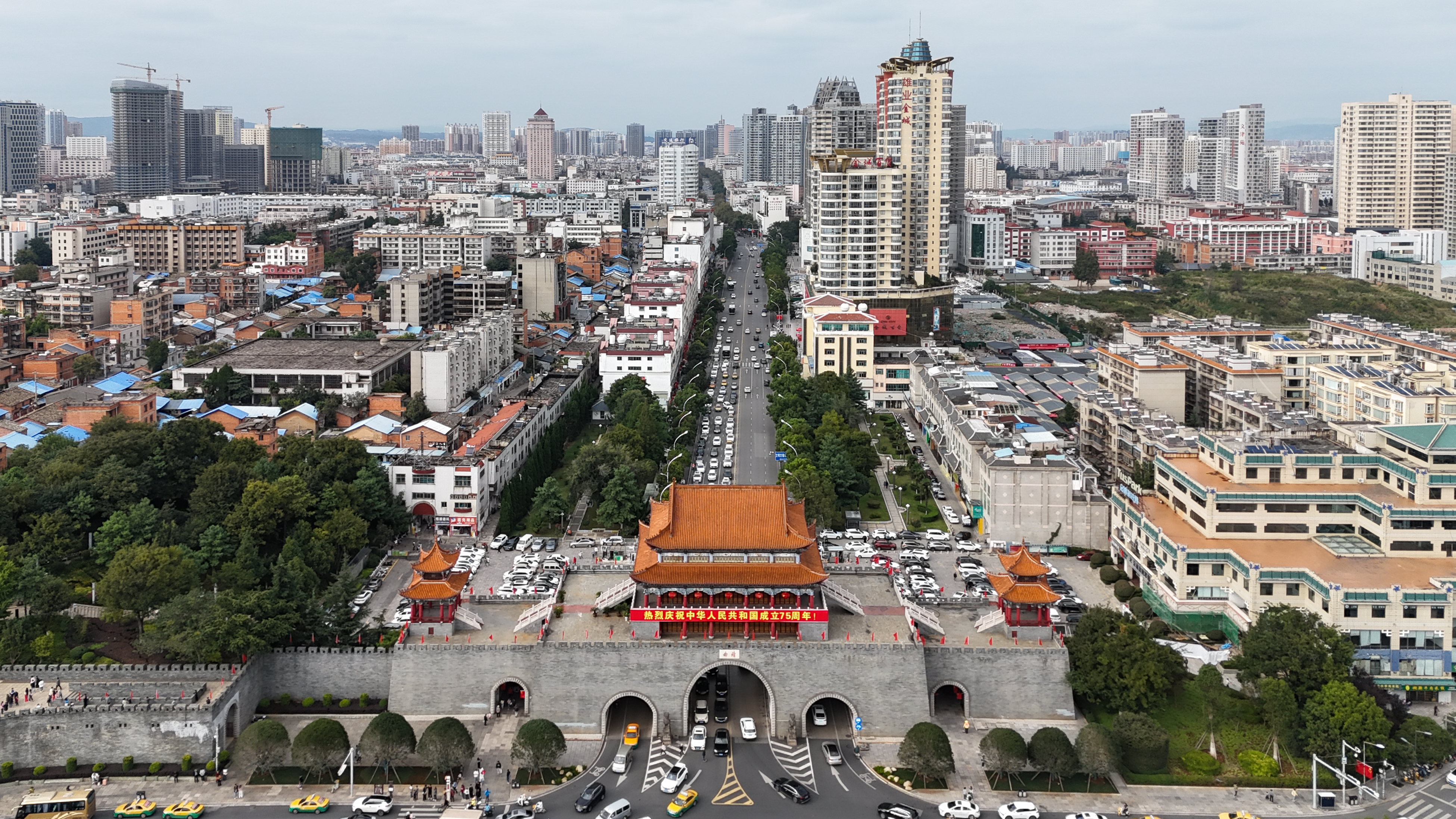
Qujing sits in Yunnan Province at an elevation of 1870 m above sea level, on Asia/Shanghai time, with a subtropical climate that shapes daily life around warm, humid summers and mild winters. The city holds 5.8 million residents, yet it has no established expat neighborhoods and no expat community to speak of, so newcomers choose housing based on proximity to work, markets, or green space rather than any pre-existing foreign enclave. Internet runs at an average of 44 Mbps, enough for remote work and streaming, and the overall expat score of 85/100 reflects a place that rewards those who arrive with patience and self-sufficiency.
Rent is the clearest argument for Qujing. A one-bedroom in the city centre costs $250/mo, while the same outside the centre drops to $180/mo. Three-bedroom units run $373/mo centrally and $224/mo further out. Excluding rent, a single person spends about $380/mo, with internet at $4/mo, a mobile plan at $7/mo, a monthly public transport pass at $37/mo, and a gym membership at $15/mo. An inexpensive restaurant meal costs $2 per person, a mid-range three-course meal for two is $15, and a cappuccino is $2. Against those numbers, the average monthly net salary of $858/mo means local wages are modest, so a budget tier of $650/mo, a mid-range tier of $1,100/mo, and a comfortable tier of $1,700/mo each tell a different story about how far a given income stretches.
Safety is a relative strength, with a safety index of 64/100 and a crime index of 36/100, where lower is safer. Healthcare quality is rated Fair, which means routine care is accessible but complex or specialist needs may require travel. Air quality sits at 78 on an index where lower is better, a figure worth watching for anyone with respiratory sensitivities. English proficiency is limited, so everyday errands, medical visits, and bureaucratic tasks generally require some Mandarin or a trusted local helper.
Visas are handled through the standard Chinese immigration system, and the nearest major airport is KMG, 12 km away. The city scores 87/100 for FIRE, 60/100 for retirees, and 60/100 for digital nomads, making it a strong fit for remote workers and early retirees who prioritize low rent and quiet over social scenes. It suits self-directed people who do not need an expat bubble, who can handle limited English, and who value a monthly budget that leaves room to save.