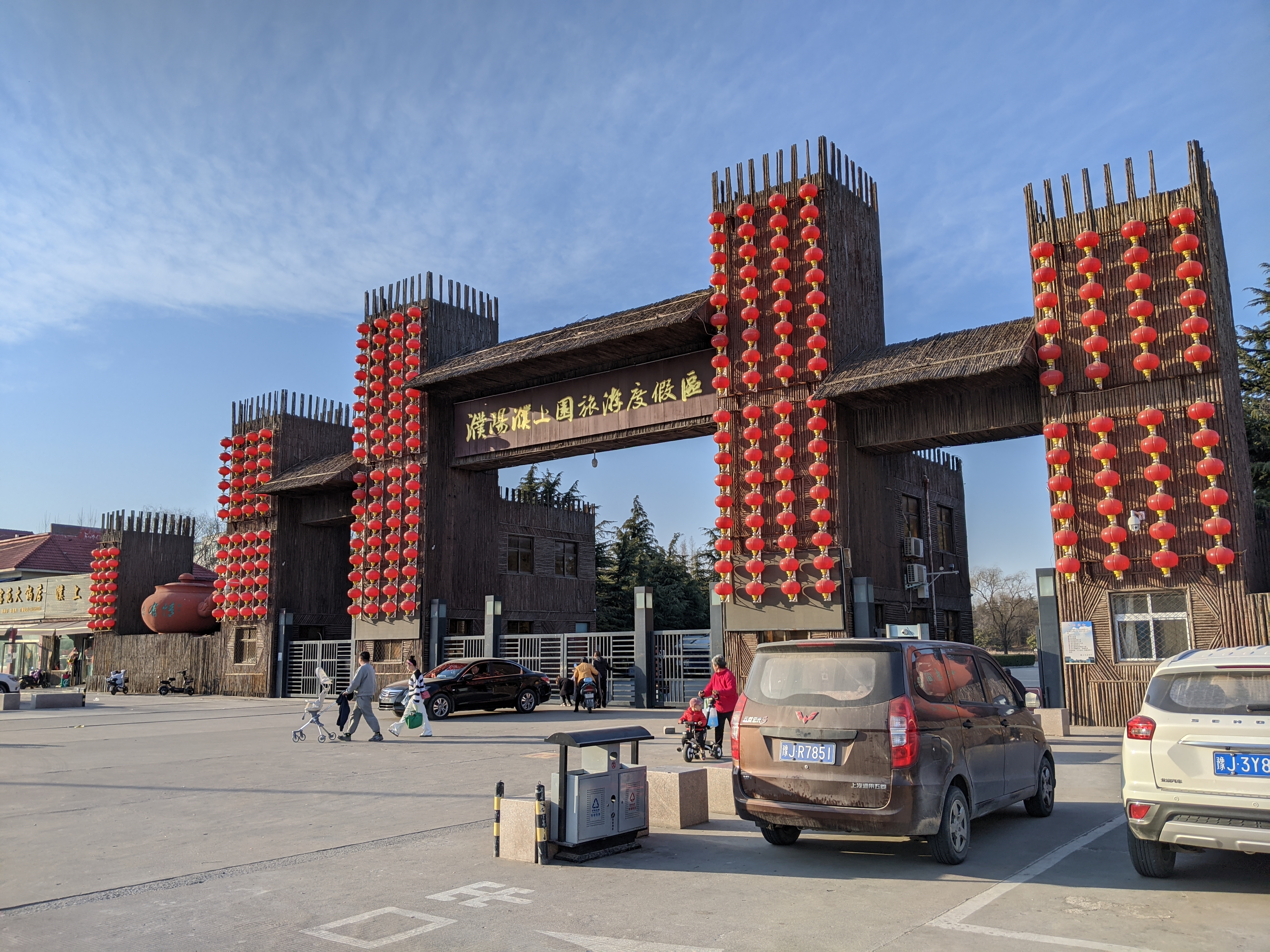
Puyang, China
Data updated Sep 3, 2026
📊 Scores
Oil refineries and Sinopec pay the bills here. The Central Plains Oilfield Company is the gravitational center of Puyang's economy, and nearly every professional you meet will trace their paycheck back to petrochemicals, rail logistics, or the supplier networks that feed them. Remote work is technically possible — average internet speeds clock in at 95 Mbps, which is better than you'd expect — but nobody here is building a digital nomad scene. You won't find coworking spaces, English-language networking events, or a single coffee shop where someone's working on a startup pitch. Foreigners don't come here for jobs they find on LinkedIn. They come because a company transferred them, usually one that drills or refines things. Your monthly costs outside rent will run about $400, and a one-bedroom in the city center averages $250 a month. That's real. You can stack cash if you're earning a foreign salary or an expat package, but the tradeoff is professional isolation that most remote workers would find suffocating.
The language barrier is the thing that will wear you down. Not in a dramatic way. In a thousand small, daily ways. Signage, menus, hospital forms, bus routes, rental contracts, the app you need to pay your electric bill — it's all in Chinese, and nobody is going to slow down for you. Puyang People's Hospital can handle routine care, but you'll need Mandarin or a translator, and the expectation is that you've brought someone local to help. Registering as a foreign resident is a bureaucratic knot that assumes you have a local contact, preferably one with patience and a working knowledge of the Public Security Bureau's whims. Public transit exists but it's limited. Most people get around by bus, e-bike, or Didi. Winters are cold and dry, summers are swampy, and spring dust blows in from the north. The food is Henan-style: heavy on noodles, braised meats, and street stalls where a full meal costs ¥15-30. It's good if you're not picky. The Dragon Culture Museum and a few parks are your weekend options, unless you take the two-hour train to Zhengzhou, which you will, often, just to feel like you're still connected to something bigger.
You should move here if you're on a multi-year assignment with a petrochemical company, you want to save 70% of your income, and you genuinely don't care about having an expat social circle. That's the whole list. The expat community is functionally nonexistent — you'll be one of maybe a handful of foreigners in a city of over a million people. If that sounds peaceful, great. If it sounds lonely, believe that feeling. Retirees should look elsewhere. The safety index sits at 70, crime is low, and costs are laughably cheap, but the language friction and lack of English-language healthcare make it a harder landing than most people over 60 would tolerate. Digital nomads will hate it. There's no scene, no peers, and no reason to be here unless your work is fully asynchronous and you've made peace with total professional solitude. Puyang doesn't pretend to be something it's not. It's an industrial city that happens to be cheap, and it fits exactly one profile. If that's not you, Zhengzhou is two hours away and a completely different conversation.
🏚️ Cost of Living
💰 Budgets and Costs
Grocery Basket
Eating Out
Utilities & Lifestyle
Housing
💰 Real Spend Reports
🛡️ Safety & Crime
(Higher is safer)
(Lower is safer)
Puyang is a relatively safe city for expats, with low violent crime and a strong police presence typical of Chinese cities. Petty theft and scams targeting foreigners occur occasionally—watch for overcharging in taxis, counterfeit goods, and online fraud. Avoid displaying expensive items openly. The main concerns are language barriers in emergencies, limited English-speaking medical staff outside major hospitals, and navigating bureaucratic processes. As a smaller inland city, Puyang lacks the expat infrastructure of Shanghai or Beijing, which can complicate practical matters. Overall, it's a secure choice for those comfortable with China's regulatory environment and willing to adapt to local systems.
🏥 Healthcare
🌤️ Climate
Best Months
Climate Notes
Puyang has a continental climate with extremely hot, humid summers (peak 43°C) and cold, dry winters (low -13°C), requiring adaptation to intense seasonal swings and moderate air quality challenges.
💻 Digital Nomad
Community Notes
| Name | Price/mo | Notes |
|---|---|---|
| Ucommune (Puyang Wanda Plaza) | $85 | Located in the central Wanda Plaza, Ucommune offers a modern, professional environment with various amenities. Its central location provides easy access to shopping, dining, and transportation, making it convenient for expats. |
| Regus (Puyang) | $110 | While specific address details are limited, Regus is a globally recognized brand offering reliable coworking solutions. It likely provides a professional atmosphere and standard business amenities, appealing to remote workers seeking a familiar environment. |
🧳 Expat Life
Expat Life Notes
An oil-centric industrial city in Henan. Relocation is strictly tied to specific petrochemical contracts.
Pros
- ✓ Strong industrial development
- ✓ Low cost of living
Cons
- ✗ Heavy industrial environment
- ✗ Limited English prevalence
- ✗ Social isolation
🛂 Visa Options for China
Not sure which China visa you qualify for?
Answer 10 questions and get a personalized match in under 2 minutes.
Could living/working in Puyang cut years off your work life?
With a 1-bedroom in the center at $250/mo, your FIRE number here might be much lower than you think.
Share This Guide
Puyang won't stay this cheap forever.
Cost-of-living and visa updates for Puyang and the rest of China. Free with RA Postcards.
By submitting your email address, you will receive a free subscription to RA Postcards and special offers from Rewire Abroad and our affiliates. You can unsubscribe at any time, and we encourage you to read more about our Privacy Policy.