Nyingchi, China
Data updated Sep 29, 2026
📊 Scores
Best fit: Retiree (score: 53)
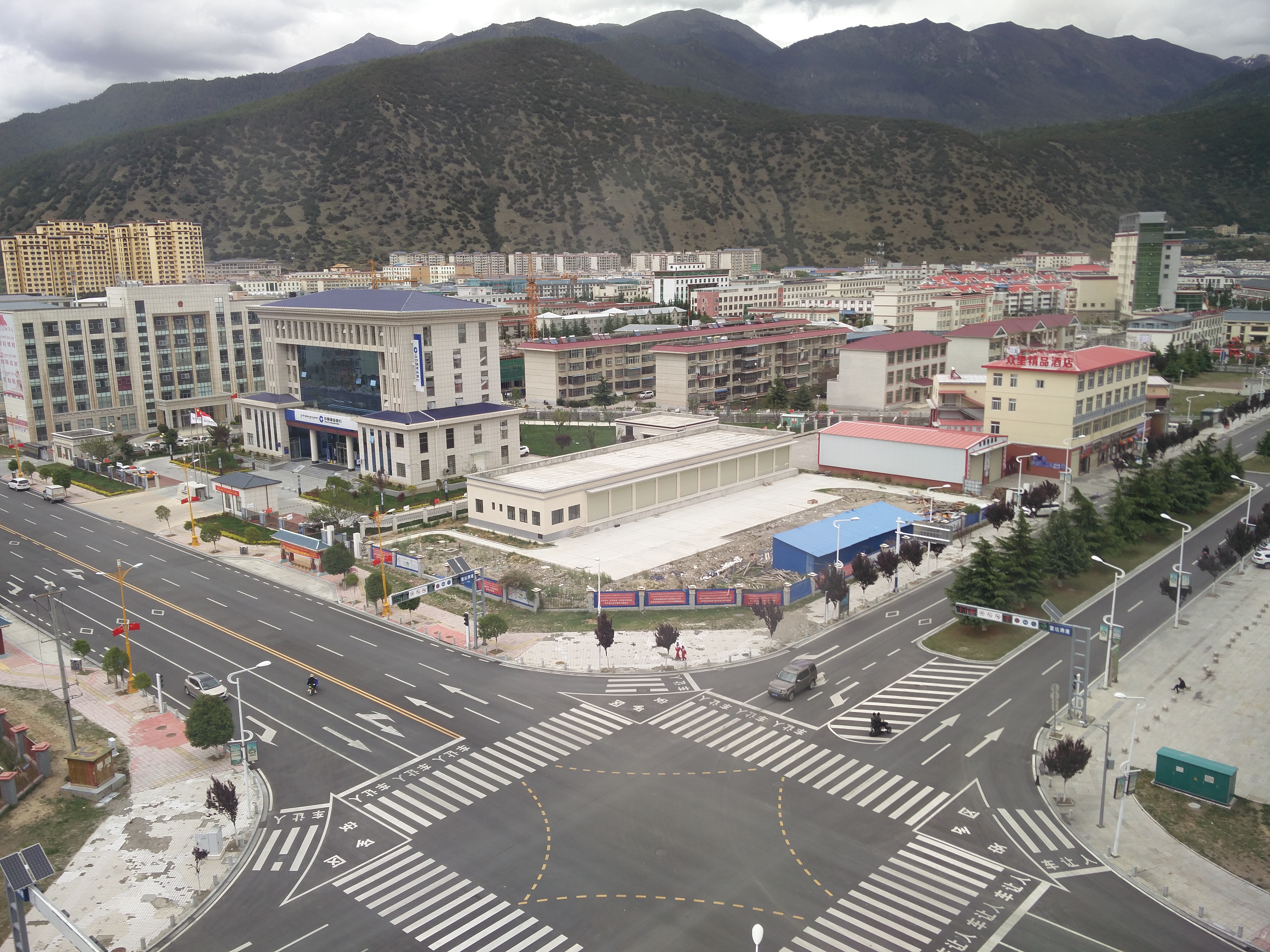
At 9,974 feet, Nyingchi may seem like a Shangri-La, but the reality on the ground is far less idyllic. With a population of just under 240,000, this prefecture-level city in southeast Tibet faces the typical headaches of bureaucracy and red tape that plague much of China. While the climate is classified as subtropical highland, the high elevation still poses a persistent risk of altitude sickness for newcomers.
On the plus side, Nyingchi is positioned to capitalize on its natural assets, with plans to invest over $63 million into the local tourism industry. The region boasts ancient forests, diverse wildlife, and a wide array of agricultural products. However, those seeking a carefree life in the mountains may find the administrative hassles of living in Nyingchi to be more trouble than it's worth.
If you're an intrepid outdoors enthusiast undaunted by China's rigid systems, Nyingchi could be the rugged, high-altitude oasis you've been searching for. But for the average expat, the lure of Nyingchi's natural beauty may not be enough to outweigh the daily grind of navigating its bureaucratic landscape.
🏚️ Cost of Living
💰 Budgets and Costs
Grocery Basket
Eating Out
Utilities & Lifestyle
Housing
A 1BR in the center runs about $586.73/mo. If your income is in another currency, bank FX fees add up. A multi-currency account can cut that cost.
See low-fee transfersWe may earn a commission at no cost to you.
💰 Real Spend Reports
🛡️ Safety & Crime
(Higher is safer)
(Lower is safer)
Nyingchi is a very safe city for expats, with low violent crime and petty theft rates typical of smaller Chinese cities. The main concerns are standard expat issues: navigating language barriers, understanding local regulations, and occasional scams targeting foreigners unfamiliar with local practices. As a Tibetan region, be respectful of cultural sensitivities and avoid political discussions. The city's remote mountain location means limited expat infrastructure and healthcare facilities—ensure you have adequate insurance and evacuation plans. Overall, it's genuinely safe for daily life, though isolation and bureaucratic complexity pose greater challenges than crime.
🏥 Healthcare
🌤️ Climate
Best Months
Climate Notes
Nyingchi features a mild alpine climate with cool summers (around 20°C), cold winters (around 2°C), and significant rainfall during monsoon season (June-September), making it ideal for those seeking moderate temperatures and lush mountain scenery.
💻 Digital Nomad
Community Notes
| Name | Price/mo | Notes |
|---|---|---|
| Inno Valley Innovation and Entrepreneurship Incubation Base | $80 | While not a traditional coworking space, this government-backed incubator offers desk space and resources for startups and entrepreneurs. Located in Bayi District, it provides a professional environment and networking opportunities, suitable for expats looking to connect with the local business community. |
| Tibet Nyingchi Creative Industry Park | $70 | Similar to Inno Valley, this park provides office space and resources for creative businesses. It is located in the main business district and offers a relatively quiet environment for focused work. It's a good option for digital nomads seeking a basic workspace. |
Working remotely from Nyingchi? Nomad health insurance covers you across borders, month to month.
See nomad insuranceWe may earn a commission at no cost to you.
🧳 Expat Life
🛂 Visa Options for China
Many long-stay visas require proof of health insurance. Compare international health plans before you apply.
Compare health insuranceWe may earn a commission at no cost to you.
Not sure which China visa you qualify for?
Answer 10 questions and get a personalized match in under 2 minutes.
Could living/working in Nyingchi cut years off your work life?
With a 1-bedroom in the center at $469/mo, your FIRE number here might be much lower than you think.
Estimate the cost of moving to Nyingchi, China
Get a free moving cost estimate for moving to Nyingchi, China. Takes 10 seconds.
How much are you shipping?
When are you moving?
Powered by Sirelo. Free quotes from verified international movers.
Share This Guide
Nyingchi won't stay this cheap forever.
Cost-of-living and visa updates for Nyingchi and the rest of China. Free with RA Postcards.
By submitting your email address, you will receive a free subscription to RA Postcards and special offers from Rewire Abroad and our affiliates. You can unsubscribe at any time, and we encourage you to read more about our Privacy Policy.