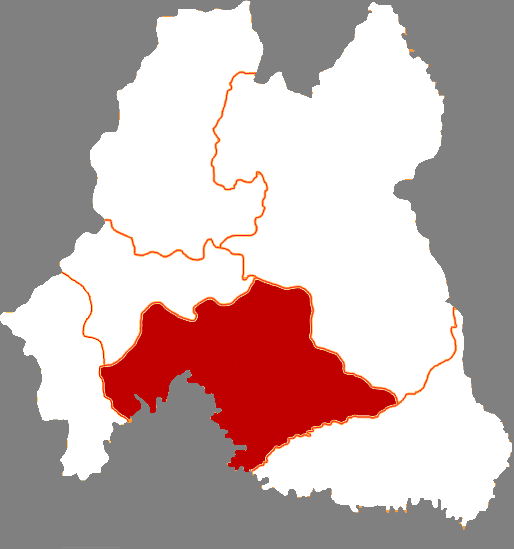
Linjiang is a small city of 122 thousand people in northeastern China, set at 300 m above sea level in the Asia/Shanghai timezone. The climate is continental, with hot, humid summers that reach 31°C and harsh, dry winters that plunge to -30°C, and humidity averages 69 percent across the year. Expats who settle here tend to cluster in the Linjiang Riverside Area, the city's most established neighborhood for newcomers. With a population this size, the city keeps a low profile, and the small expat community means you are more likely to know your neighbors than to disappear into an anonymous crowd.
Living costs are the main draw. A one-bedroom apartment in the city centre rents for $330/mo, while the same outside the centre drops to $240/mo. Three-bedroom units run $620/mo in the centre and $450/mo outside it. For a single adult, monthly costs excluding rent come to $460/mo, and a family of four can expect $1,550/mo excluding rent. Budget-tier living, rent included, totals $750/mo for one adult; mid-range comes to $1,100/mo, and a comfortable tier reaches $1,600/mo. The cost of living index sits at 33/100 against New York City at 100, which puts Linjiang among the more affordable places to live in the region.
Safety is moderate, with a safety index of 60/100 and a crime index of 40/100, where lower is safer. Healthcare quality is rated fair, which means routine care is available but complex or specialized treatment may require travel to a larger city. Internet speeds average 72 Mbps, fast enough for remote work, streaming, and video calls. The overall expat score is 76/100, reflecting a place that works well for some profiles and less well for others.
Visas are handled through the standard Chinese immigration system, and there is no named program to point to here. The nearest airport is YNJ, 200 km away, so arrivals involve a longer transfer by road or rail. English proficiency is limited, and the small expat community means daily life rewards some Mandarin or a willingness to learn. Linjiang suits budget-conscious long-term residents, remote workers, and those pursuing financial independence: the FIRE score is 78/100 and the digital nomad score is 63/100. Retirees may find it less ideal, with a retiree score of 49/100, largely because healthcare is fair and the winters are severe.