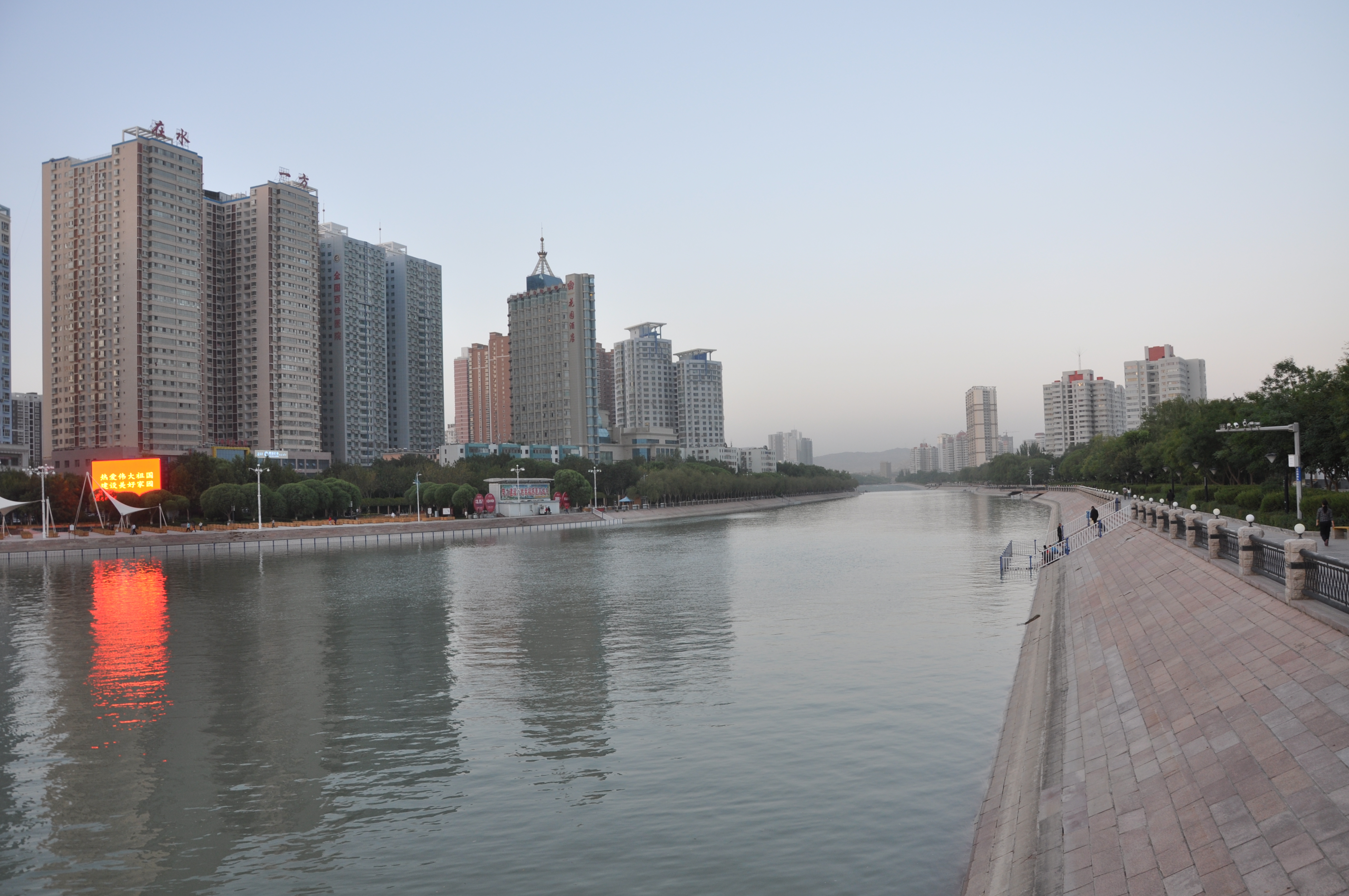
Korla sits in an arid climate at 940 m above sea level, keeping time on Asia/Urumqi and counting a population of 779 thousand. The city's dry air and stark seasonal shifts define daily life, while the Saybagh District draws the small number of expatriates who settle here. That community remains very few, so newcomers looking for a ready-made social circle will find a quieter, more self-directed experience.
Rents are modest by global standards. A one-bedroom in the city centre runs $250/mo, while outside the centre it drops to $180/mo. Three-bedroom units go for $500/mo centrally and $350/mo beyond it. A single adult can expect total monthly costs of $700/mo on a budget, $1,200/mo mid-range, or $1,800/mo comfortable, with non-rent expenses around $450/mo. Utilities add $67/mo, internet $11/mo, and a mobile plan $5/mo. Eating out is cheap: $3 for an inexpensive restaurant meal, $16 for a three-course mid-range meal for two, and $3 for a cappuccino. Local average monthly net salary is $746/mo, so the cost of living is low but wages are lower still.
Safety is a mixed picture. The safety index stands at 65/100 and the crime index at 35/100, suggesting a generally secure environment. Air quality, however, is a concern with an index of 120, where lower is better. Healthcare quality is rated fair, so residents with ongoing medical needs should plan accordingly.
Visas follow standard Chinese immigration channels, and the nearest airport is KRL, 13 km away. Internet speeds average 50 Mbps, and English proficiency is limited, which makes some Mandarin or Uyghur useful for daily errands. With an overall expat score of 82/100 and a FIRE score of 84/100, Korla appeals strongly to budget-focused savers and early retirees, while the digital nomad score of 61/100 and retiree score of 52/100 suggest it suits those who value low costs over extensive amenities or a large expat scene.