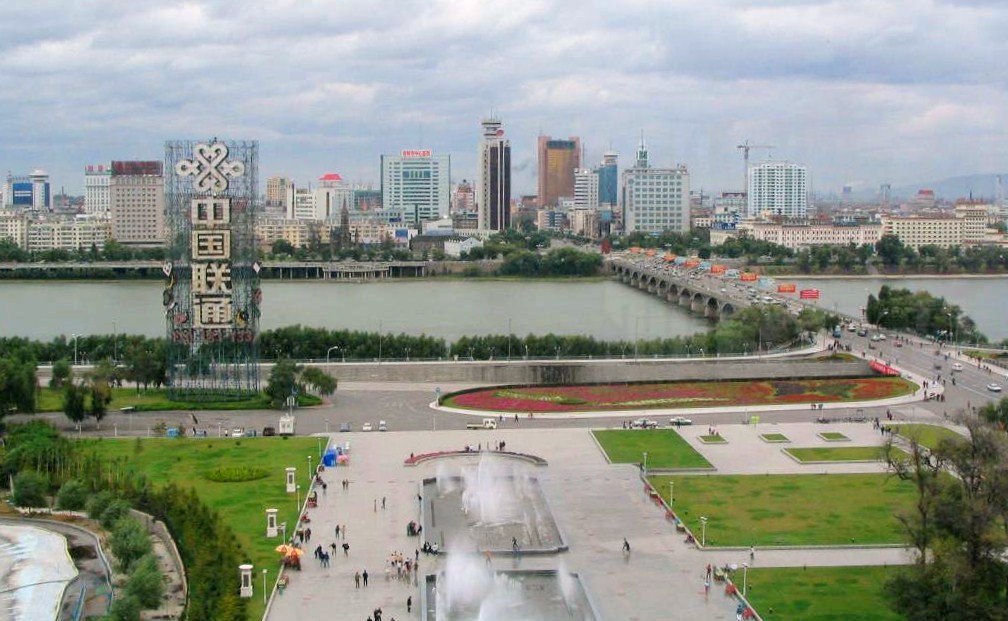
Jilin City sits in the heart of Jilin Province, a mid-sized Chinese city of 1.6 million people at 200 meters above sea level. Its continental climate brings cold, dry winters and warm, humid summers, a rhythm that shapes daily life. For the few expats who settle here, the Fengman District is the most common choice, offering a mix of lakeside scenery and practical amenities. The city's compact scale and low-rise streets make it easy to navigate, though its expat community remains very small, so newcomers should be prepared for a more immersive, less internationally oriented experience.
Living costs in Jilin are remarkably low, especially when compared to major Chinese hubs. A one-bedroom apartment in the city center rents for $300/mo, while the same outside the center costs $200/mo; a three-bedroom in the center runs $600/mo, dropping to $400/mo further out. For a single adult, a budget lifestyle totals $700/mo including rent, a mid-range tier comes to $1,200/mo, and a comfortable tier reaches $2,000/mo. Excluding rent, monthly expenses average $450/mo, which covers food, transport, and entertainment. A monthly public transport pass is just $7/mo, an inexpensive restaurant meal costs $3, a three-course meal for two at a mid-range restaurant is $22, and a cappuccino sets you back $3. The local average monthly net salary is $447/mo, so wages are modest, but the cost of living allows most residents to stretch their income further than they might elsewhere.
Safety in Jilin is a strong point, with a crime index of 35/100 (lower is safer) and a safety index of 65/100, making it a generally secure environment for day-to-day life. Healthcare quality is rated as fair, which means basic medical needs are covered, though serious conditions may require travel to larger cities for specialized care. The air quality index sits at 78, which is moderate; those with respiratory sensitivities should monitor conditions during winter inversions. English proficiency is limited, so learning some Mandarin will go a long way in daily interactions, from shopping to visiting a doctor.
Getting to Jilin is straightforward via the nearest airport, JIL, located 37 km from the city center. Visa options exist for longer stays, though specific programs are not detailed here; most expats will need to research the current regulations through official channels. This city suits budget-conscious travelers, remote workers, and retirees who prioritize low costs and a slower pace over international amenities. With a FIRE score of 83/100, it is particularly appealing for those aiming to save aggressively, while the digital nomad score of 62/100 reflects decent internet speeds of 75 Mbps but a limited expat network. The retiree score of 53/100 is more moderate, reflecting the fair healthcare and language barriers. Overall, Jilin offers an authentic, affordable slice of Chinese life for those willing to trade convenience for savings.