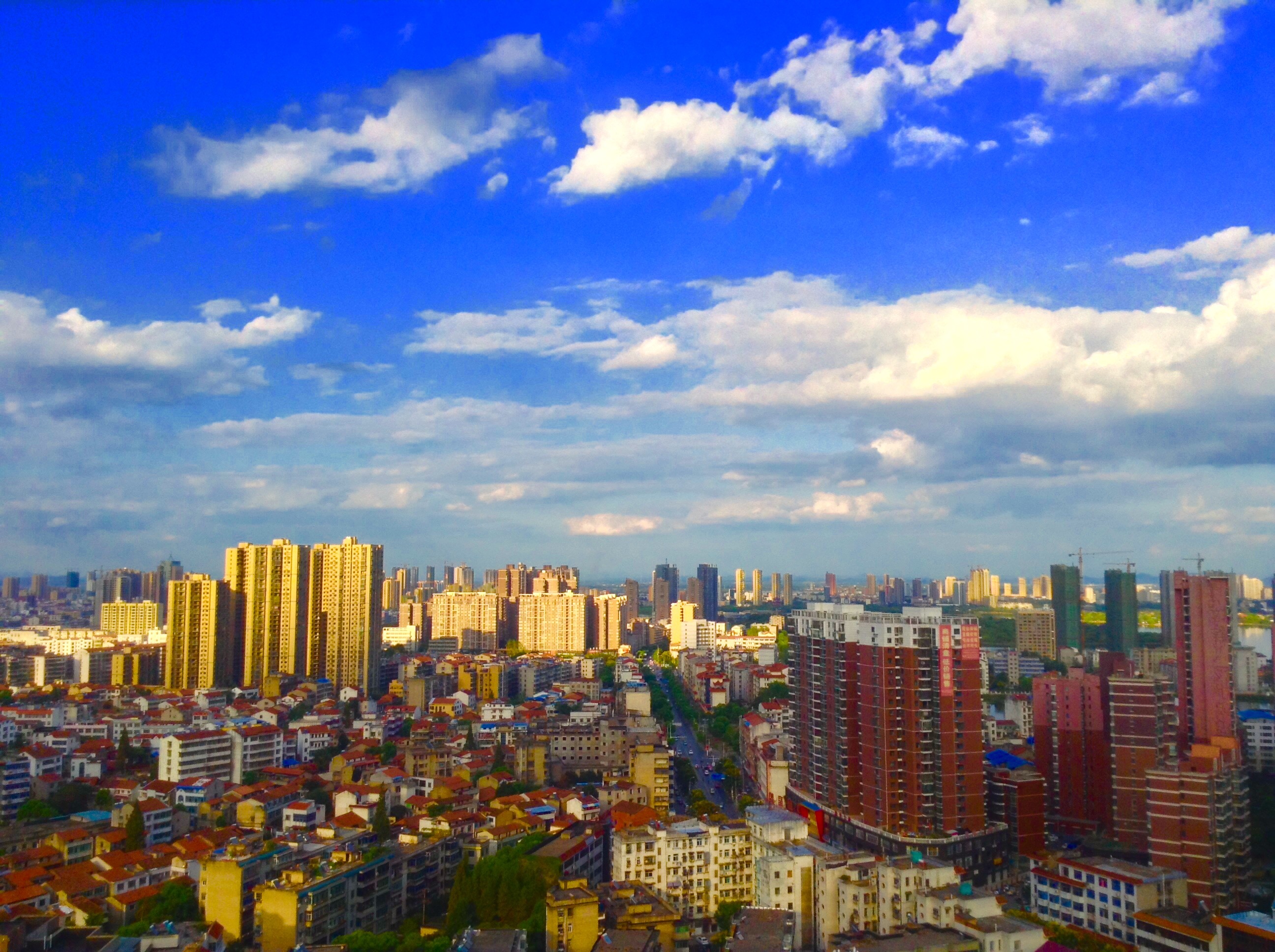
Huanggang sits in central China's Hubei province, a subtropical city of 1.1 million people at just 25 meters above sea level. The climate brings hot, humid summers and mild winters, with a rhythm that feels distinctly southern Chinese. For the few expats who settle here, the Huangzhou District is the practical choice, offering the most accessible services and a compact, walkable center. Life moves at a slower pace than in the megacities, and the city's modest scale makes it easy to navigate within weeks.
Estimate the cost of moving to Huanggang, China
Get a free moving cost estimate for moving to Huanggang, China. Takes 10 seconds.
How much are you shipping?
When are you moving?
Powered by Sirelo. Free quotes from international movers.
🏚️ Cost of Living
💰 Budgets and Costs
A category breakdown is not available for Huanggang yet. We publish a breakdown only when every category can be priced from local data, rather than showing figures we cannot stand behind.
Rent, 1 bedroom in the centre
$280/mo
Living costs, excluding rent
$450/mo
Still needed for a full breakdown: grocery prices and utility bills.
Huanggang is a relatively safe mid-sized Chinese city with low violent crime rates typical of inland China. Petty theft and scams targeting foreigners exist but are uncommon. Main concerns for expats include navigating language barriers in emergencies, limited English-language medical facilities, and the standard restrictions on internet access and foreign media. The city lacks the international expat infrastructure of tier-1 cities, making daily logistics more challenging. For Americans comfortable with China's regulatory environment and willing to learn Mandarin basics, Huanggang poses minimal safety risks compared to many Western cities, though it's better suited for those seeking immersion over convenience.
🏥 Healthcare
Fair
Public Hospitals
Yes
Private Clinics
No
English-Speaking Doctors
Limited
See how Huanggang's healthcare compares with Qinggang
🌤️ Climate
Climate Zones
Subtropical
Summer Temp
36°C
Winter Temp
-6°C
Humidity
76%
Air Quality Index
110
Annual Rainfall
1273 mm
Best Months
MarAprOct
Climate Notes
Huanggang experiences a humid subtropical climate with hot summers and cold winters, and is affected by regional industrial pollution impacting air quality.
💻 Digital Nomad
Avg Internet Speed
50 Mbps
Coworking Availability
Limited
Coworking Spaces Nearby
0
Digital Nomad Score
64/100
Community Notes
Huanggang is more traditional with few coworking spaces for nomads.
Regus offers a reliable and professional coworking environment. While specific Huanggang locations and pricing are best confirmed on their website, Regus is known for its consistent amenities, including meeting rooms and administrative support, making it suitable for expats needing a familiar and functional workspace.
While Ucommune may not have a direct location in Huanggang, it's a popular coworking chain in China, with locations likely in the nearby major city of Wuhan. This would be a viable option for those willing to commute or travel occasionally, offering a modern and community-focused workspace.
See how Huanggang's digital nomad life compares with Qinggang
🧳 Expat Life
English Proficiency
Limited
Expat Community
Very Few
Top Neighborhoods
Huangzhou District
Banks Nearby
14
ATMs Nearby
0
Expat Life Notes
A quiet city near Wuhan. Expat life is almost non-existent outside of a few English teachers or visiting industrial specialists.
Pros
✓ Extremely low cost of living
✓ Authentic local experience
Cons
✗ No expat infrastructure
✗ Minimal English spoken
✗ Geographical isolation for foreigners
🏘️ Neighborhoods in Huanggang
Areas of Huanggang that expats often consider.
Conditions can change from one block to the next, and these descriptions are general guides, not safety assessments. Before choosing where to stay or live, check current travel advisories, talk to people who live there, and visit in person if you can.
Huangzhou District (中心城区)
Bustling urban, commercial center
The main urban area of Huanggang, offering the most amenities, shopping, and dining options. While not specifically geared towards expats, it's the most convenient area for accessing services and transportation. Expect higher prices and more noise compared to other districts.
Ezhou Development Zone (鄂州开发区)
Modern, industrial, growing area
Located near Huanggang, this zone is experiencing rapid development and attracts businesses and workers. It's less charming than the city center but offers newer apartments and potentially lower rents. Language barriers could be significant for expats.
Xishui County (浠水县)
Traditional, rural, slower pace
A more rural county within the Huanggang prefecture, offering a glimpse into traditional Chinese life. It's significantly cheaper than the city center, but amenities and English-speaking services are limited. Suitable for those seeking a very immersive experience.
Hong'an County (红安县)
Historical, revolutionary, agricultural
Known for its revolutionary history, Hong'an is a more rural and agricultural area. It's a budget-friendly option, but expect limited modern conveniences and significant language barriers. Transportation to Huanggang city might be a consideration.
Macheng City (麻城市)
Smaller city, local culture
A smaller city within the Huanggang prefecture, offering a more authentic Chinese experience. While not specifically expat-friendly, it could appeal to those seeking a less touristy environment. Expect limited English and fewer international amenities.
Luotian County (罗田县)
Mountainous, scenic, rural retreat
Known for its beautiful mountain scenery, Luotian is a good option for those seeking a quiet, rural lifestyle. It's the most remote option listed, with limited amenities and significant language barriers. Ideal for nature lovers willing to adapt to a very different pace of life.
Page 1 of 2
Could living/working in Huanggang cut years off your work life?
With a 1-bedroom in the center at $280/mo, your FIRE number here might be much lower than you think.
Huanggang has a population of approximately 1,124,800 people.
A single person can expect to spend around $700 per month in Huanggang, including rent. A 1-bedroom apartment in the city center costs approximately $280/month.
The nearest airport to Huanggang is EHU, approximately 20.3km away.
Huanggang is considered relatively safe, with a safety index of 65.0. As with any city abroad, expats should research specific neighborhoods before committing to a location.
Huanggang has an average internet speed of 50 Mbps. It is considered a well-established digital nomad destination.
No. English is virtually absent in daily life, signage, and most workplaces. Without at least conversational Mandarin, basic tasks like dealing with landlords, hospitals, or local government offices will be genuinely difficult. Wuhan, 90km away, has more English infrastructure if that's a dealbreaker.
Noticeably cheaper. Rent for a two-bedroom apartment runs roughly ¥1,500–2,500/month ($210–350) versus ¥3,000–5,000+ in Wuhan. Food, transport, and services are similarly discounted. The tradeoff is fewer job options, less international amenities, and a smaller social scene.
Bio-pharmaceutical and traditional Chinese medicine companies are the main white-collar employers. Agriculture, food processing, and light manufacturing (bamboo products, embroidery) dominate the broader economy. Foreign professionals with niche expertise in TCM supply chains or agribusiness have the clearest path in; general English-teaching demand is low compared to larger cities.
Huanggang has a humid subtropical climate with hot, humid summers and cool, damp winters. Pack for all seasons: lightweight clothing for summer, and layers including a waterproof jacket for the winter months, which can feel surprisingly cold.
Huanggang is generally considered a safe city with low levels of violent crime. Petty theft can occur, especially in crowded areas like the train station and markets, so be mindful of your belongings. I haven't encountered any specific 'no-go' zones, but as always, exercise common sense.
For long-term stays, you'll likely need a long-term work visa (Z visa) sponsored by a local employer, or explore options like a student visa. Tourist visas are not suitable for extended stays. Consult the Chinese embassy or consulate in the US for the most up-to-date requirements.
Internet speed in Huanggang is generally reliable and fast enough for most remote work tasks. You can expect download speeds of 50-100 Mbps, which is sufficient for video conferencing and other bandwidth-intensive activities. Mobile data is also readily available and affordable.
Coworking spaces are still developing in Huanggang, but you can find some options. Many cafes offer free Wi-Fi, but the reliability can vary. I've found that cafes near Huanggang Normal University tend to have better internet.
Huanggang offers a diverse range of local cuisine, with a focus on Hubei flavors. Eating out is very affordable; you can enjoy a delicious meal at a local restaurant for just a few dollars. Explore the night markets for cheap and tasty street food.
Opening a bank account in Huanggang requires your passport, visa, and proof of address. The process can be a bit bureaucratic and may require some patience. Major banks like Bank of China and ICBC are your best bet, and it helps to bring a Mandarin-speaking friend.
For international money transfers, consider using services like Wise (formerly TransferWise) or Remitly, which often offer better exchange rates and lower fees than traditional bank transfers. Check if your bank has partnerships with Chinese banks to reduce transfer costs.
Huanggang has a decent public transportation system, primarily consisting of buses and taxis. Buses are very affordable but can be crowded. Taxis are readily available and relatively inexpensive. Consider using a ride-hailing app like Didi (滴滴) if you speak some Mandarin.
Finding English-speaking doctors in Huanggang can be challenging. While major hospitals have international departments, English proficiency may be limited. It's advisable to have a translation app or a Mandarin-speaking friend to assist with communication.
The expat community in Huanggang is relatively small compared to larger cities like Shanghai or Beijing. However, you can connect with other expats through online forums and social media groups. Wuhan, being nearby, offers more expat social opportunities.
You can retire comfortably in Huanggang on a budget of $1200-$1800 USD per month, covering rent, food, utilities, and some leisure activities. This assumes you own your property or are renting. Healthcare costs should also be factored in.
Huanggang offers several parks and scenic spots, including the Dongpo Chibi historical site. You can also explore the nearby Dabie Mountains for hiking and outdoor activities. Wuhan is easily accessible for weekend trips and cultural experiences.
As a US citizen or green card holder, you're still required to file US taxes even when living abroad. The Foreign Earned Income Exclusion (FEIE) and Foreign Tax Credit can help reduce your tax burden. Consult a tax professional specializing in expat taxes for personalized advice.
Cost-of-living and visa updates for Huanggang and the rest of China. Free with RA Postcards.
By submitting your email address, you will receive a free subscription to RA Postcards and special offers from Rewire Abroad and our affiliates. You can unsubscribe at any time, and we encourage you to read more about our Privacy Policy.