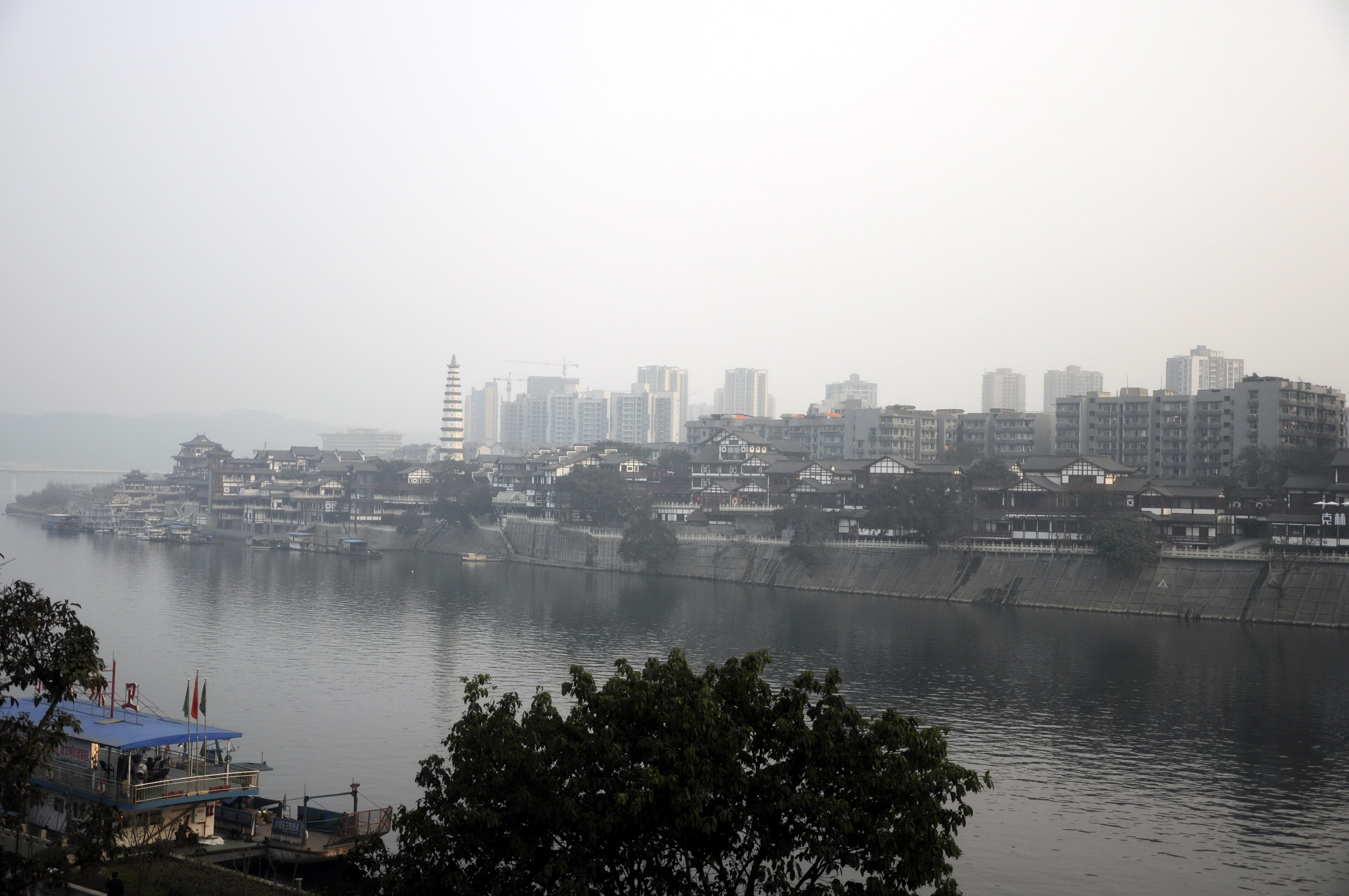
Hechuan, China
Data updated Sep 3, 2026
📊 Scores
Manufacturing is the backbone here — automotive parts, chemical production, and food processing plants employ a significant chunk of the local workforce, many tied to supply chains feeding Chongqing's industrial machine 54 km away. Foreign professionals who land in Hechuan typically arrive via corporate transfer to one of these factories, not by choice. Remote workers exist but are rare; this is not a digital nomad hub. Agriculture still runs through the district's DNA, and domestic tourism around the three-river historical sites adds a thin service economy layer on top.
Rent is genuinely cheap: a decent two-bedroom apartment runs ¥1,500–2,500/month ($210–350 USD), roughly half what you'd pay in central Chongqing. Local food markets and restaurants keep daily costs low — budget ¥60–100/day eating well. Public buses connect to downtown Chongqing, though the trip takes 1.5–2 hours; planned rail links will eventually cut that. Healthcare means local district hospitals with limited English-speaking staff — serious medical issues require the trip to Chongqing proper. Mandarin is non-negotiable; expect near-zero English outside any international school context.
Summers are hot and humid, pushing 35°C with heavy rainfall from June through August — the Chongqing basin effect is real and relentless. Winters are grey, damp, and cold without being freezing. The riverside scenery and ancient temples make for decent weekend walks, and Sichuan-style hotpot is everywhere and excellent. The expat community is tiny — think dozens, not hundreds — so social life defaults to WeChat groups and the occasional trip into Chongqing for anything resembling an international crowd. This city suits corporate transferees on assignment who want low costs and don't mind trading convenience for quiet.
🏚️ Cost of Living
💰 Budgets and Costs
Grocery Basket
Eating Out
Utilities & Lifestyle
Housing
A 1BR in the center runs about $250/mo. If your income is in another currency, bank FX fees add up. A multi-currency account can cut that cost.
See low-fee transfersWe may earn a commission at no cost to you.
💰 Real Spend Reports
🛡️ Safety & Crime
(Higher is safer)
(Lower is safer)
Hechuan is a relatively safe city for expats, with low violent crime and a strong police presence typical of Chinese municipalities. Petty theft and scams targeting foreigners exist but are uncommon; remain cautious with valuables in crowded areas and verify taxi credentials. The main concerns are navigating language barriers in emergencies, understanding local regulations, and adapting to surveillance-heavy policing norms. For Americans accustomed to personal privacy, China's monitoring systems may feel intrusive. Overall, Hechuan presents minimal safety risks compared to many Western cities, making it suitable for expats comfortable with the Chinese system.
🏥 Healthcare
🌤️ Climate
Best Months
Climate Notes
Hechuan has a humid subtropical climate with hot, wet summers (June-August) and mild, dry winters (December-February), typical of Chongqing's region.
💻 Digital Nomad
Community Notes
| Name | Price/mo | Notes |
|---|---|---|
| URWork (Hechuan) | $150 | While specific Hechuan location details are scarce online, URWork is a major coworking chain in China. Assuming a similar setup to other locations, expect modern amenities, a professional atmosphere, and networking opportunities. Good for expats seeking a familiar coworking environment. |
| Regus Chongqing - Raffles City Office Tower | $200 | While technically in Chongqing, it's a major city near Hechuan. Regus offers reliable services, private offices, and meeting rooms. It's a good option for those needing a professional and established coworking environment with international standards. |
Working remotely from Hechuan? Nomad health insurance covers you across borders, month to month.
See nomad insuranceWe may earn a commission at no cost to you.
🧳 Expat Life
Expat Life Notes
Hechuan is a satellite city of Chongqing. It is historically significant for the Diaoyu Fortress. The expat community is small and mostly university-affiliated.
Pros
- ✓ Historic significance
- ✓ Riverside living
- ✓ Authentic local food
Cons
- ✗ High humidity
- ✗ Steep terrain
- ✗ Limited English
🛂 Visa Options for China
Many long-stay visas require proof of health insurance. Compare international health plans before you apply.
Compare health insuranceWe may earn a commission at no cost to you.
Not sure which China visa you qualify for?
Answer 10 questions and get a personalized match in under 2 minutes.
Could living/working in Hechuan cut years off your work life?
With a 1-bedroom in the center at $250/mo, your FIRE number here might be much lower than you think.
Moving to Hechuan? Estimate what an international move would cost and compare mover quotes.
Estimate my move costShare This Guide
Hechuan won't stay this cheap forever.
Cost-of-living and visa updates for Hechuan and the rest of China. Free with RA Postcards.
By submitting your email address, you will receive a free subscription to RA Postcards and special offers from Rewire Abroad and our affiliates. You can unsubscribe at any time, and we encourage you to read more about our Privacy Policy.