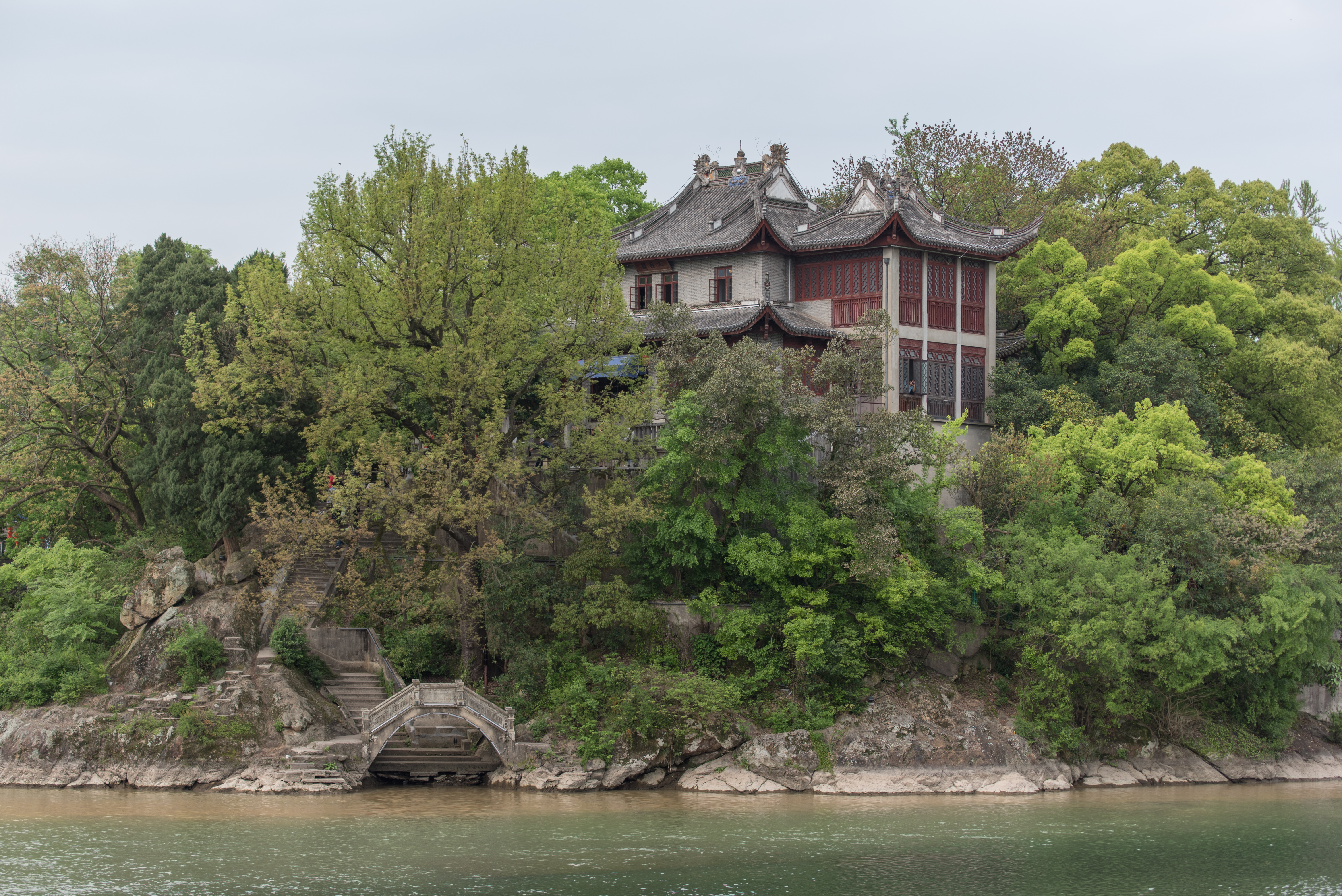
Fenghua sits in coastal Zhejiang Province, 20 km from Ningbo Lishe International Airport (NGB), at an elevation of 15 m above sea level. The city has a humid subtropical climate with hot, wet summers from June to August and cool, dry winters from December to February. The population is 578 thousand. No specific neighborhoods are named in the data that expats choose.
Living costs in Fenghua are low. A single adult on a budget tier spends about $800/mo total, including rent. The comfortable tier total for a single adult is $2,200/mo. Rent for a one-bedroom apartment in the city center averages $350/mo, and outside the center it is $250/mo. A three-bedroom in the center runs $700/mo, while outside the center it is $500/mo. Excluding rent, a single person's monthly cost is $450/mo. No local wage data is provided.
Fenghua has a safety index of 72 out of 100 and a crime index of 28 out of 100, where a lower crime index is safer. Healthcare quality is rated as good. The air quality index is 68, with lower being better.
Fenghua is in the Asia/Shanghai timezone. The nearest airport is NGB, 20 km away. English proficiency is limited. The overall expat score is 86 out of 100, with a FIRE score of 88, a retiree score of 64, and a digital nomad score of 74. Average internet speed is 180 Mbps. The city suits those seeking low costs and a safe environment, though visa requirements should be checked independently.
Estimate the cost of moving to Fenghua, China
Get a free moving cost estimate for moving to Fenghua, China. Takes 10 seconds.
How much are you shipping?
When are you moving?
Powered by Sirelo. Free quotes from international movers.
🏚️ Cost of Living
💰 Budgets and Costs
A category breakdown is not available for Fenghua yet. We publish a breakdown only when every category can be priced from local data, rather than showing figures we cannot stand behind.
Rent, 1 bedroom in the centre
$350/mo
Living costs, excluding rent
$450/mo
Still needed for a full breakdown: grocery prices, restaurant prices and utility bills.
Fenghua is a relatively safe city for expats, with low violent crime and a strong police presence typical of Chinese municipalities. Petty theft and scams targeting foreigners exist but are uncommon compared to major tourist hubs. Main concerns include navigating language barriers in emergencies, traffic safety (driving standards vary), and understanding local regulations. Avoid displaying excessive wealth and use registered taxis or ride-sharing apps. The geopolitical environment is stable for residents. Overall, a reasonable choice for expats seeking a quieter, safer alternative to larger Chinese cities, though you'll need patience with bureaucracy and limited English services.
🏥 Healthcare
Good
Public Hospitals
Yes
Private Clinics
No
English-Speaking Doctors
Limited
See how Fenghua's healthcare compares with Qinggang
🌤️ Climate
Summer Temp
28°C
Winter Temp
5°C
Humidity
72%
Air Quality Index
68
Annual Rainfall
1281 mm
Best Months
AprMayOctNov
Climate Notes
Fenghua has a humid subtropical climate with hot, wet summers (June-August) and cool, dry winters (December-February), typical of coastal Zhejiang Province.
💻 Digital Nomad
Avg Internet Speed
180 Mbps
Coworking Availability
Moderate
Coworking Spaces Nearby
0
Digital Nomad Score
72/100
Community Notes
Fenghua has a blend of modernity and tradition, with development making it more appealing to remote workers.
While technically in Ningbo (Yinzhou District), it's the closest reputable international chain with coworking options near Fenghua. Offers reliable amenities and a professional environment, suitable for those needing a structured workspace.
Located in nearby Ningbo, U+ offers a blend of coffee shop and coworking space. It's a good option for those who prefer a more relaxed atmosphere and are willing to commute slightly.
See how Fenghua's digital nomad life compares with Qinggang
🧳 Expat Life
English Proficiency
Limited
Expat Community
large
Banks Nearby
0
ATMs Nearby
0
🏘️ Neighborhoods in Fenghua
Areas of Fenghua that expats often consider.
Conditions can change from one block to the next, and these descriptions are general guides, not safety assessments. Before choosing where to stay or live, check current travel advisories, talk to people who live there, and visit in person if you can.
Jinshan New District (金山新区)
Modern, planned, convenient living
A newer, well-planned area with modern apartments and amenities. It's popular with young professionals and families. While not exclusively expat-focused, it offers easier access to services and shopping compared to older areas. Public transportation is good, but a car can be useful.
Old Town (老城区)
Historic, bustling, traditional Chinese
The heart of Fenghua, filled with traditional architecture and local shops. It offers a more authentic Chinese experience but can be challenging for those who don't speak Mandarin. Walkable, but expect crowds and noise. Housing is older, and English is less common.
Yulin Subdistrict (岳林街道)
Residential, local, family-oriented
A primarily residential area with a mix of older and newer apartment complexes. It's a good option for those seeking a quieter, more local experience. Public transportation is available, but a scooter or bike might be helpful. Expect limited English proficiency among residents.
Xikou Town (溪口镇)
Scenic, touristy, historical significance
Known for being the hometown of Chiang Kai-shek, Xikou is a popular tourist destination with beautiful scenery. While more tourist-oriented, it can be a pleasant place to live, especially for those interested in history and nature. Some English is spoken in tourist areas, but prices may be higher.
Ningbo High-Tech Zone (Fenghua Branch)
Modern, business-focused, developing area
While technically part of a larger zone, the Fenghua branch offers modern apartments and amenities catering to professionals. It's a good option for those working in the tech industry or seeking a more international environment. Expect good infrastructure and transportation links, but less traditional Chinese culture.
Fangqiao Town (方桥镇)
Rural, quiet, agricultural area
Located outside the main urban area, Fangqiao offers a more rural and peaceful lifestyle. It's a budget-friendly option for those seeking a slower pace of life. However, it's less convenient in terms of amenities and transportation, and English is unlikely to be spoken.
Page 1 of 2
Could living/working in Fenghua cut years off your work life?
With a 1-bedroom in the center at $350/mo, your FIRE number here might be much lower than you think.
Fenghua has a population of approximately 577,505 people.
A single person can expect to spend around $875 per month in Fenghua, including rent. A 1-bedroom apartment in the city center costs approximately $350/month.
The nearest airport to Fenghua is NGB, approximately 20.1km away.
Fenghua is considered relatively safe, with a safety index of 72.0. As with any city abroad, expats should research specific neighborhoods before committing to a location.
Fenghua has an average internet speed of 180 Mbps. It is considered a well-established digital nomad destination.
Rarely. Fenghua is a Chinese industrial district with minimal English signage or services. Outside of a few international business contexts, you'll need Mandarin or a local contact to handle daily life, banking, and government paperwork.
Almost all foreign employment in Fenghua is tied to manufacturing — engineering, quality control, operations management, or sourcing roles with companies using the district's factories. Remote work is possible but there's no established digital nomad infrastructure. Job hunting here without a company sponsoring your move is very difficult.
Fenghua has a humid subtropical climate with four distinct seasons. Expect hot, humid summers and mild, damp winters. Pack for all types of weather, including rain gear, as it rains frequently, especially during the monsoon season.
Fenghua is generally considered a safe city with a low crime rate compared to larger Chinese cities or the US. Petty theft can occur, especially in crowded areas, so be mindful of your belongings. Violent crime is rare, but it's always wise to take standard precautions.
For expats, areas near the city center like Jiefang Road or Jinjiang Road offer convenient access to amenities and transportation. If you prefer a quieter environment, consider neighborhoods slightly further out, like those near the Fenghua River, which tend to be more residential and offer better value for your money.
Fenghua has reliable and fast internet, suitable for most remote work needs. You can expect download speeds of 50-100 Mbps or higher with a good provider. Many cafes and coworking spaces also offer free Wi-Fi, though the speed can vary.
While Fenghua doesn't have a large number of dedicated coworking spaces like you'd find in Shanghai, there are some options. Check local business centers and entrepreneurial hubs, as they sometimes offer shared office spaces. Alternatively, many cafes provide a comfortable environment for working remotely.
Navigating Fenghua without Chinese can be challenging, but manageable. The Didi ride-hailing app has an English interface and is widely used. Learning a few basic Mandarin phrases will significantly improve your experience, and translation apps are essential.
For long-term stays, Americans typically need a work visa (if employed by a Chinese company) or a student visa (if studying). It's difficult to obtain a tourist visa for extended stays. Consult the Chinese embassy or consulate for the most up-to-date visa requirements and options.
Fenghua offers a diverse culinary scene, with many local restaurants serving Ningbo cuisine. Eating out is very affordable; a meal at a local restaurant can cost as little as $5-$10 USD. Western food options are limited, but you can find some in larger hotels and shopping malls.
Finding English-speaking doctors in Fenghua can be difficult. While major hospitals like Fenghua People's Hospital may have some staff with basic English, it's best to have a translator or use a translation app. Consider purchasing international health insurance that covers medical evacuation if needed.
Opening a bank account in China requires a valid visa and passport. Major banks like Bank of China and ICBC are common choices. For international money transfers, services like Wise (formerly TransferWise) or Remitly can be more convenient and cost-effective than traditional bank transfers. ATM fees can vary, so check with your bank.
As a US citizen, you're still required to file US taxes even when living abroad. The Foreign Earned Income Exclusion (FEIE) allows you to exclude a certain amount of your foreign-earned income from US taxes. You may also need to report foreign bank accounts (FBAR) if the total value exceeds $10,000 at any point during the year. Consult a tax professional specializing in expat taxes.
Retiring early in Fenghua on $2,000 USD per month is feasible, but requires careful budgeting. You can live comfortably on this amount, covering rent, food, and basic expenses. However, it's essential to factor in healthcare costs, potential emergencies, and entertainment expenses. It's definitely more doable than retiring in most Western countries on that budget.
The expat community in Fenghua is relatively small compared to larger cities like Shanghai or Beijing. You'll likely find a mix of teachers, business professionals, and entrepreneurs. Online forums and social media groups can help you connect with other expats in the area, although you may need to search in Chinese or broader Ningbo expat groups.
Cost-of-living and visa updates for Fenghua and the rest of China. Free with RA Postcards.
By submitting your email address, you will receive a free subscription to RA Postcards and special offers from Rewire Abroad and our affiliates. You can unsubscribe at any time, and we encourage you to read more about our Privacy Policy.